
Green Field — History & Facts
When did color learn to lie? In a world where hues whisper tales of despair and joy, Green Field emerges as a testament to enduring hope. Look to the center of the canvas, where vibrant greens dance under a luminescent sky. The thick, expressive brushstrokes evoke a sense of movement, as if the grass itself sways gently in an unseen breeze. Notice how the light bathes the field, creating a harmonious blend of dark and light greens that pulse with life.
The rich texture imbues the painting with tangible depth, inviting you to step closer and lose yourself in its vivid embrace. Yet, the painting's emotional tension lies beneath its surface. The deep, shadowy corners hint at an underlying melancholy, suggesting that even in a vibrant field of nature, hope can coexist with sadness. Van Gogh’s use of color speaks to the duality of existence where beauty and despair are intertwined.
The juxtaposition of the vibrant greens against the subtle earth tones in the foreground creates a poignant balance, asking the viewer to consider the complexities of life itself. In the summer of 1889, while living in the asylum at Saint-Rémy-de-Provence, the artist painted this work amidst a turbulent period filled with personal struggle. At this time, he was deeply engaged in exploring the emotional power of color, reflecting his own inner turmoil. This piece stands as a crucial moment in his artistic journey, capturing the essence of a hopeful spirit even amid chaos.
More Artworks by Vincent van Gogh
Browse all →
Starry Night
Vincent van Gogh

The Bedroom
Vincent van Gogh
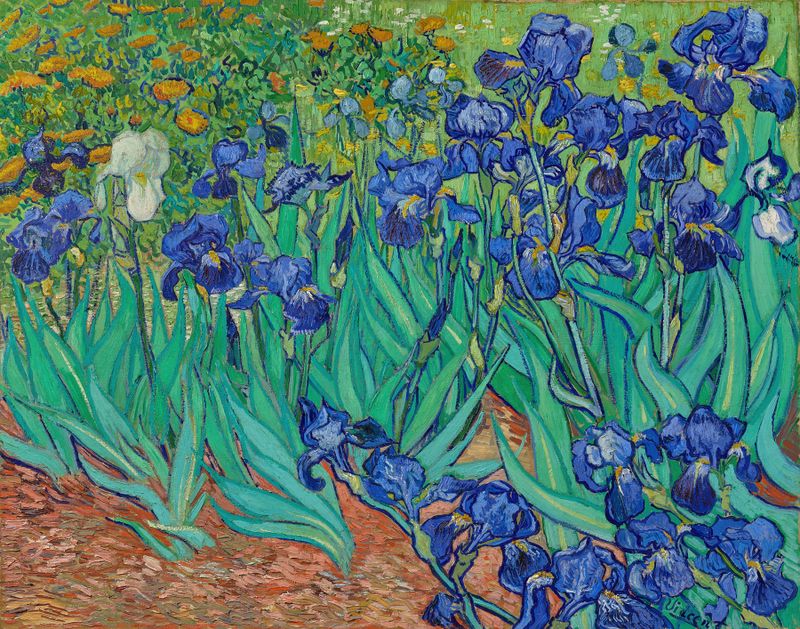
Irises
Vincent van Gogh
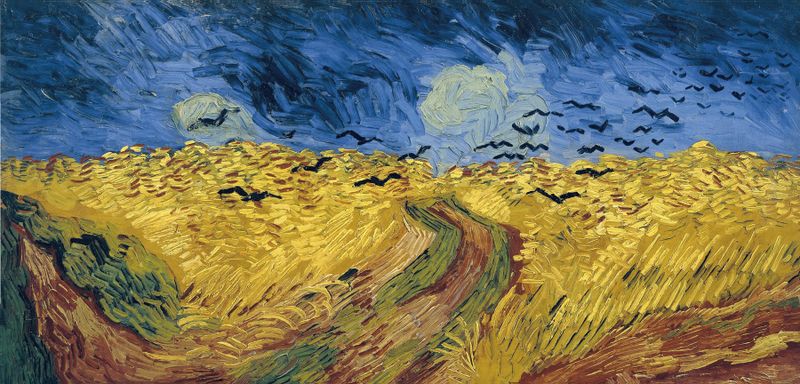
Wheatfield with Crows
Vincent van Gogh
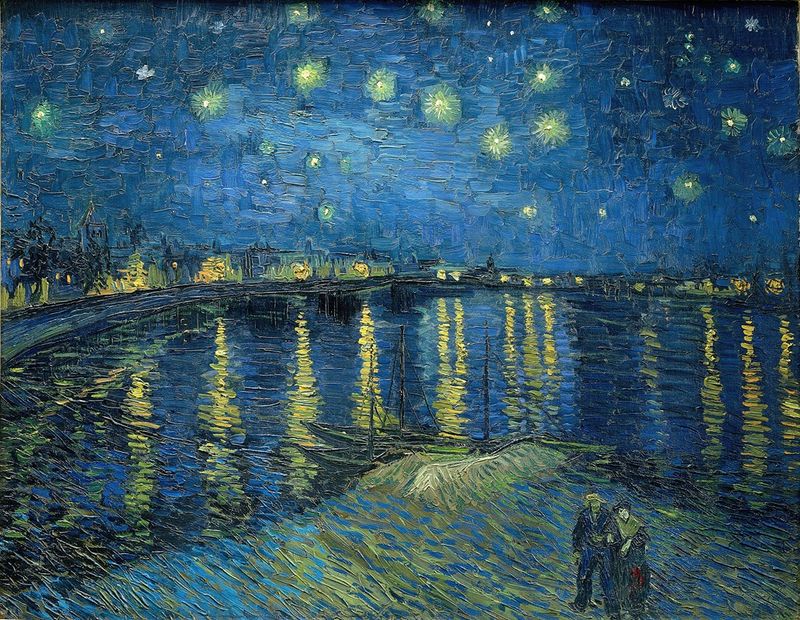
Starry Night over the Rhone
Vincent van Gogh

The yellow house
Vincent van Gogh
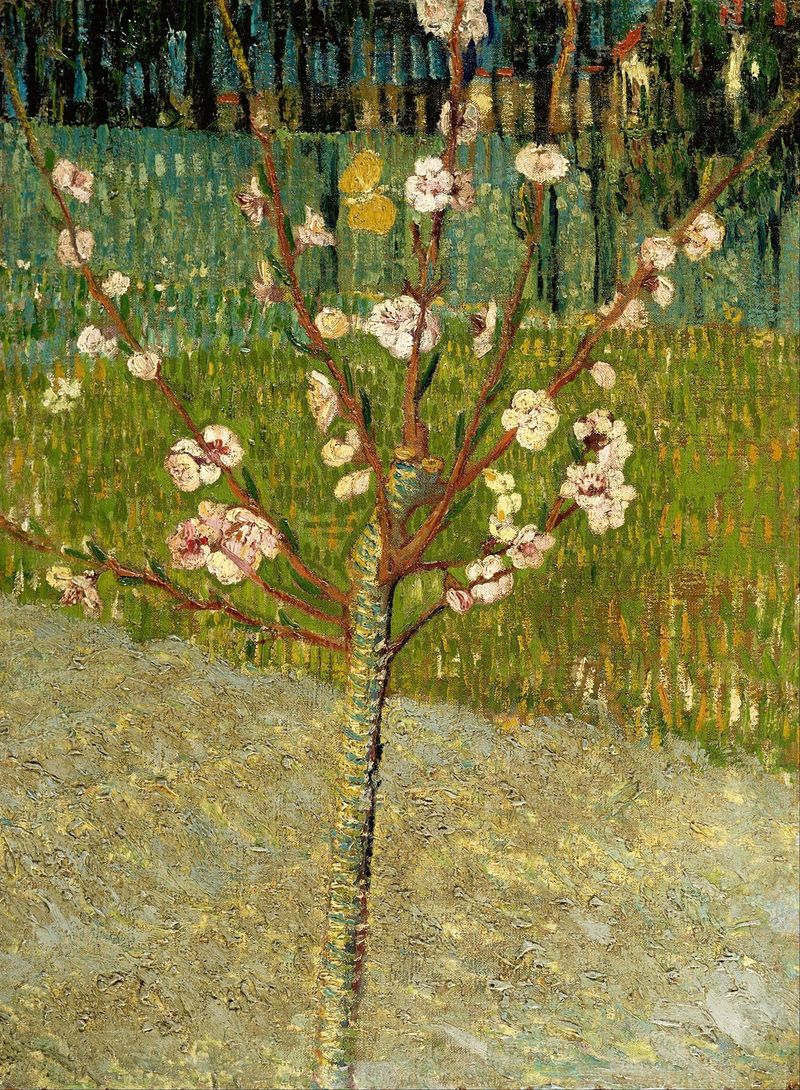
Almond tree in blossom
Vincent van Gogh

Portrait of Dr Gachet
Vincent van Gogh

The Church in Auvers-sur-Oise, View from the Chevet
Vincent van Gogh

Self-Portrait
Vincent van Gogh





