
Green Wheat Field with Cypress — History & Facts
In this symmetry of color and emotion, awakening echoes from the strokes of an artist’s brush, capturing the essence of rebirth in a landscape that breathes life. Look to the foreground, where undulating waves of verdant wheat dance beneath the caress of the wind. Notice the vibrant greens, the golds of sun-kissed grain, and the unexpected pops of deep blue in the cypress trees that rise like sentinels against the horizon. The composition draws the eye inward, leading us into the expressive brushwork that blurs the lines between reality and imagination, suggesting movement and energy with every stroke. At first glance, the scene radiates tranquility, yet beneath the surface lies a juxtaposition: the cypress, a symbol of mourning and eternity, stands in stark contrast to the fleeting nature of the wheat crop swaying in the breeze.
This tension between life and loss, between the fleeting and the eternal, invites reflection on the cycles of nature and human emotion. Each stroke pulsates with a sense of awakening, encouraging a dialogue on the beauty found in transience. In 1889, the artist created this piece in the asylum at Saint-Rémy-de-Provence, where he sought refuge amidst his mental struggles. During this time, the world of art was evolving, embracing Impressionism and Post-Impressionism.
It was within this fertile ground that he explored color, emotion, and the profound relationship between observer and landscape, solidifying his legacy in the art world.
More Artworks by Vincent van Gogh
Browse all →
Starry Night
Vincent van Gogh

The Bedroom
Vincent van Gogh
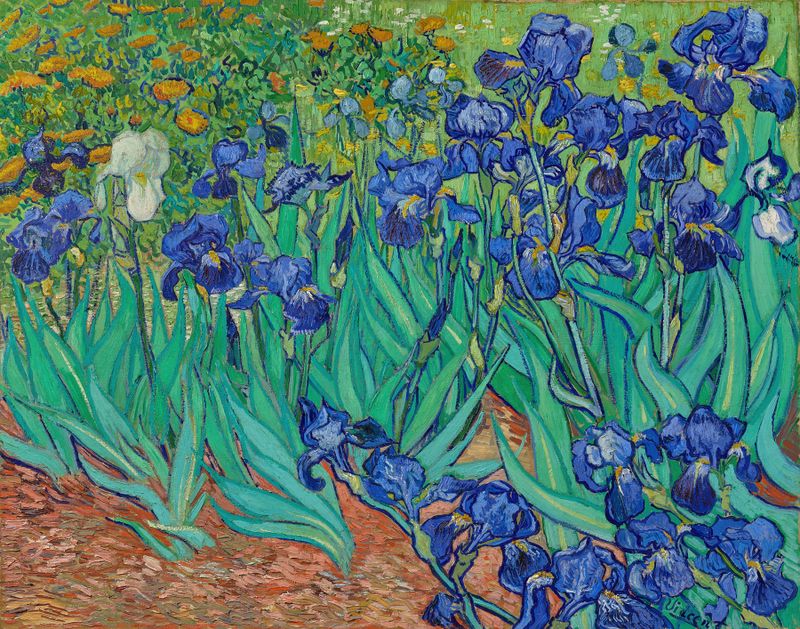
Irises
Vincent van Gogh
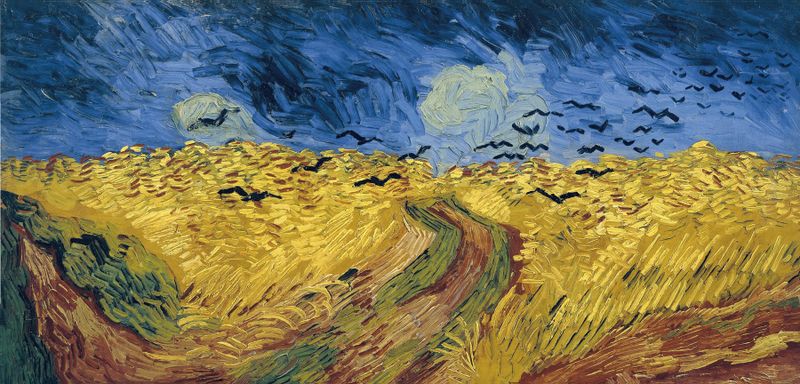
Wheatfield with Crows
Vincent van Gogh
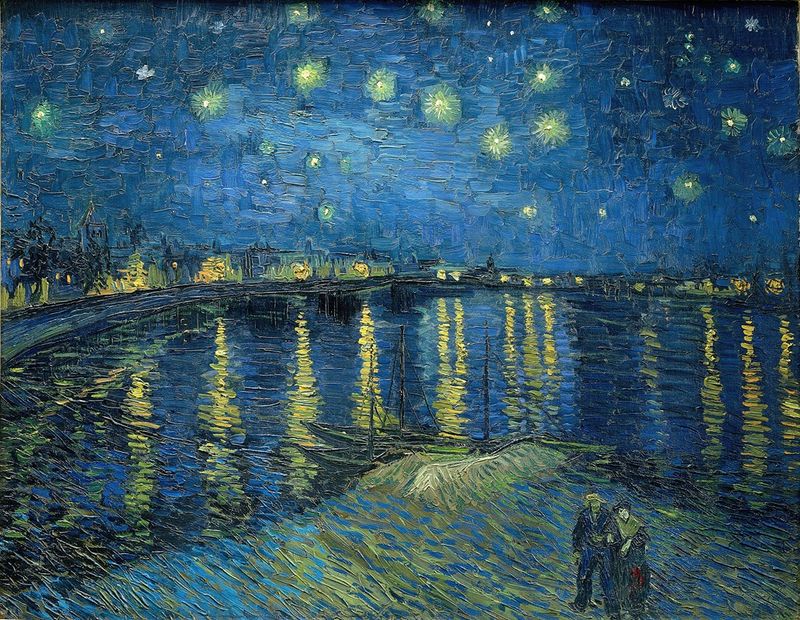
Starry Night over the Rhone
Vincent van Gogh

The yellow house
Vincent van Gogh
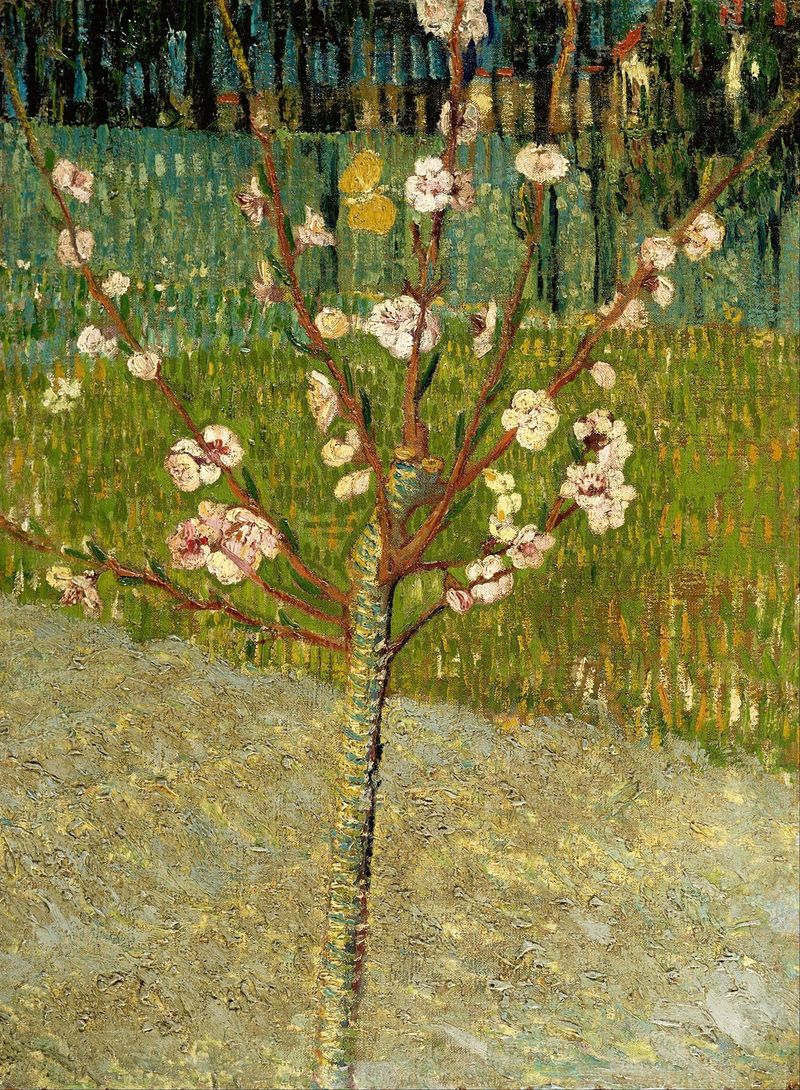
Almond tree in blossom
Vincent van Gogh

Portrait of Dr Gachet
Vincent van Gogh

The Church in Auvers-sur-Oise, View from the Chevet
Vincent van Gogh

Self-Portrait
Vincent van Gogh





