
Green Wheat Fields, Auvers — History & Facts
Can beauty exist without sorrow? In the lush expanse of Green Wheat Fields, Auvers, the interplay of vibrant greens and muted earth tones raises this haunting question, inviting viewers to explore the fragile balance between joy and despair. Focus on the rolling fields that stretch across the canvas, where the verdant blades of wheat sway gently beneath a canopy of sky. Notice how the brushstrokes pulse with life, capturing the very essence of movement and growth. The light dances across the scene, illuminating the richness of the greens while casting shadows that hint at an underlying tension.
The horizon, painted with a soft gradient, draws the eye deeper into the landscape, creating an immersive experience that feels both expansive and intimate. Yet, amidst this beauty resides an undeniable fragility. The juxtaposition of the flourishing wheat against a turbulent sky suggests a fleeting moment, one that might soon give way to storms. This contrasts with the artist’s own emotional turmoil, hinting at the weight of his struggles even in the face of such vibrant life.
Each stroke embodies a mix of hope and melancholy, reflecting the artist's mental state and his perception of a world teetering between light and dark. In June 1890, as van Gogh painted this work in Auvers-sur-Oise, he grappled with his declining mental health, seeking solace in the beauty of the French countryside. It was a time when he stood at the brink of despair, yet his art flourished, capturing both the serenity and turbulence of life. This painting encapsulates that moment, blending his genius with his anguish, forever intertwining beauty with sorrow.
More Artworks by Vincent van Gogh
Browse all →
Starry Night
Vincent van Gogh
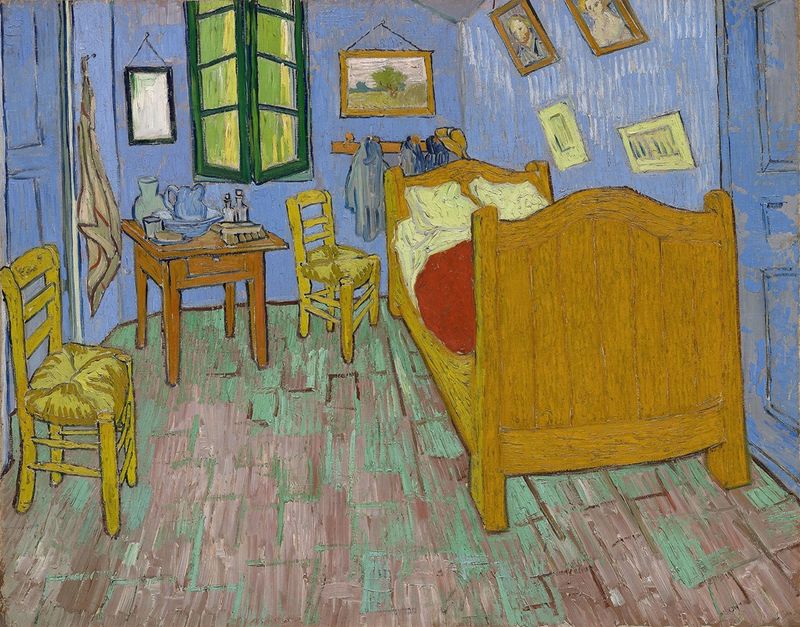
The Bedroom
Vincent van Gogh
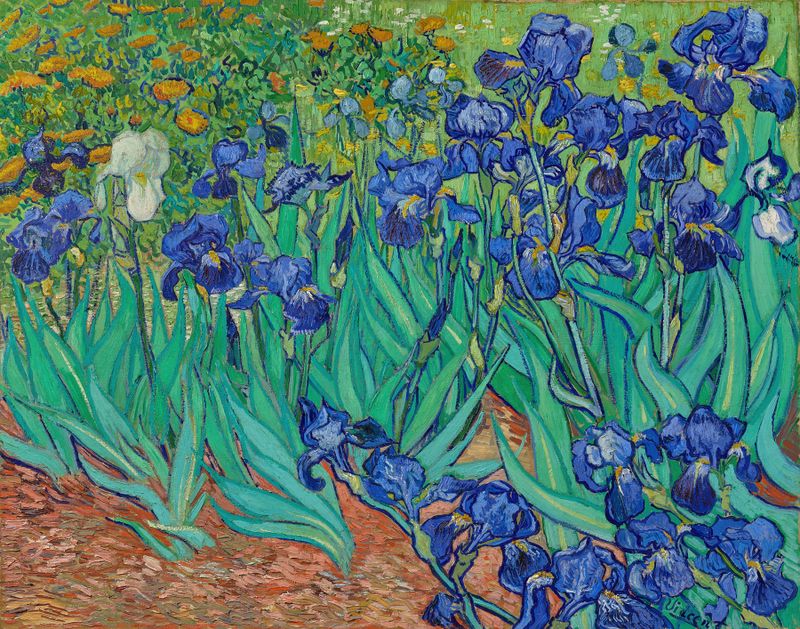
Irises
Vincent van Gogh
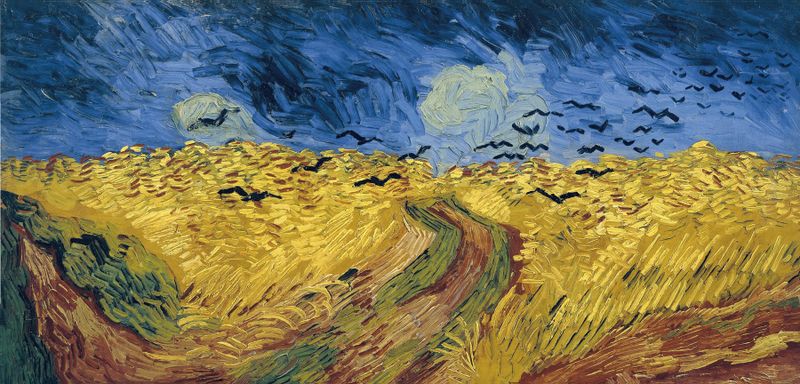
Wheatfield with Crows
Vincent van Gogh
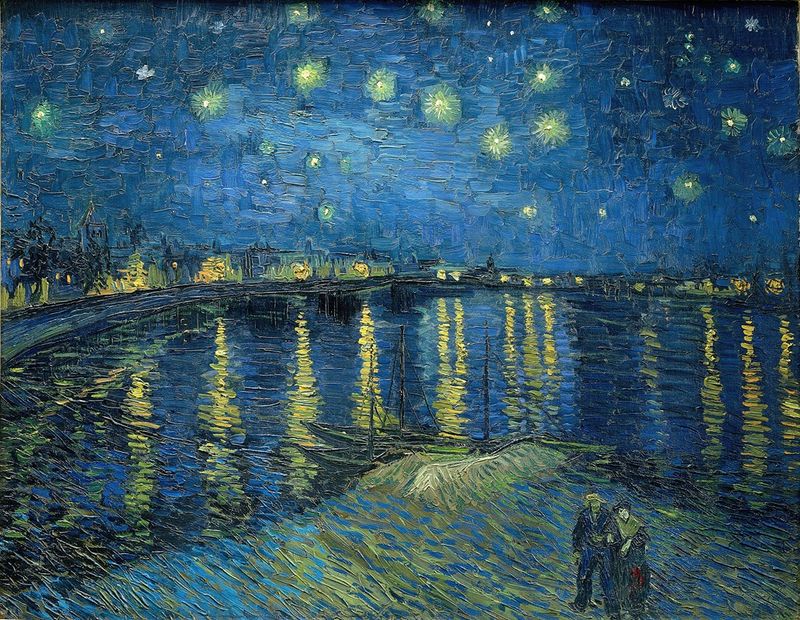
Starry Night over the Rhone
Vincent van Gogh

The yellow house
Vincent van Gogh
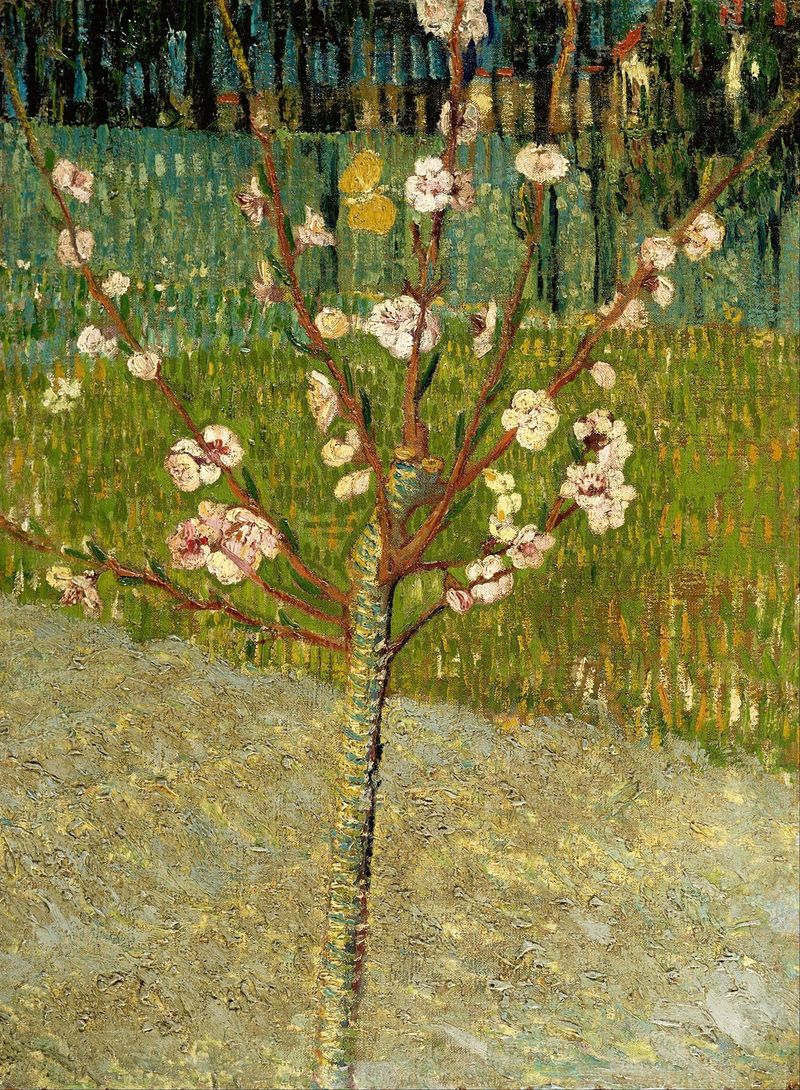
Almond tree in blossom
Vincent van Gogh

Portrait of Dr Gachet
Vincent van Gogh

The Church in Auvers-sur-Oise, View from the Chevet
Vincent van Gogh

Self-Portrait
Vincent van Gogh





