
Gresten — History & Facts
In Franz Alt's Gresten, the essence of divinity breathes through the canvas, inviting contemplation and reflection. The painting transcends mere representation, merging the earthly with the celestial. Look to the vibrant greens and blues that dominate the landscape, harmonizing with delicate strokes of gold. The eye is drawn first to the radiant sky, where ethereal clouds dance gracefully over the horizon.
Notice how the light captures the contours of the trees below, casting shadows that suggest both the passage of time and the sacred interplay between nature and spirit. The composition is meticulously balanced, with each element positioned as if in prayer, yearning for transcendence. Within this serene scene, hidden tensions emerge. The contrast between the lush, earthly greens and the ethereal blues evokes a dialogue between the material world and spiritual realms.
The gentle curves of the landscape cradle a sense of peace, yet the layers of color speak to the complexity of existence — beauty intertwined with fleeting moments of joy and sorrow. Each detail, from the soft brushwork to the radiant light, reflects a yearning for connection with something greater. Franz Alt painted Gresten in 1903 during a period when he sought to capture the elusive qualities of light and atmosphere influenced by the Austrian landscape. His focus shifted towards the interplay of color, contributing to the burgeoning movement of Impressionism.
As societal changes swept through Europe, Alt’s work became a meditation on the divine in nature, capturing the essence of a world simultaneously in transition and deeply rooted in the sublime.
More Artworks by Franz Alt
Browse all →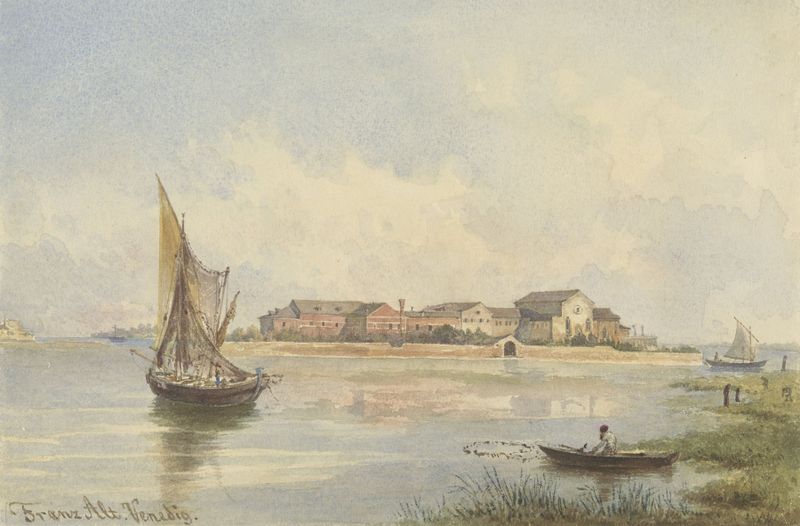
Gezicht op de Lagune te Venetië
Franz Alt
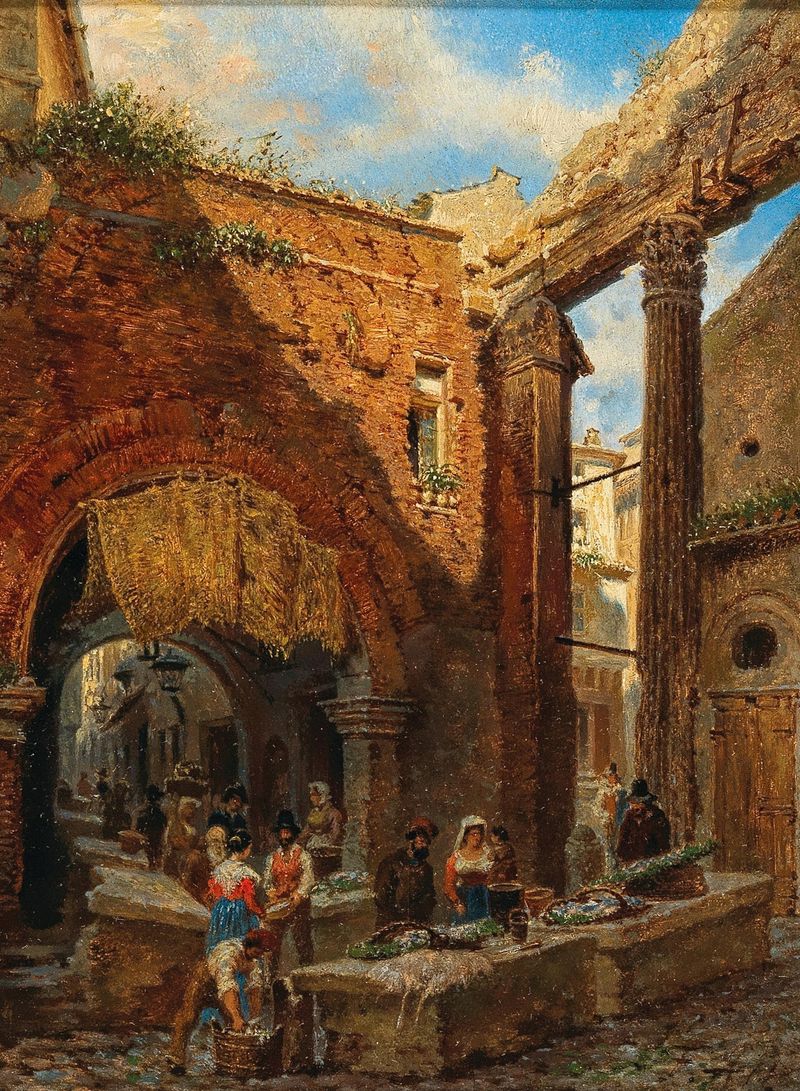
Rom Portico di Ottavia mit dem alten Fischmarkt
Franz Alt
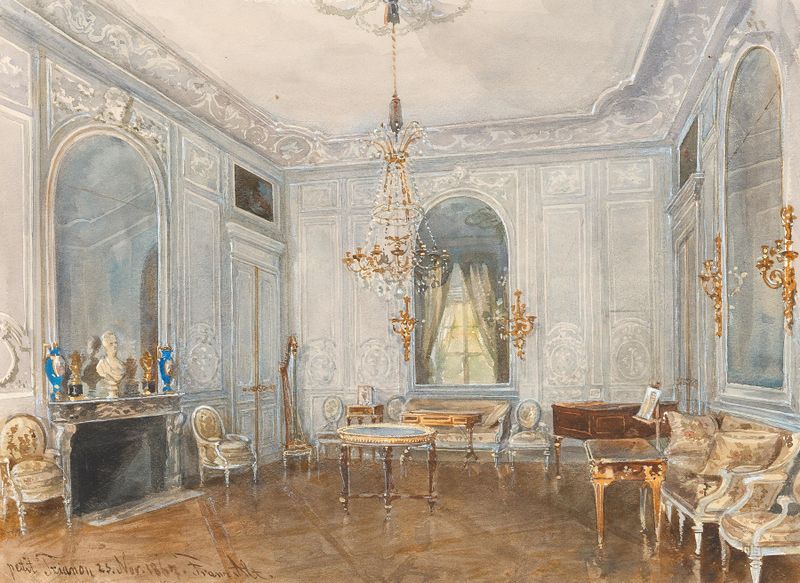
The dining room in the Petit Trianon, Versailles
Franz Alt

Blick in den Mailänder Dom
Franz Alt

Galerie d’Apollon in the Louvre, Paris
Franz Alt
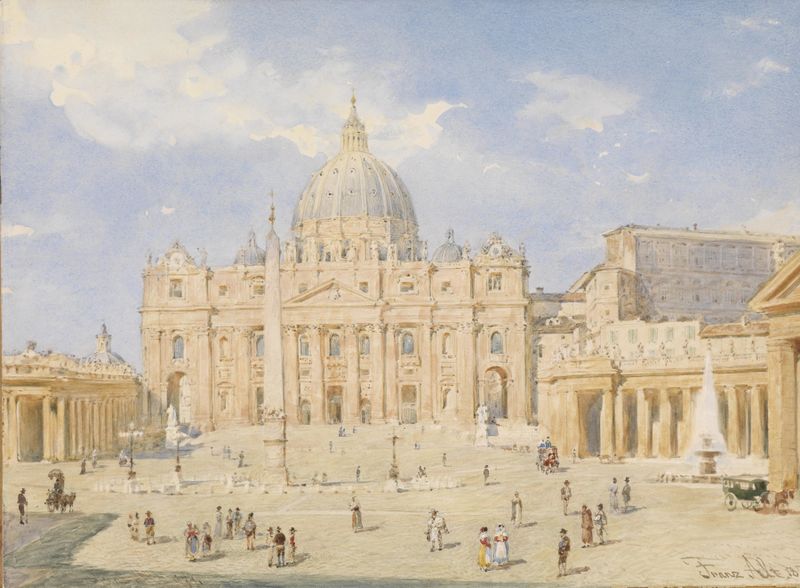
Petersplatz Rom
Franz Alt

Rome, a View of the Portico di Ottavia with the Old Fish Market
Franz Alt
Blick auf die Karlskirche
Franz Alt

Dresden Stiege zur Brühlschen Terrasse
Franz Alt
Castello Reale in Turin
Franz Alt





