H. Joris en de draak — History & Facts
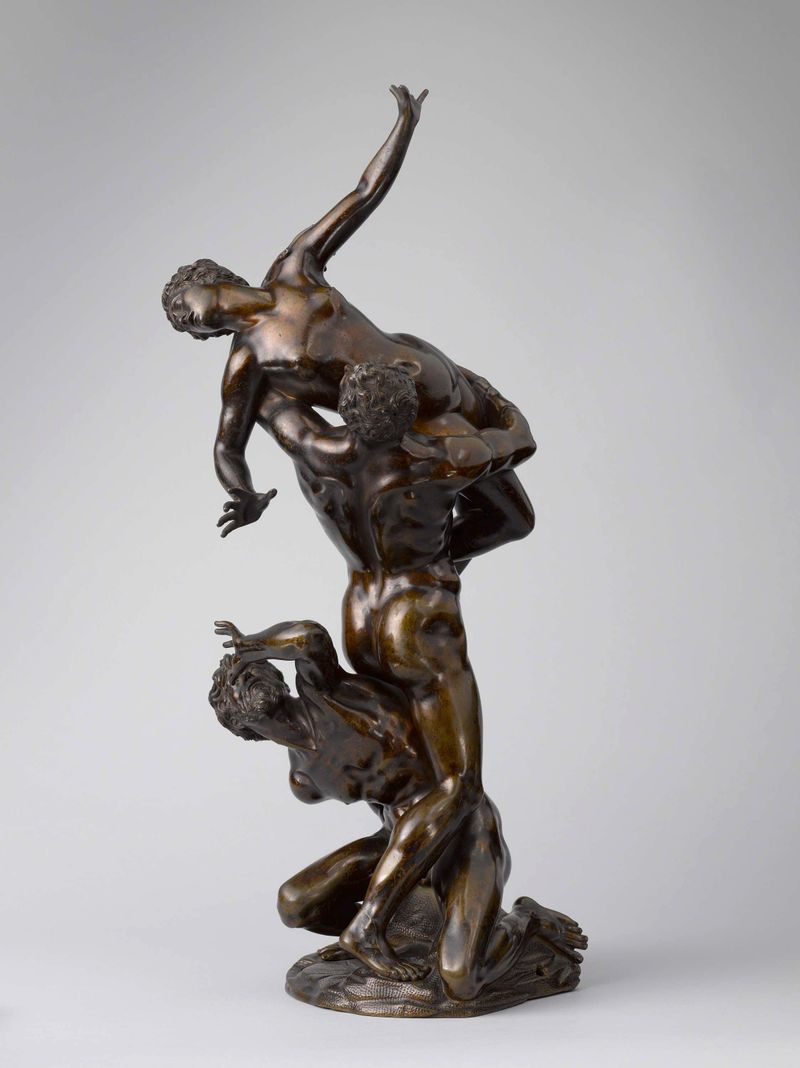
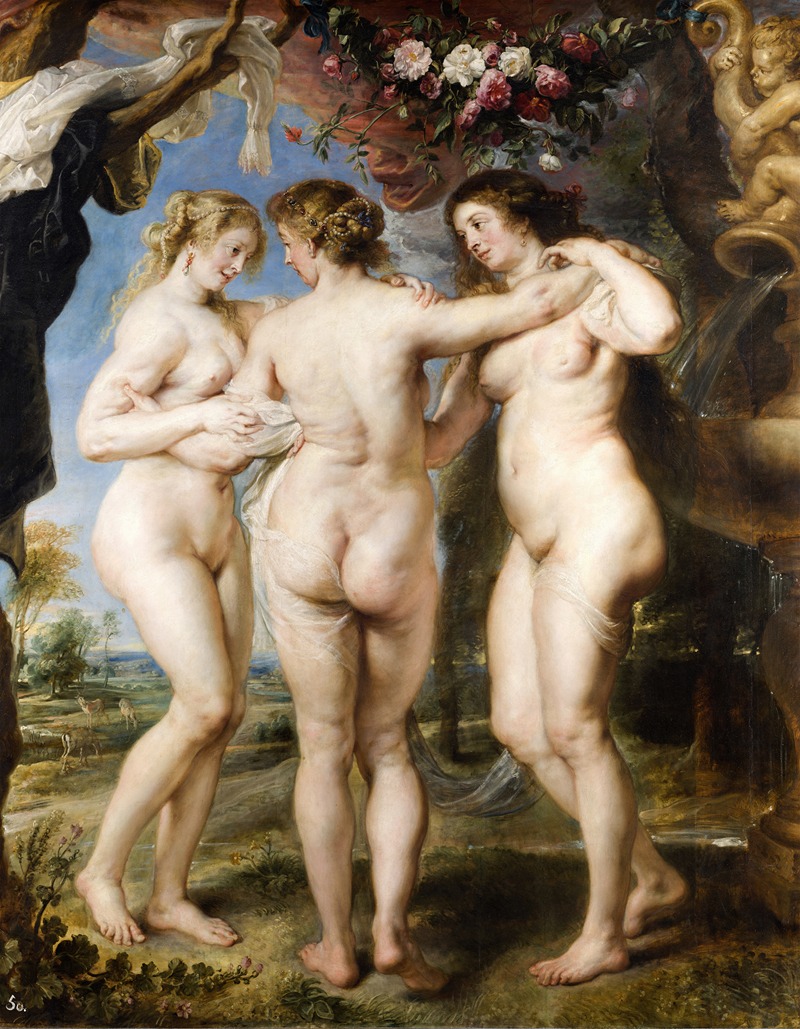
Can paint confess what words never could? In H. Joris en de draak, Wenceslaus Hollar captures a moment laced with treachery, where the looming figure of the dragon embodies the darker facets of human betrayal. Look to the center — there, a frightened figure clutches a sword, its blade catching the light with an almost ethereal glow. The shadow of the dragon stretches ominously behind him, its scales intricately detailed and shimmering like a tempestuous night.
Notice the surrounding landscape, an interplay of dark and light hues that emphasize the shifting tension; deep greens and browns contrast with the pale, spectral figure, heightening the sense of dread. Each stroke breathes life into this confrontation, grounding the viewer in a world both surreal and strikingly vivid. The dragon, a symbol of betrayal, threatens not just physically but emotionally, suggesting the treachery that lies within. The fear etched on the figure's face speaks volumes about vulnerability and the internal struggle against a predatory force.
This juxtaposition between the passive fear of the warrior and the fierce, chaotic energy of the dragon reveals an undercurrent of struggle — a battle not just against an external foe, but against an insidious betrayal that lingers unseen. Wenceslaus Hollar created this work in 1642 during his time in England, having fled the Thirty Years' War in Europe. The period was marked by upheaval and conflict, both politically and artistically, as the Baroque style began to flourish. This painting reflects not only personal challenges faced by the artist but also the larger turmoil of a society grappling with trust, loyalty, and the cost of conflict.
More Artworks by Wenceslaus Hollar
Browse all →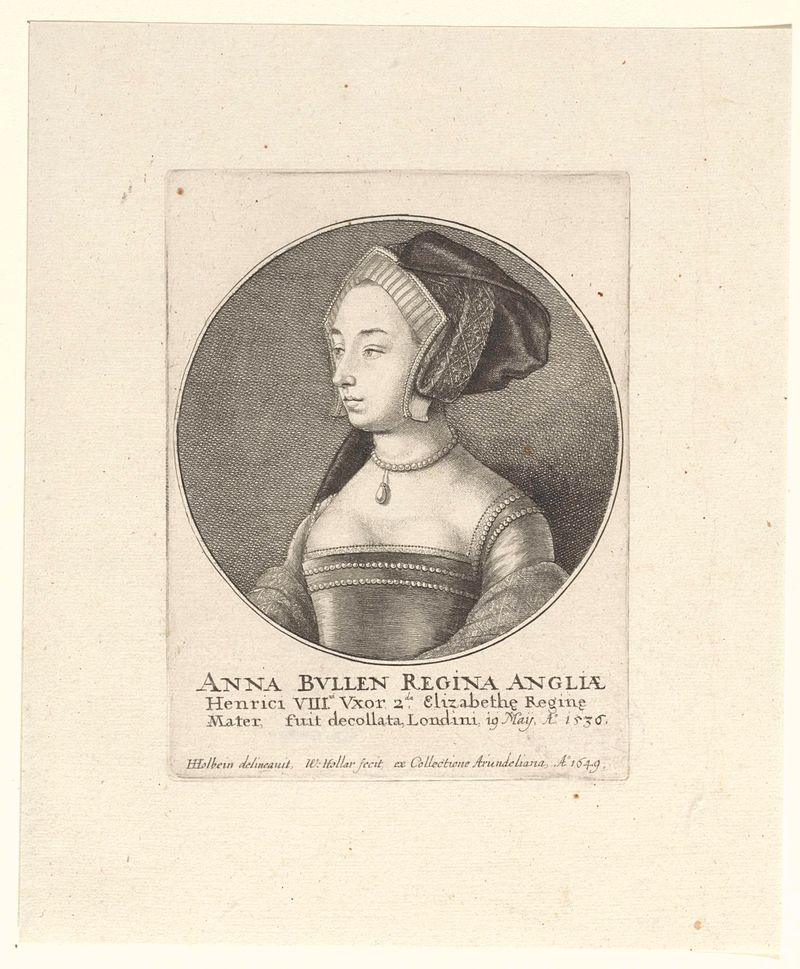
Portret van Anna Boleyn, koningin van Engeland
Wenceslaus Hollar
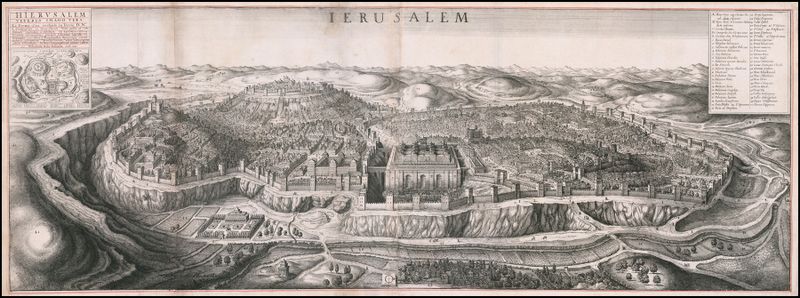
Bird’s eye view of Jerusalem
Wenceslaus Hollar
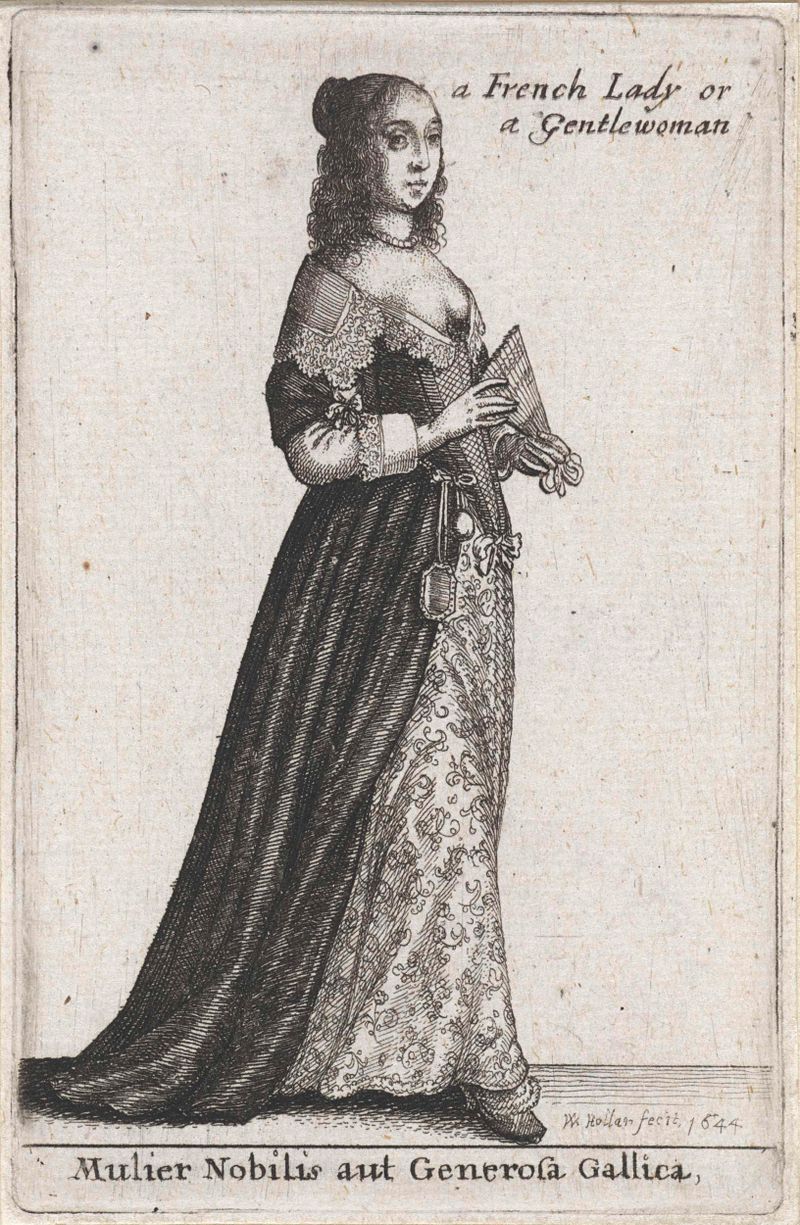
Mulier Nobilis aut Generosa Gallica / a French Lady or Gentlewoman
Wenceslaus Hollar
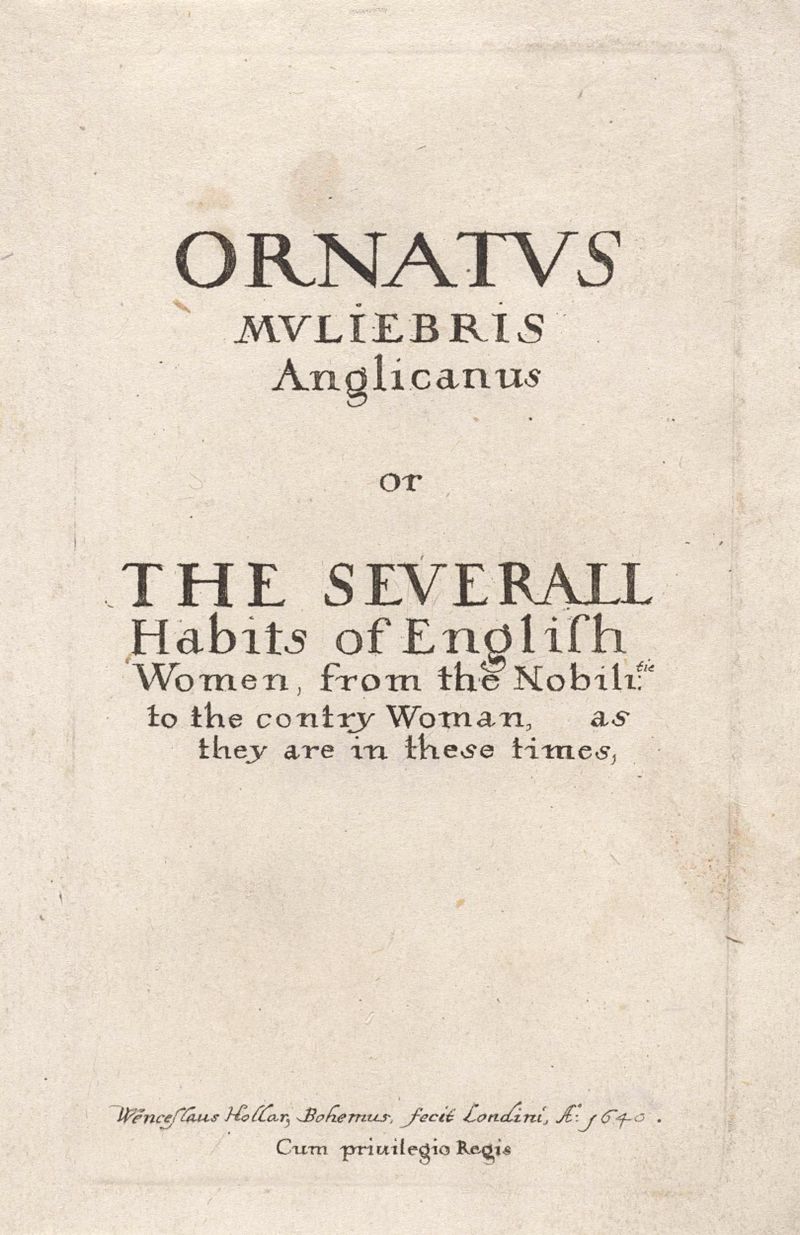
Titelprent voor: Ornatus Muliebris Anglicanus
Wenceslaus Hollar
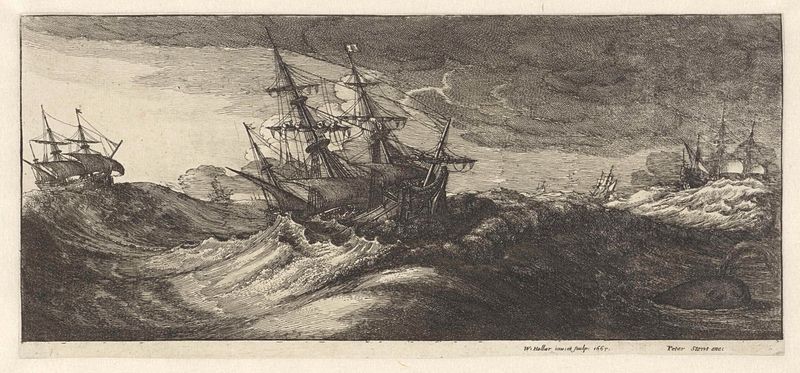
Oorlogsschepen en een walvis in een zeestorm
Wenceslaus Hollar
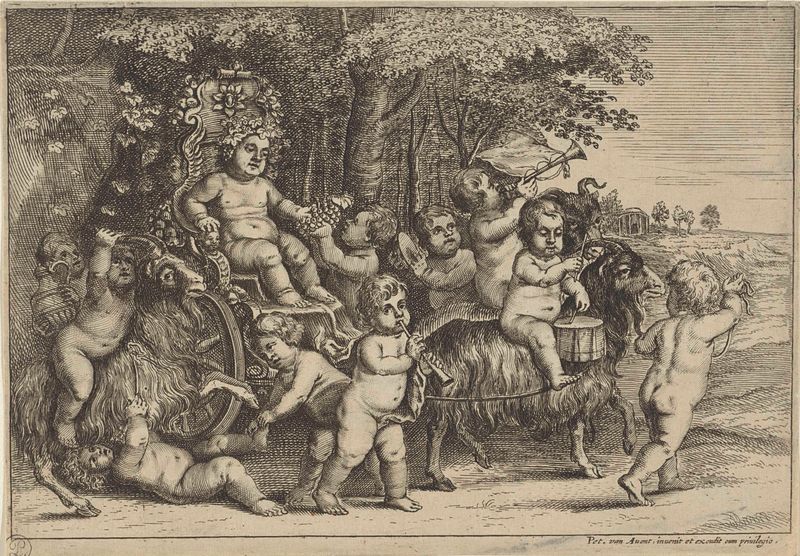
Optocht van bacchant en jongetjes op geiten
Wenceslaus Hollar
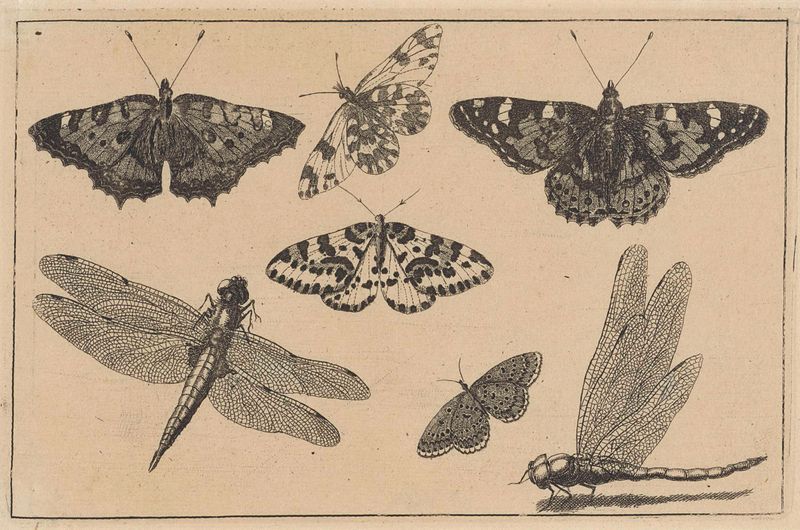
Twee libellen en vijf vlinders
Wenceslaus Hollar
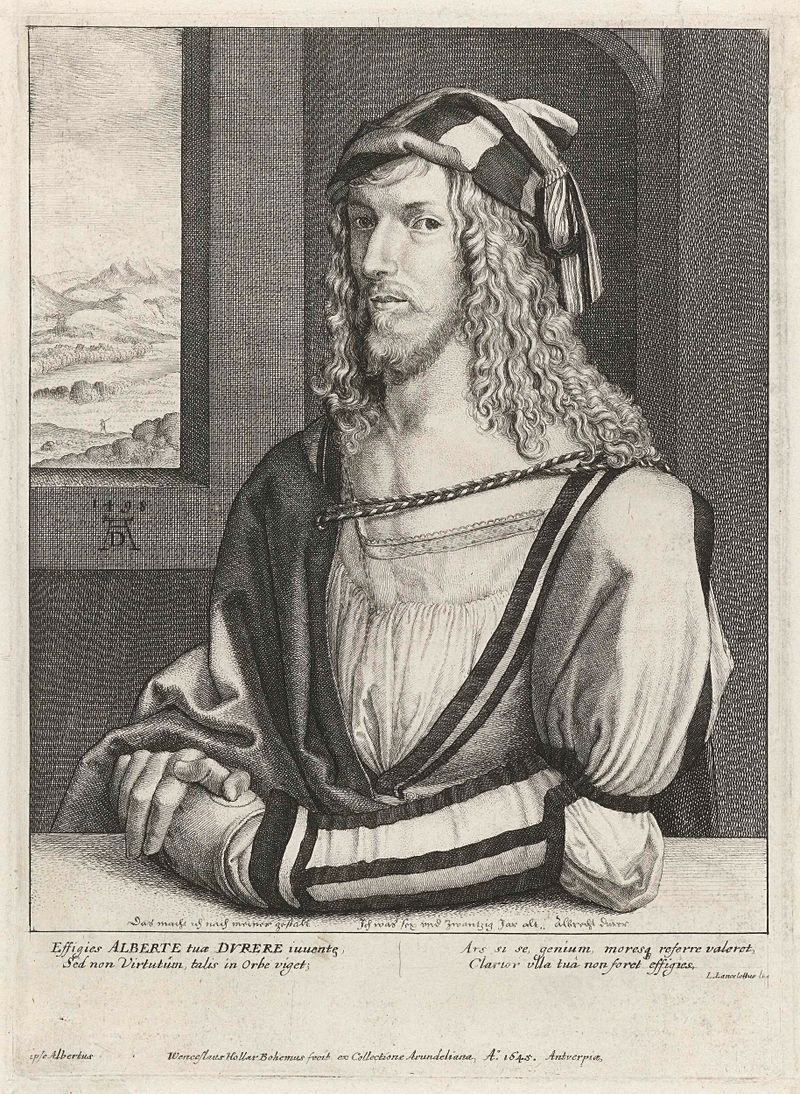
Portret van Albrecht Dürer
Wenceslaus Hollar
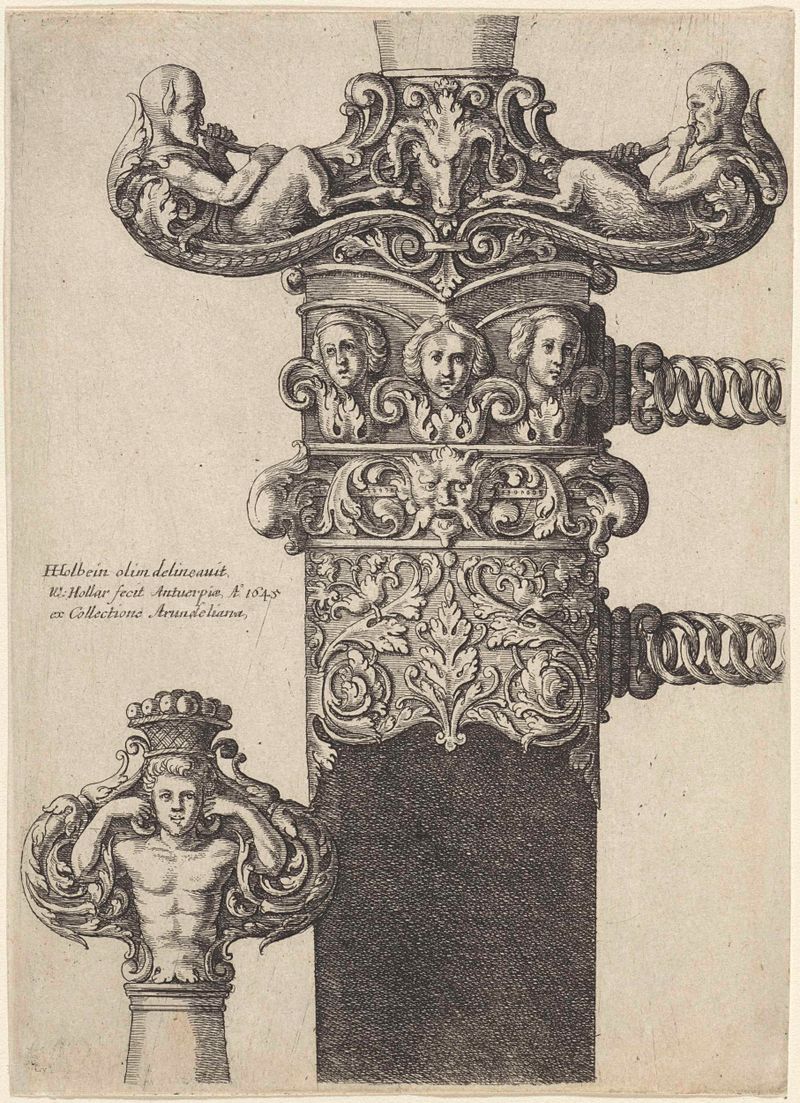
Ornamenteel ontwerp voor een dolk
Wenceslaus Hollar
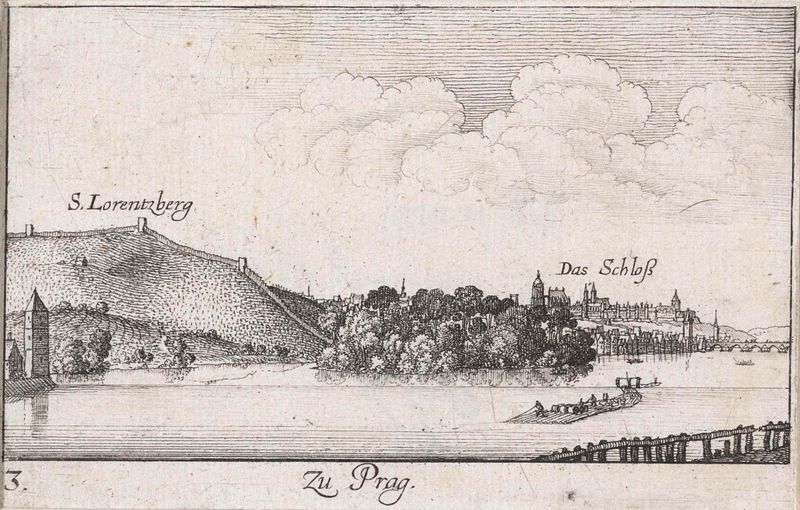
Gezicht op Praag vanaf de Moldau
Wenceslaus Hollar