
Halt of a traveler — History & Facts
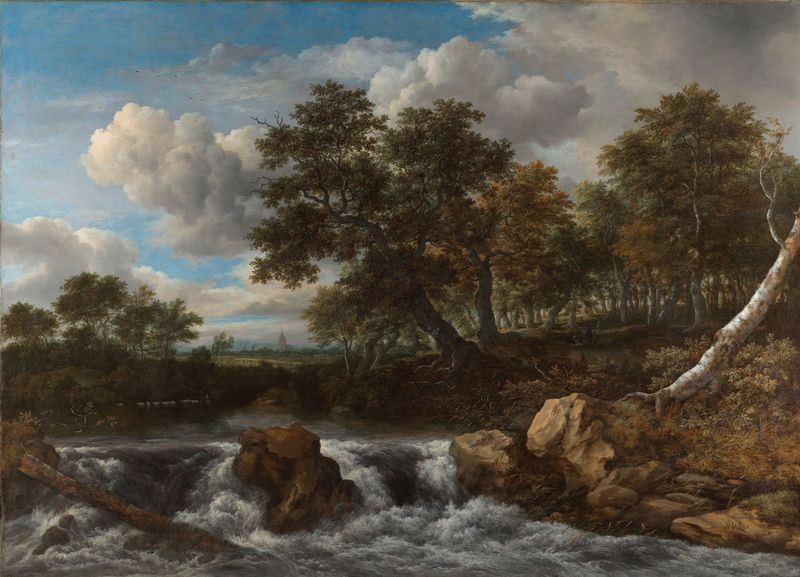
Could a single brushstroke hold eternity? In Halt of a Traveler, the quiet violence of nature is captured with an intensity that compels introspection. Every element speaks not just to beauty, but to the raw and sometimes brutal force of the environment. Focus first on the lone figure paused amidst a vast, sweeping landscape. Notice how the traveler stands at the edge of a tumultuous path, his silhouette sharp against the billowing clouds above.
The contrasting colors—deep greens and browns of the earth juxtaposed with the stormy grays of the sky—create a tension that feels palpable. The brushwork, precise yet dynamic, draws the eye into the heart of the scene, encouraging one to explore every detail, from the delicate grasses swaying in the wind to the ominous shadows lurking behind the hills. As you delve deeper, consider the emotional weight of isolation and uncertainty; the traveler faces not just the journey ahead but an impending storm. The wildness of the landscape reflects inner turmoil, mirroring human vulnerability against nature’s formidable forces.
Here, the serene beauty is laced with a sense of danger, suggesting that every journey is fraught with struggle and that peace is often but a fleeting moment. Jacob van Ruisdael painted during the Dutch Golden Age, a time marked by remarkable advancements in landscape painting. Working around the mid-17th century, he was influenced by both the realism of his contemporaries and the dramatic landscapes of his predecessors. His unique approach to capturing atmospheric effects and diverse textures solidified his reputation, even as themes of turmoil and conflict began to surface in the art world around him.
More Artworks by Jacob van Ruisdael
Browse all →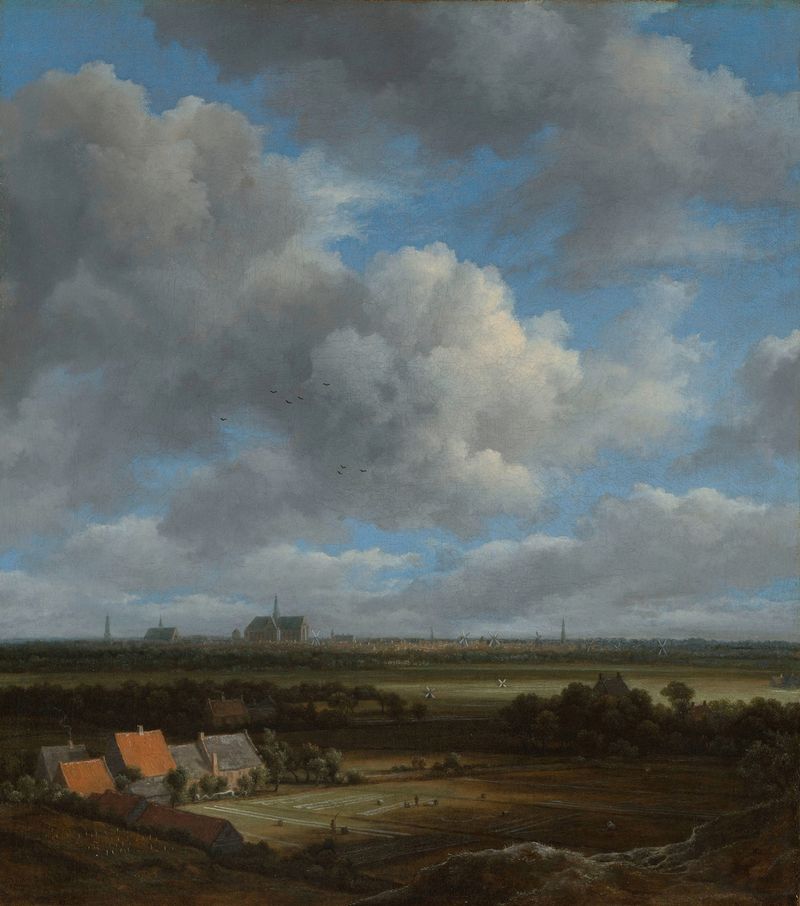
View of Haarlem from the Northwest, with the Bleaching Fields in the Foreground
Jacob van Ruisdael
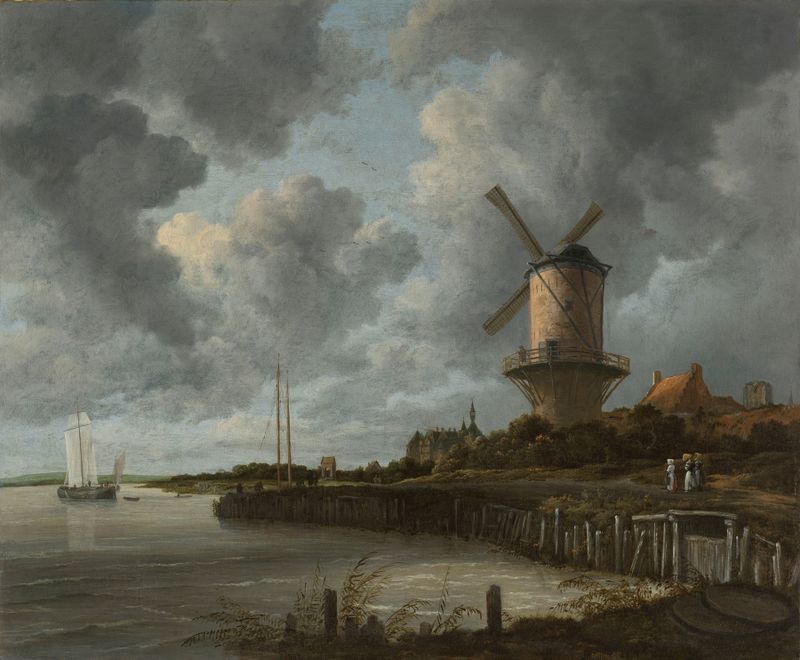
The Windmill at Wijk bij Duurstede
Jacob van Ruisdael
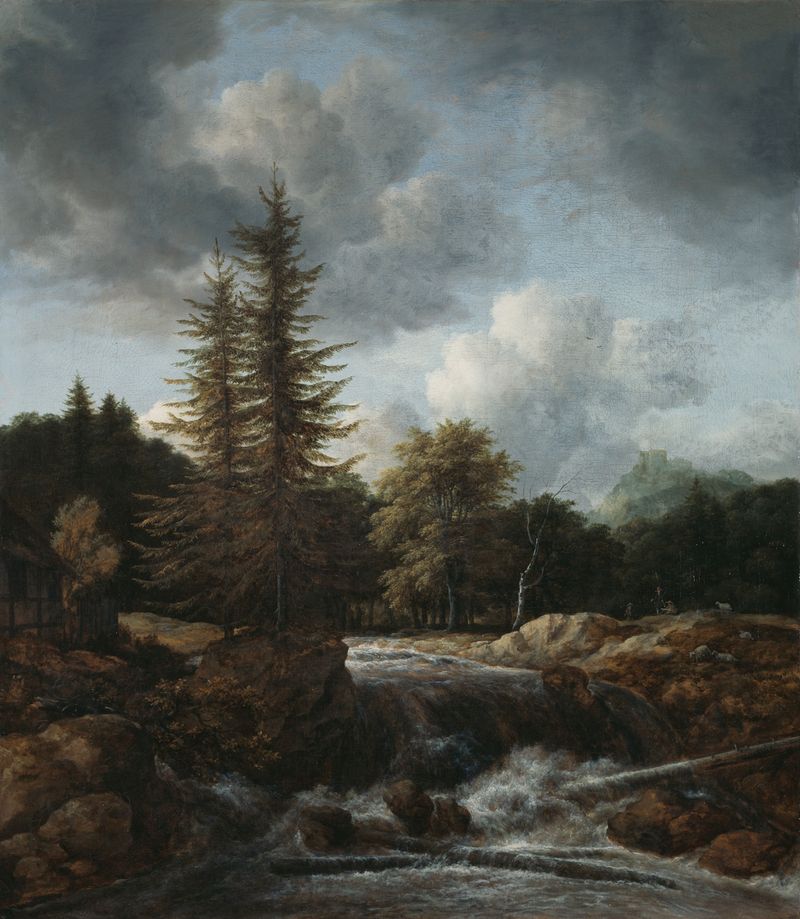
Landscape with Waterfall
Jacob van Ruisdael
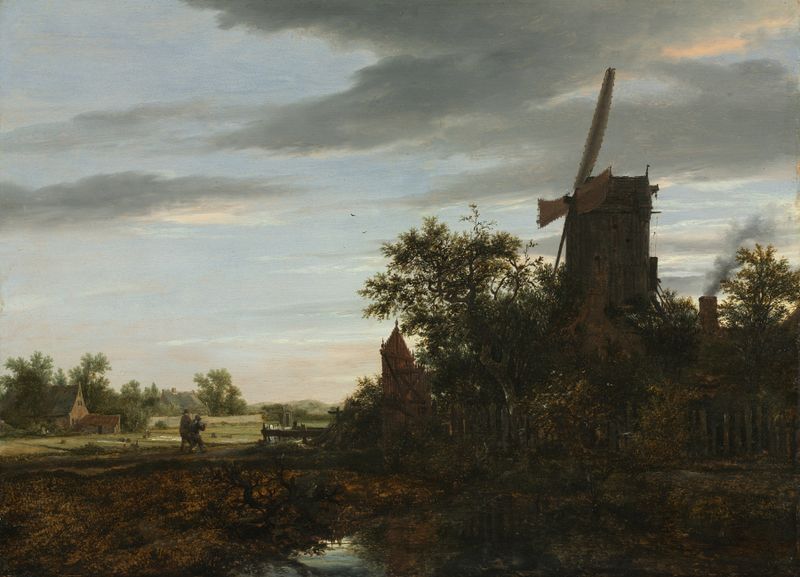
Landscape with a Windmill
Jacob van Ruisdael
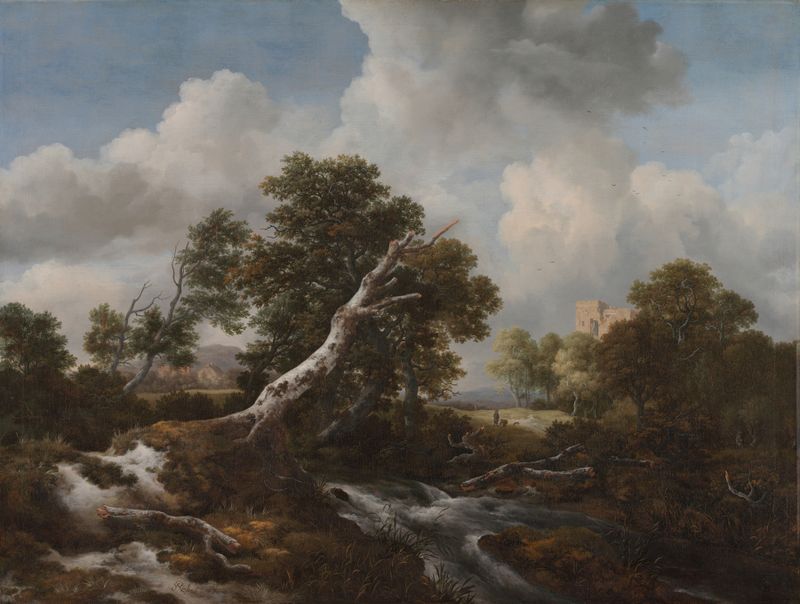
Low Waterfall in a Wooded Landscape with a Dead Beech Tree
Jacob van Ruisdael
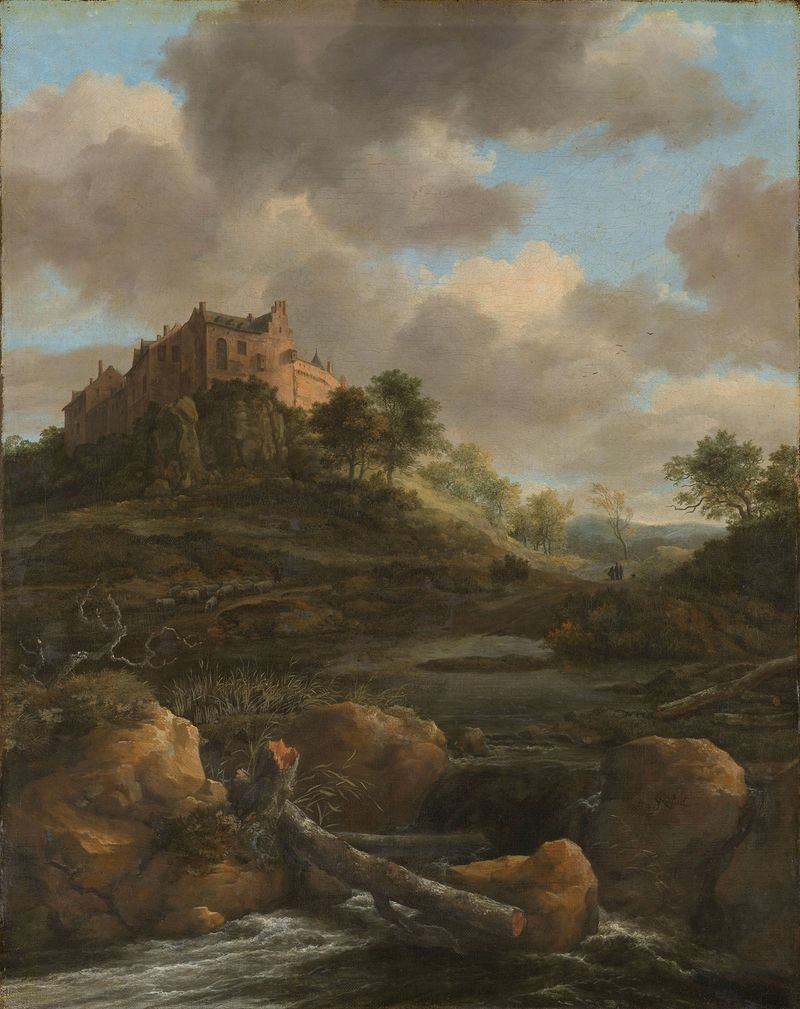
Bentheim Castle
Jacob van Ruisdael
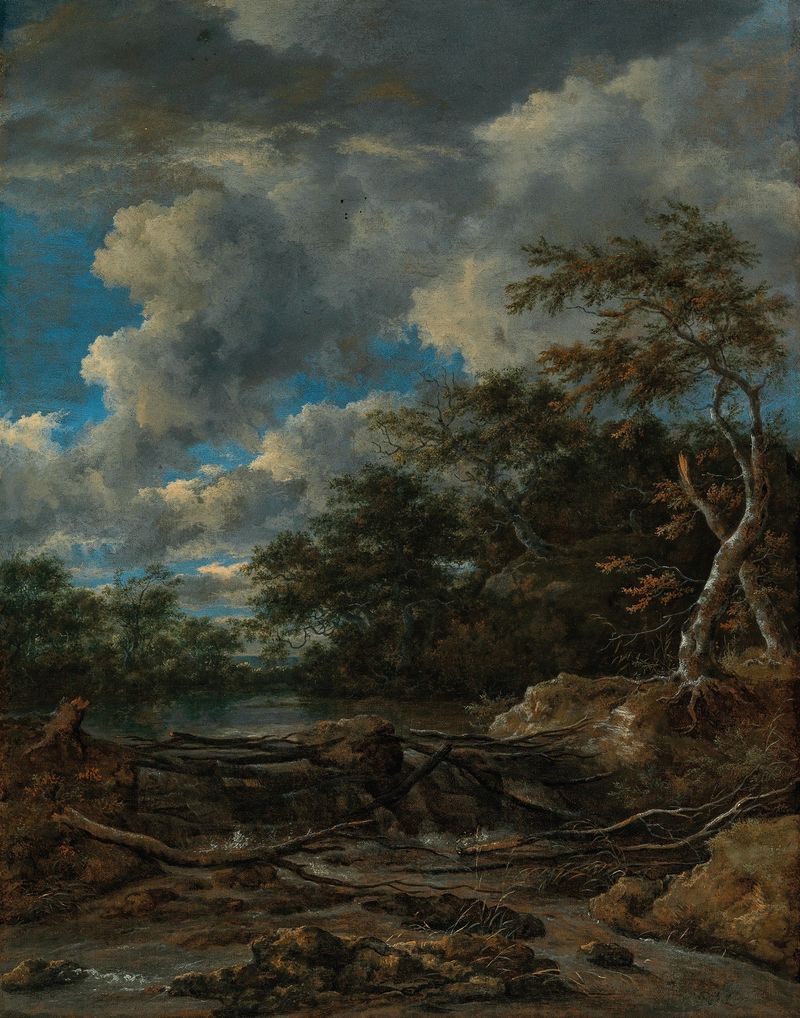
A wooded landscape with a waterfall
Jacob van Ruisdael
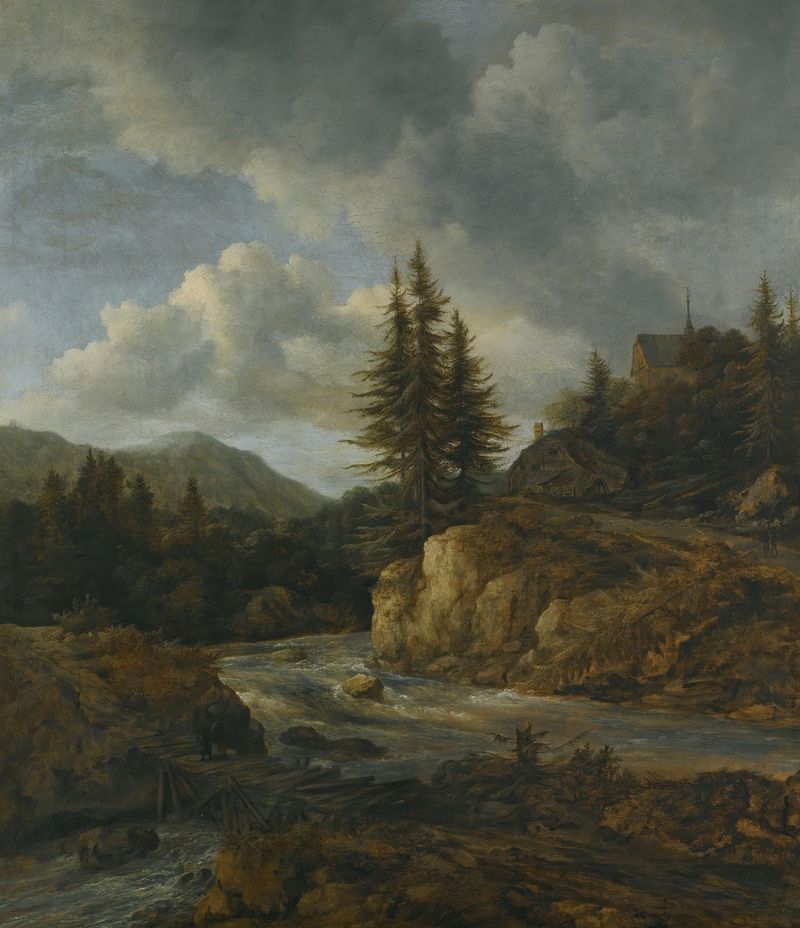
Northern Landscape With A Torrent
Jacob van Ruisdael

Landscape with the Ruins of the Castle of Egmond
Jacob van Ruisdael
Landscape with Waterfall
Jacob van Ruisdael





