
Hatpin Ballad (Hutnadelballade) — History & Facts
A woman in a hat so extravagant it nearly walks off the page—this is where Hatpin Ballad (Hutnadelballade) by Moriz Jung begins its sly performance. The image unfolds in comic-strip panels, each frame a snapshot of absurdity and social satire. The hat, crowned with a riot of feathers and anchored by a formidable hatpin, is not just a fashion statement but a protagonist in its own right, leading to a farcical confrontation with authority.
The exaggerated curves of the woman’s silhouette and the outsized drama of her accessories draw the viewer into a world where style becomes spectacle, and a simple gesture—a hatpin drawn—sets the whole scene in motion. Created in 1911, this print belongs to a moment when satire and illustration flourished in Central Europe, fueled by rapid changes in fashion, urban life, and the roles of women. The comic format and bold outlines echo the playful irreverence of Viennese Secessionist graphics, where artists like Moriz Jung poked fun at modern anxieties and everyday absurdities. Such prints were often published in magazines or as affordable art for the burgeoning middle class, capturing the humor and tensions of their time.
Now part of the Metropolitan Museum of Art’s collection, Hatpin Ballad survives as a lively fragment of its era—inviting us to linger over every detail, from the plume of feathers to the policeman’s bewildered stance.
More Artworks by Moriz Jung
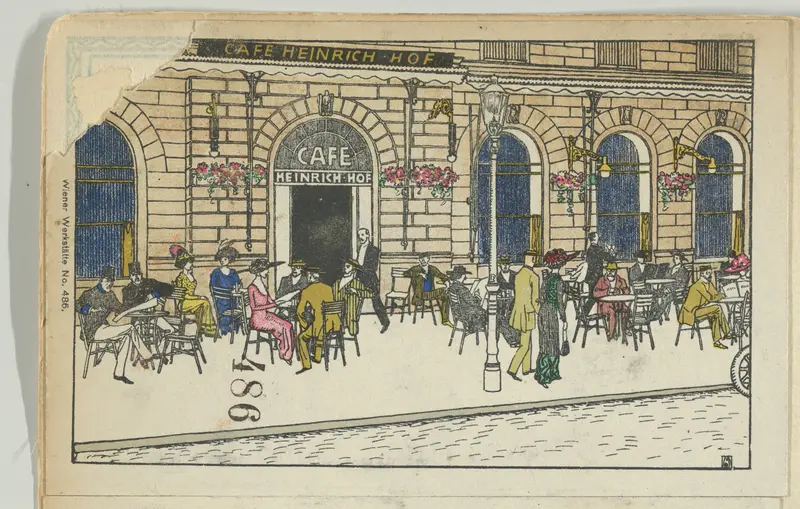
Café Heinrichhof
Moriz Jung

Moriz Jung Porträt
Moriz Jung
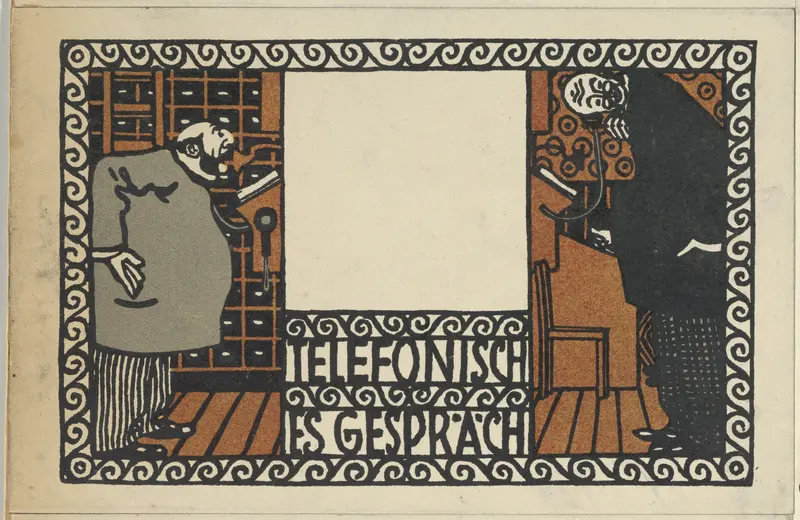
Telephone Conversation (Telefonisches Gespräch)
Moriz Jung
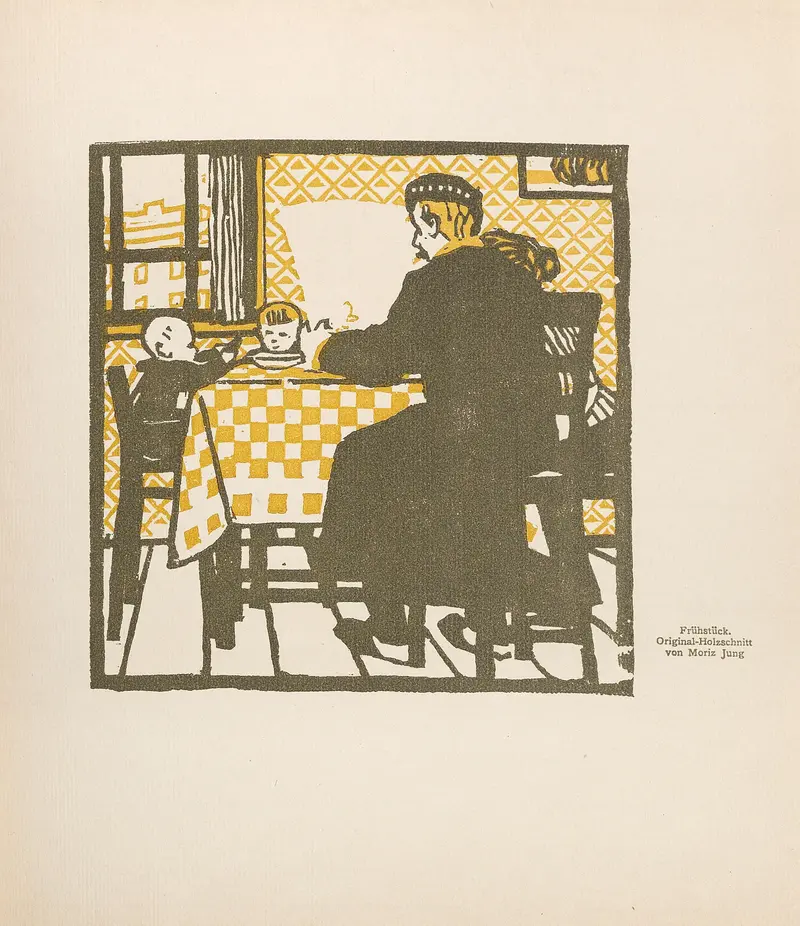
Moriz Jung Frühstück
Moriz Jung
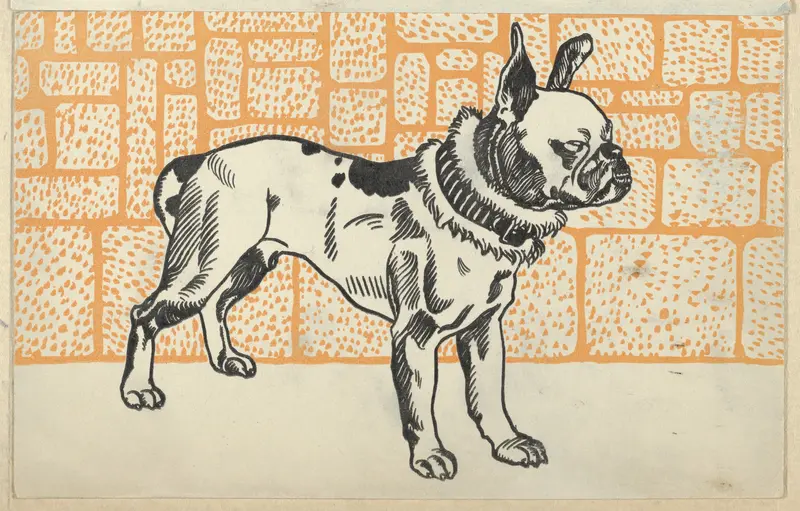
Pitbull Terrier
Moriz Jung
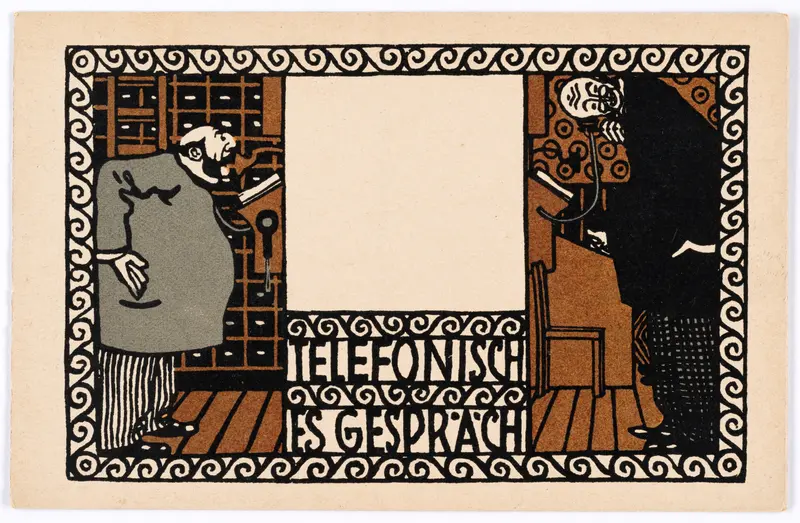
Postkarte der Wiener Werkstätte Nr. 58 - Telefonisches Gespräch
Moriz Jung
Postkarte der Wiener Werkstätte Nr. 58 - Telefonisches Gespräch - verso
Moriz Jung
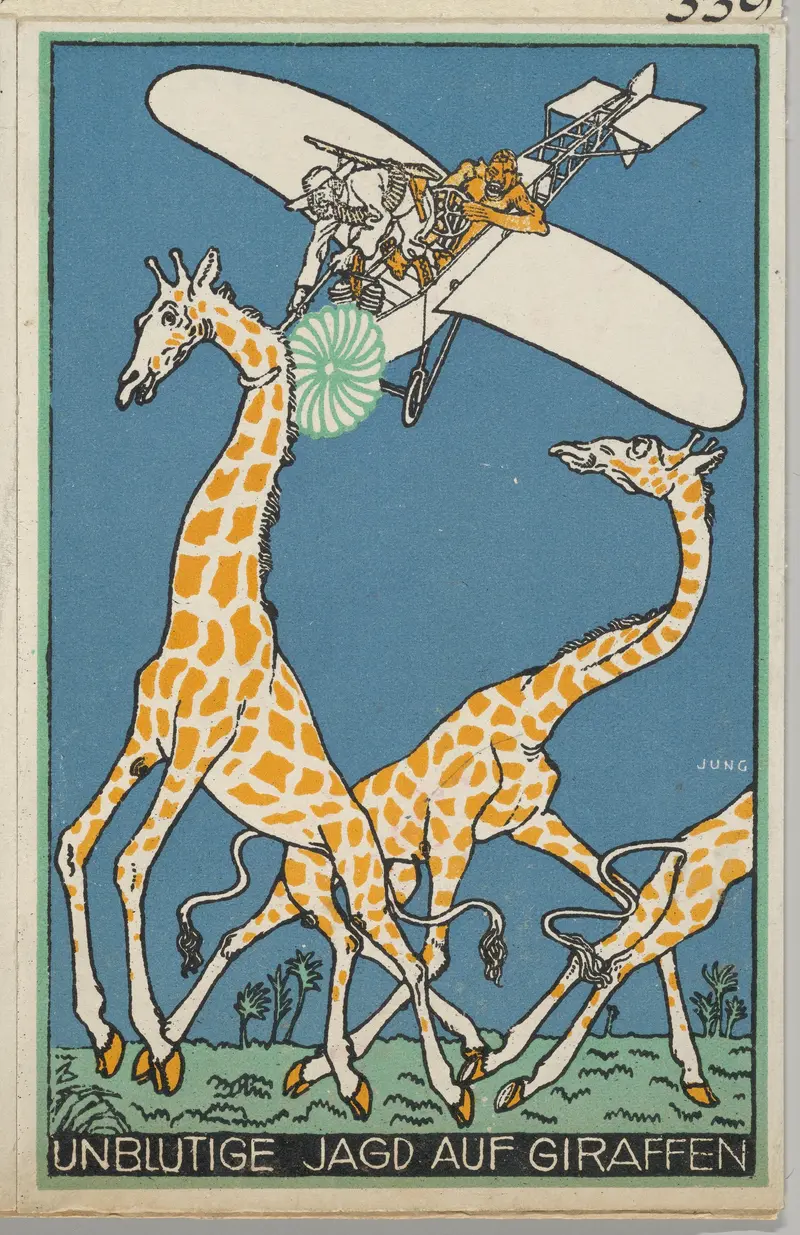
Bloodless Giraffe Hunt (Unblutige Jagd auf Giraffen)
Moriz Jung
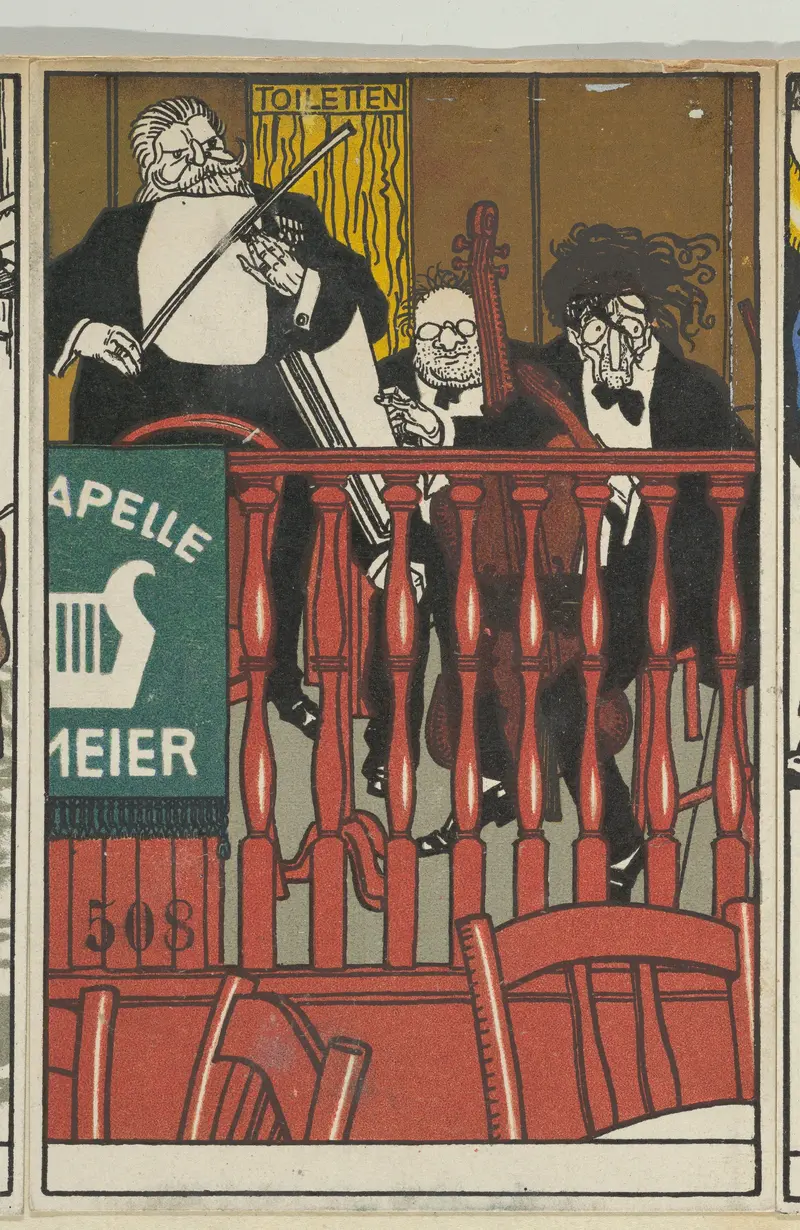
Salon Orchestra Meier
Moriz Jung
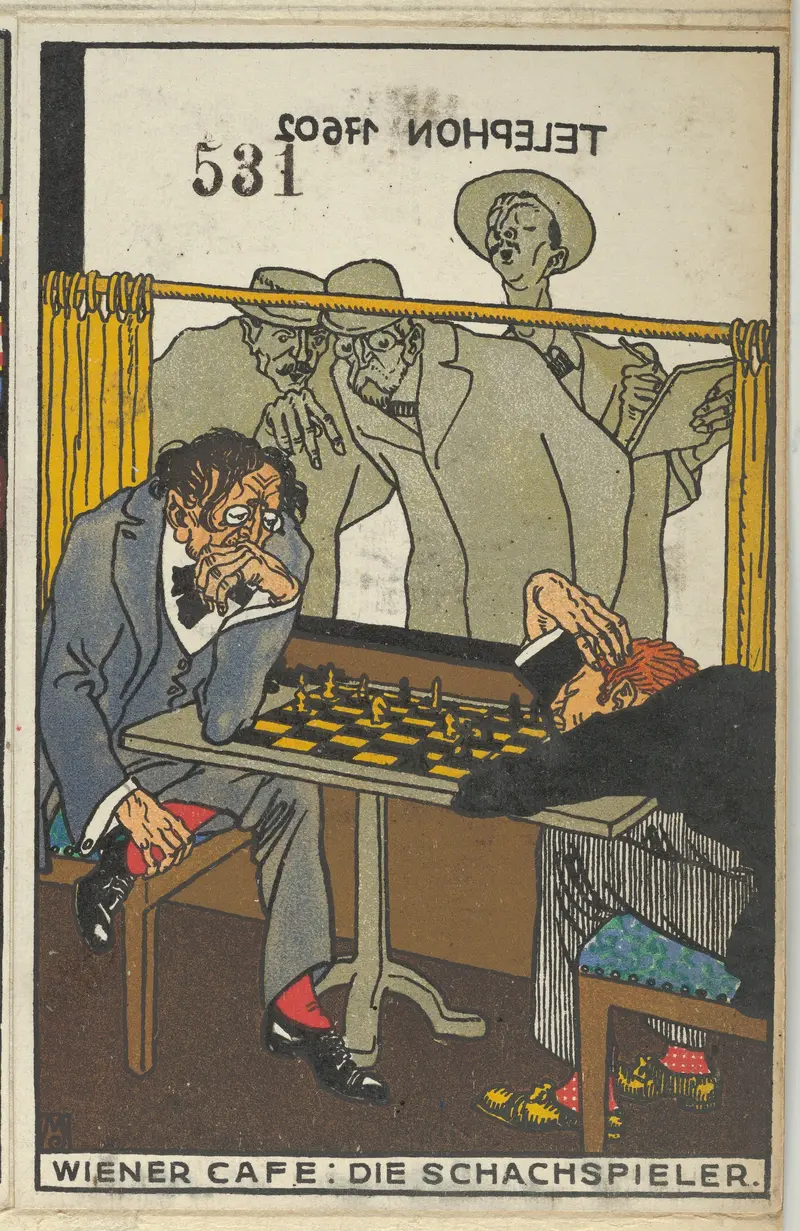
Wiener Café: Die Schachspieler
Moriz Jung





