
Head in Black and Green — History & Facts
A face emerges from the darkness, its planes cut and modeled not by gentle light, but by bold, unnatural color: acid green, bruised purple, and blood red. The gaze is direct, almost confrontational, the eyes set wide and deep beneath a heavy brow. Every brushstroke seems to pulse with energy, as if the head itself is alive with thought or feeling just beyond reach.
The background is a storm of muddy browns and blacks, pushing the mask-like visage forward, demanding attention. There is nothing incidental here—every color, every contour, is a deliberate choice, stripping portraiture to its rawest essentials. Painted in 1913, Head in Black and Green belongs to a world in upheaval, when artists like Alexej von Jawlensky broke from tradition to capture something more urgent than likeness. This was the age of Expressionism, when color and form became vehicles for inner states rather than faithful records of the visible.
Jawlensky, a Russian émigré in Germany, was among those who believed that the human face could serve as a universal symbol—a window into the soul, not just an individual’s features. History has kept few traces of this particular work’s journey, but its fierce palette and mask-like stylization speak to a moment when art itself was being reinvented. Stand before it and let your own gaze meet those painted eyes; the questions it asks are as alive now as they were a century ago.
More Artworks by Alexej von Jawlensky

Murnau
Alexej von Jawlensky
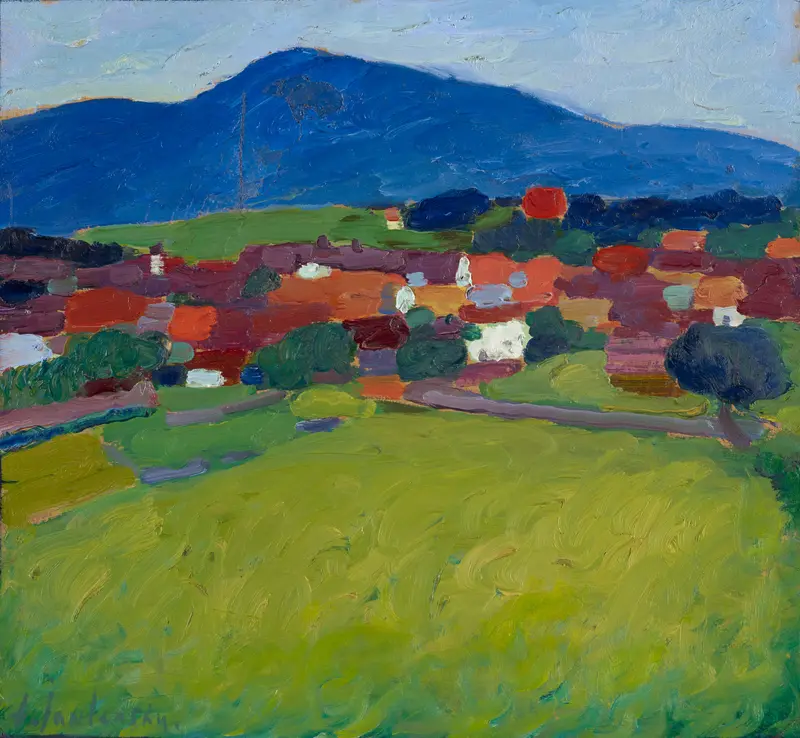
The Village Of Murnau
Alexej von Jawlensky
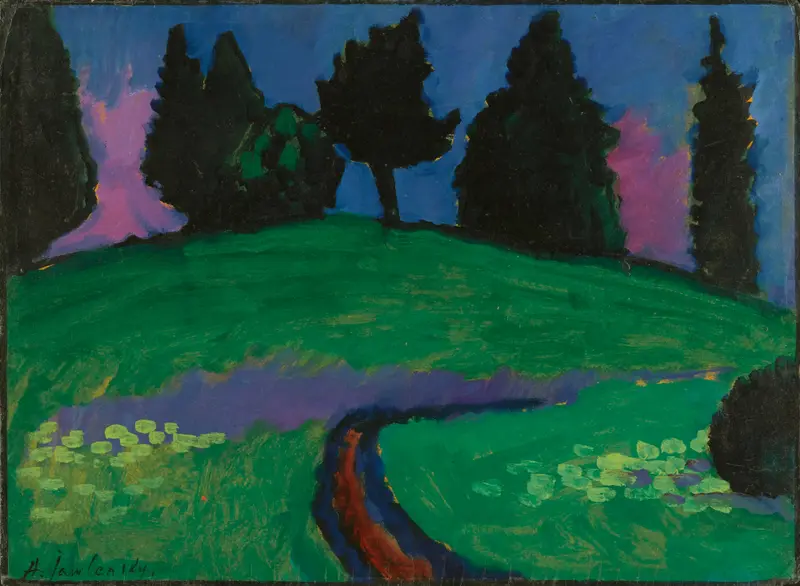
Dunkle Bäume über Grünem Hang (Dark Trees Over Green Slope)
Alexej von Jawlensky
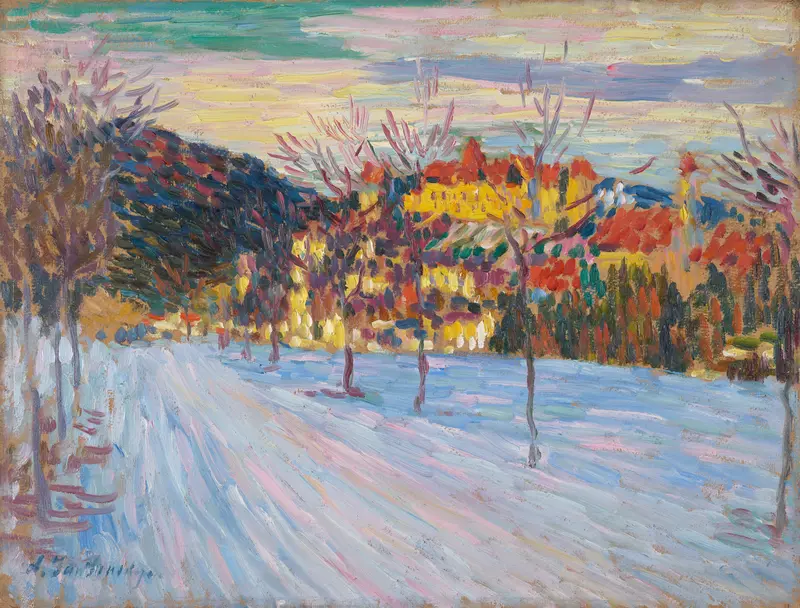
Füssen
Alexej von Jawlensky
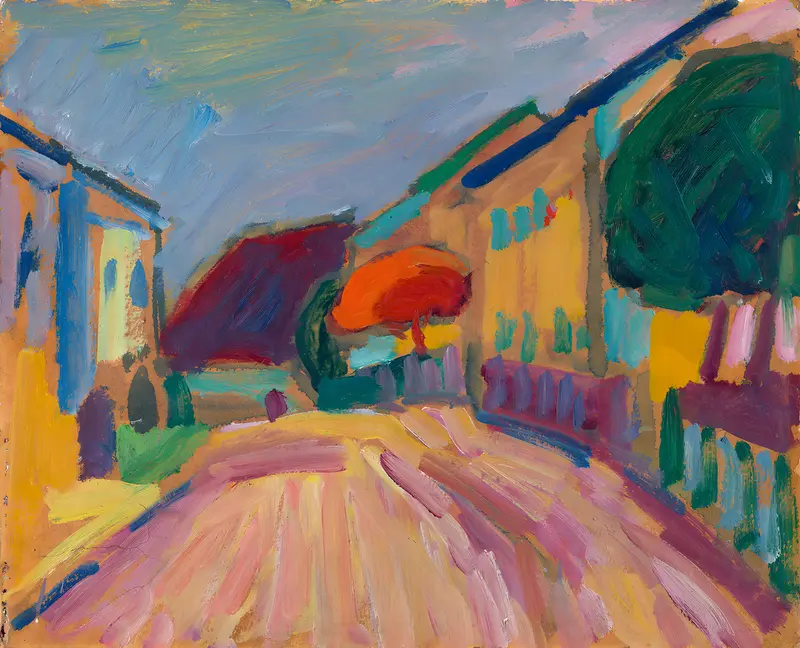
Sketch from Murnau
Alexej von Jawlensky
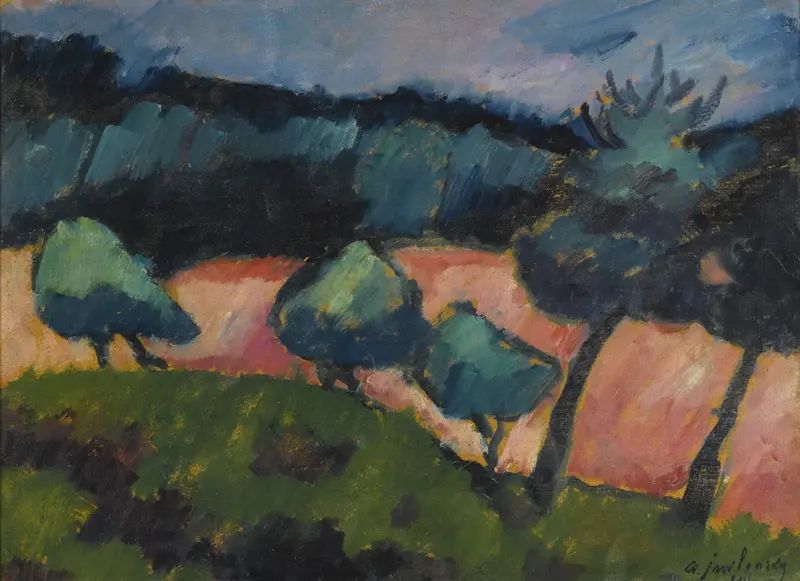
Bäume und Dünen in Prerow (Trees and dunes in Prerow)
Alexej von Jawlensky
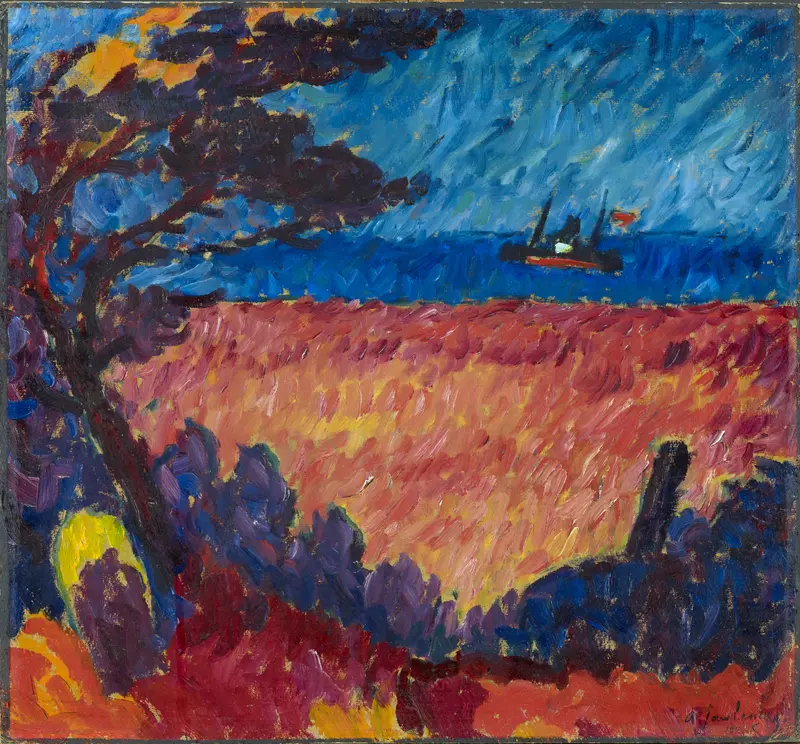
At The Baltic Sea
Alexej von Jawlensky
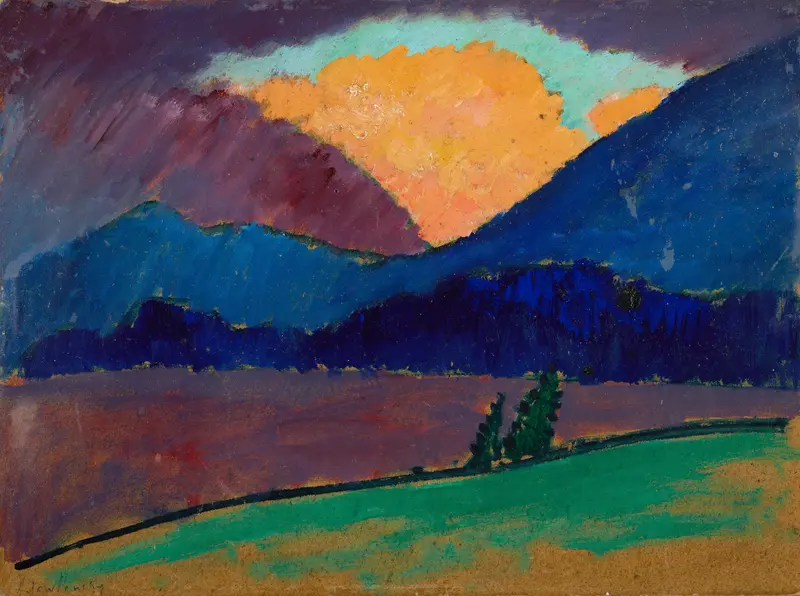
Summer evening in Murnau
Alexej von Jawlensky
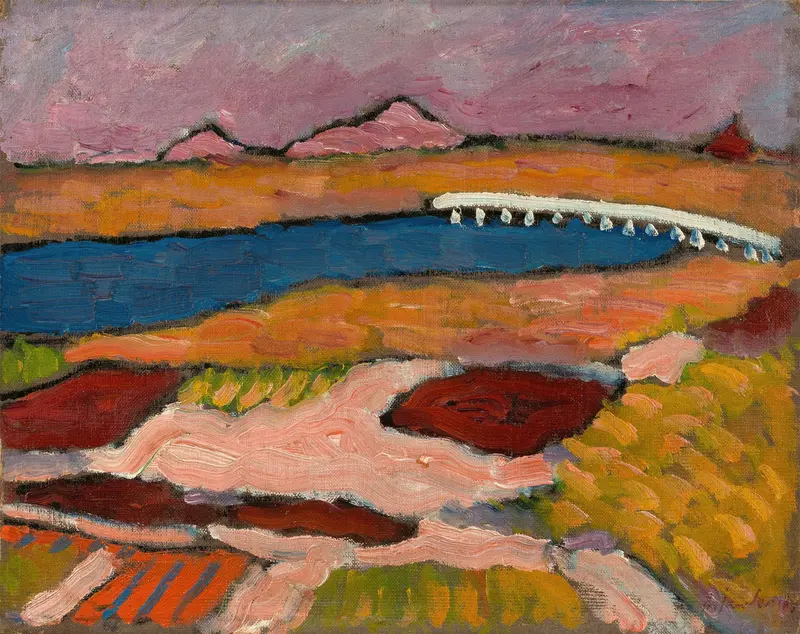
Prerow (Darß), Pommern
Alexej von Jawlensky
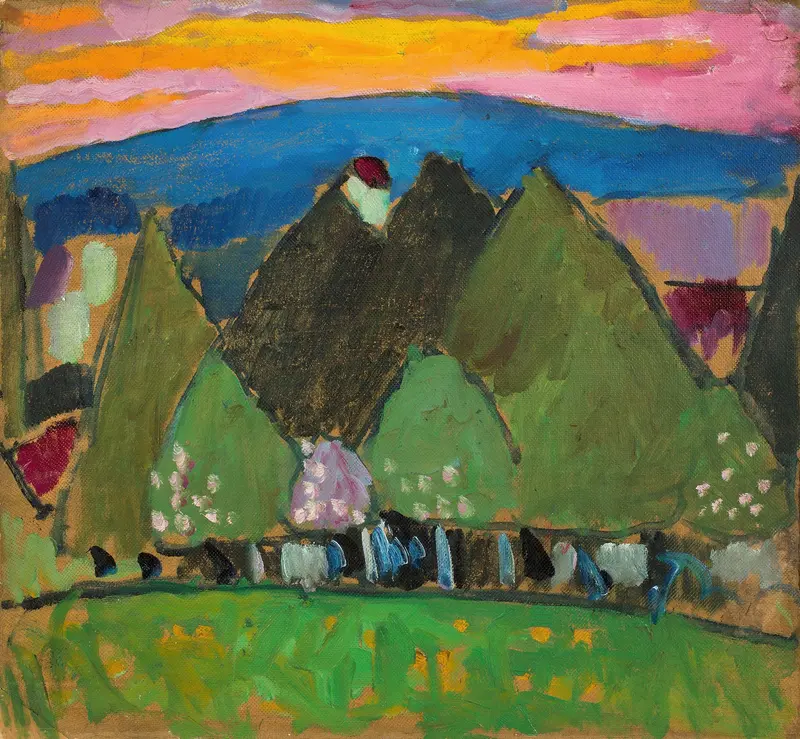
Landschaft mit Bäumen
Alexej von Jawlensky





