Discover insights about this artwork
Head of a bear — History & Facts
In Head of a Bear, Leonardo da Vinci captures the essence of a bear's head with remarkable detail. The drawing features a range of browns and blacks, emphasizing the texture of the fur and the sharpness of the bear's features. The bear's eyes convey a sense of alertness, while the strong lines create a sense of depth.
The background is minimal, allowing the bear to stand out as the focal point of the piece. This artwork is executed in ink on paper, showcasing Leonardo's skill in capturing intricate details. The drawing measures approximately 25 x 35 cm, making it a relatively small yet impactful piece. The use of fine lines and shading demonstrates Leonardo's understanding of light and form.
Viewers can appreciate the precision in the bear's anatomy, reflecting his studies of nature. Leonardo da Vinci created Head of a Bear during the Renaissance, a time when artists focused on realism and the study of the natural world. This work is part of his extensive studies of animals, which contributed to his understanding of anatomy. An interesting fact about this drawing is that it reflects Leonardo's fascination with the movement and behavior of animals, often observing them in their natural habitats.
His studies laid the groundwork for future scientific exploration of animal biology.
More Artworks by Leonardo da Vinci
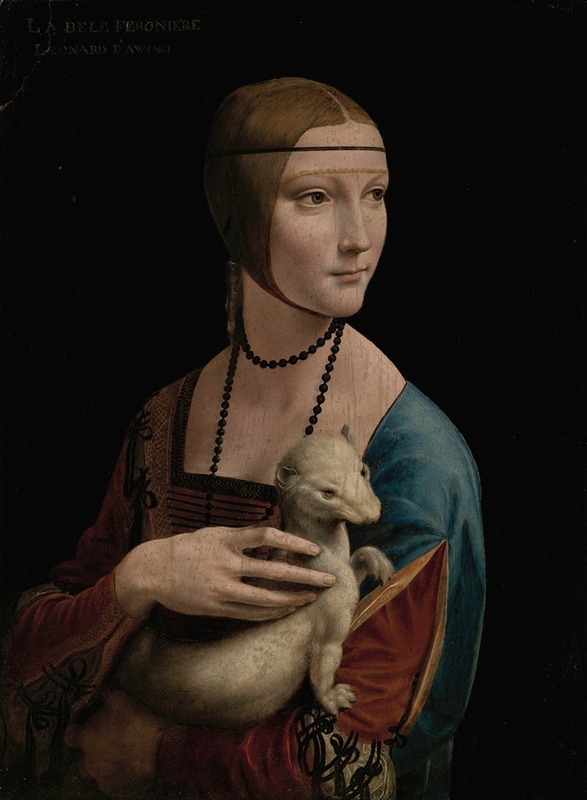
Lady with an Ermine – Portrait of Cecilia Gallerani (ca.1473–1536)
Leonardo da Vinci
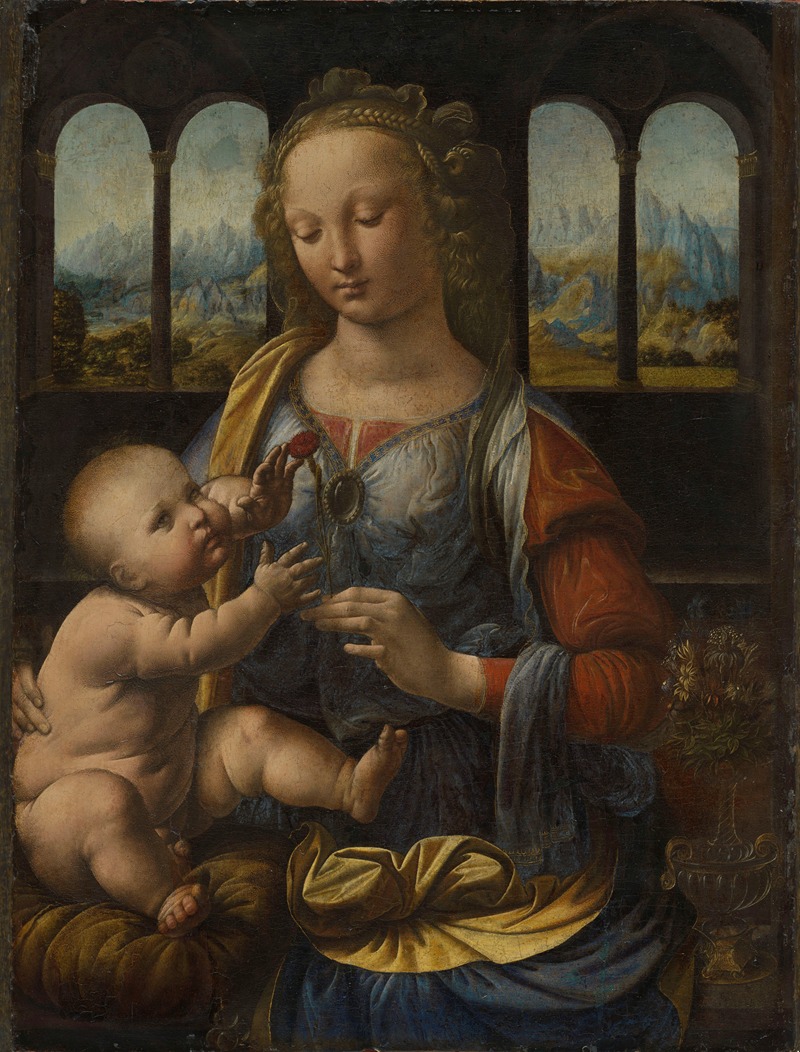
Madonna of the Carnation
Leonardo da Vinci
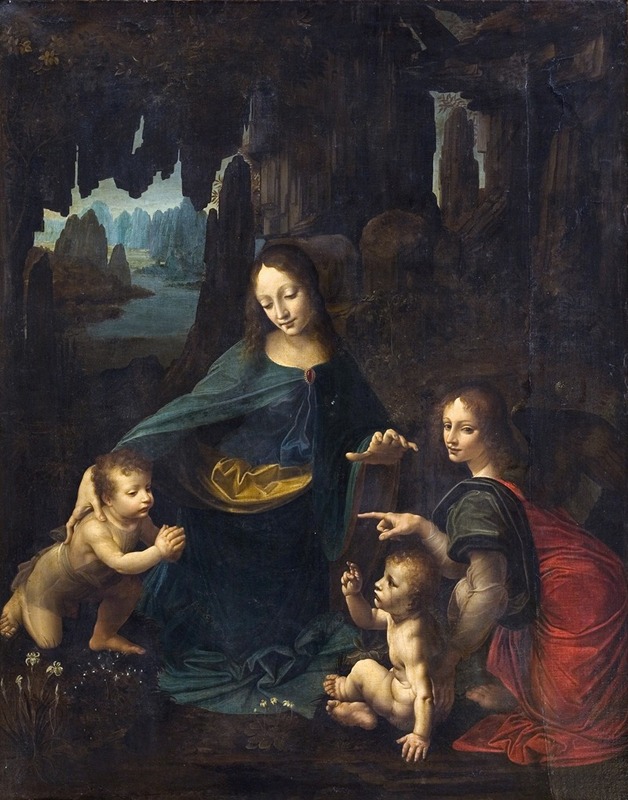
The Virgin of the Rocks
Leonardo da Vinci
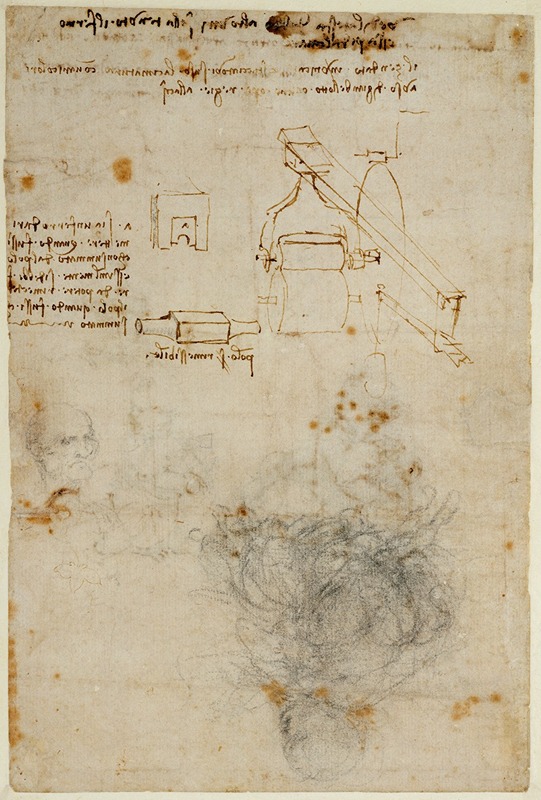
Head of an Old Man, and Studies of Machinery
Leonardo da Vinci
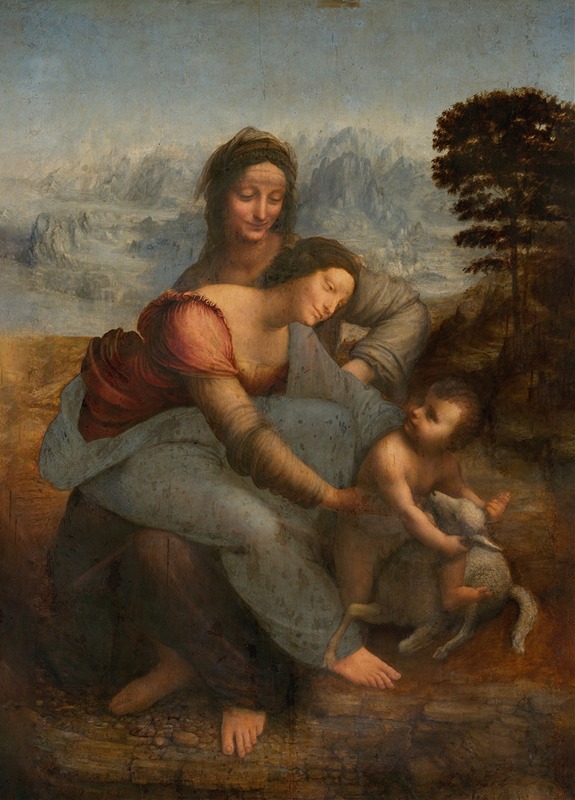
The Virgin and Child with St. Anne
Leonardo da Vinci
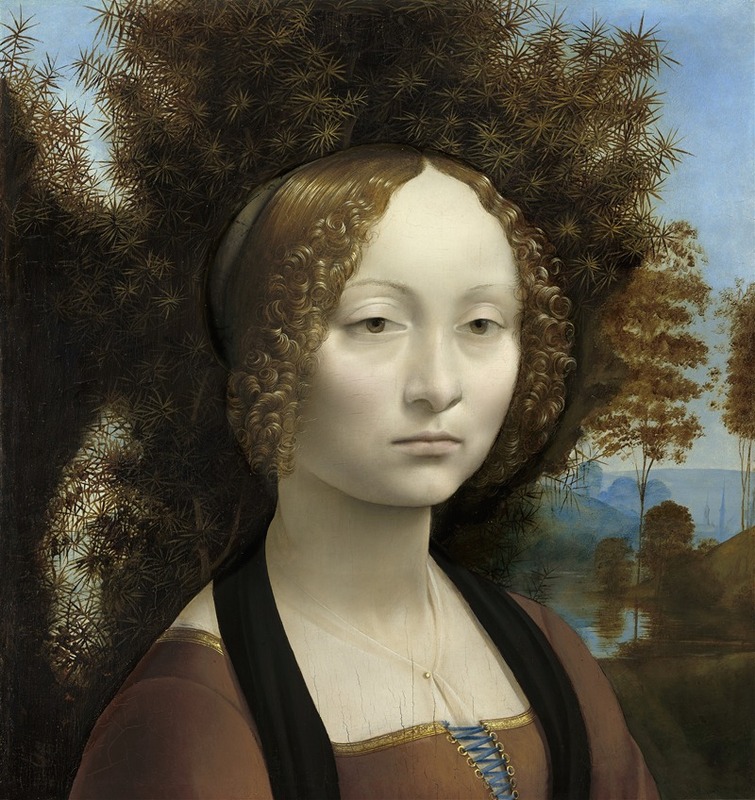
Ginevra de’ Benci (obverse)
Leonardo da Vinci
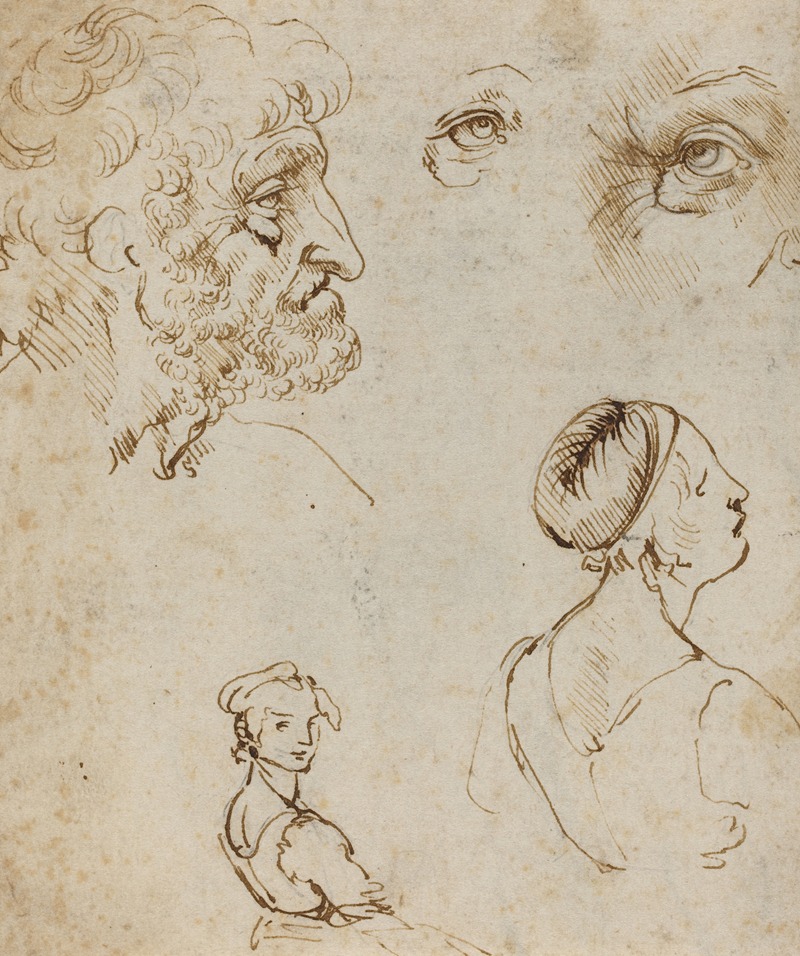
Sheet of Studies
Leonardo da Vinci
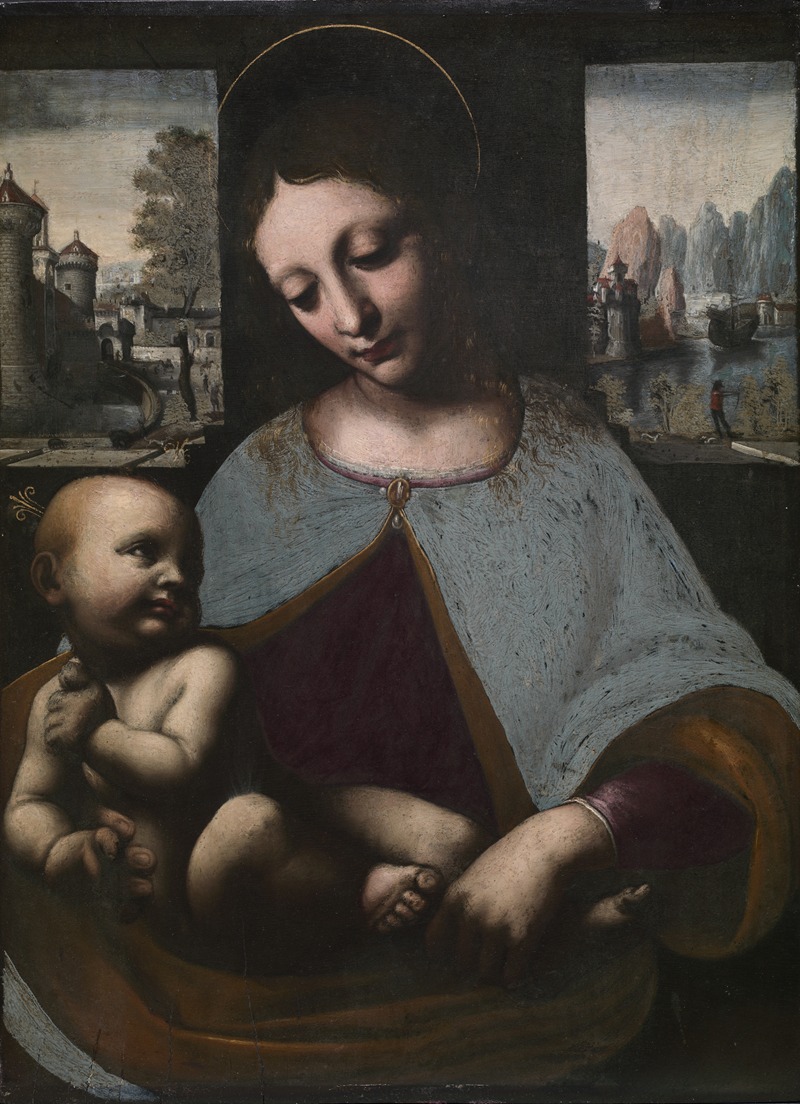
Virgin and Child
Leonardo da Vinci
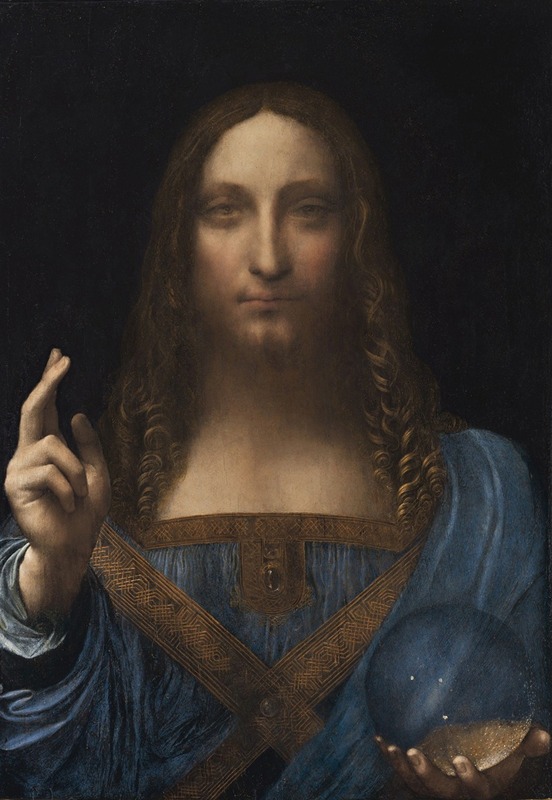
Salvator Mundi
Leonardo da Vinci
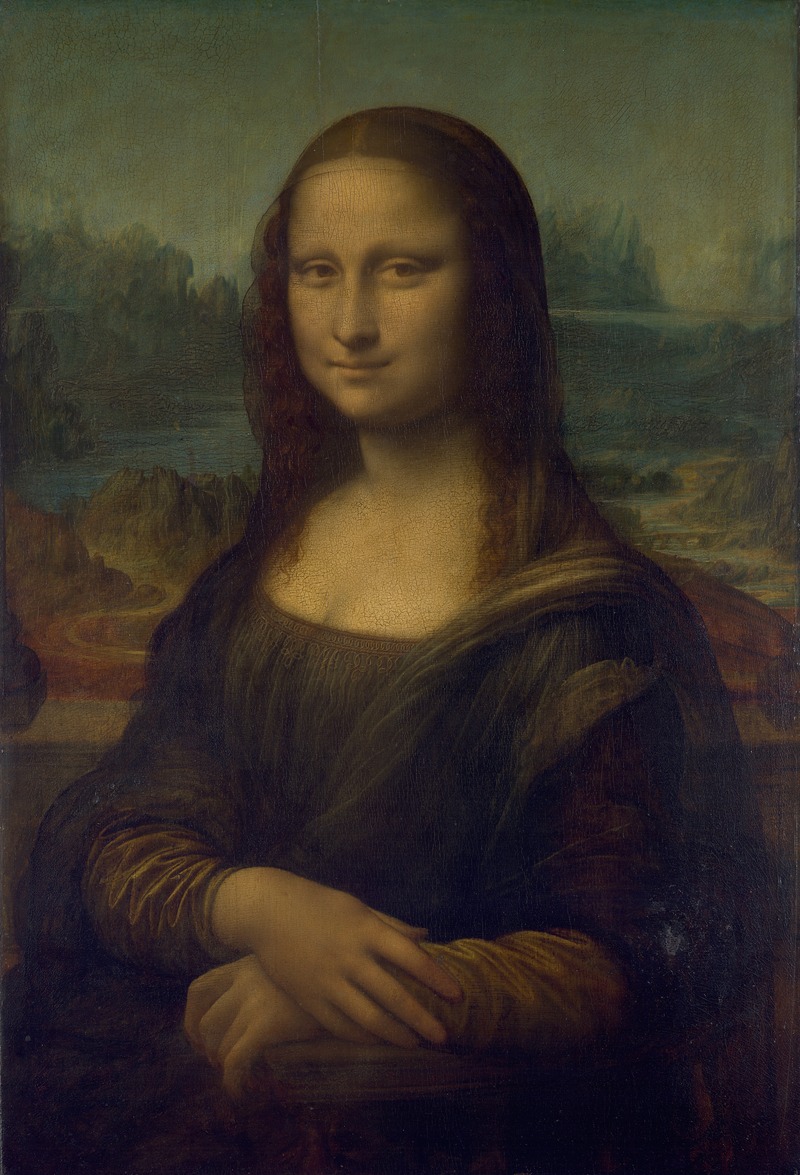
The Mona Lisa
Leonardo da Vinci