Discover insights about this artwork
Virgin and Child — History & Facts
In Virgin and Child, we see a tender scene featuring Mary and the infant Jesus. The colors are soft and warm, with gentle blues and reds dominating the palette. Mary is depicted with a serene expression, cradling Jesus in her arms.
The background is simple, focusing attention on the figures. This painting is executed in oil on panel, a common medium during the Renaissance. The brushwork is delicate, showcasing Leonardo's skill in rendering human emotions and textures. The composition is balanced, with Mary and Jesus forming a triangular shape that draws the viewer's eye.
The use of light and shadow adds depth to the figures. Leonardo da Vinci created this work during the height of the Renaissance, a time of great artistic achievement. Virgin and Child reflects his deep understanding of human anatomy and emotion. An interesting fact about this piece is that it was likely commissioned for a private devotion, emphasizing the personal connection between the viewer and the sacred figures.
This work is a testament to Leonardo's innovative approach to religious art.
More Artworks by Leonardo da Vinci
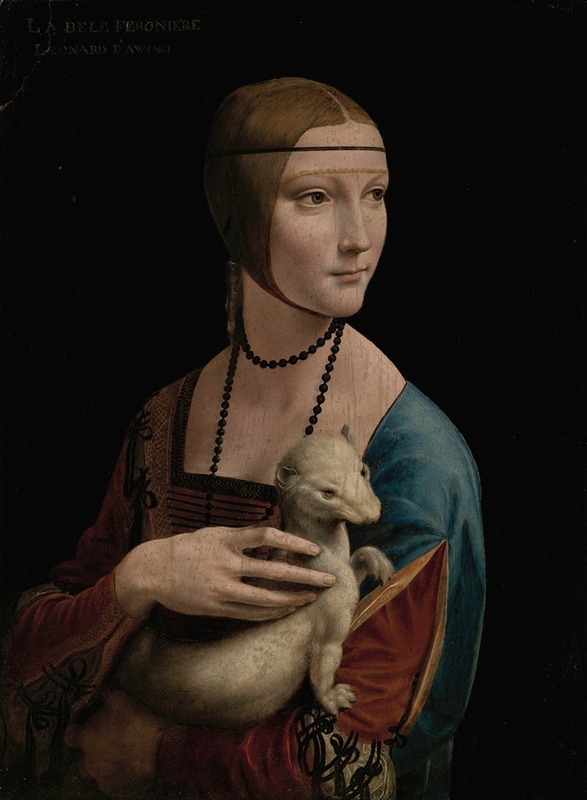
Lady with an Ermine – Portrait of Cecilia Gallerani (ca.1473–1536)
Leonardo da Vinci
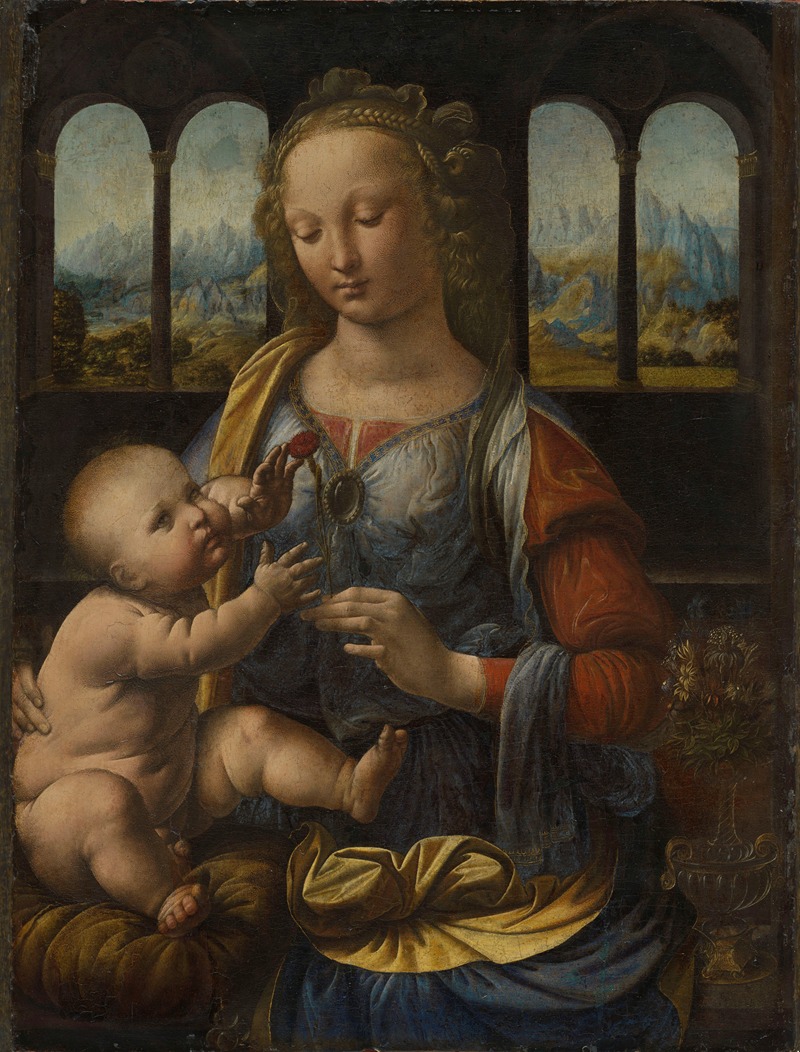
Madonna of the Carnation
Leonardo da Vinci
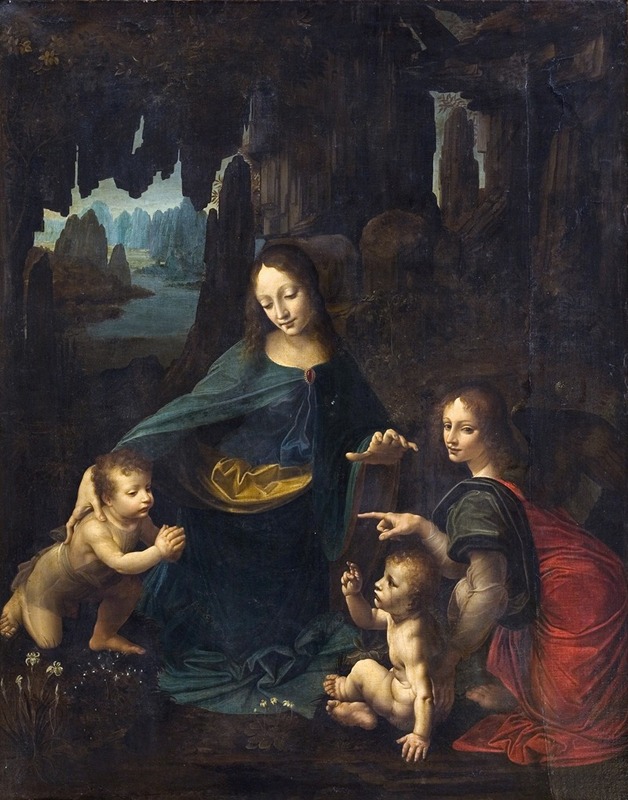
The Virgin of the Rocks
Leonardo da Vinci
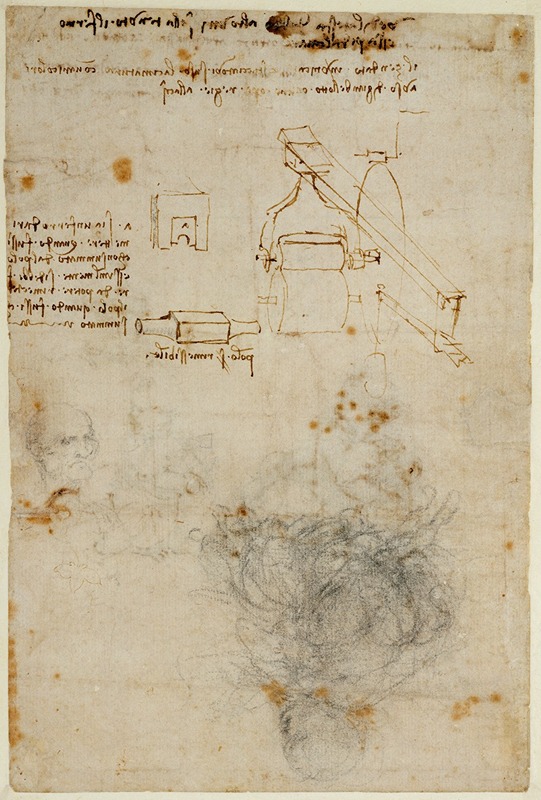
Head of an Old Man, and Studies of Machinery
Leonardo da Vinci
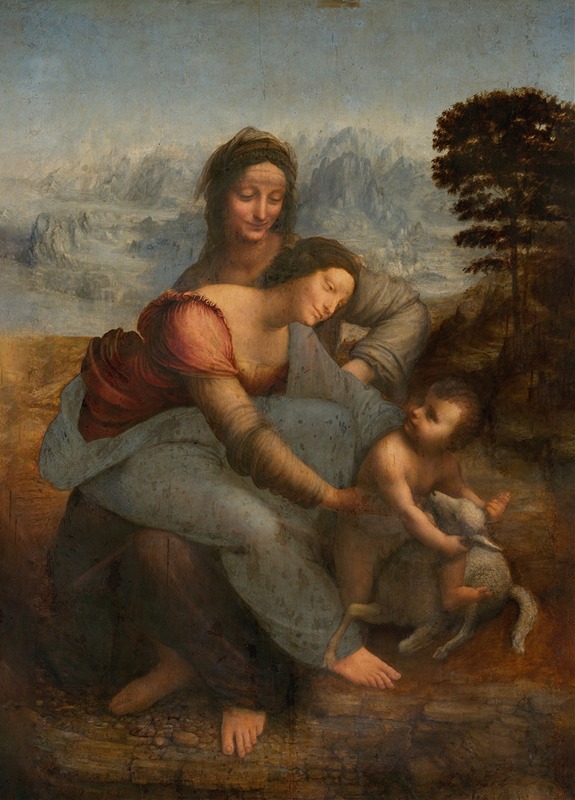
The Virgin and Child with St. Anne
Leonardo da Vinci
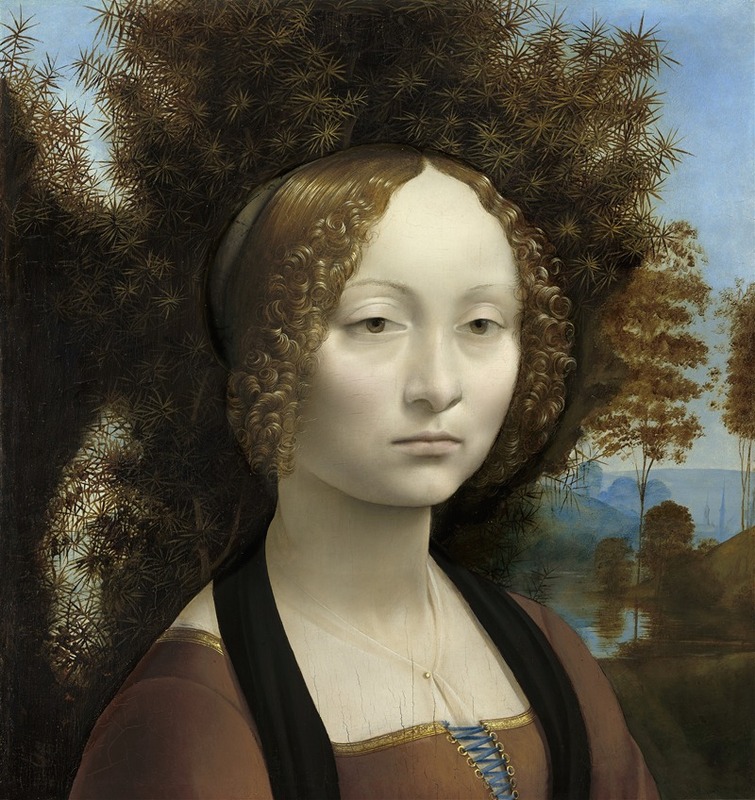
Ginevra de’ Benci (obverse)
Leonardo da Vinci
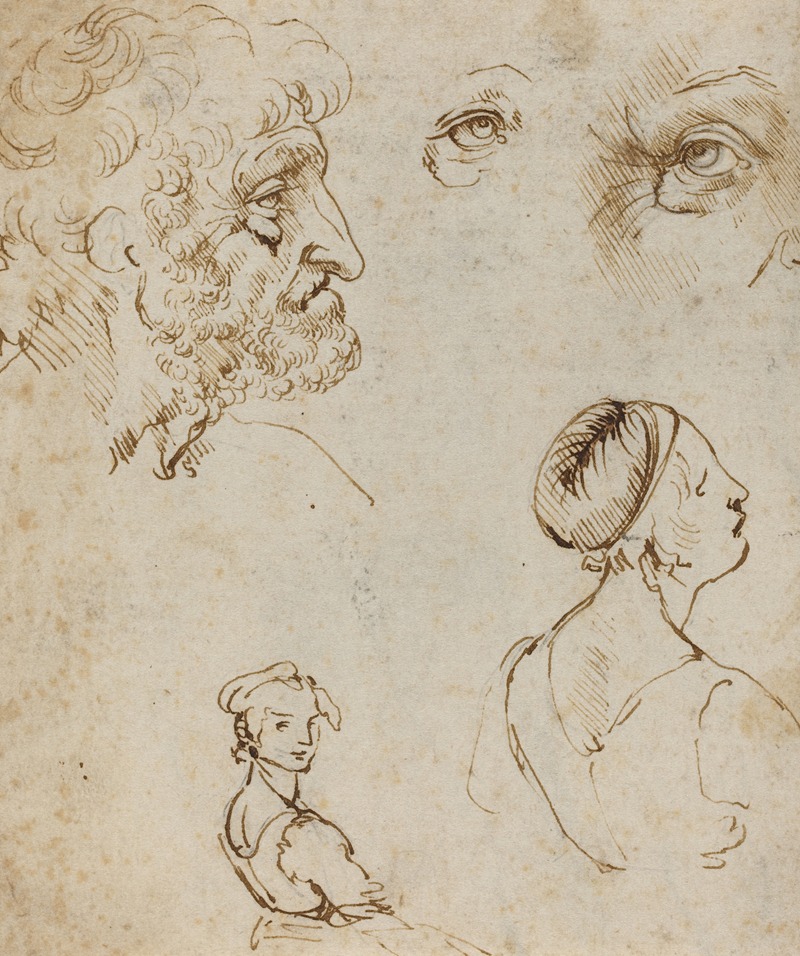
Sheet of Studies
Leonardo da Vinci
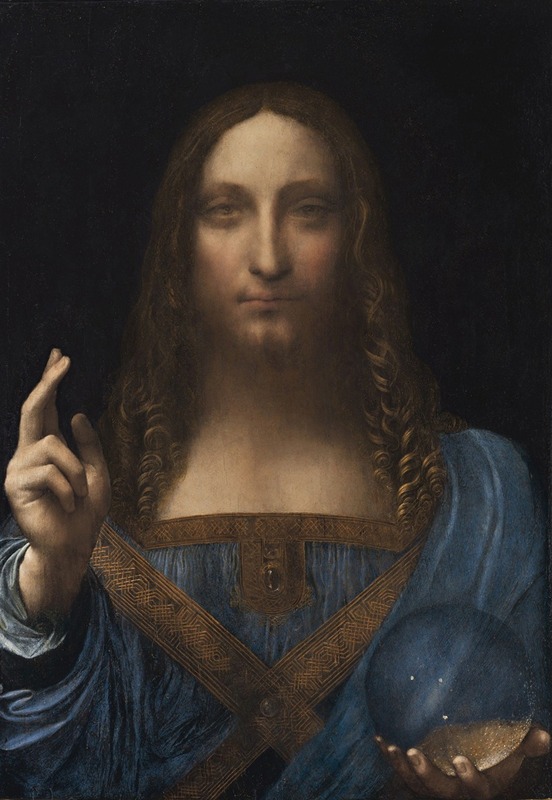
Salvator Mundi
Leonardo da Vinci
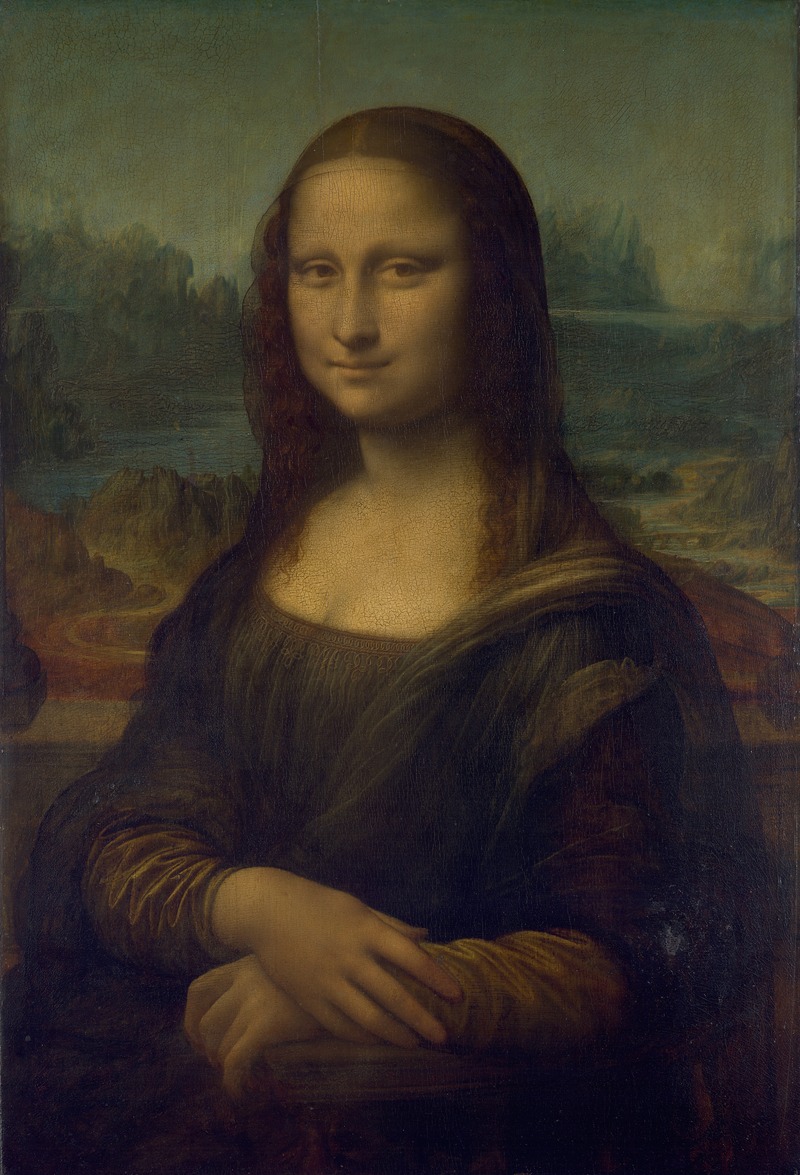
The Mona Lisa
Leonardo da Vinci

Wreath of Laurel, Palm, and Juniper with a Scroll inscribed Virtutem Forma Decorat
Leonardo da Vinci