
Ginevra de' Benci: who she was and the painted back
A panel only 38.1 by 37 centimetres carries a portrait on its front and, on the back, a sprig of juniper framed by laurel and palm, with the motto Virtutem forma decorat on a scroll. The front is Ginevra de' Benci (also called Portrait of Ginevra de' Benci), which Leonardo da Vinci (1452–1519) painted around 1474–1478 as an early Renaissance portrait of a Florentine banker's daughter. The National Gallery of Art in Washington bought it in 1967 and describes it as the only painting by Leonardo in the Americas.
- A woman outdoors: Ginevra turns three-quarters toward the viewer in front of a juniper bush, with a blue-grey landscape behind her. The National Gallery notes that women were usually shown indoors and that this pose was one of the first of its kind in Italy. She wears a plain brown dress and no jewels.
- The painted back: a sprig of juniper sits inside a laurel and palm wreath, with a scroll reading Virtutem forma decorat (“Beauty adorns virtue”). Infrared images show an earlier motto underneath, Virtus et honor (“virtue and honour”), the device of the Venetian ambassador Bernardo Bembo.
- Who ordered it: the patron is still debated. The device on the back points to Bembo, who made Ginevra his platonic beloved in 1475; other scholars see a family commission for her betrothal or marriage in 1473–1474. The National Gallery calls Bembo’s role possible but unproven.
- The lost bottom: the panel was cut down at the bottom before 1780, and about a centimetre is also missing on the right. The sitter’s hands may have been lost with it; the National Gallery suggests she held a pink (dianthus), a flower of devotion or virtue.
- From Liechtenstein to Washington: the painting was in the princely Liechtenstein collection by 1733, and the Liechtenstein catalogue of 1780 attributed it to Lucas Cranach. The National Gallery bought it from Prince Franz Josef II on 10 February 1967 (Ailsa Mellon Bruce Fund); the price is reported as $5 million.
Sources: National Gallery of Art: collection record 1967.6.1.a (obverse) · National Gallery of Art: collection record 1967.6.1.b (reverse) · National Gallery of Art on Google Arts & Culture: Before the Mona Lisa, Leonardo’s Captivating Ginevra de’ Benci · National Gallery of Art on Google Arts & Culture: 10 Surprising Facts About Ginevra de’ Benci · Google Arts & Culture: Ginevra de’ Benci [obverse] (National Gallery of Art text, CC0 rights) · S. J. van Dijk, ‘Beauty adorns virtue’ (Leiden University doctoral thesis, 2015), chapter 2 · Sonia Rao, The Washington Post, 2018 (reprinted by Dawn, 9 August 2018) · Wikidata Q1267893
Questions and answers about the painting
Who was Ginevra de' Benci?
Leonardo’s sitter (1457 – about 1520) was the daughter of a Florentine banker, Amerigo di Giovanni de' Benci, who worked for the Medici bank. She married Luigi di Bernardo Niccolini on 15 January 1474. From 1475 the Venetian ambassador Bernardo Bembo made her his platonic beloved, and poets of the Medici circle wrote verses about her. She wrote poetry herself, but only one line survives, quoted second-hand in a letter of 1490.
Source: S. J. van Dijk, ‘Beauty adorns virtue’ (Leiden University doctoral thesis, 2015), chapter 2 · Encyclopedia.com: Benci, Ginevra de’ (b. 1457) · National Gallery of Art on Google Arts & Culture: 10 Surprising Facts About Ginevra de’ Benci
What is painted on the back of Leonardo’s portrait of Ginevra?
A wreath of laurel and palm around a sprig of juniper, with a scroll across the bottom reading VIRTUTEM FORMA DECORAT, the start of a Latin hexameter that means roughly “Beauty adorns virtue”. Juniper puns on her name (ginepro in Italian), while laurel and palm stand for intellectual and moral virtue. Infrared images show an earlier motto underneath, VIRTUS ET HONOR, which was Bernardo Bembo’s own. The National Gallery catalogues the back as a separate object, 1967.6.1.b.
Source: National Gallery of Art: collection record 1967.6.1.b (reverse) · National Gallery of Art on Google Arts & Culture: Before the Mona Lisa, Leonardo’s Captivating Ginevra de’ Benci · S. J. van Dijk, ‘Beauty adorns virtue’ (Leiden University doctoral thesis, 2015), chapter 2
Where is Leonardo’s portrait of Ginevra today, and how did it get there?
In the West Building of the National Gallery of Art in Washington, D.C. As of November 2026 the museum’s open data places it in Main Floor Gallery 6; in 2023 it moved temporarily to Gallery 39 during renovations. The gallery bought it on 10 February 1967 from Prince Franz Josef II of Liechtenstein, whose family had owned it since at least 1733, with the Ailsa Mellon Bruce Fund. The price is reported as $5 million.
Source: National Gallery of Art open data, export of 13 November 2026 (gallery location) · National Gallery of Art: collection record 1967.6.1.a (obverse) · The Art Newspaper, 3 July 2023: Leonardo portrait moves amid renovations · Sonia Rao, The Washington Post, 2018 (reprinted by Dawn, 9 August 2018)
Who commissioned Leonardo’s portrait of Ginevra, and when was it painted?
Scholars still disagree. The National Gallery dates the panel to about 1474–1478. The device on the back points to Bernardo Bembo, Venetian ambassador in Florence in 1475–1476 and 1478–1480; the Leiden scholar S. J. van Dijk finds his commission almost certain, while the National Gallery calls it possible but unproven. Others argue that Ginevra’s family ordered the front for her betrothal or marriage in 1473–1474.
Source: S. J. van Dijk, ‘Beauty adorns virtue’ (Leiden University doctoral thesis, 2015), chapter 2 · National Gallery of Art on Google Arts & Culture: Before the Mona Lisa, Leonardo’s Captivating Ginevra de’ Benci · National Gallery of Art: collection record 1967.6.1.a (obverse)
Why was the bottom of Leonardo’s panel cut off?
Nobody knows exactly when or why. A substantial part of the panel was cut off at the bottom at some date before 1780, and a strip of about a centimetre is missing on the right. The sitter’s hands may have gone with it. A Leonardo drawing of a woman’s hands in the Royal Collection has often been linked to the portrait, but the Royal Collection dates it to about 1490 and says it may instead belong to Lady with an Ermine. The surviving panel measures 38.1 × 37 cm.
Source: S. J. van Dijk, ‘Beauty adorns virtue’ (Leiden University doctoral thesis, 2015), chapter 2 · National Gallery of Art on Google Arts & Culture: 10 Surprising Facts About Ginevra de’ Benci · Royal Collection Trust: A study of a woman’s hands, c. 1490 (via Google Arts & Culture) · National Gallery of Art: collection record 1967.6.1.a (obverse)
Is Leonardo’s portrait of Ginevra in the public domain?
Yes. Leonardo da Vinci died in 1519, so his paintings are free of copyright everywhere. A faithful photograph of a public-domain painting adds no new copyright in the United States or the European Union, so you can download this image and use it in personal or commercial projects. Public Domain Images for Commercial Use explains how. Google Arts & Culture shows the National Gallery’s image as CC0.
Source: Wikidata Q762 (Leonardo, died 2 May 1519) · Google Arts & Culture: Ginevra de’ Benci [obverse] (National Gallery of Art text, CC0 rights)
More Artworks by Leonardo da Vinci
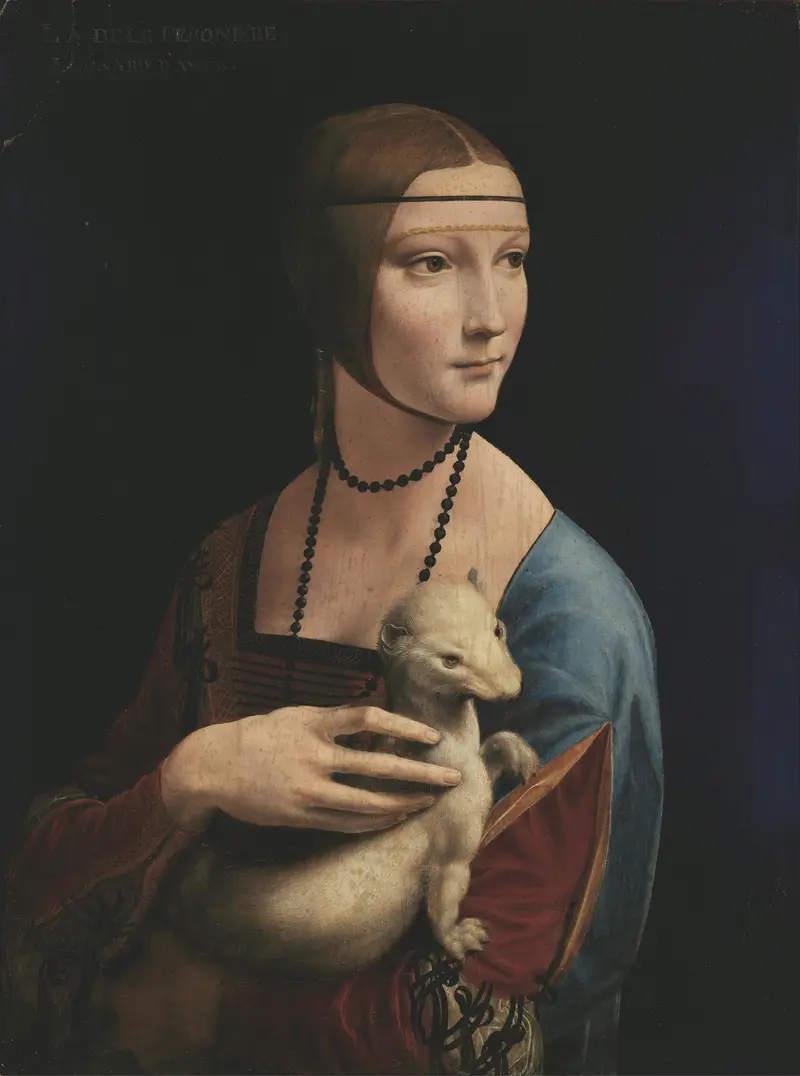
Lady with an Ermine
Leonardo da Vinci
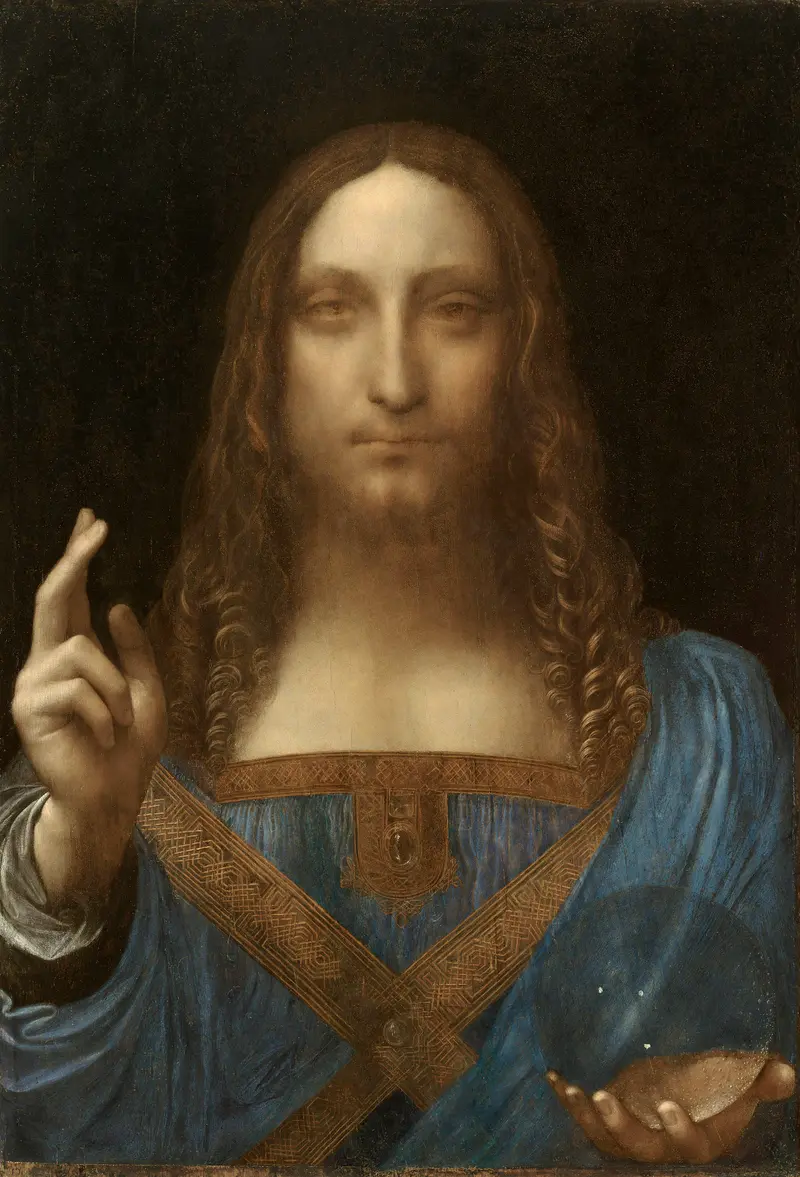
Salvator Mundi
Leonardo da Vinci
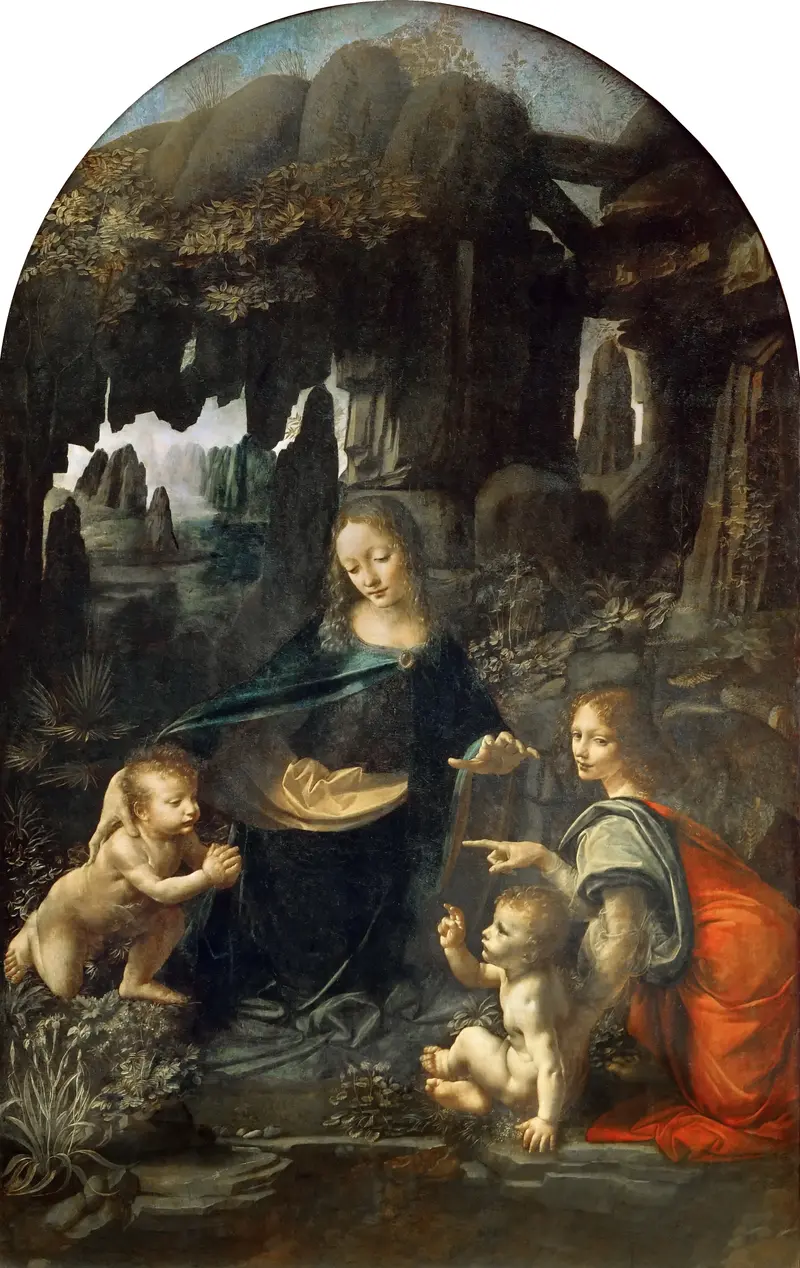
The Virgin of the Rocks
Leonardo da Vinci
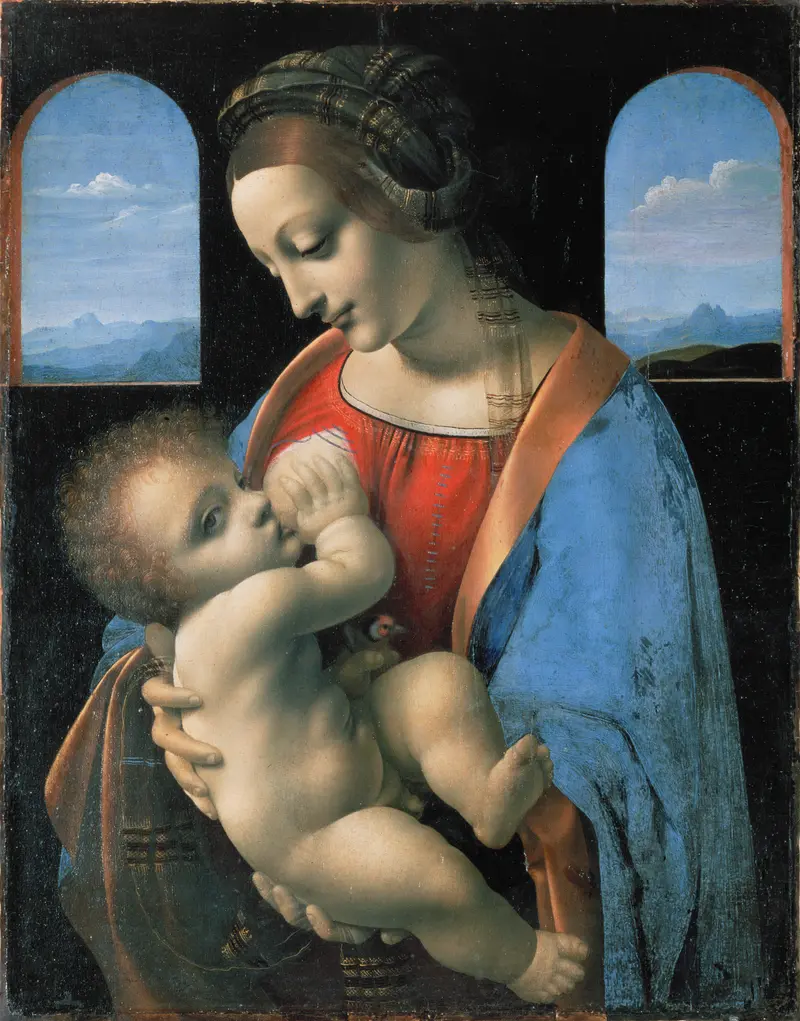
Madonna Litta
Leonardo da Vinci
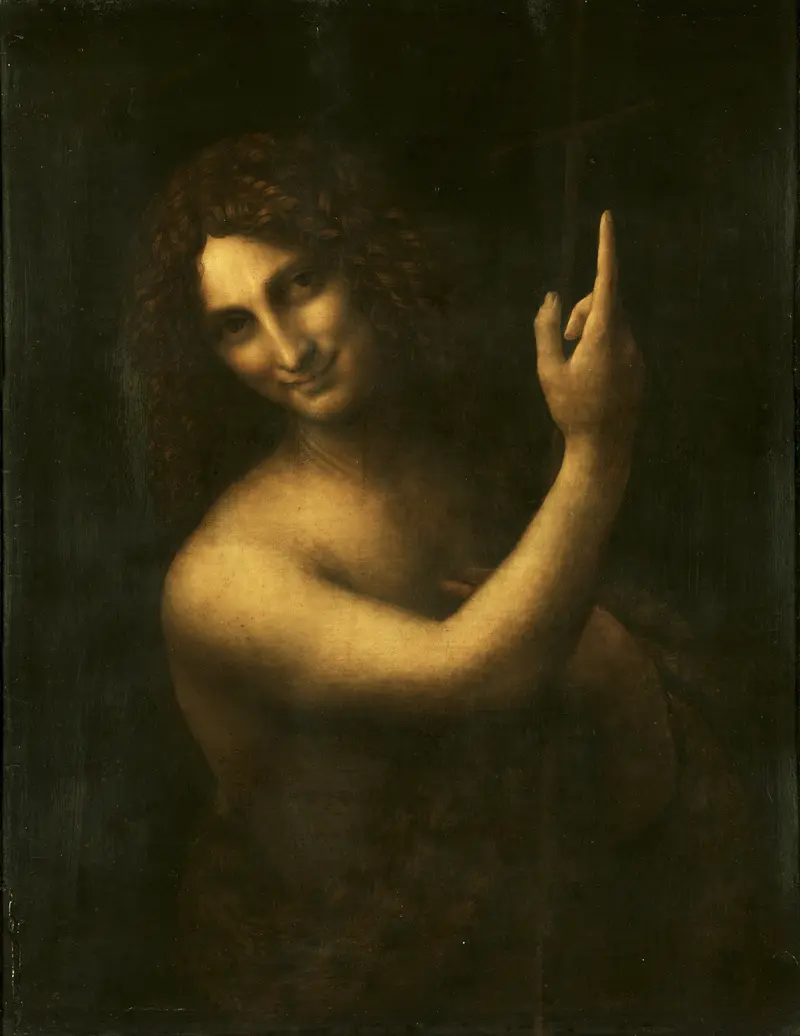
Saint John the Baptist
Leonardo da Vinci

The Last Supper
Leonardo da Vinci

Mona Lisa
Leonardo da Vinci
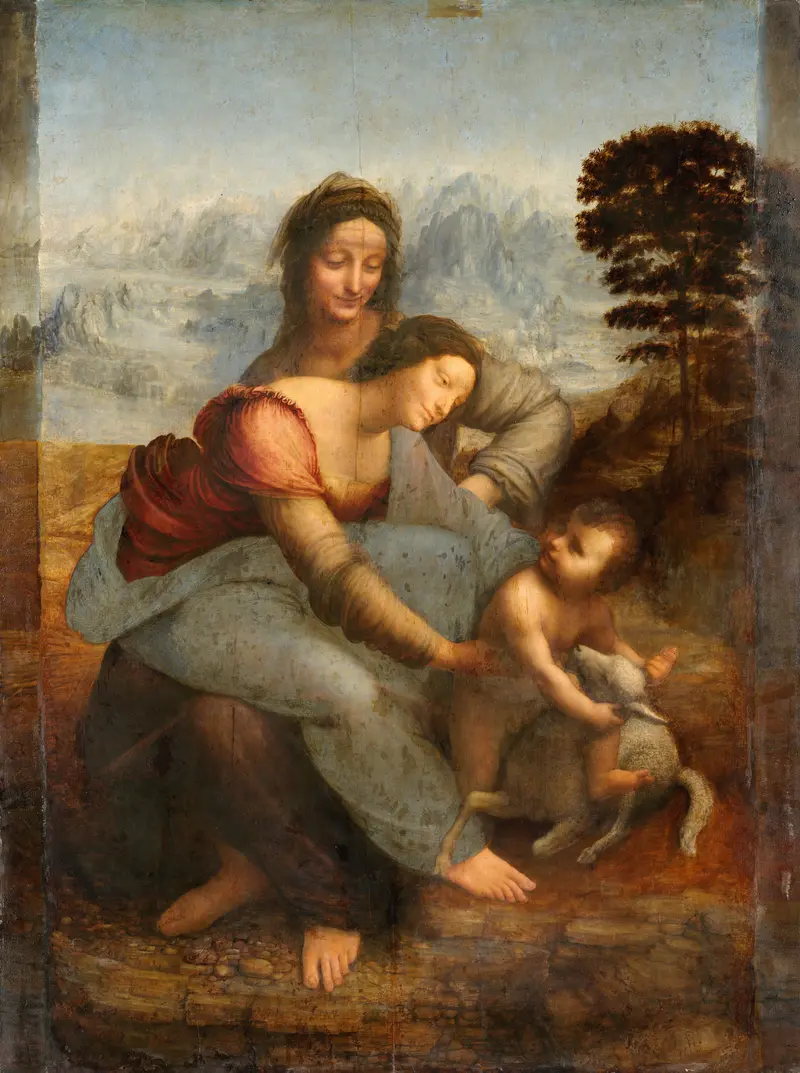
The Virgin and Child with Saint Anne
Leonardo da Vinci
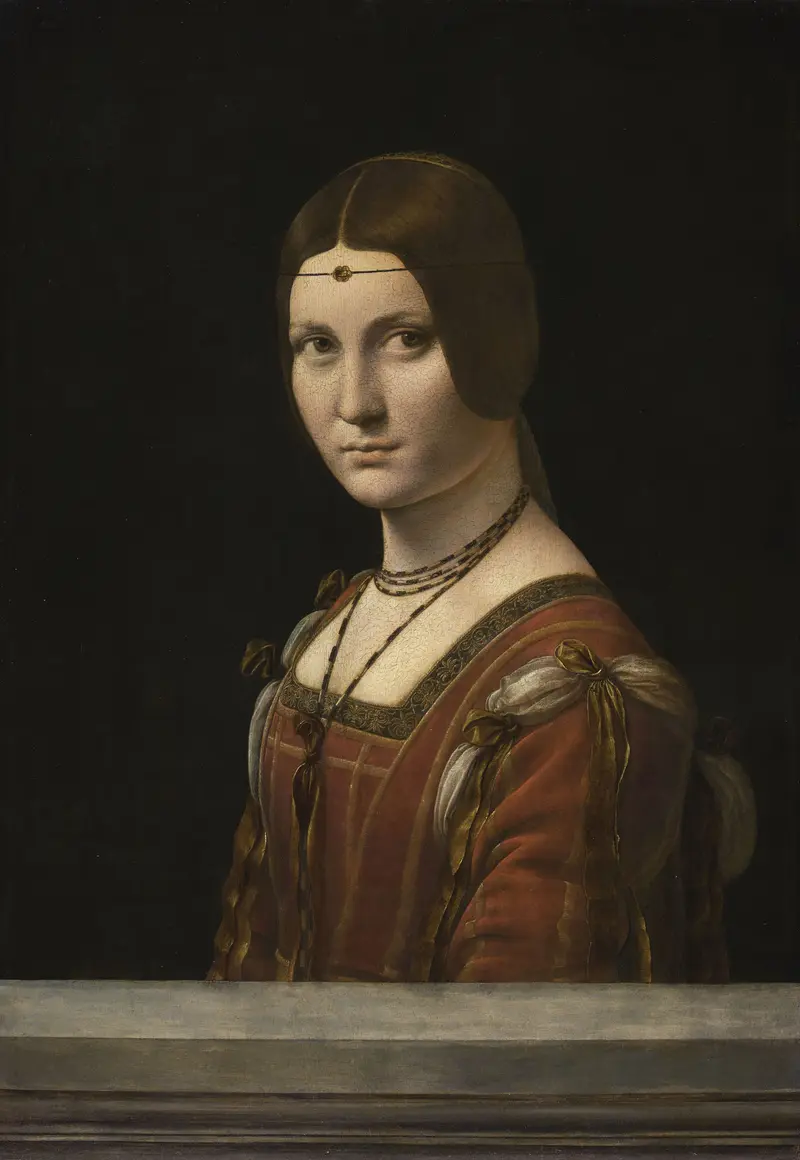
La Belle Ferronnière
Leonardo da Vinci
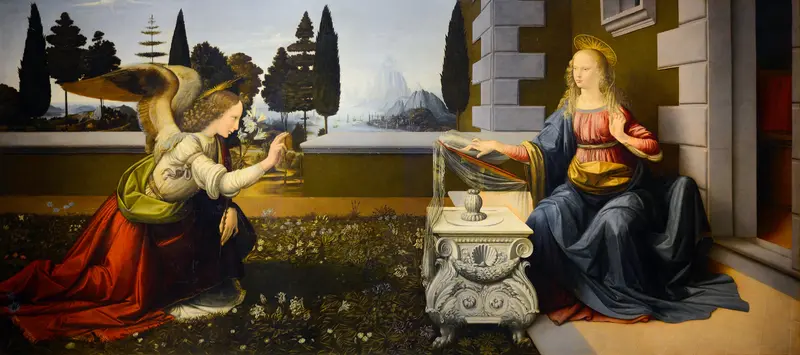
The Annunciation
Leonardo da Vinci





