Discover insights about this artwork
The Virgin and Child with St. Anne — History & Facts
In The Virgin and Child with St. Anne, we see a warm, intimate scene filled with soft colors. The figures of St.
Anne, the Virgin Mary, and the Christ Child are arranged in a triangular composition, emphasizing their connection. The use of light and shadow creates a sense of depth and volume. The background features a serene landscape, enhancing the peaceful atmosphere of the painting. Leonardo employs oil on panel for this artwork, a medium that allows for rich colors and detailed textures.
The painting showcases Leonardo's skill in rendering human expressions and the delicate interplay of light. The figures are depicted with a naturalism that was groundbreaking for the time. The careful attention to detail, especially in the faces, highlights the emotional bond between the characters. *The Virgin and Child with St.
Anne* was created during the height of the Renaissance, a period known for its artistic innovation. Leonardo da Vinci was a key figure in this movement, influencing countless artists. An interesting fact about this work is that it was left unfinished at the time of Leonardo's death, yet it remains one of his most celebrated pieces.
The painting reflects his deep understanding of human emotion and familial relationships.
More Artworks by Leonardo da Vinci
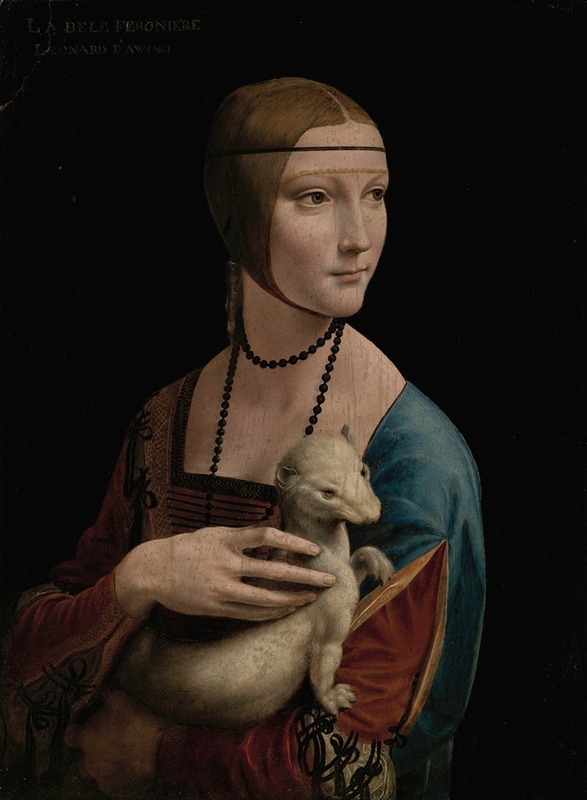
Lady with an Ermine – Portrait of Cecilia Gallerani (ca.1473–1536)
Leonardo da Vinci
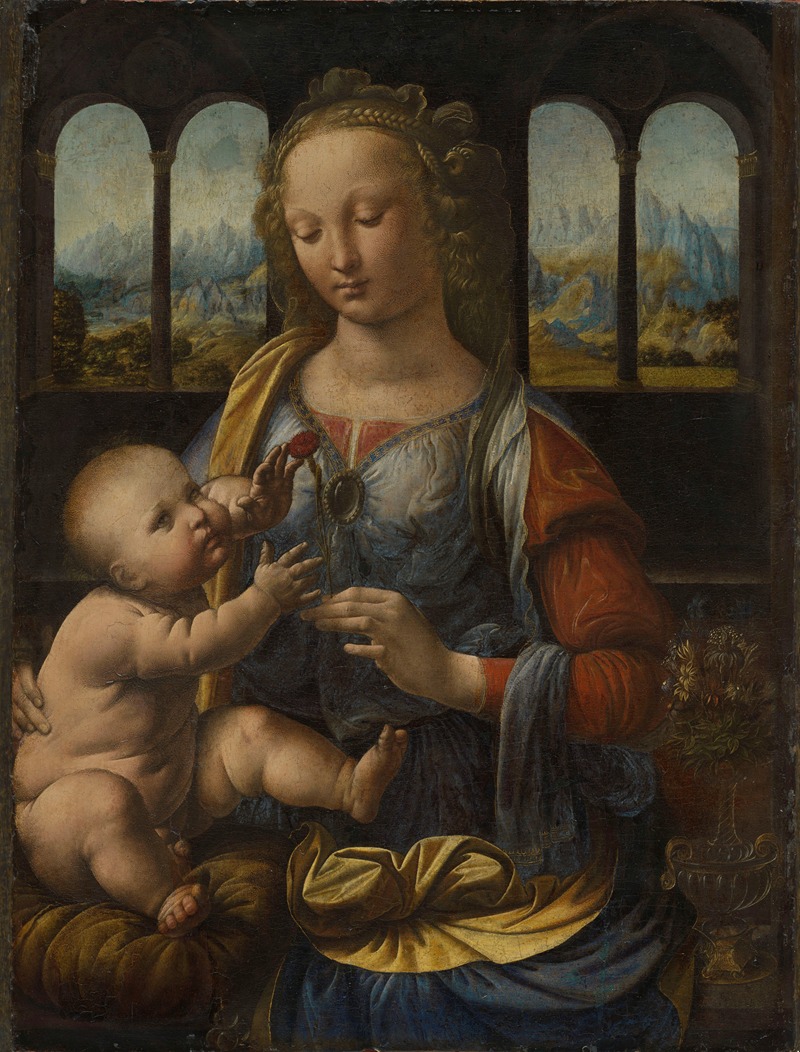
Madonna of the Carnation
Leonardo da Vinci
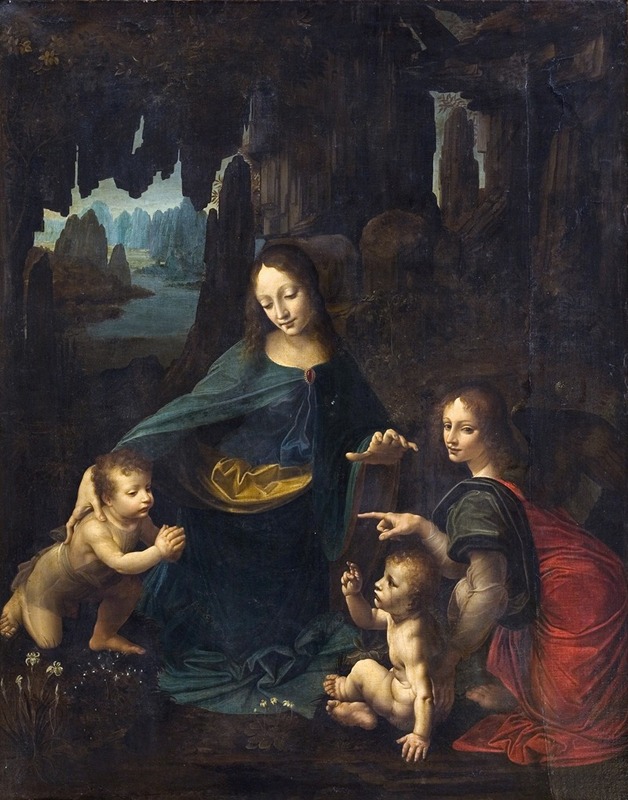
The Virgin of the Rocks
Leonardo da Vinci
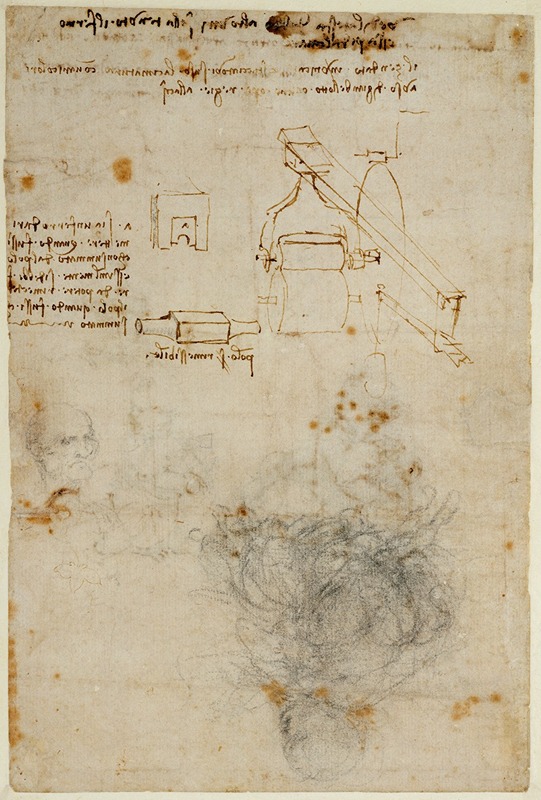
Head of an Old Man, and Studies of Machinery
Leonardo da Vinci
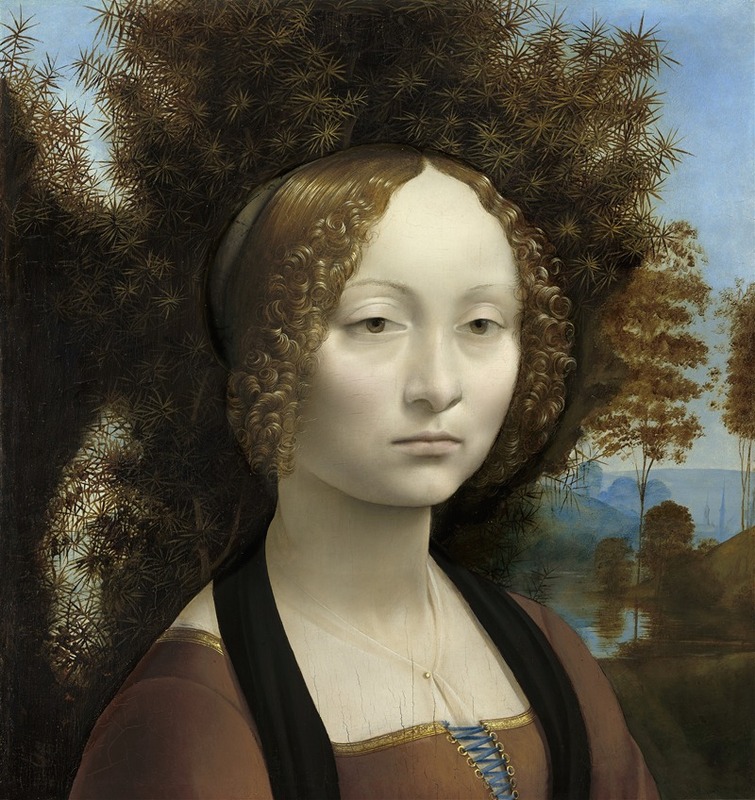
Ginevra de’ Benci (obverse)
Leonardo da Vinci
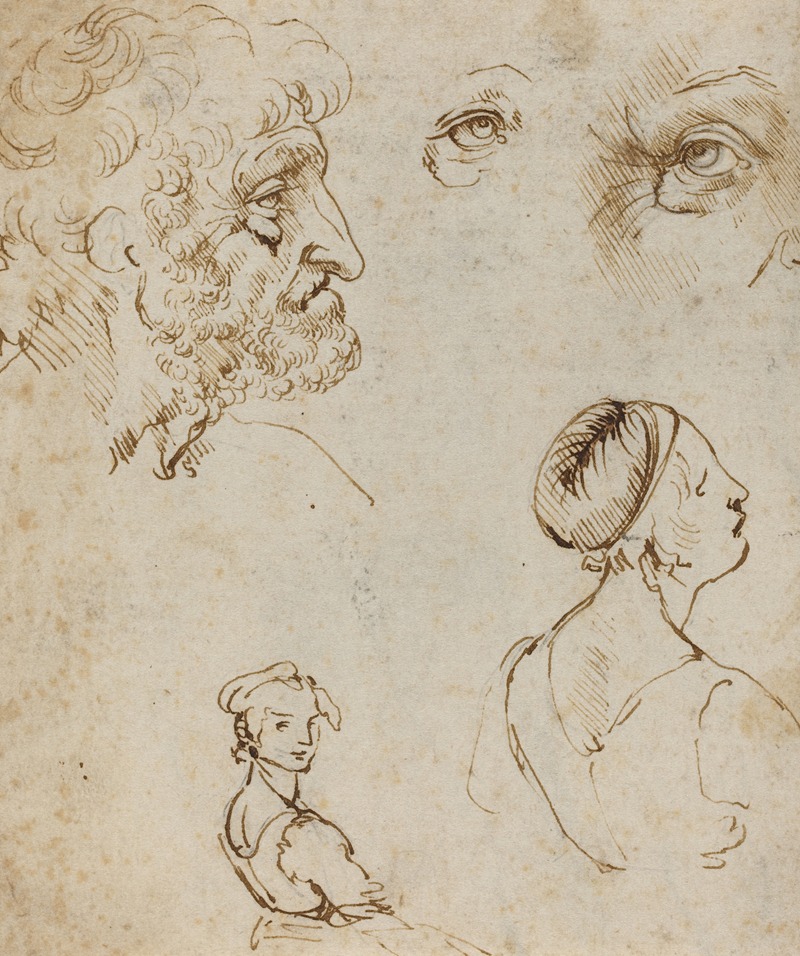
Sheet of Studies
Leonardo da Vinci
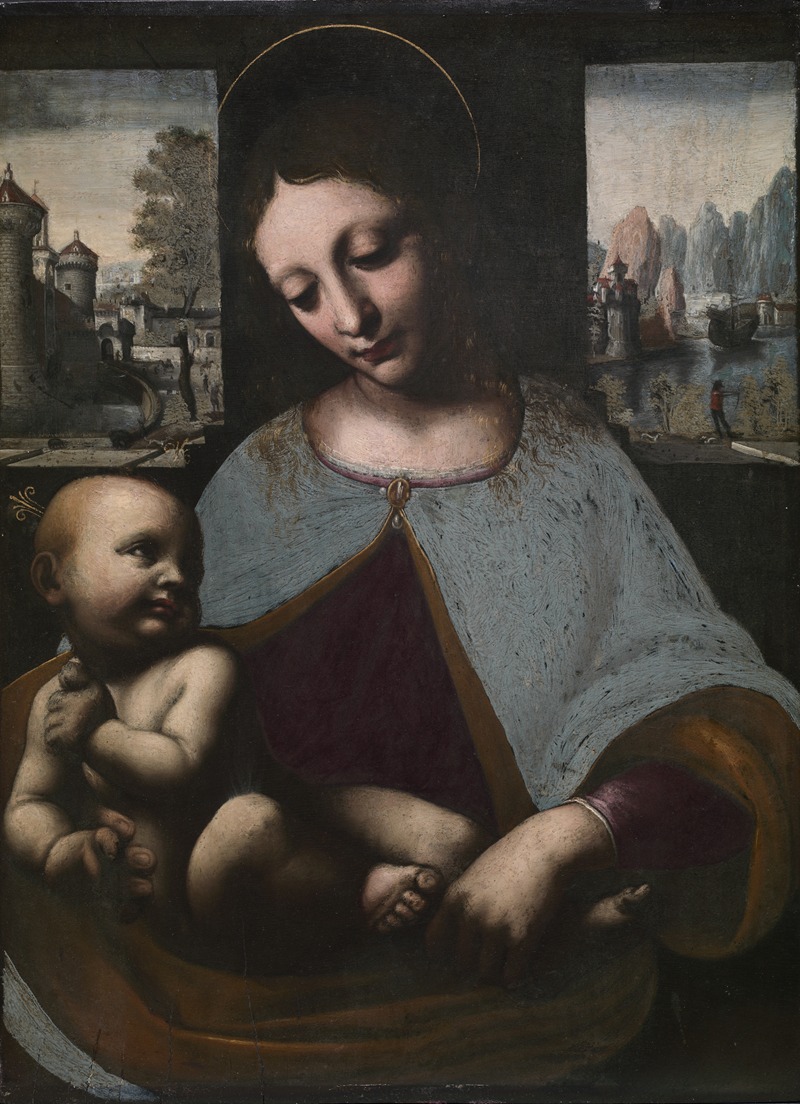
Virgin and Child
Leonardo da Vinci
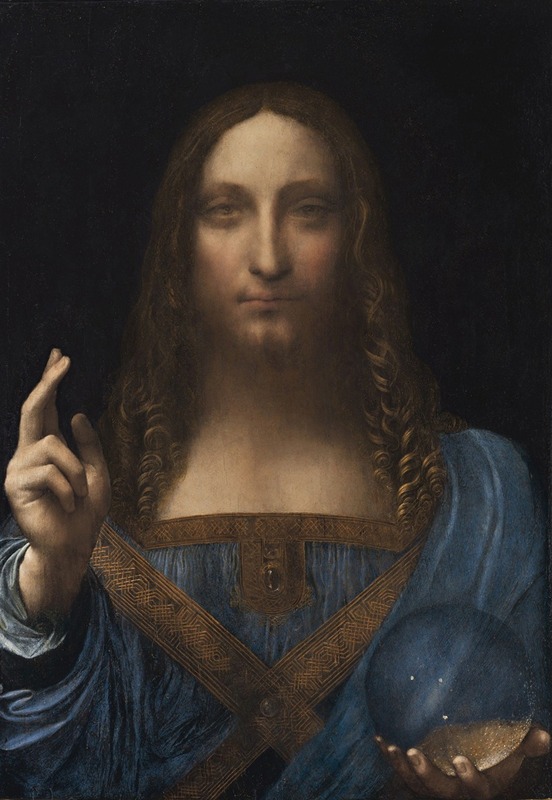
Salvator Mundi
Leonardo da Vinci
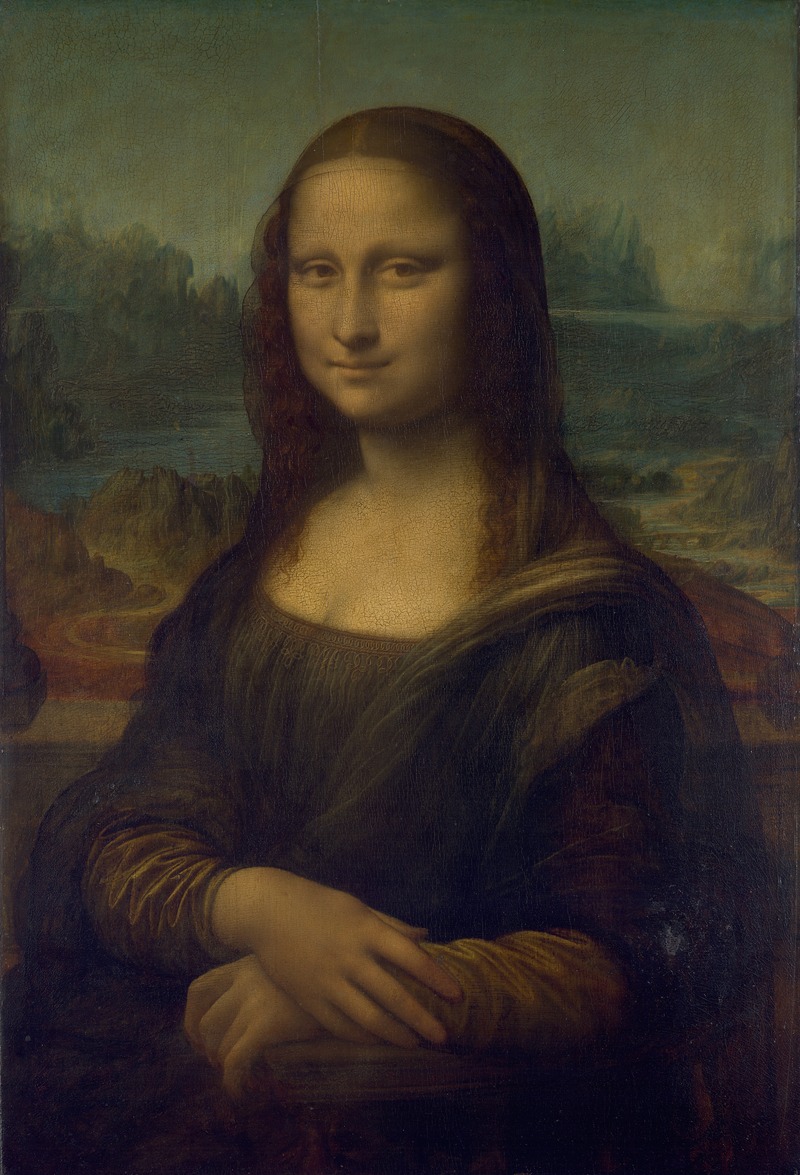
The Mona Lisa
Leonardo da Vinci

Wreath of Laurel, Palm, and Juniper with a Scroll inscribed Virtutem Forma Decorat
Leonardo da Vinci