Italian, 1452–1519

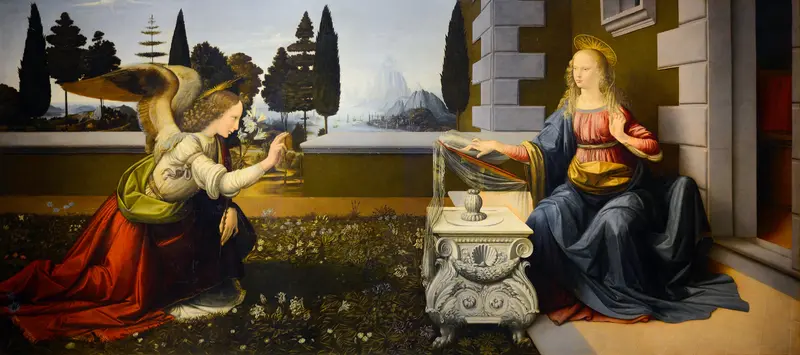
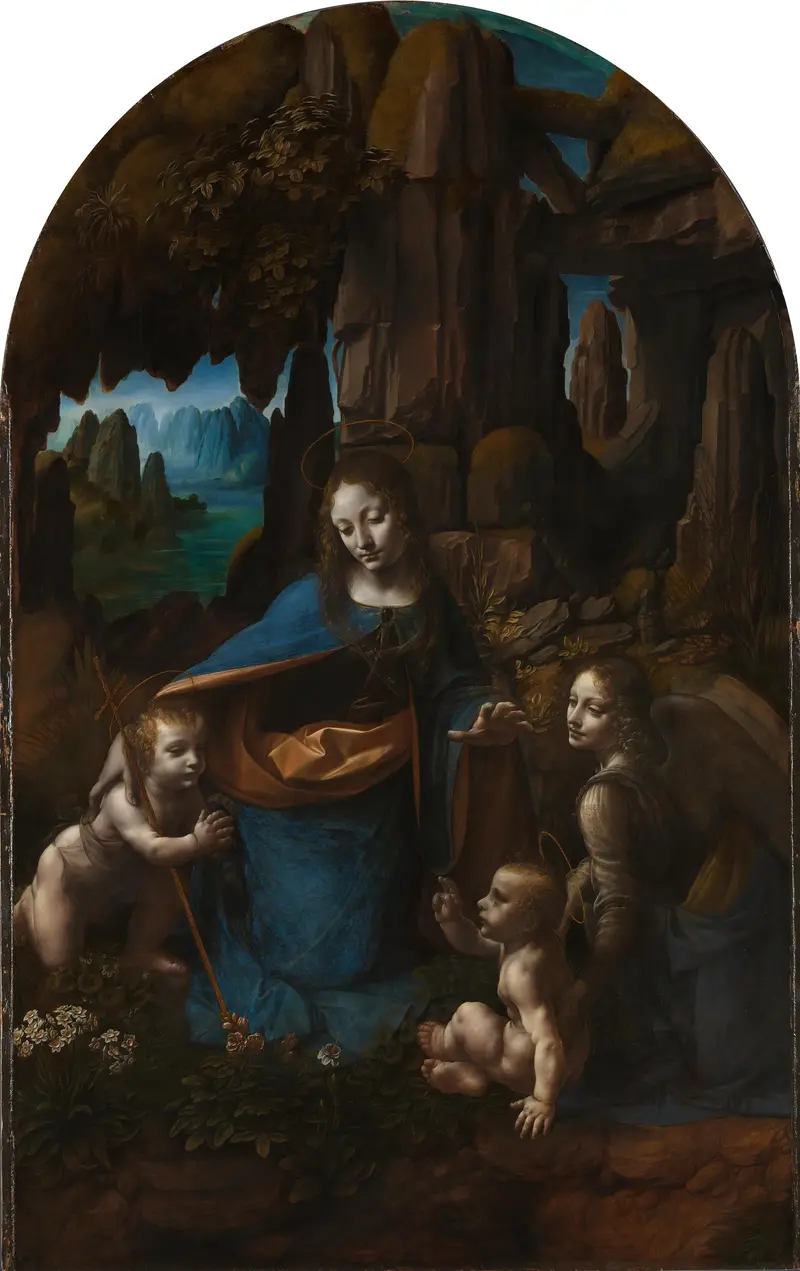
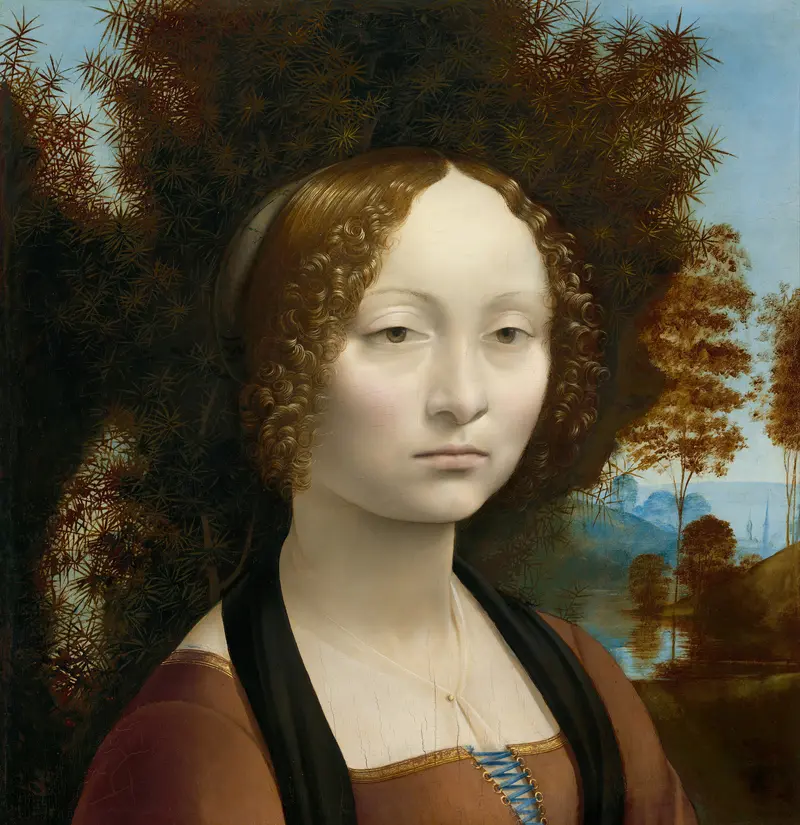
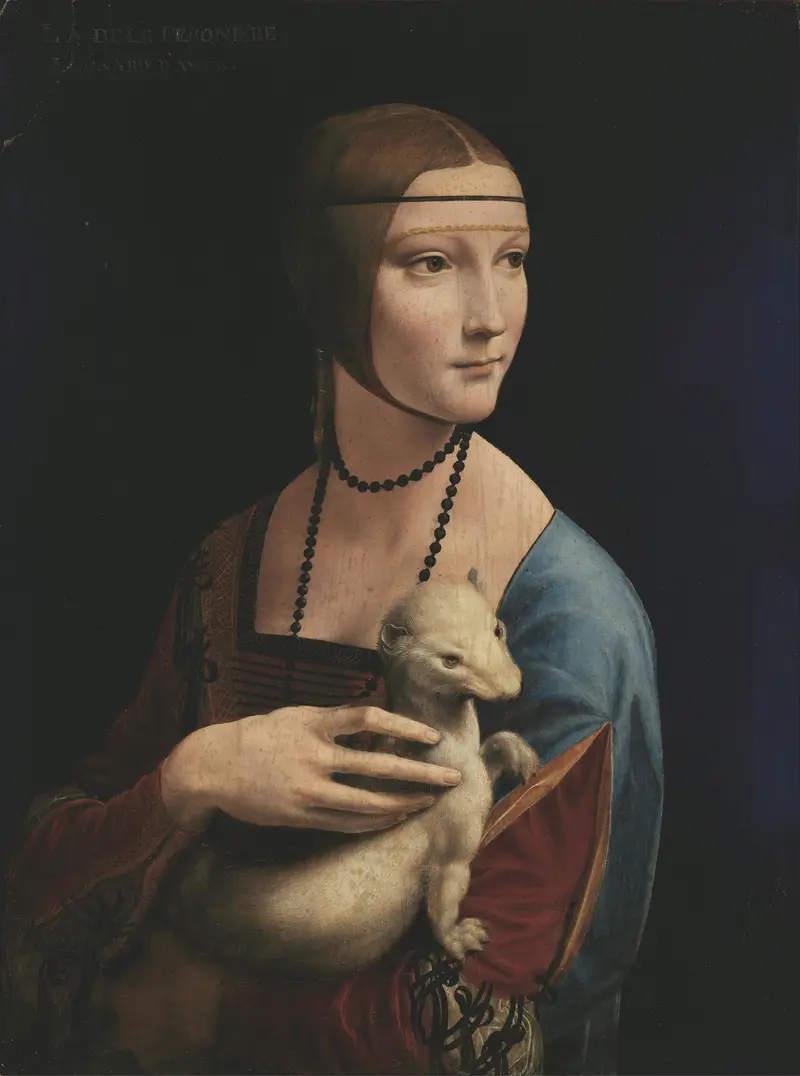
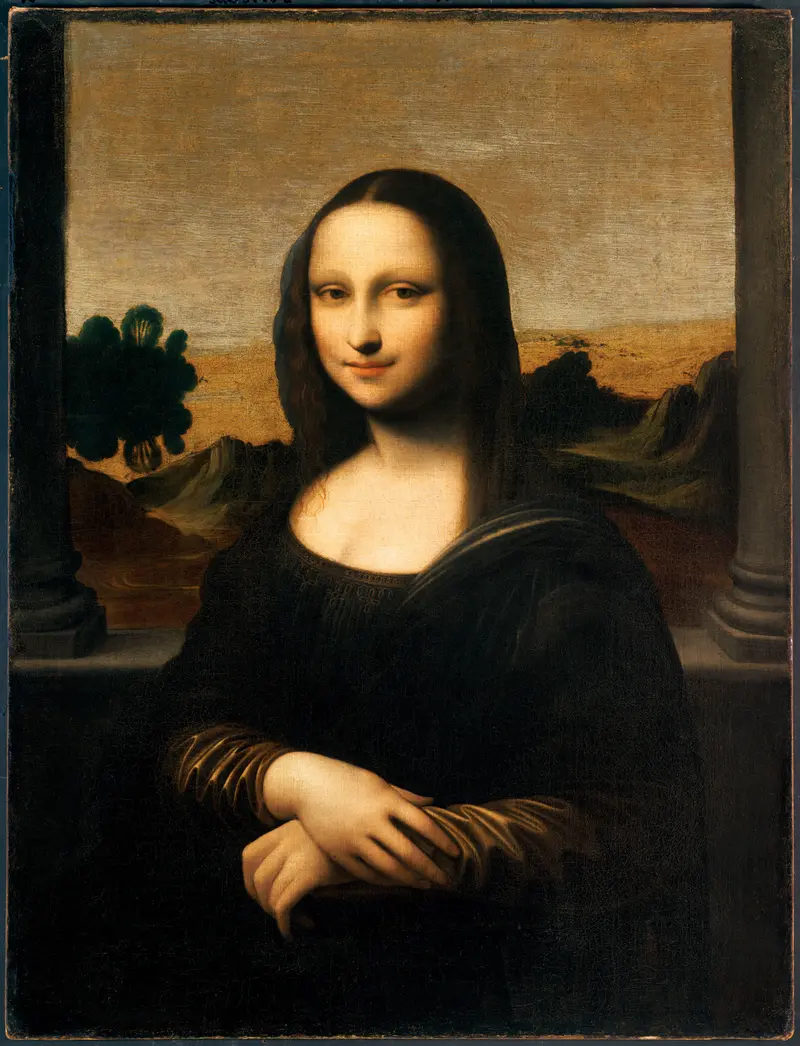
Leonardo is most famous for the Mona Lisa (begun around 1503, now in the Louvre) and The Last Supper, painted in Milan in 1495–1498. Wikidata also lists Lady with an Ermine (about 1490), The Virgin of the Rocks, The Annunciation (about 1472) and the drawing Vitruvian Man among his notable works. An earlier portrait, Ginevra de’ Benci (about 1474–1478), is in Washington. The paintings can be downloaded free on Fine Art Free.
Source: Wikidata Q762 · Louvre: Mona Lisa (INV 779) · Cenacolo Vinciano: The Last Supper · National Museum in Kraków: Lady with an Ermine · Uffizi: Annunciation · National Gallery of Art open data: Ginevra de’ Benci (1967.6.1.a)
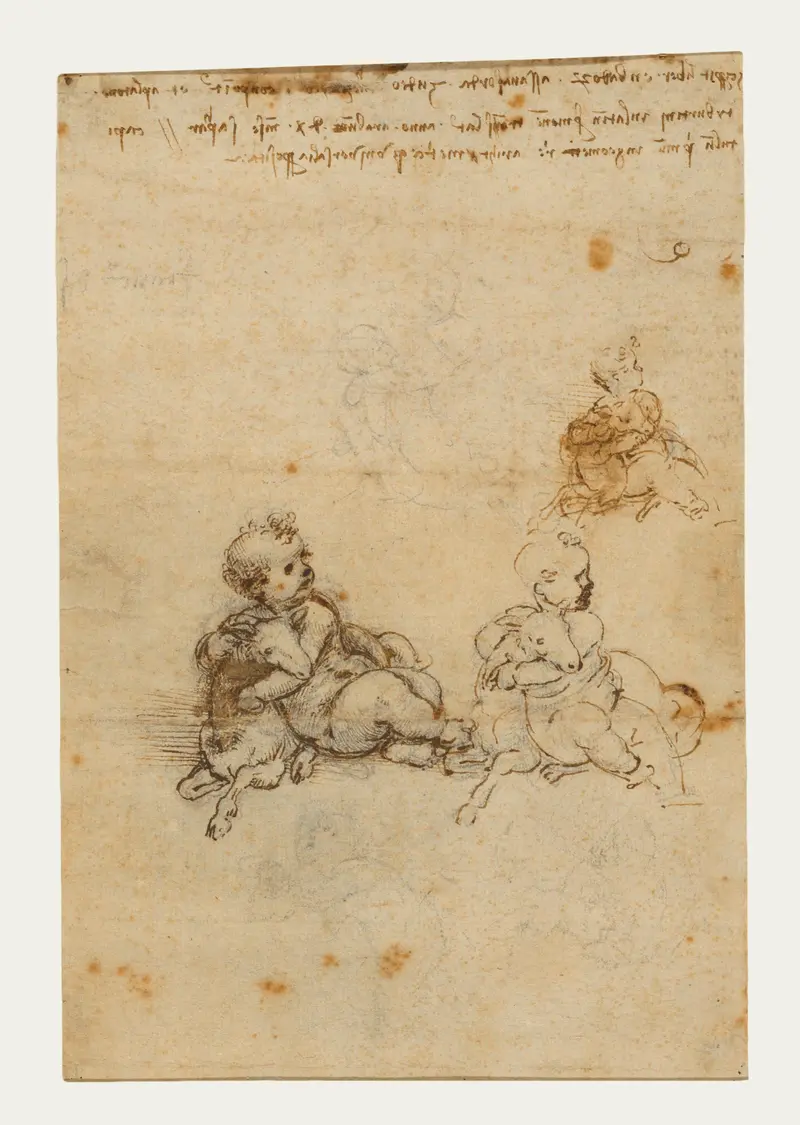
Leonardo’s inventions survive as machine designs drawn in his notebooks, which he wrote in mirror handwriting: flying machines, military bridges, digging and water-lifting machines. The National Gallery notes that his helicopter-type design was never built. The Ambrosiana’s Codex Atlanticus includes a self-supporting military bridge, a rope-making machine and a digging machine. In spring 1518 he also designed sets and special effects for court ceremonies at Amboise.
Source: National Gallery, London: Leonardo da Vinci · Biblioteca Ambrosiana: Codex Atlanticus · Château royal d’Amboise: Leonardo da Vinci
Leonardo died on 2 May 1519 at the Clos Lucé, near Amboise in France, aged 67. The National Gallery says a stroke left him paralysed down his right side in his last years, but the sources cited here give no documented cause of death. He was first buried in the château’s Saint-Florentin church; his remains were moved to the Saint-Hubert chapel in the mid-19th century, where his tomb still is. Vasari’s scene of him dying in the arms of Francis I is a legend: the king was elsewhere that day.
Source: National Gallery, London: Leonardo da Vinci · Château royal d’Amboise: Leonardo da Vinci · Château royal d’Amboise: the story of Leonardo’s death · German National Library (GND): Leonardo da Vinci
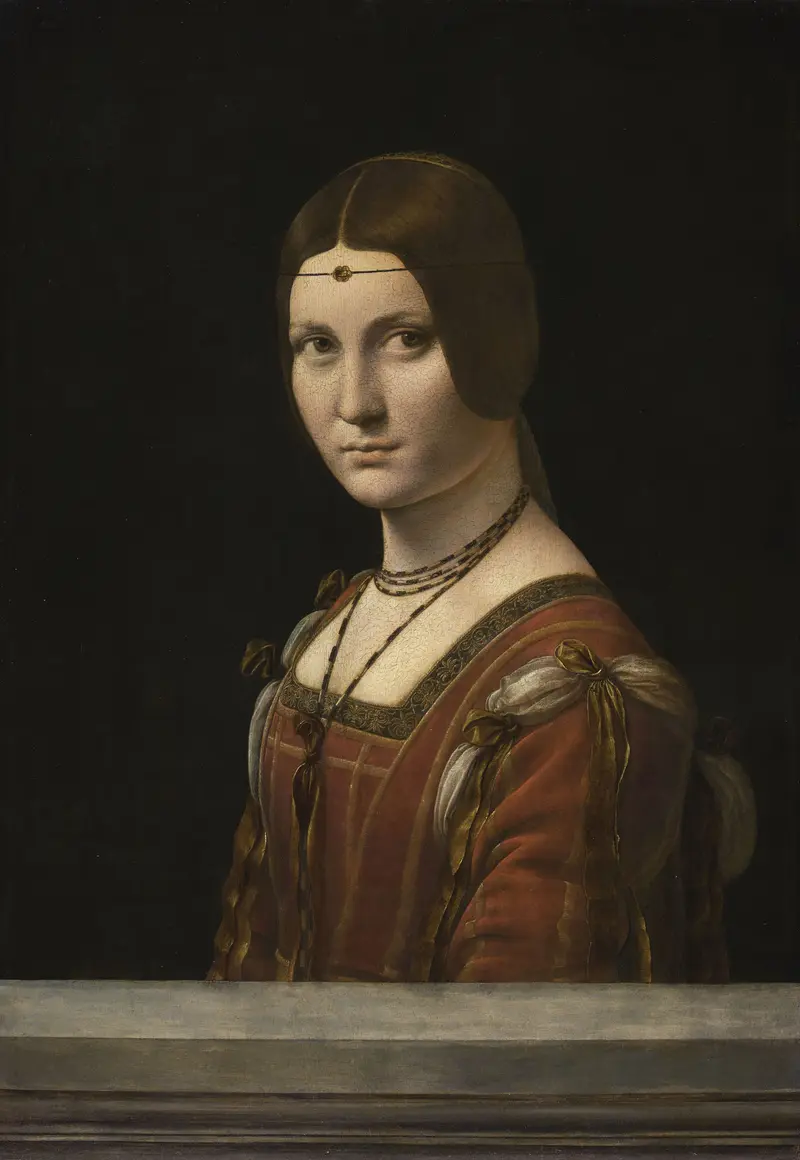
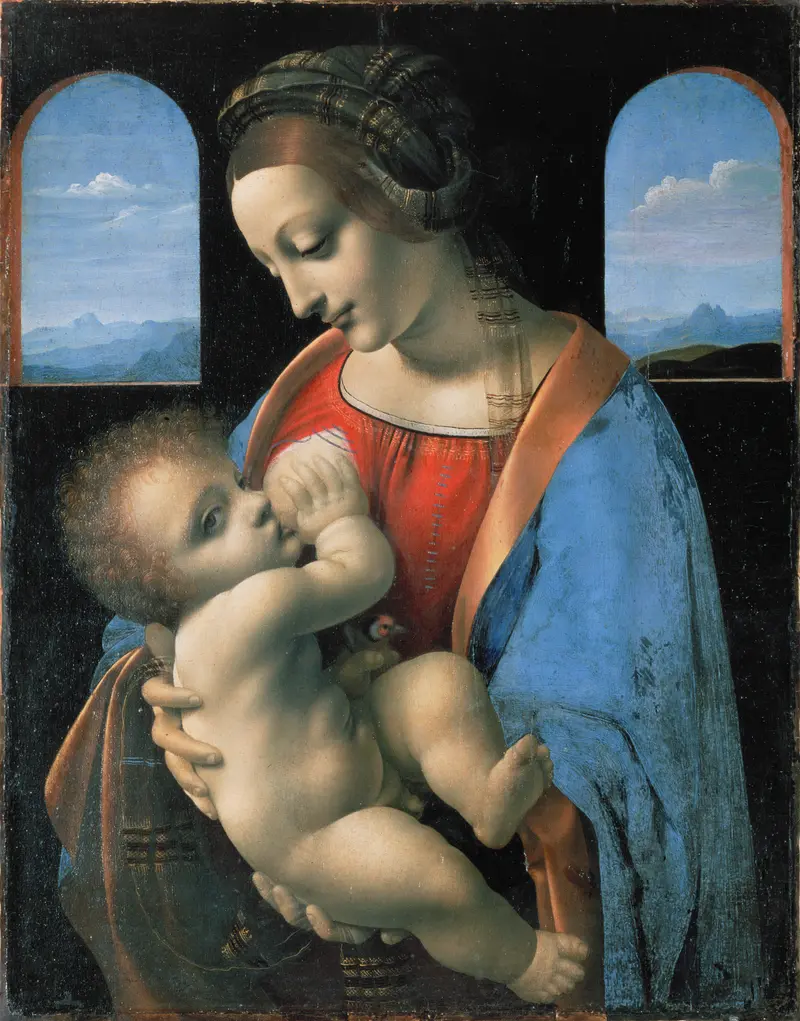
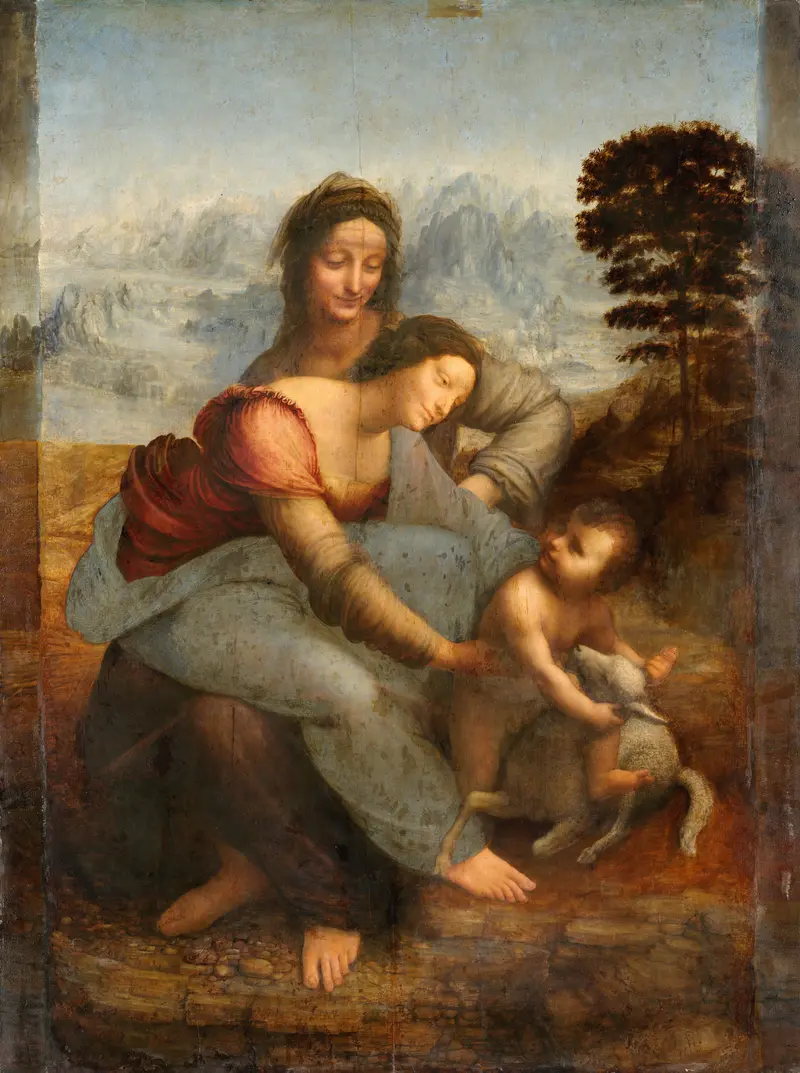
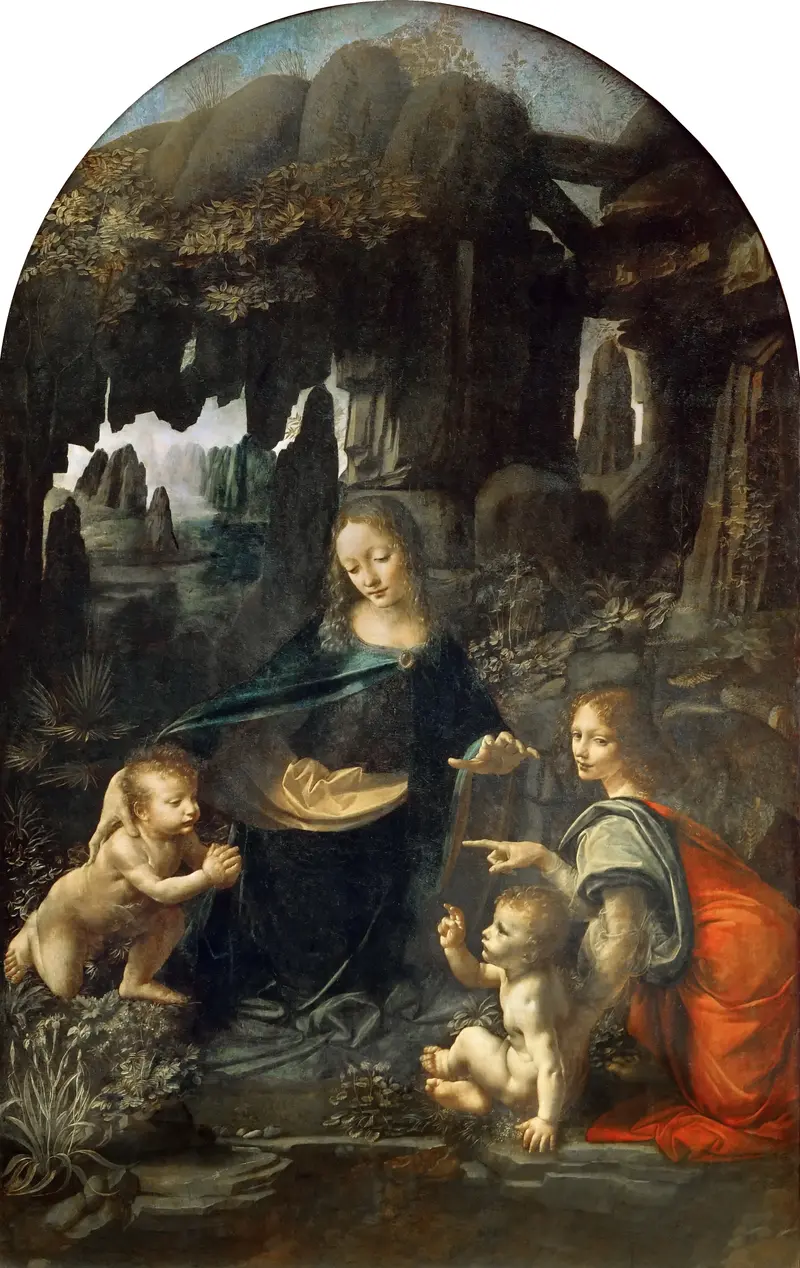
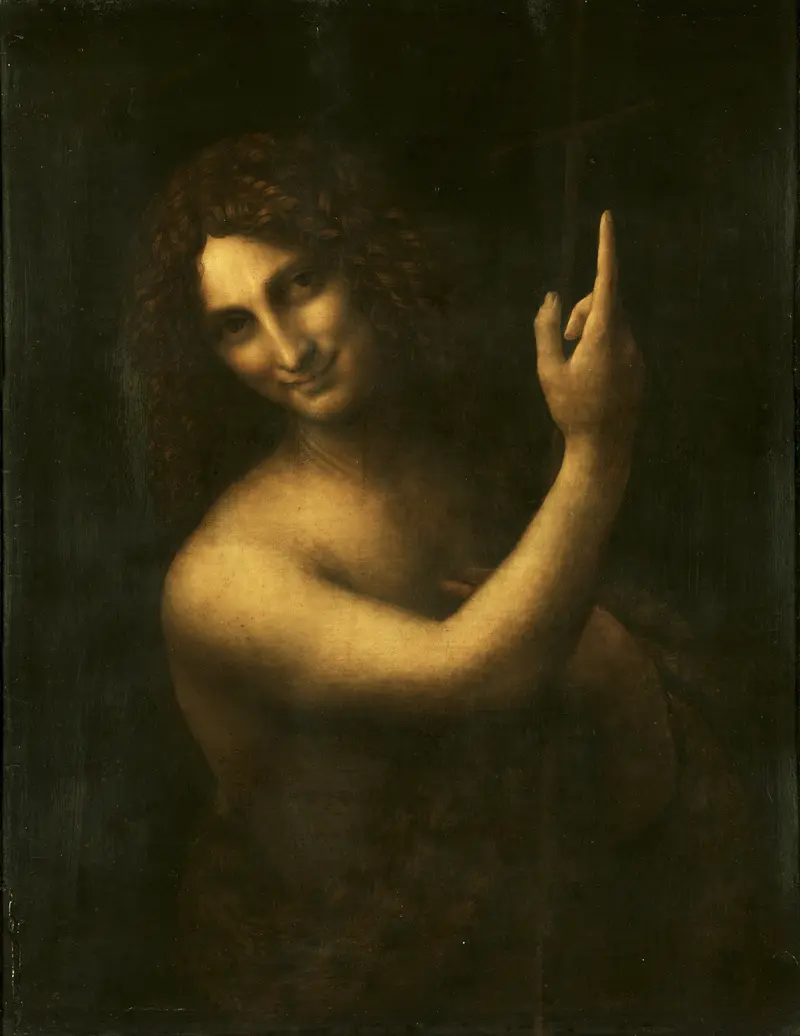
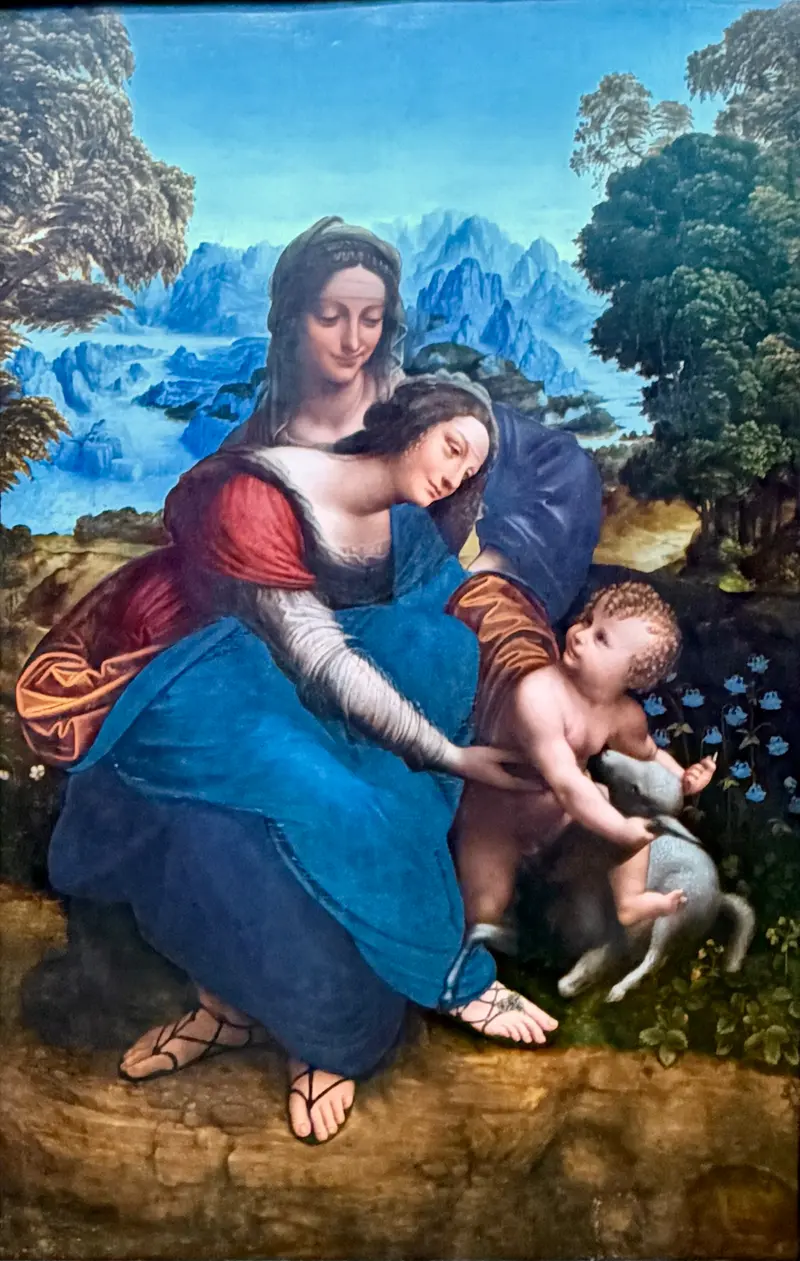
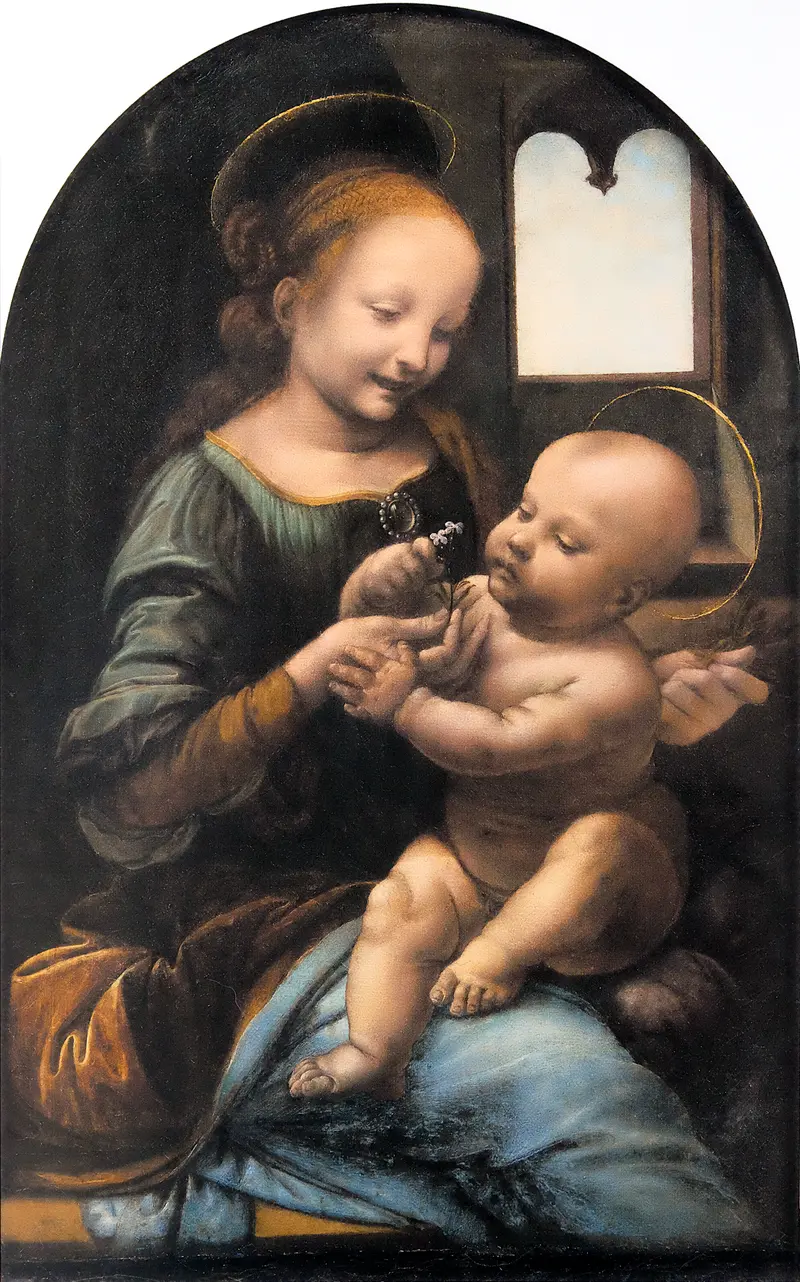
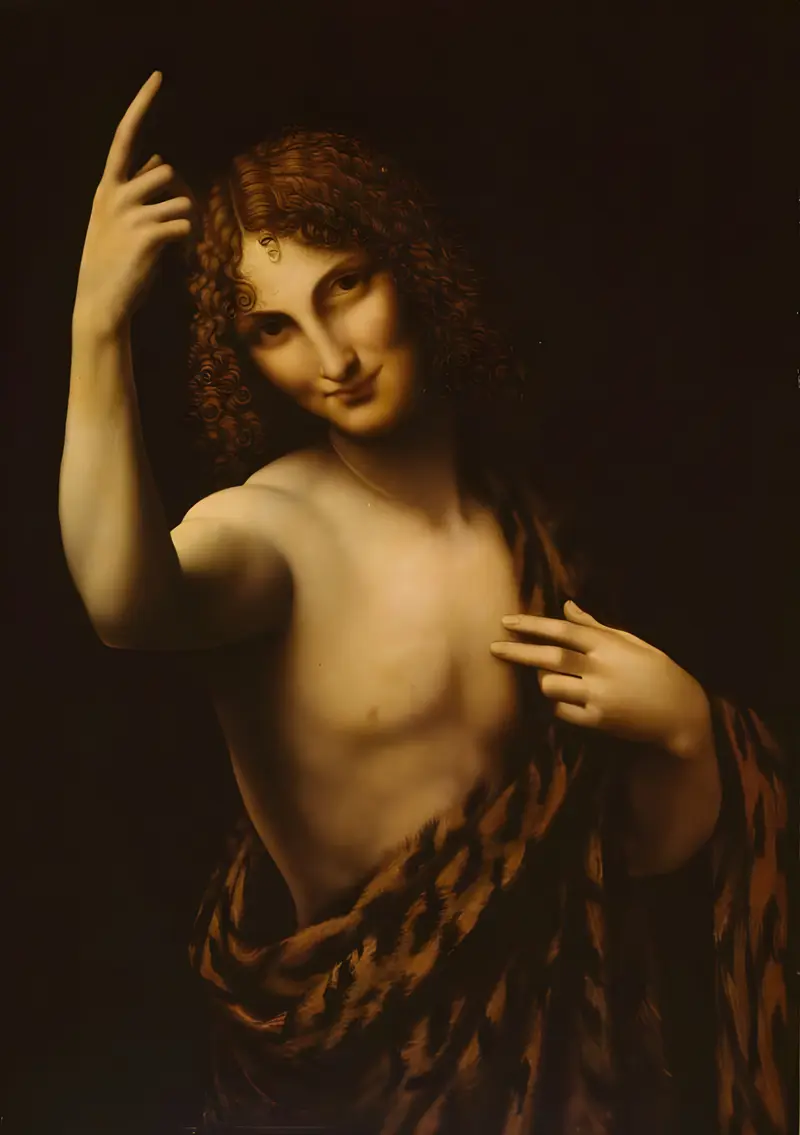
About a dozen to about twenty, depending on who counts (as of November 2026). The Hermitage says only around a dozen survive; the scholar Martin Kemp counts about 16 painted wholly or mainly by Leonardo, plus four or five he worked on. The Louvre says it holds the world’s largest collection of them, five paintings: The Virgin of the Rocks, La Belle Ferronnière, the Mona Lisa, Saint John the Baptist and The Virgin and Child with Saint Anne. The Hermitage has the Benois Madonna and the Madonna Litta. Fine Art Free offers 45 works under his name, including drawings and works attributed to him or his circle.
Source: Hermitage: Benois Madonna (ГЭ-2773) · Hermitage: Litta Madonna (ГЭ-249) · The Art Newspaper (Martin Kemp, 23 May 2025): How to see every painting by Leonardo da Vinci · Louvre press room: Leonardo da Vinci exhibition (29 Apr 2019)
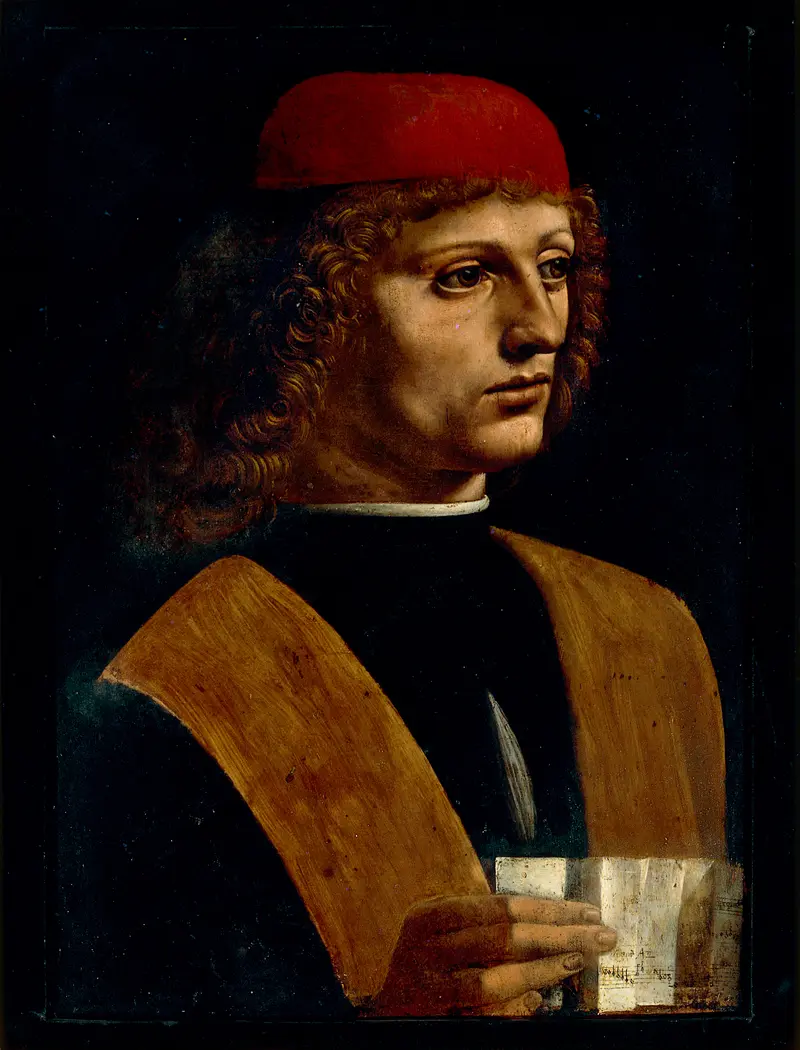
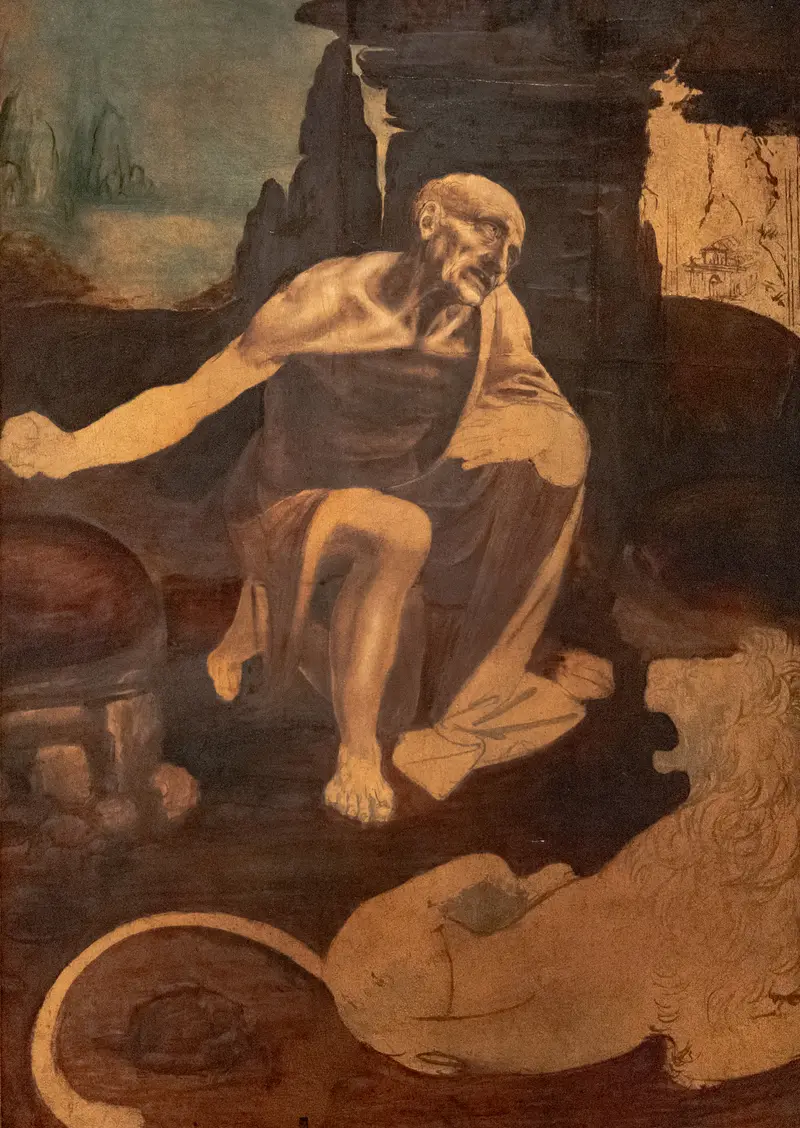
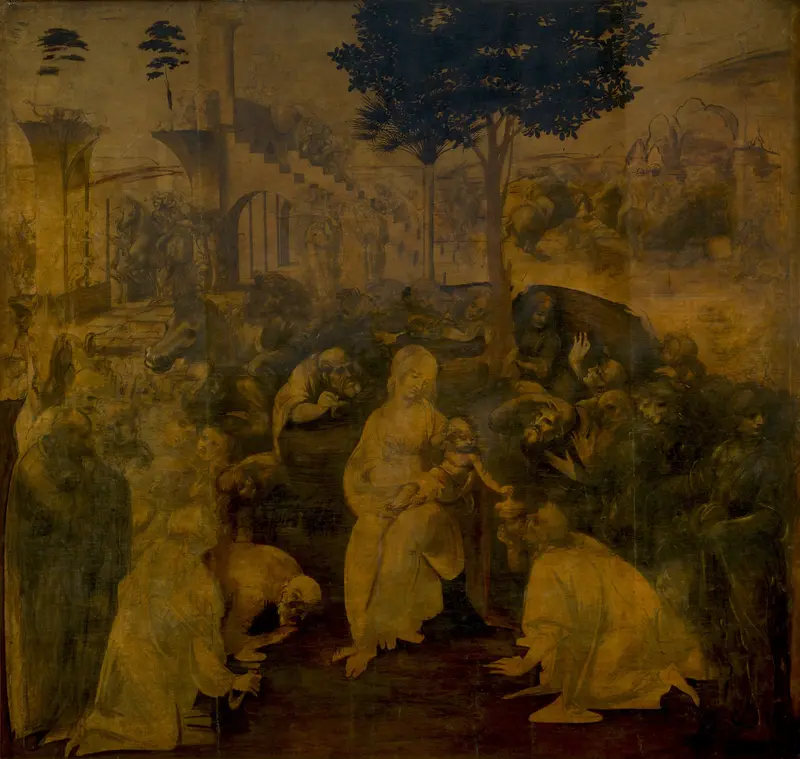
As of November 2026, the Louvre in Paris holds more of his paintings than any other museum, including the Mona Lisa. In Italy, the Uffizi in Florence shows The Annunciation and the unfinished Adoration of the Magi; the Vatican Museums hold Saint Jerome in the Wilderness; in Milan the Pinacoteca Ambrosiana has the Portrait of a Musician, and The Last Supper is in the Santa Maria delle Grazie refectory, where visits need advance booking. Elsewhere: the Hermitage in St Petersburg, the National Gallery in London, the National Gallery of Art in Washington and the Czartoryski Museum in Kraków.
Source: Louvre press room: Leonardo da Vinci exhibition (29 Apr 2019) · Uffizi: Adoration of the Magi · Vatican Museums: Leonardo da Vinci’s Saint Jerome · Pinacoteca Ambrosiana: the museum (14 Nov 2026) · Cenacolo Vinciano: visitor information (14 Nov 2026) · The Art Newspaper (Martin Kemp, 23 May 2025): How to see every painting by Leonardo da Vinci
The Vitruvian Man is a drawing of about 1490, in metalpoint, pen and ink with touches of watercolour, showing an ideal male figure in two poses inscribed in a circle and a square. It belongs to the Gallerie dell’Accademia in Venice, which keeps it off display for conservation reasons (as of November 2026). The museum notes that the proportions follow Alberti’s De statua more closely than the text of Vitruvius, whom the drawing cites. Similar proportion studies survive in Turin and in the Royal Collection at Windsor.
Source: Gallerie dell’Accademia: Vitruvian Man (14 Nov 2026) · The Art Newspaper (Martin Kemp, 23 May 2025): How to see every painting by Leonardo da Vinci · Wikidata Q215486 (Vitruvian Man)
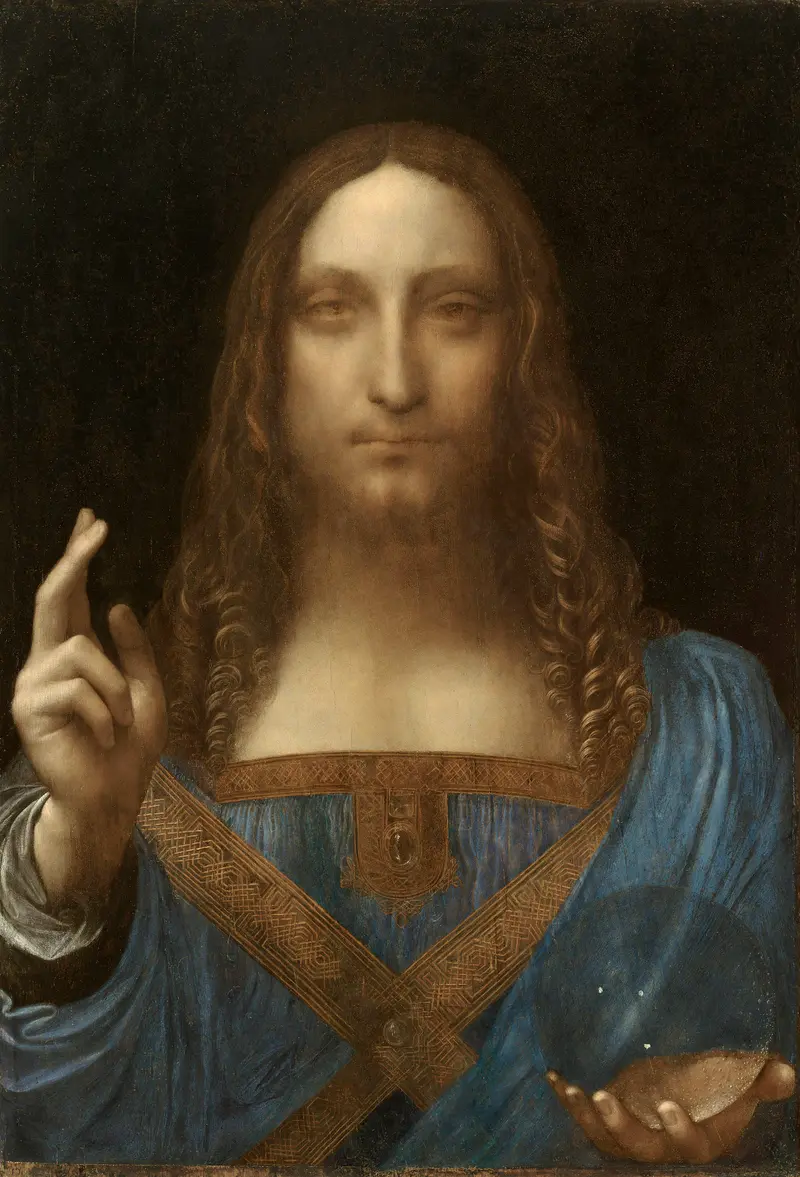
Scholars disagree. Salvator Mundi was shown as Leonardo’s work in the National Gallery’s 2011–12 exhibition, and Christie’s sold it in New York on 15 November 2017 as his for USD 450,312,500 including fees, after a restoration undertaken in 2007; before its rediscovery it had been attributed to Leonardo’s followers. Martin Kemp calls the attribution polarised and acrimonious and leaves the painting off his May 2025 list, noting that its whereabouts are not definitely known; they are still not publicly confirmed as of November 2026.
Source: Christie’s: Salvator Mundi (lot, sold 15 Nov 2017) · National Gallery, London: Leonardo da Vinci: Painter at the Court of Milan (2011–12) · The Art Newspaper (Martin Kemp, 23 May 2025): How to see every painting by Leonardo da Vinci
Yes, Leonardo’s paintings are in the public domain. He died in 1519, so his paintings are free of copyright in every country where it lasts the author’s life plus 100 years or less. Faithful photographs of them add no new copyright in the United States or the European Union, so the 45 works on Fine Art Free can be downloaded and used in personal or commercial projects. Public Domain Images for Commercial Use explains how.
Source: Wikidata Q762 · German National Library (GND): Leonardo da Vinci
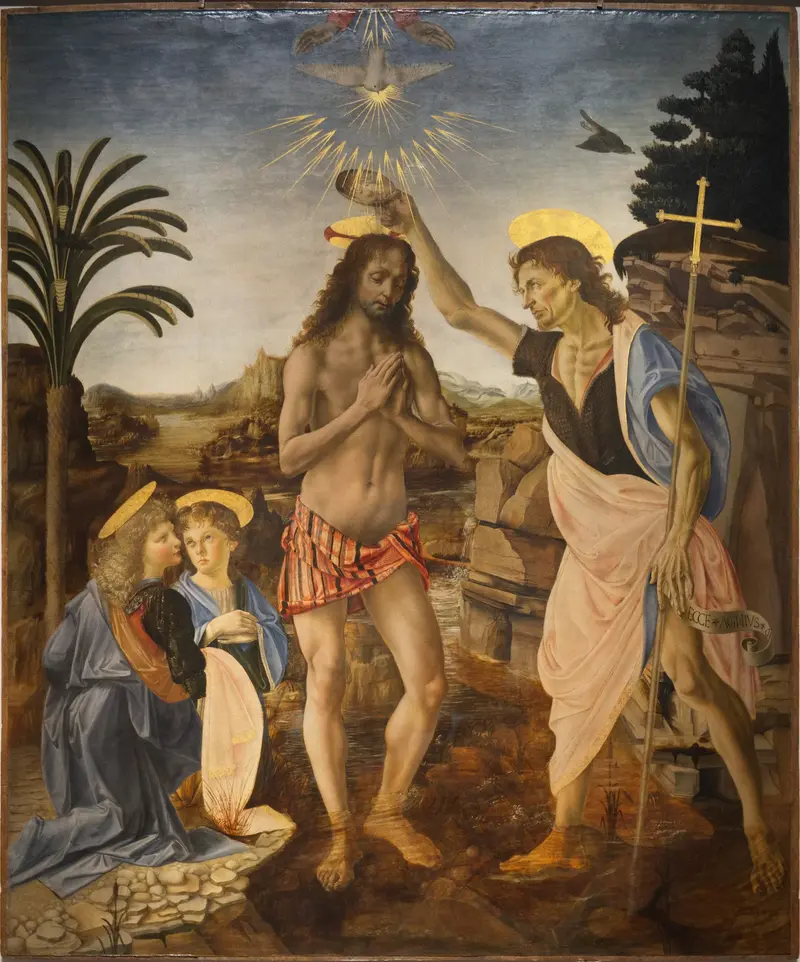
Leonardo da Vinci (15 April 1452, Vinci, Italy – 2 May 1519, Amboise, France), born Leonardo di ser Piero da Vinci, was an Italian painter, draughtsman, engineer and scientist associated with the Renaissance. The illegitimate son of a Florentine notary, he trained in Florence in the workshop of Andrea del Verrocchio, worked at the Sforza court in Milan and spent his last years in France, where he died. His best-known works include the Mona Lisa, The Last Supper and Lady with an Ermine.
Sources: Wikidata Q762 · National Gallery, London: Leonardo da Vinci · Getty ULAN: Leonardo da Vinci · German National Library (GND): Leonardo da Vinci · Château royal d’Amboise: Leonardo da Vinci
45 works, free to download