
Head of a boy with a flute — History & Facts
No one knows for certain who the boy in Head of a boy with a flute is, but for centuries, viewers have been captivated by his lively presence—so much so that this painting was once misattributed to Jan Steen, whose genre scenes teem with youthful mischief. The debate over its authorship persisted well into the twentieth century, until careful study of the brushwork and handling of light confirmed it as the work of Frans Hals. This confusion speaks to the painting’s vivacity: it is one of those rare portraits that seems to pulse with life, blurring the line between sitter and viewer. The boy, caught in a half-turn, looks out with a directness that is both playful and unguarded.
His lips are slightly parted, as if he has just paused mid-tune or is about to speak. The flute, casually cradled in his hands, is more than a prop—it signals his role as a street musician, a familiar figure in Dutch towns of the mid-seventeenth century. Hals’s loose, energetic brushstrokes animate the boy’s tousled hair and the shimmer of his eyes, capturing a fleeting moment rather than a formal pose.
Unlike the more polished musicians in Vermeer’s The Music Lesson, this boy’s world is informal, spontaneous, and immediate. Little is recorded about the early history of Head of a boy with a flute. It likely formed part of a series of character studies—known as tronies—painted by Frans Hals in Haarlem during the 1650s, when he was at the height of his powers. The painting’s journey through private collections and attributions reflects the shifting fortunes of Dutch Golden Age art, especially as tastes changed in the centuries that followed.
Today, it stands as a testament to Hals’s ability to capture personality with just a few strokes, and its presence in museum collections continues to spark debate and admiration among scholars and visitors alike.
More Artworks by Frans Hals

Banquet of the Officers of the St George Civic Guard
Frans Hals

Portrait of Jacob Pietersz Olycan (1596-1638)
Frans Hals
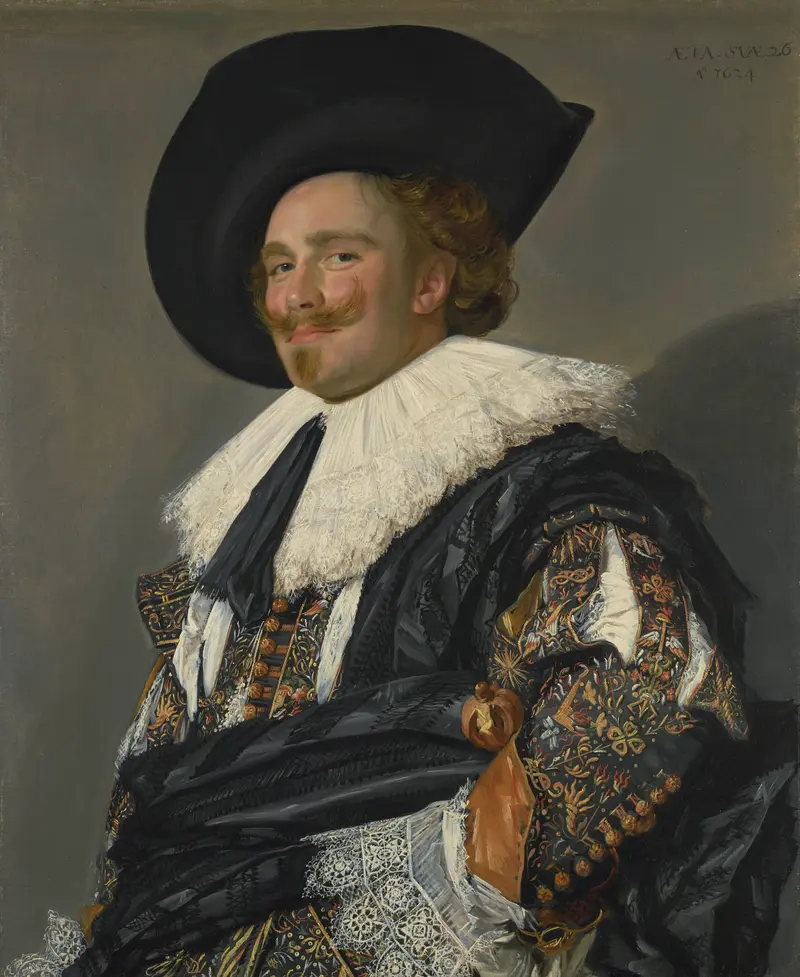
Laughing Cavalier
Frans Hals

Militia Company of District XI under the Command of Captain Reynier Reael, Known as ‘The Meagre Company’
Frans Hals
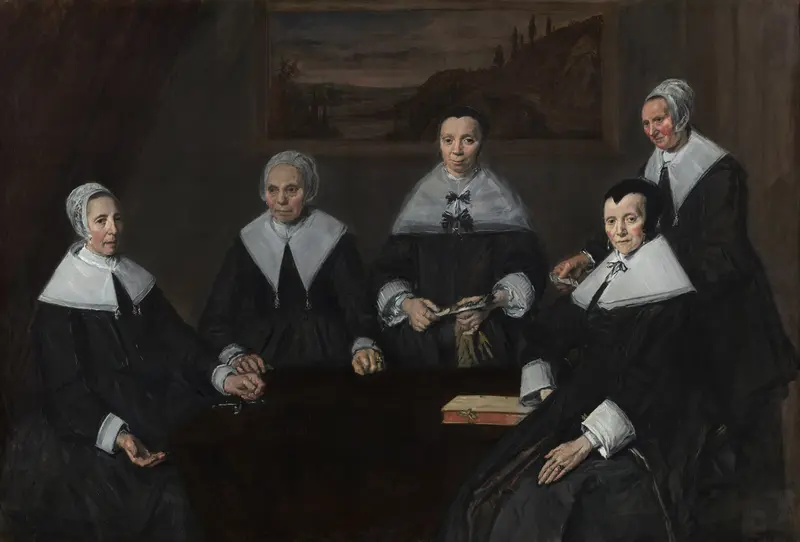
Regentesses of the Old Men's Alms House
Frans Hals
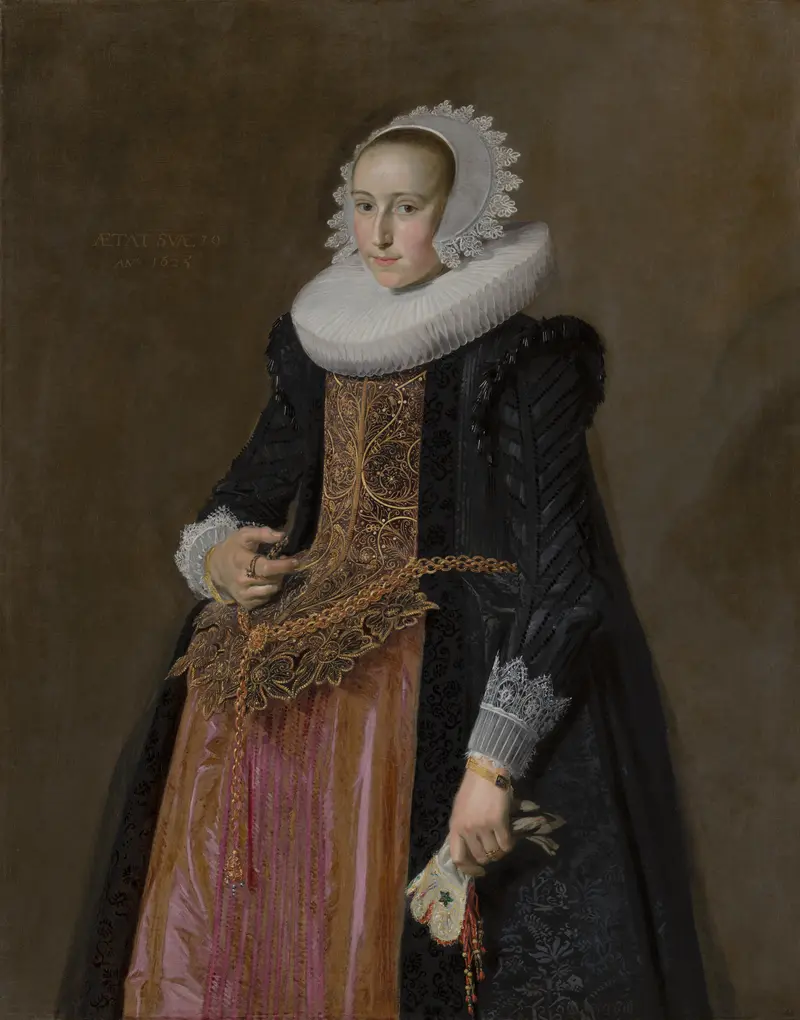
Portrait of Aletta Hanemans (1606–1653)
Frans Hals
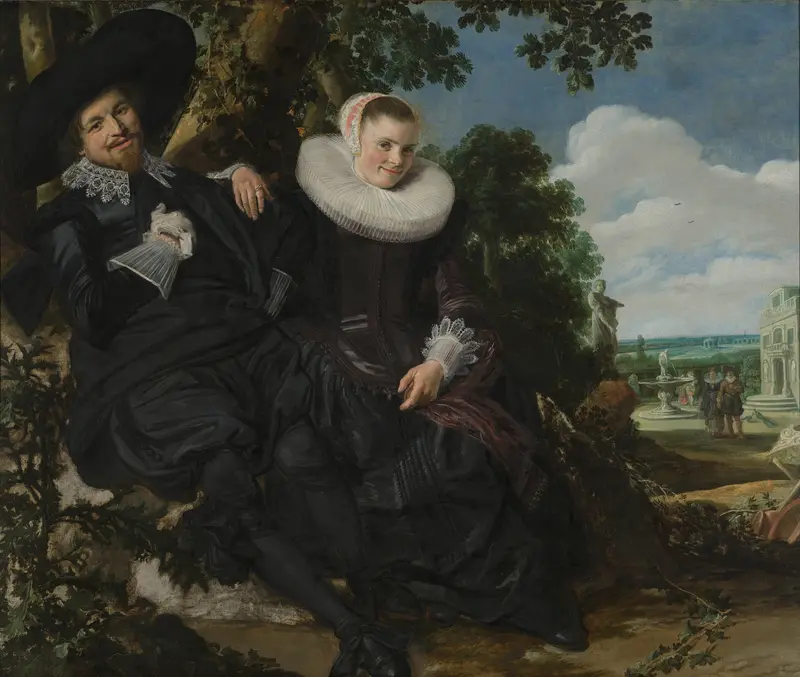
Portrait of a Married Couple, Likely Isaac Abrahamsz Massa and Beatrix van der Laen
Frans Hals
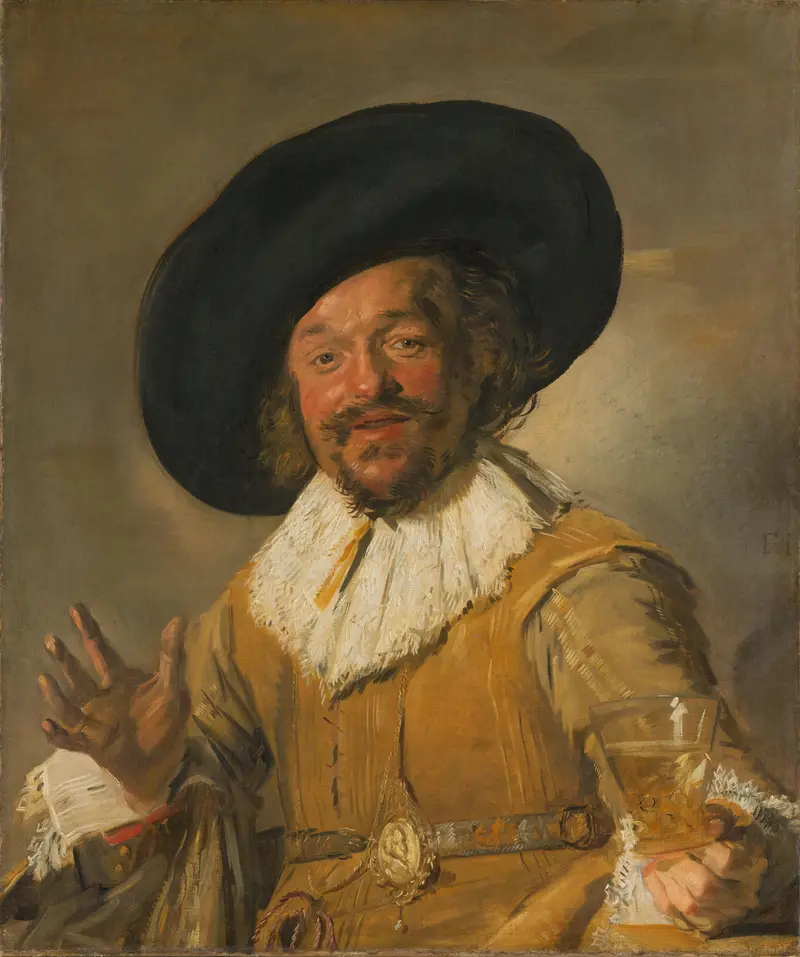
The Merry Drinker
Frans Hals
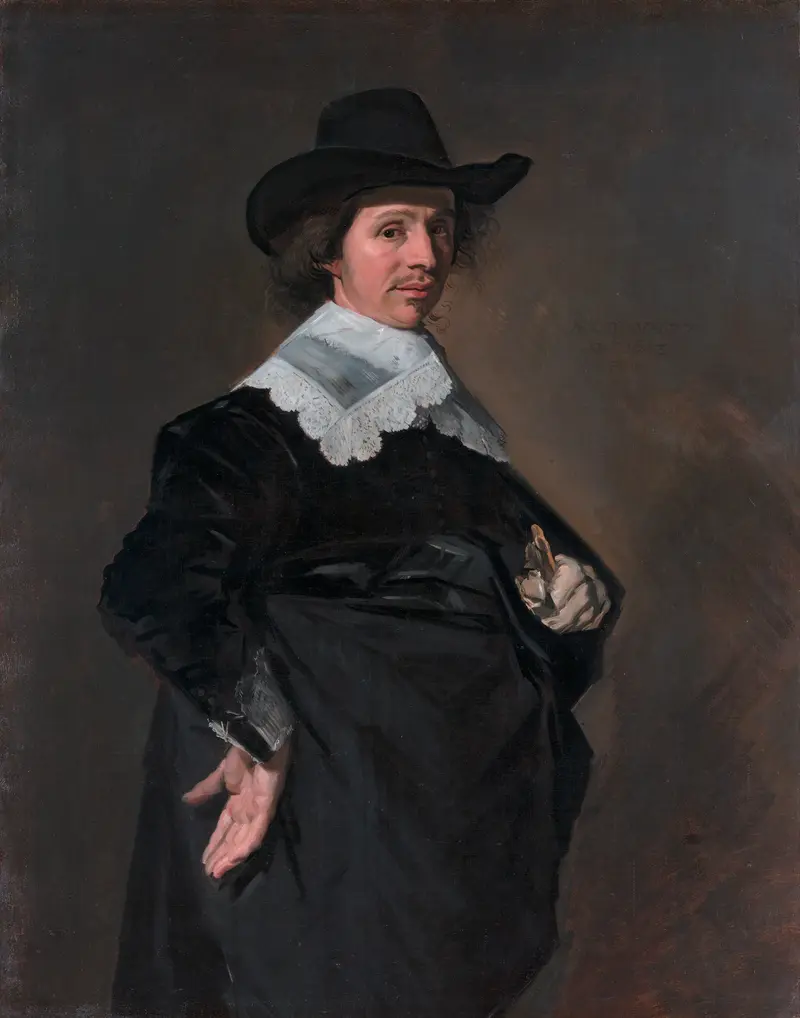
Portrait of Paulus Verschuur
Frans Hals
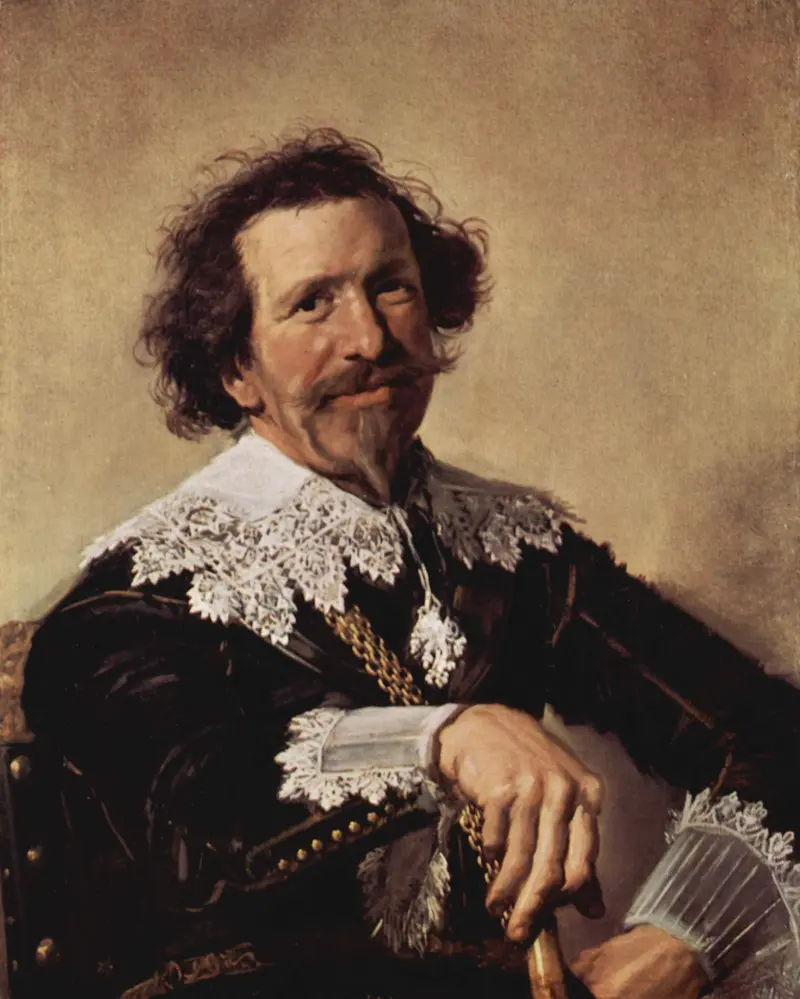
Portrait of Pieter van den Broecke
Frans Hals





