
Head of a Woman — History & Facts
No one can say for certain when Head of a Woman by Jules Schmalzigaug was painted, nor even what medium the artist used, but its very ambiguity has made it a subject of fascination among scholars of early twentieth-century European art. The work stands out as a rare surviving example from an artist whose career was cut short by the First World War and who destroyed much of his own output in fits of doubt. The painting’s uncertain provenance and lack of documentation have left open questions about whether it was a study, a finished portrait, or an experiment in the new visual languages sweeping Europe at the time. The woman’s face emerges from a field of energetic brushwork, her features caught between definition and dissolution.
Rather than presenting a straightforward likeness, Schmalzigaug invites the viewer to linger on the interplay of light and shadow, the quick, almost nervous strokes that animate the sitter’s gaze. The head seems to hover, detached from any narrative context, yet charged with psychological presence. In this, the work recalls the explorations of identity and perception found in Umberto Boccioni’s portraits, though Schmalzigaug’s approach is softer, less mechanical, and more intimate.
The absence of background or setting focuses all attention on the woman’s expression, a fleeting moment suspended in paint. Little is known about the journey of Head of a Woman before it entered public collections. The lack of signature or date has led to debates over its attribution, but consensus now places it securely within Schmalzigaug’s small surviving body of work, likely from his years in Antwerp or during his brief involvement with the Futurist movement in Italy. Today, the painting is valued as a rare glimpse into the restless experimentation that marked the artist’s short life.
It remains a touchstone for those interested in the crosscurrents of modernism, and a poignant reminder of an artist searching for new forms of expression amid the upheavals of his time.
More Artworks by Jules Schmalzigaug

A View of Scheveningen
Jules Schmalzigaug
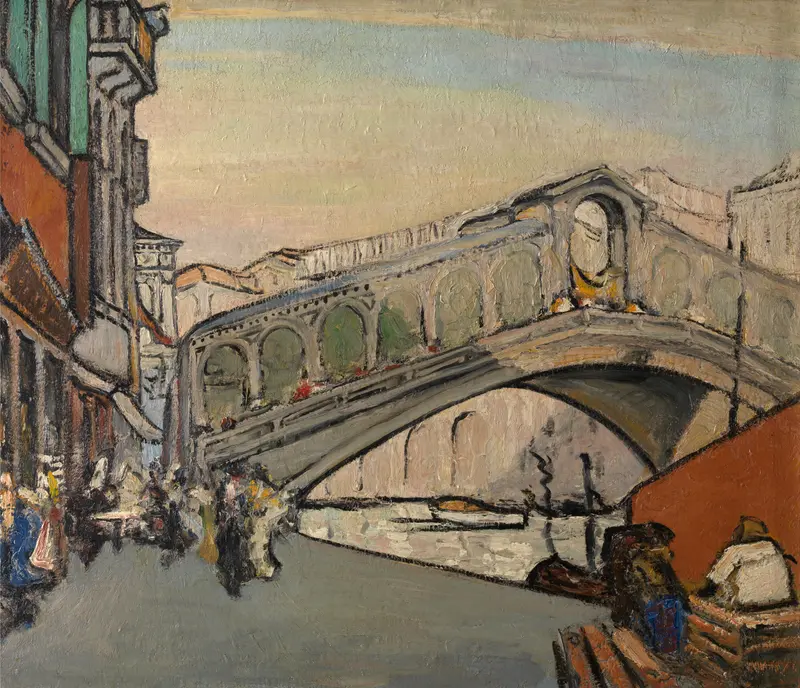
The Rialto Bridge in Venice
Jules Schmalzigaug

Abstract Bouquet
Jules Schmalzigaug
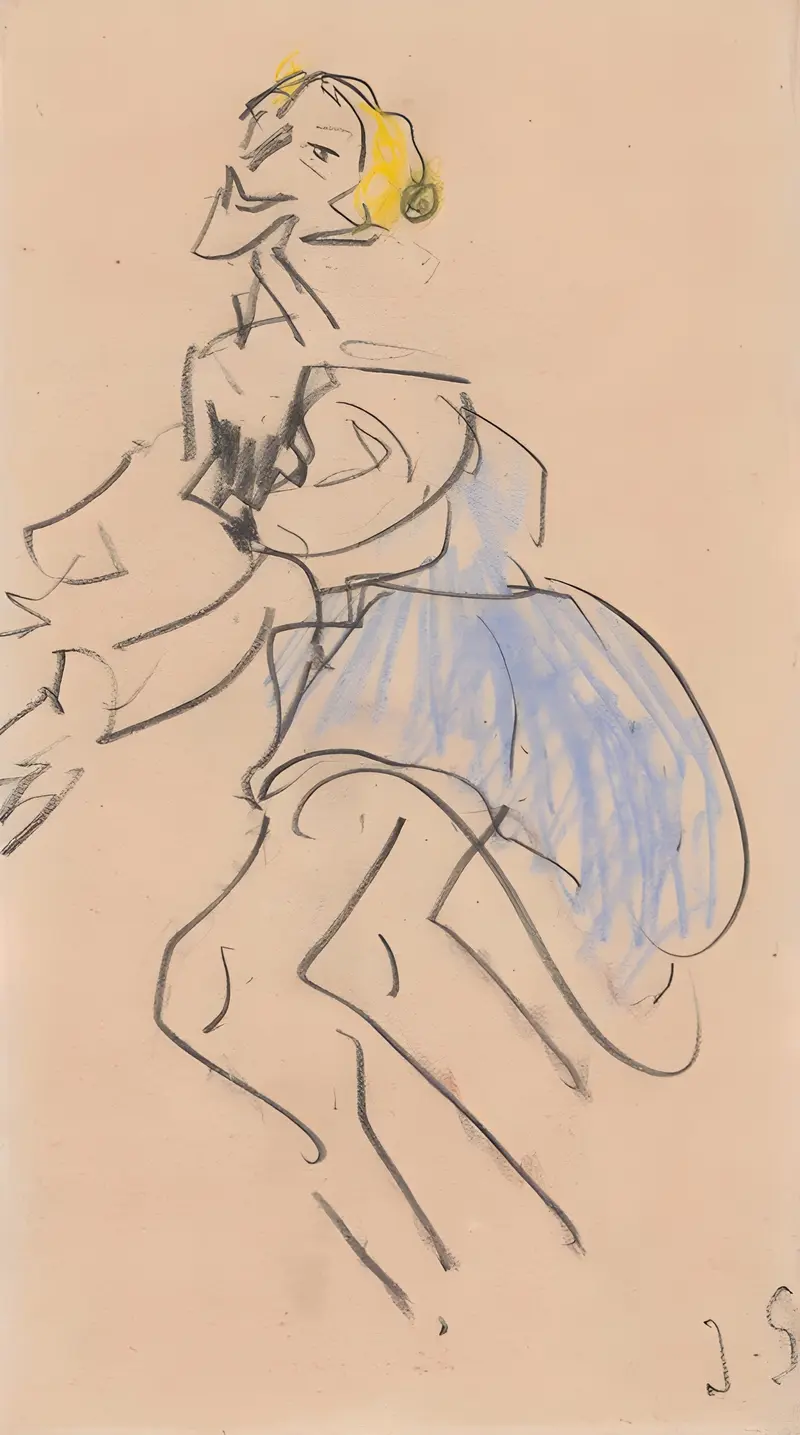
Dancer
Jules Schmalzigaug
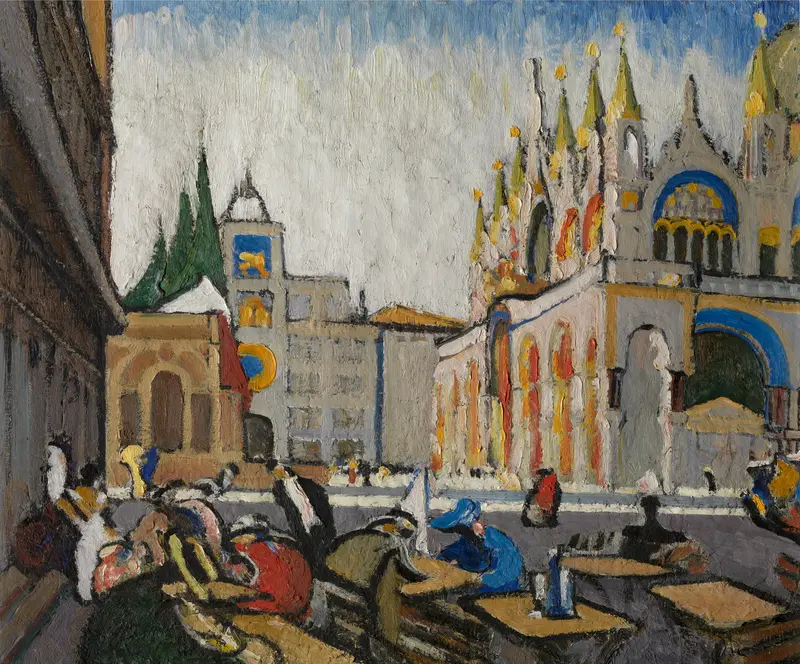
San Marco from the Piazetta
Jules Schmalzigaug
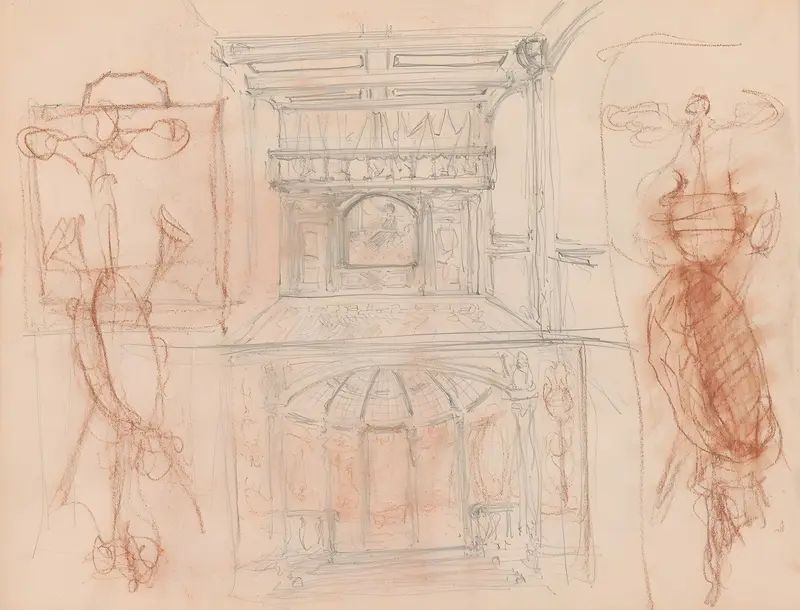
Architectural Elements
Jules Schmalzigaug
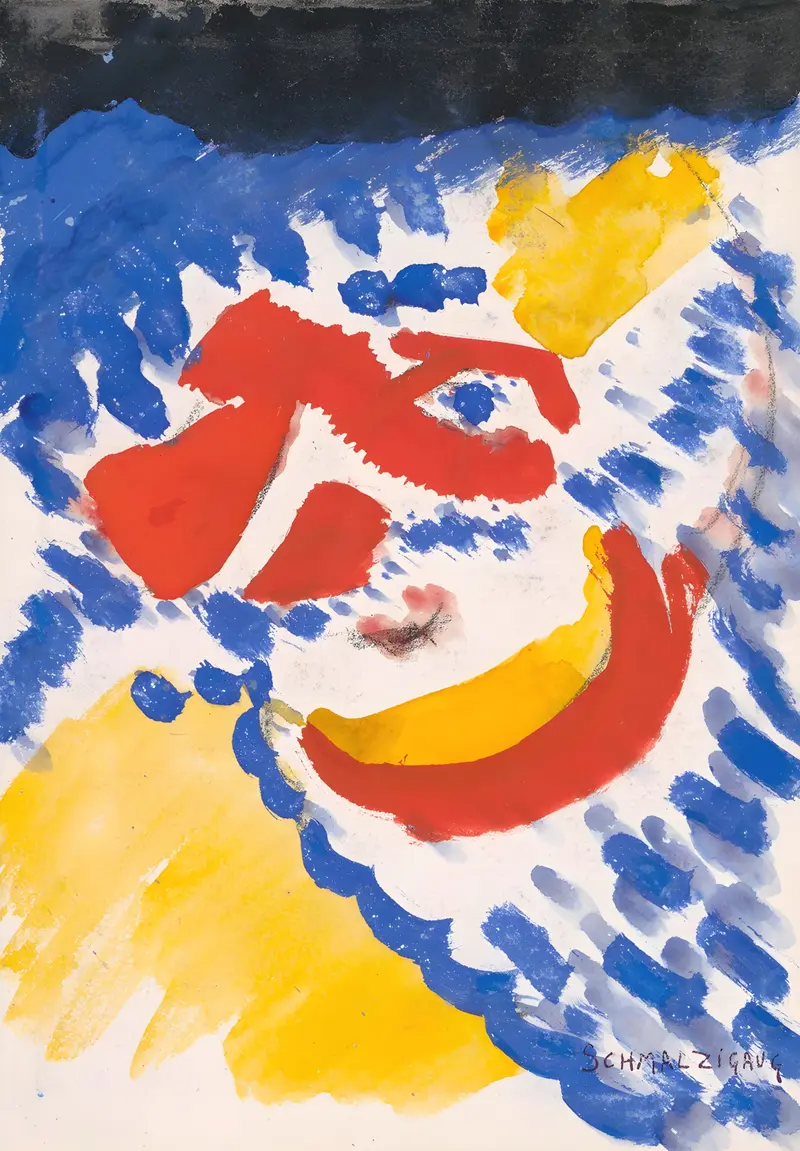
Blue, Red and Yellow Figures
Jules Schmalzigaug
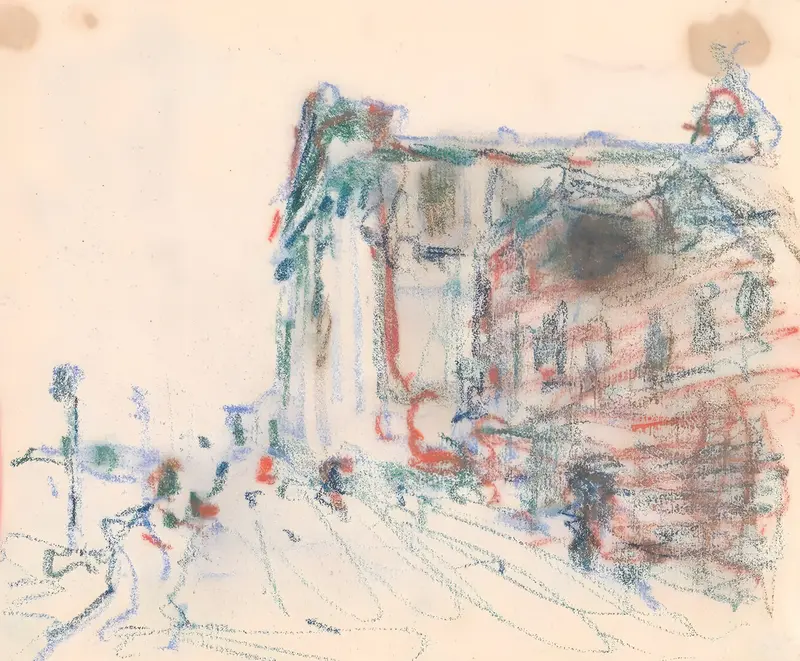
Chiesa dei Gesuati in Venice
Jules Schmalzigaug
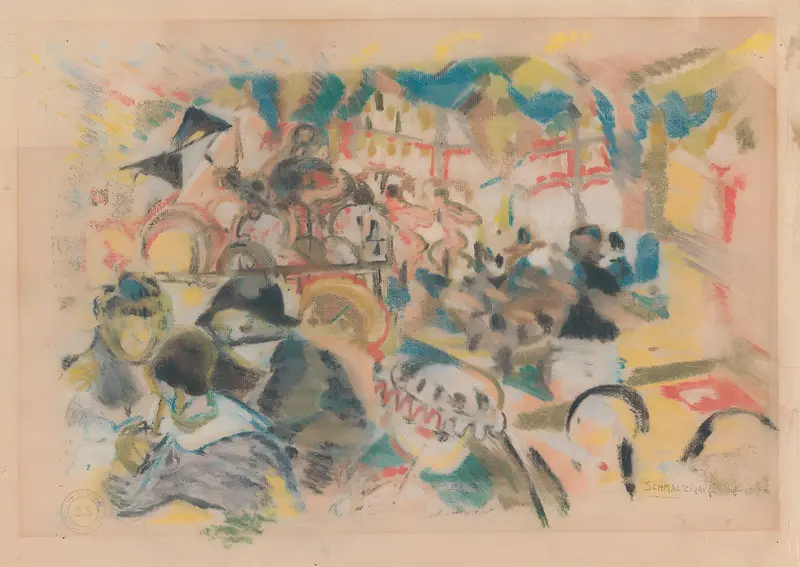
Café-chantant
Jules Schmalzigaug
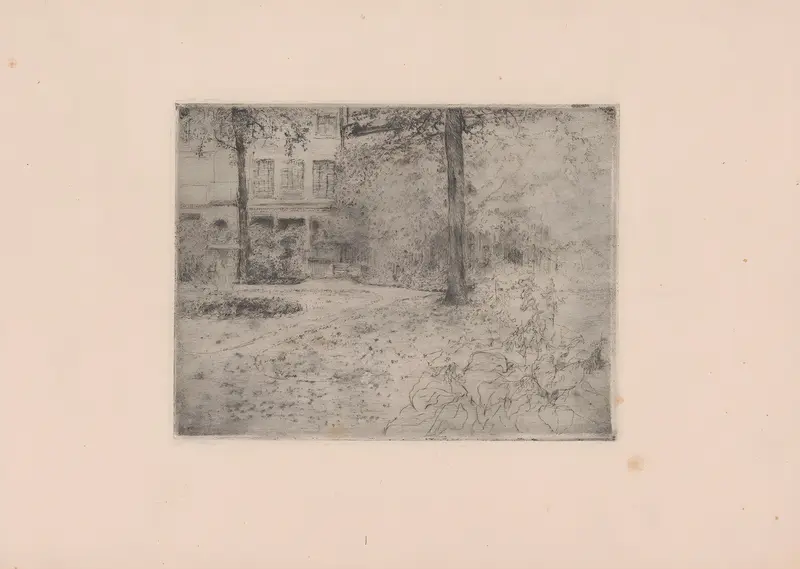
Backyard
Jules Schmalzigaug





