
Head of a Young Woman — History & Facts
What first draws the eye in Head of a Young Woman is the subject’s upward gaze: wide, luminous eyes seem to follow something just out of reach, inviting us into a moment of private reverie. The soft, almost tangible folds of blue fabric cradle her shoulders and frame her face, while her loose hair, threaded with a blue ribbon, spills across the pillow in a cascade of light and shadow. The artist’s hand lingers on the delicate flush of her skin, the gentle turn of her lips, and the glint of a single gold earring—each detail working together to suggest both vulnerability and a quiet confidence.
The light, cool and clear, glances off her shoulder, guiding the viewer’s attention from the curve of her neck to the thoughtful expression above. Painted in 1779, this work belongs to the world of late eighteenth-century France, when portraiture was both a social currency and a declaration of artistic ambition. Artists like Adélaïde Labille-Guiard—one of the few women to achieve recognition in the Parisian art world—often used such intimate studies to demonstrate their technical skill and their sensitivity to character. Whether commissioned or created for exhibition, these portraits were tokens of status, affection, or aspiration, capturing both likeness and the fleeting moods of youth.
History has kept few traces of this particular sitter or the painting’s early journey, but its presence in the Getty collection today invites us to linger over the face and wonder about the life behind the gaze.
More Artworks by Adélaïde Labille-Guiard
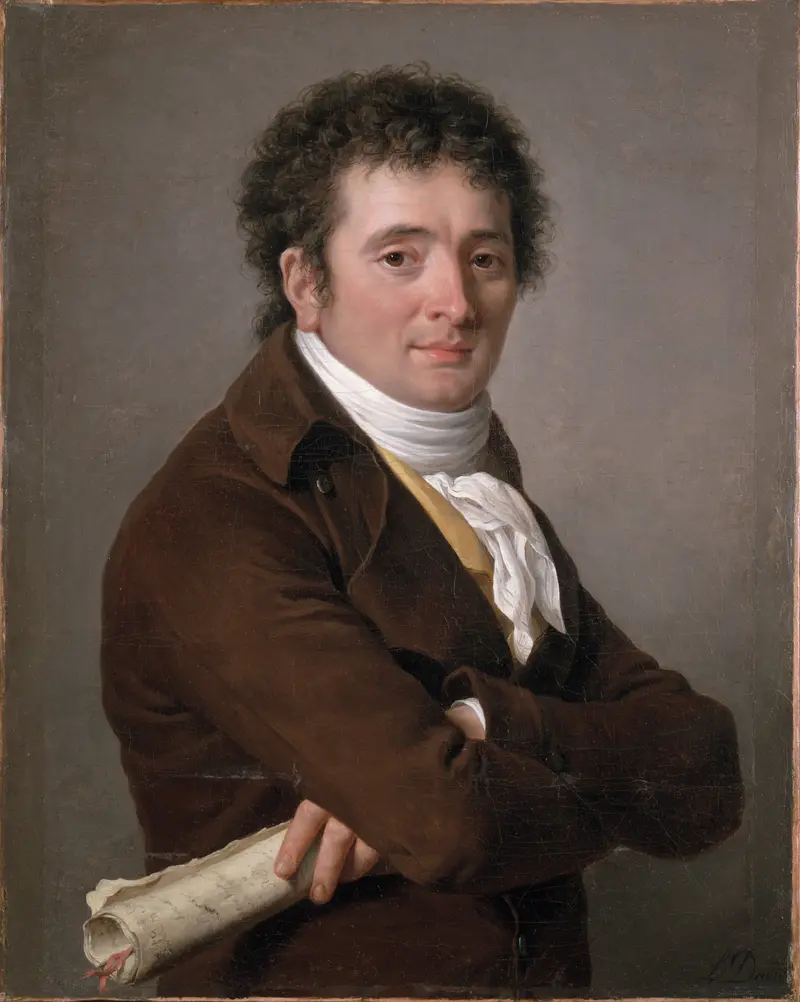
Tournelle, called Dublin (1761-1820)
Adélaïde Labille-Guiard
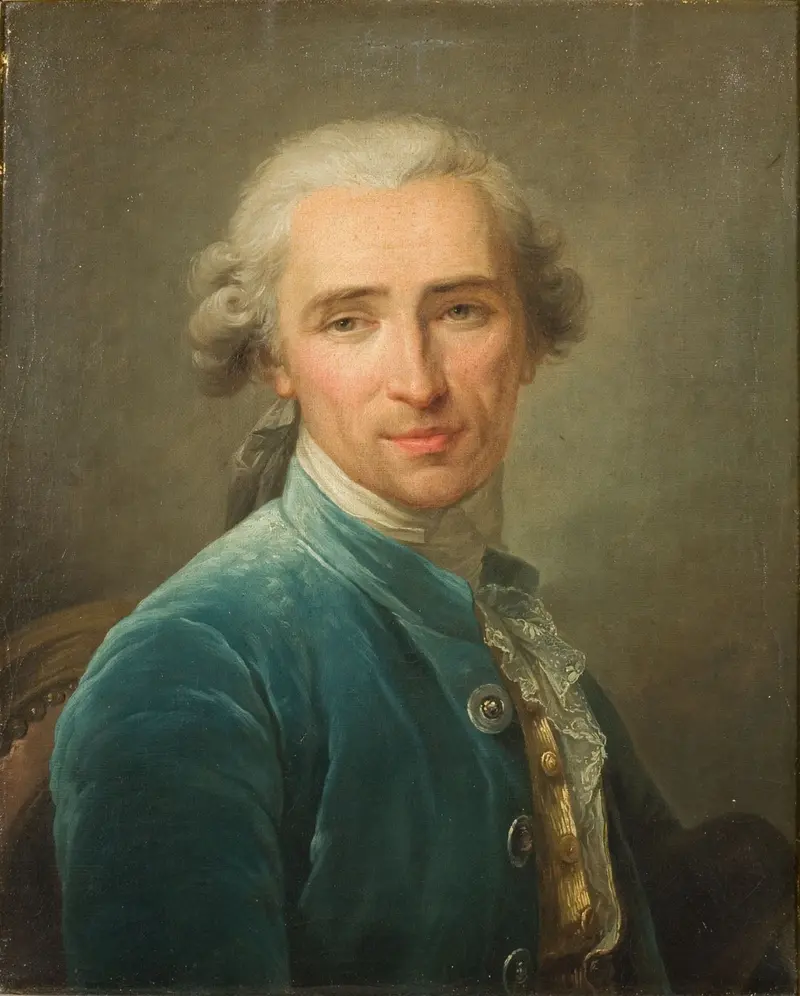
Portrait de Joseph Benoît Suvée
Adélaïde Labille-Guiard
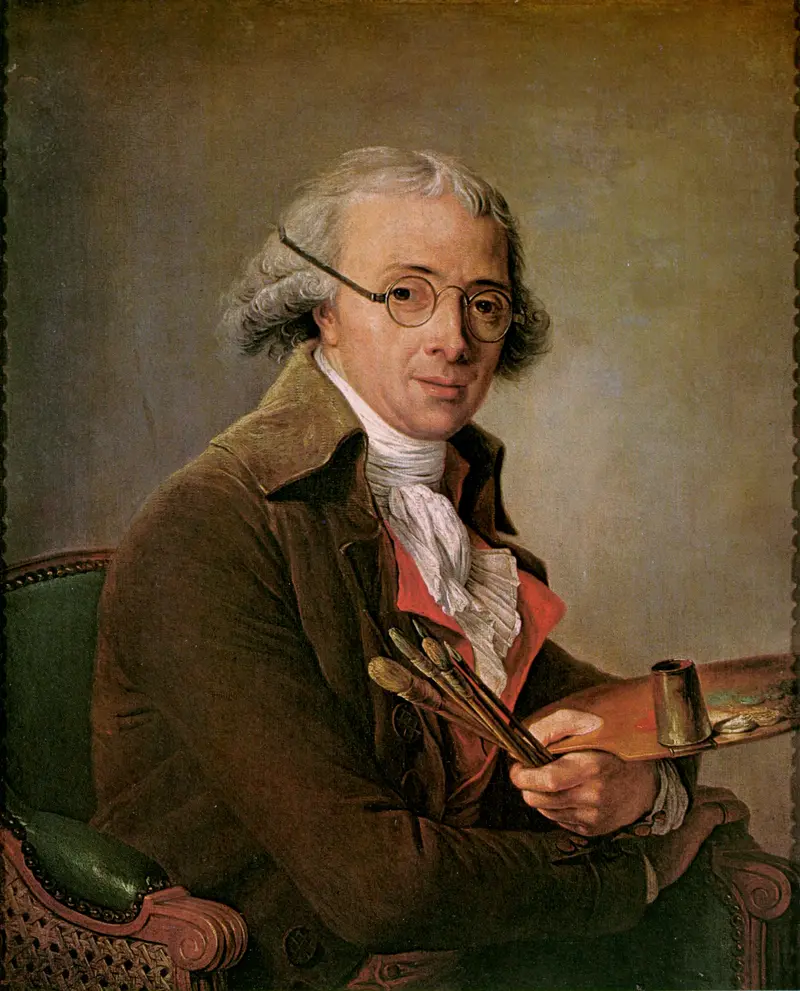
The Painter François-André Vincent
Adélaïde Labille-Guiard
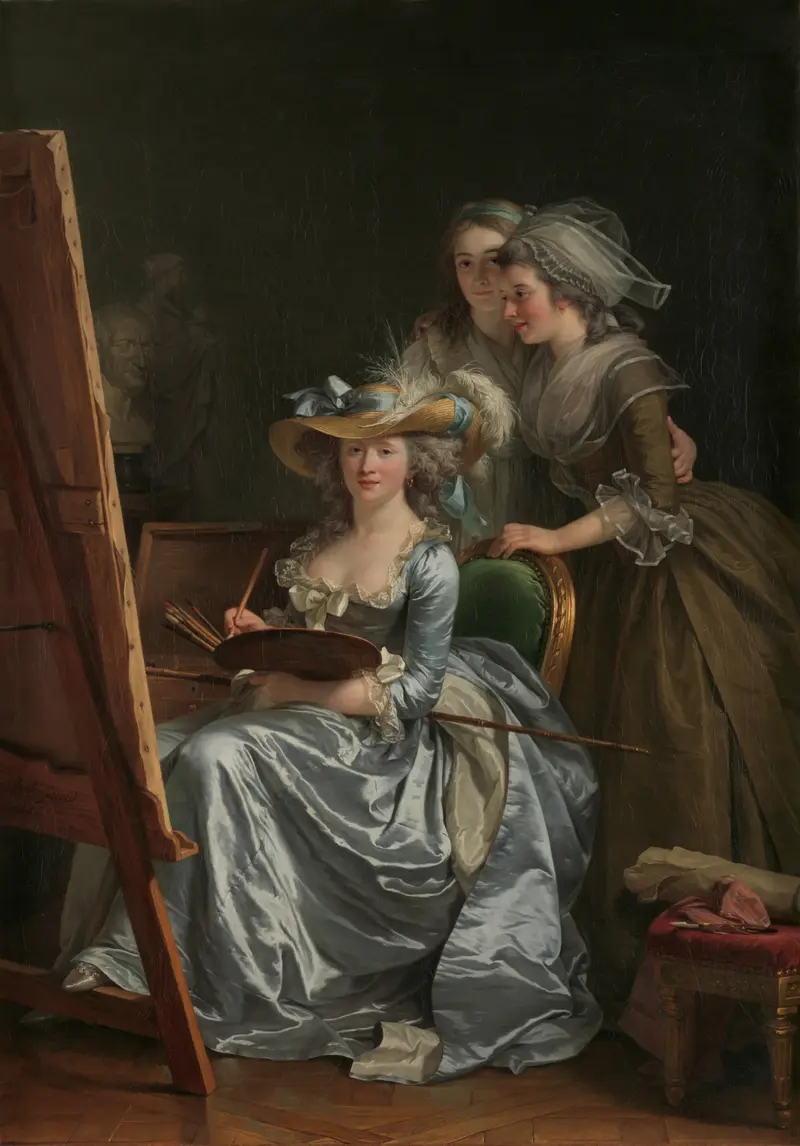
Self-Portrait with Two Pupils
Adélaïde Labille-Guiard
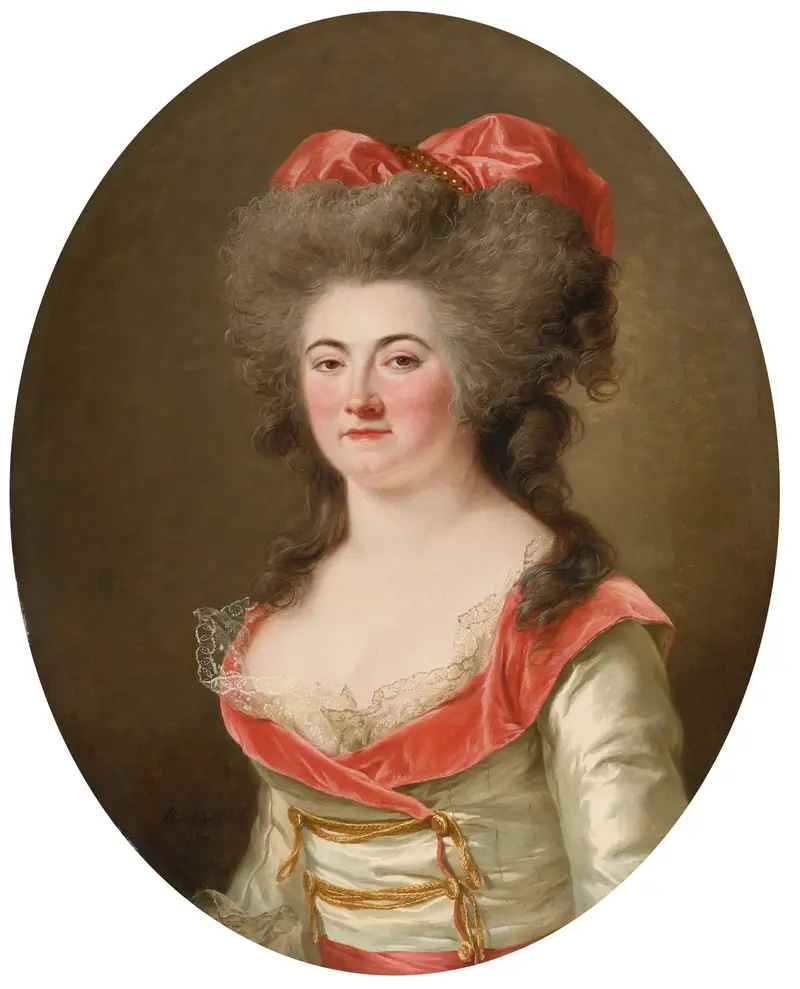
Portrait of a Lady
Adélaïde Labille-Guiard
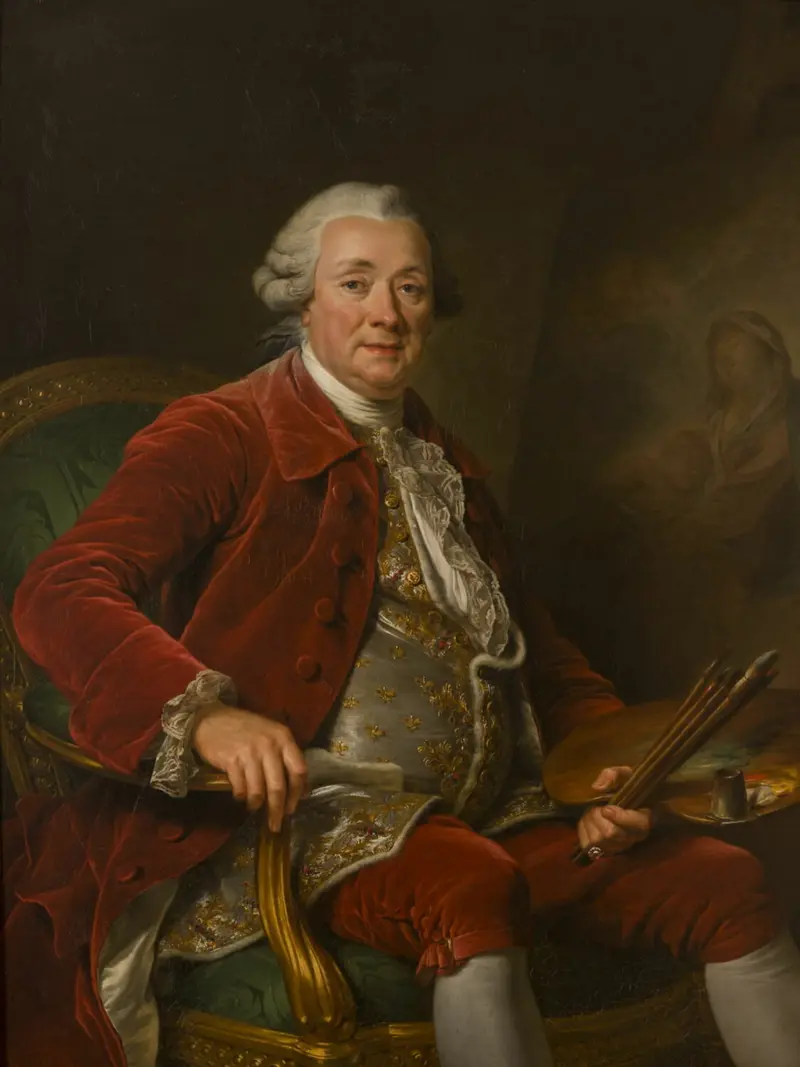
Portrait of Charles-Amédée-Philippe Van Loo
Adélaïde Labille-Guiard

Portrait of Elisabeth of France, Duchess of Parma (1727-1759)
Adélaïde Labille-Guiard
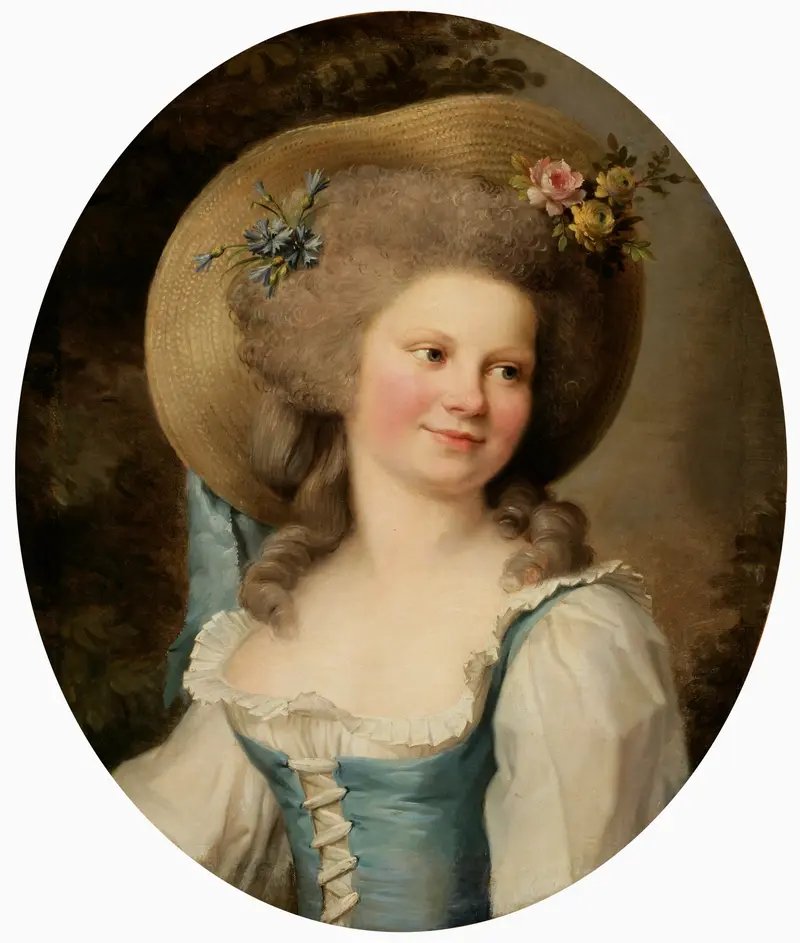
Mme Dugazon in the role of Babet
Adélaïde Labille-Guiard
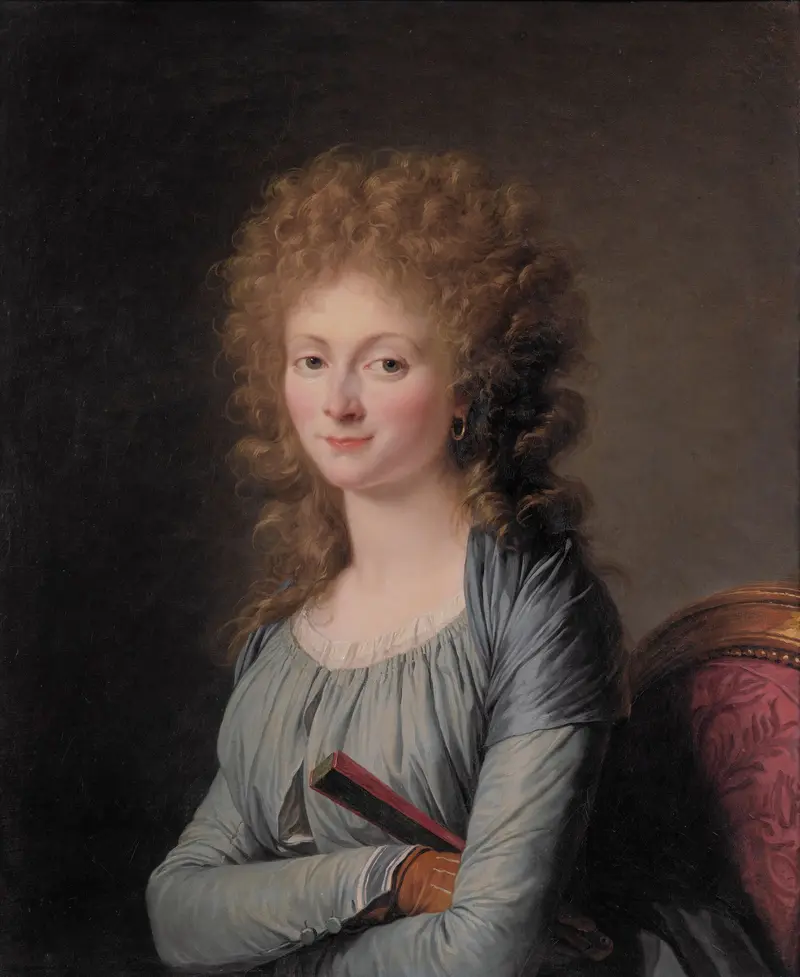
Portrait of Duchesse d'Aiguillon
Adélaïde Labille-Guiard
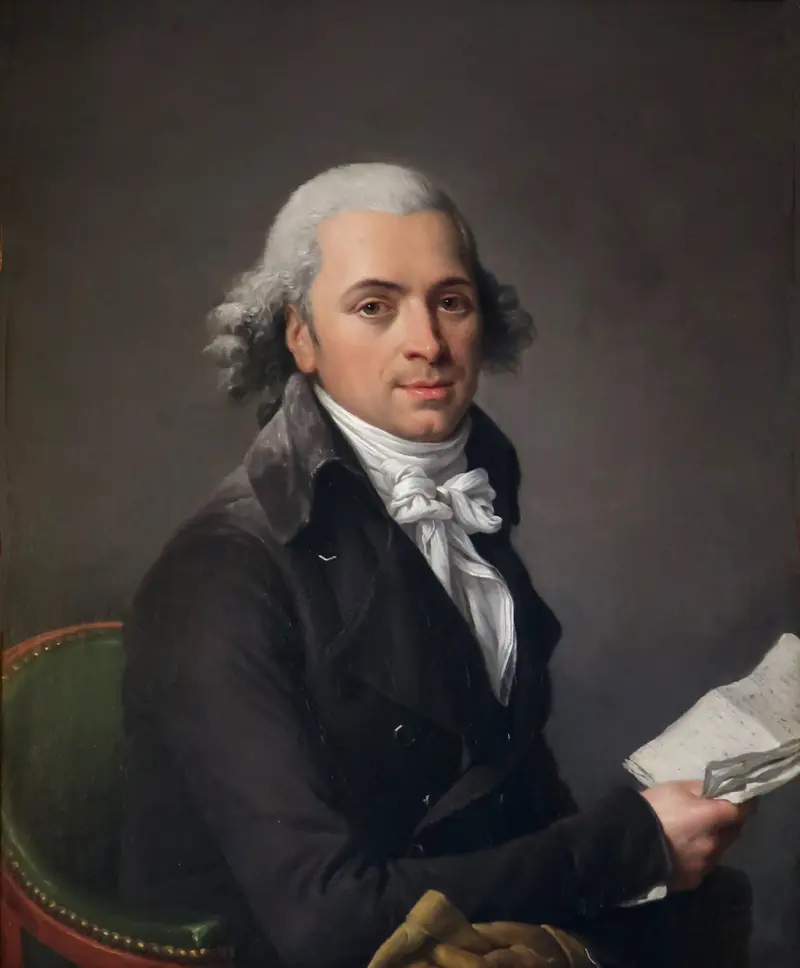
Monsieur Meunier
Adélaïde Labille-Guiard





