
Head of Christ — History & Facts
No one knows for certain when or for whom Head of Christ was painted, but its authorship has long been a subject of fascination. For centuries, this small, haunting image was attributed to various hands before scholars settled on Correggio, the celebrated painter of the Italian High Renaissance. Its uncertain origins have made it a touchstone for debates about connoisseurship and attribution, with experts poring over brushwork and physiognomy to uncover the truth behind its creation. The painting captures Christ at a moment of profound inwardness, his eyes cast downward, lips parted as if in silent prayer or resignation.
The soft modeling of the face, characteristic of Correggio, creates a living presence, while the gentle play of light across Christ’s brow and cheeks suggests both physical vulnerability and spiritual illumination. Unlike the more theatrical depictions by Leonardo or Titian, here the emotion is quiet, intimate—inviting the viewer into a private encounter rather than a public spectacle. The absence of a crown of thorns or wounds leaves the precise narrative moment ambiguous, focusing instead on the humanity and interior life of the figure. Little is known about the early journey of Head of Christ as an object.
Its small scale and devotional character suggest it was intended for private contemplation rather than public display, perhaps commissioned by a pious collector in northern Italy. Over time, its authorship was obscured, and it passed through various hands before being recognized as a work by Correggio. Today, it stands as a testament to the artist’s gift for subtle emotion and psychological depth, a rare surviving example of his devotional imagery outside the grand frescoes and altarpieces for which he is best known.
More Artworks by Correggio
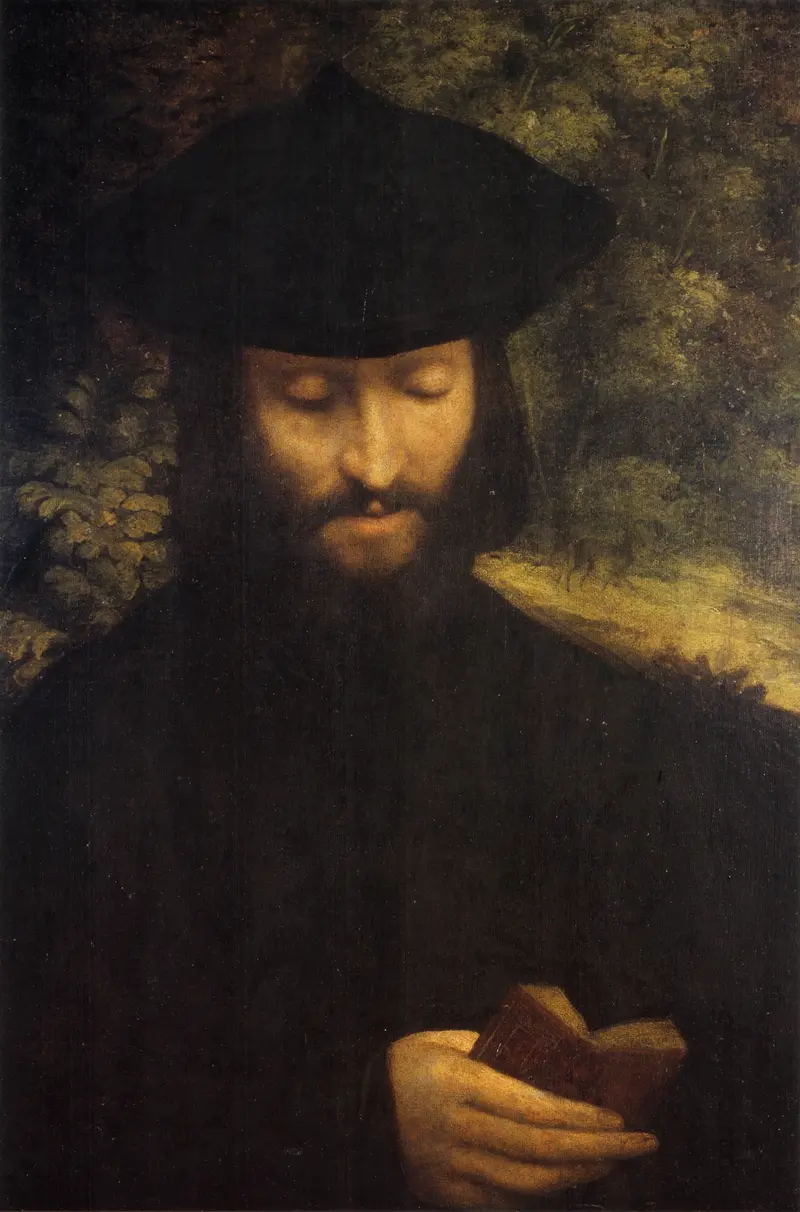
Portrait of a Man with a Book
Correggio

Holy Family with the Infant St. John
Correggio
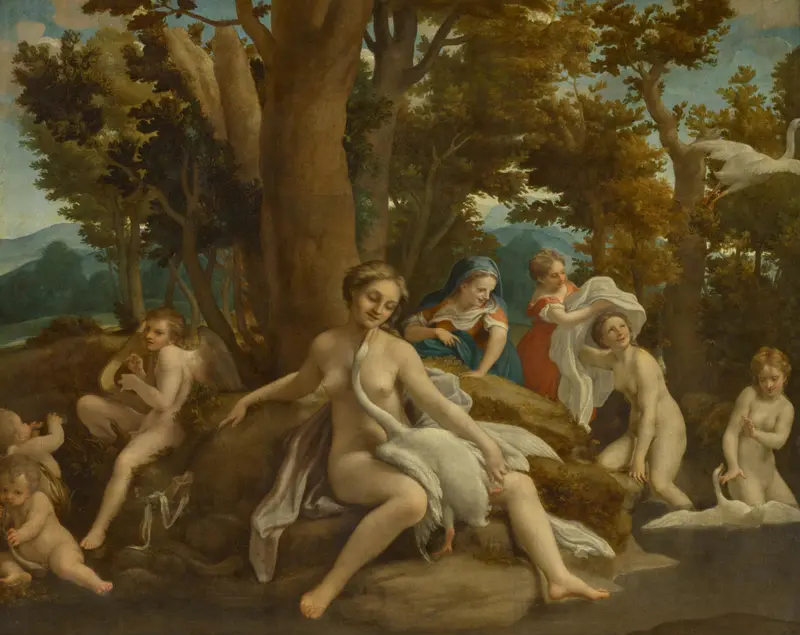
Leda and the Swan
Correggio

Madonna and Child with the Infant Saint John the Baptist
Correggio
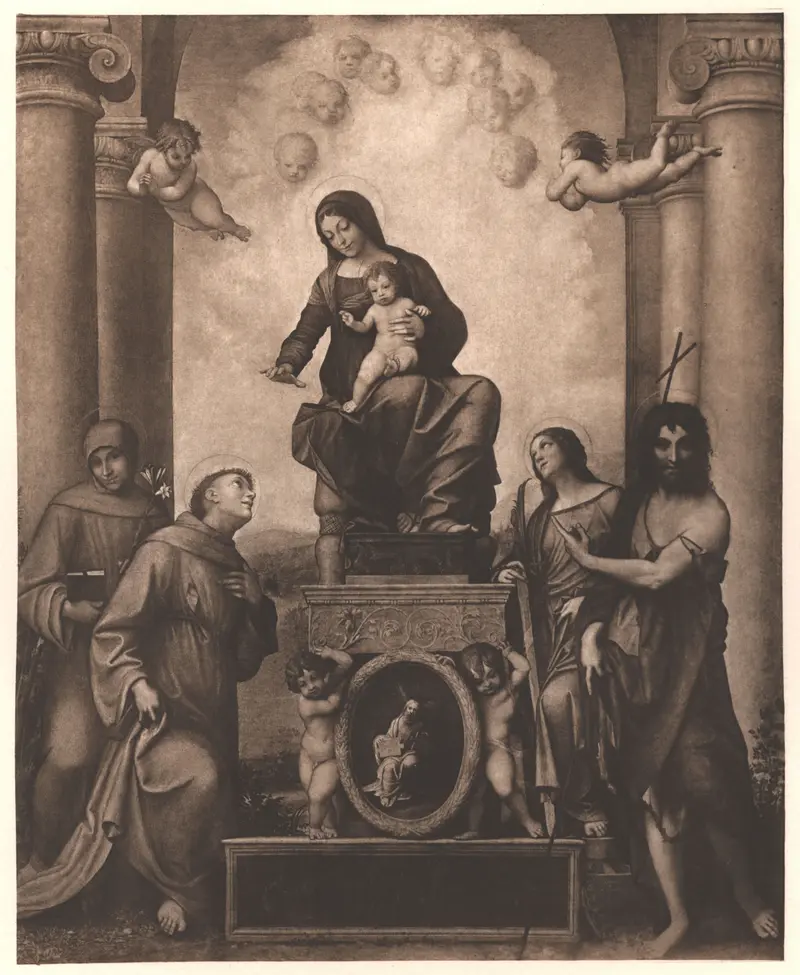
Madonna with St. Francis
Correggio
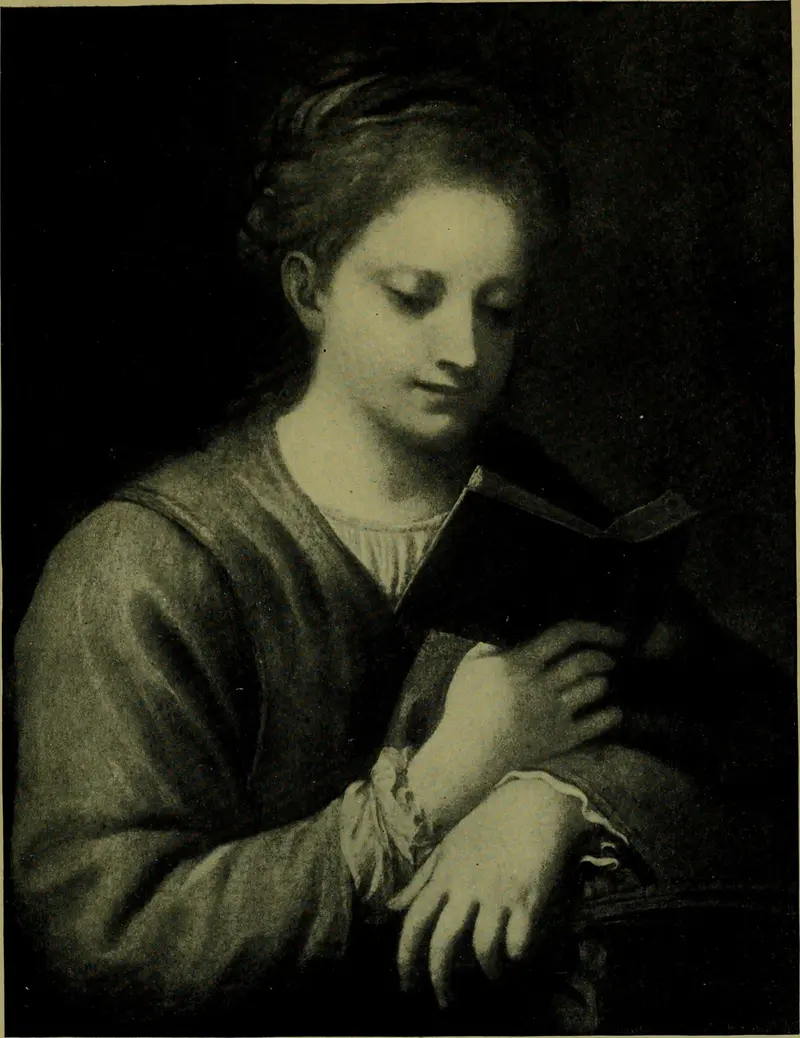
Saint Catherine Reading
Correggio

The Holy Night
Correggio
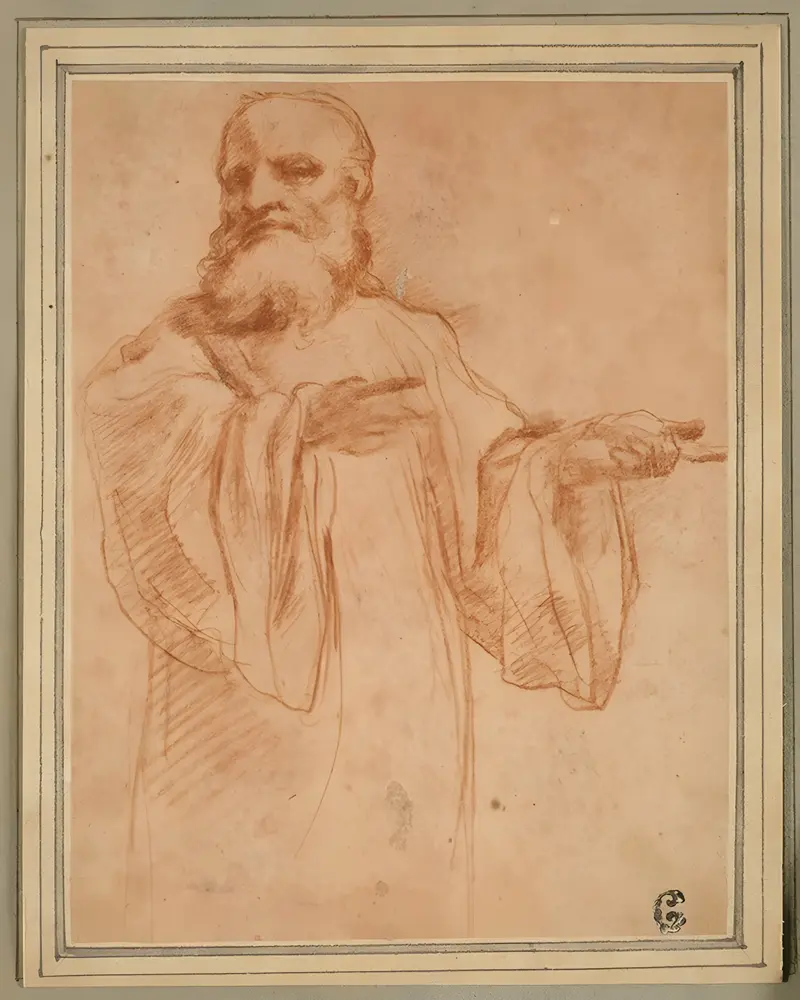
St. Benedict Gesturing to the Left; Study for the Coronation of the Virgin
Correggio
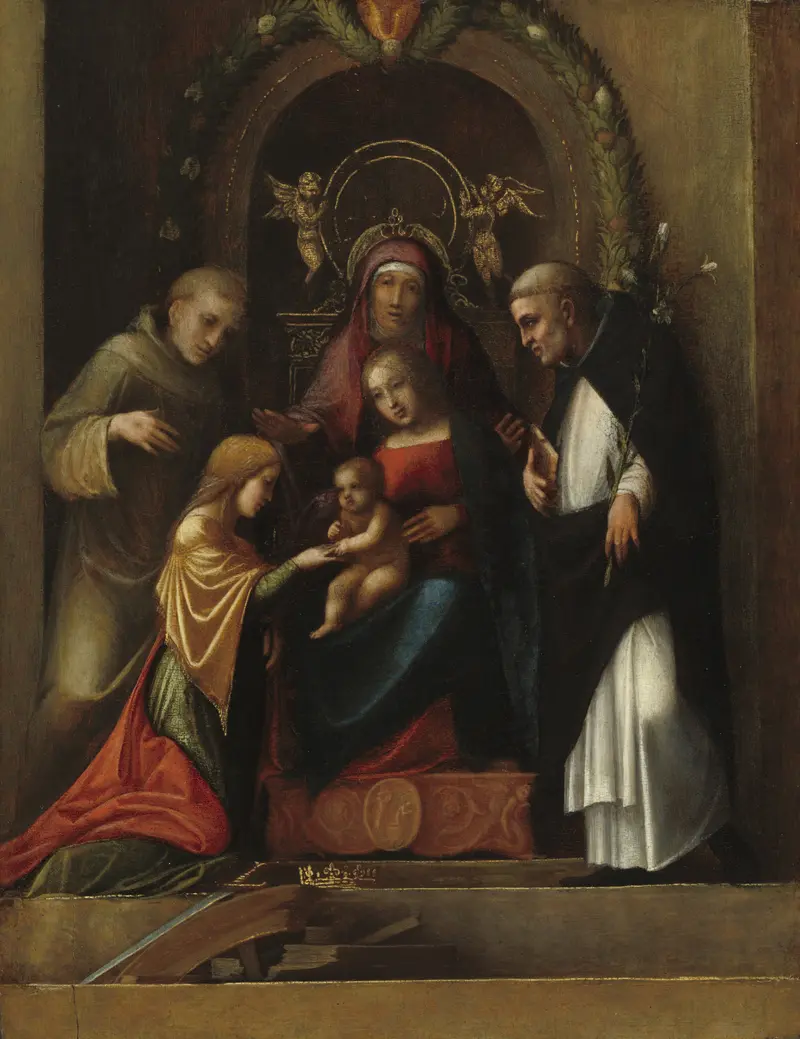
The Mystic Marriage of Saint Catherine
Correggio
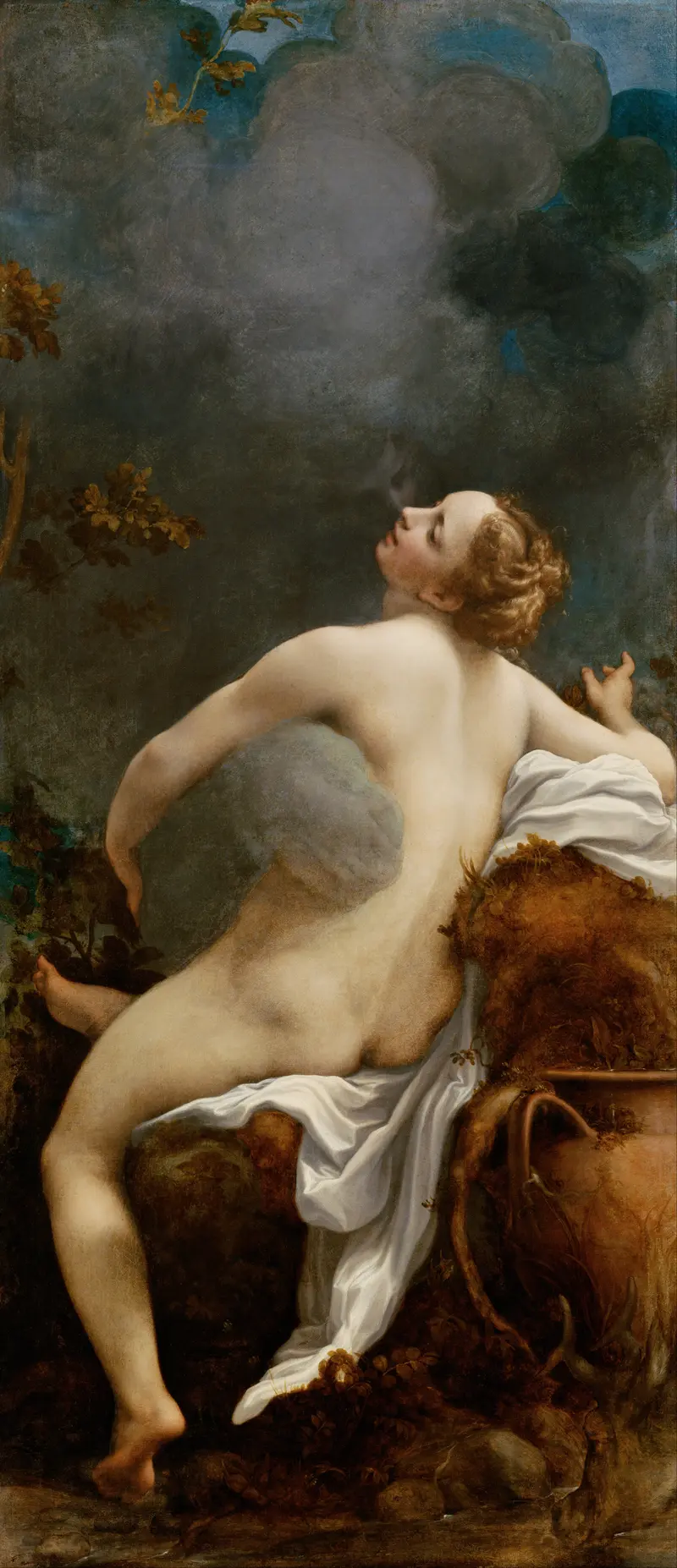
Jupiter and Io
Correggio





