
Head of Christ with a Crown of Thorns — History & Facts
Few works by Gustave Van de Woestijne have generated as much quiet speculation as Head of Christ with a Crown of Thorns. The painting’s date and medium remain uncertain, a rarity for a 20th-century artist whose career is otherwise well documented. This uncertainty has led to lively debate among scholars, some of whom place the work in Van de Woestijne’s intense postwar period, while others see it as a more mature meditation from his later years.
The absence of a clear provenance only deepens its air of mystery, making every detail in the painting a potential clue to its origins. At the heart of the image is the moment of Christ’s humiliation, crowned with thorns and presented to the crowd before the Crucifixion. Van de Woestijne focuses tightly on Christ’s face, isolating him from the surrounding drama and forcing the viewer to confront the suffering directly. The thorns, painted with almost surgical precision, press into the flesh, while Christ’s eyes—downcast, ringed with shadow—suggest both resignation and a deep, inward pain.
The palette is somber, with muted reds and browns, heightening the sense of physical and emotional ordeal. Unlike the heroic suffering seen in Ecce Homo by Titian, Van de Woestijne’s Christ is profoundly human, stripped of grandeur and left with only his vulnerability. The painting’s journey through history is clouded by gaps: no records of commission or early exhibition survive, and its first public appearance is undocumented. This lack of provenance is not unusual for works by Van de Woestijne, who often painted for private collectors or for his own contemplation.
Today, Head of Christ with a Crown of Thorns stands as a testament to the artist’s fascination with spiritual suffering and the inner life, themes that run through much of his work. Though its exact origins remain elusive, the painting continues to invite close study and reflection, both for its artistry and for the mysteries it keeps.
More Artworks by Gustave Van de Woestijne
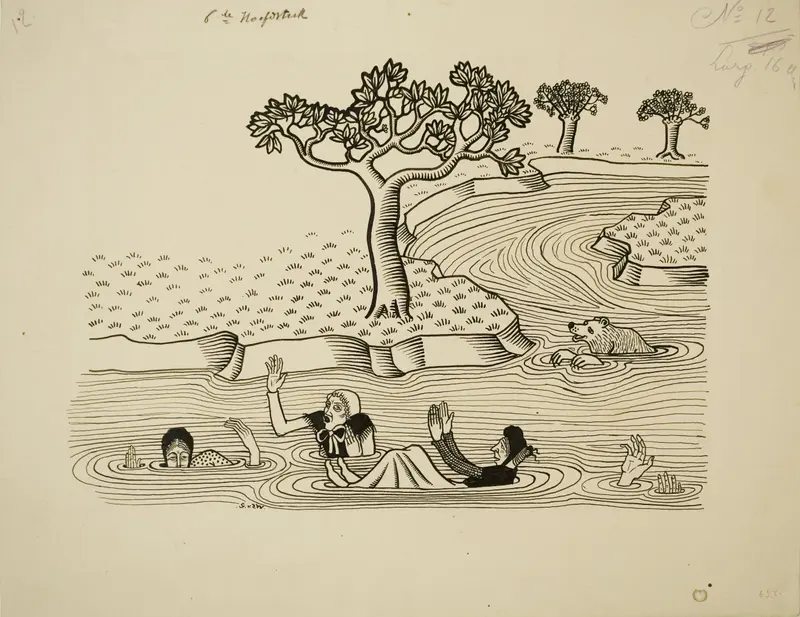
How Brown went out with Reynard where he thought he was eating honey and how he was caught by head and feet and suffered further misfortune
Gustave Van de Woestijne
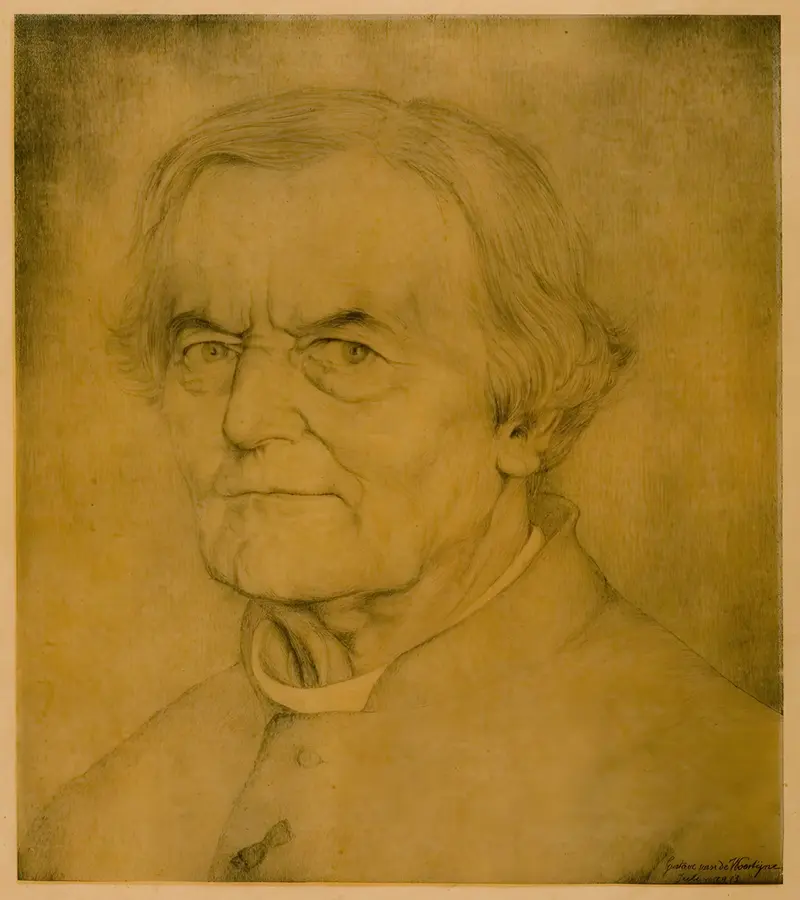
Portrait of Hugo Verriest
Gustave Van de Woestijne
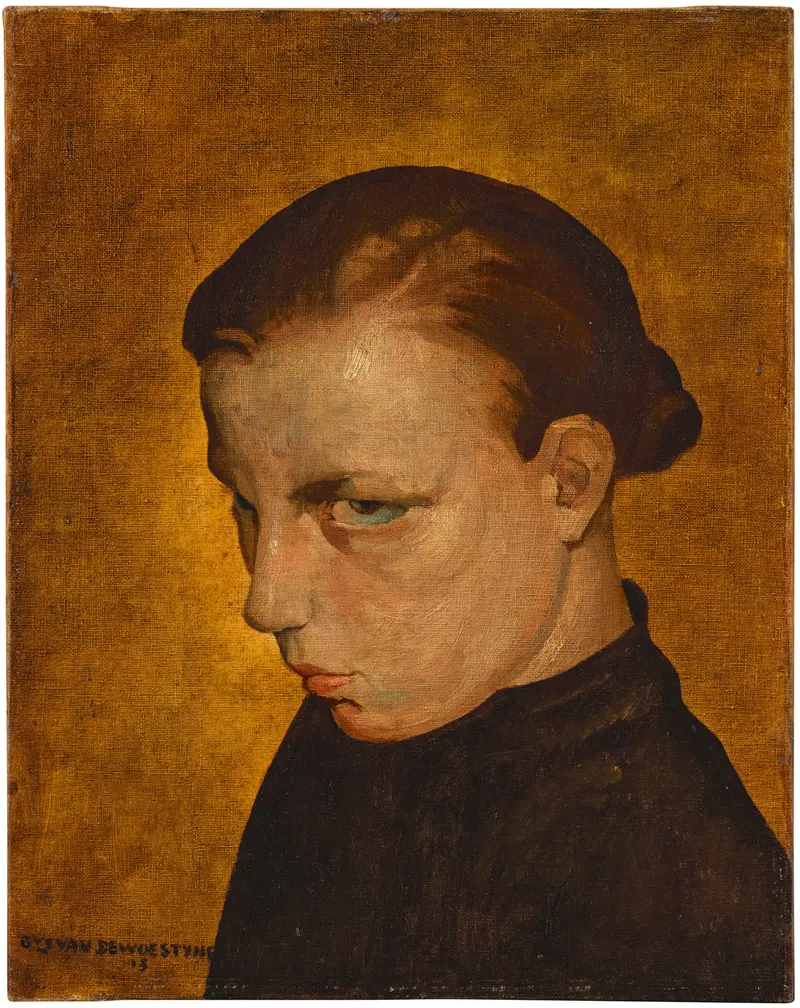
Angèle
Gustave Van de Woestijne
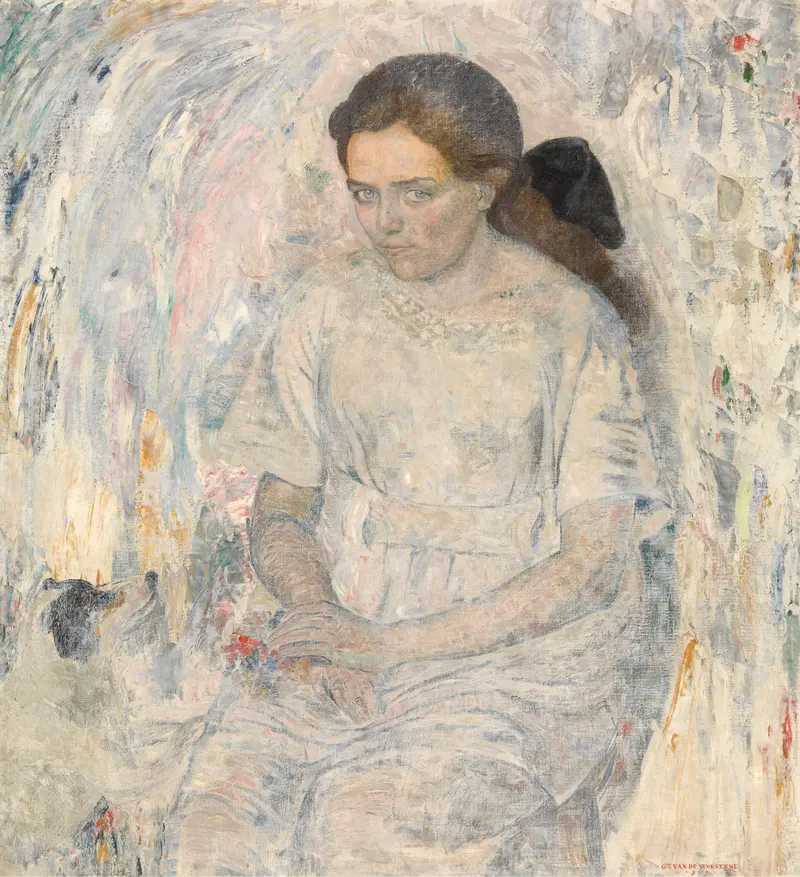
Adrienne
Gustave Van de Woestijne
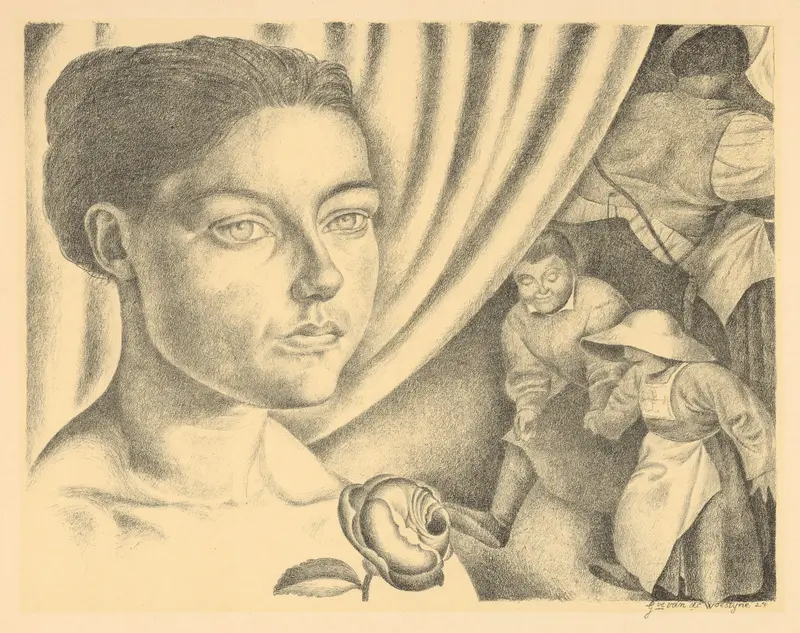
Jeune Femme
Gustave Van de Woestijne
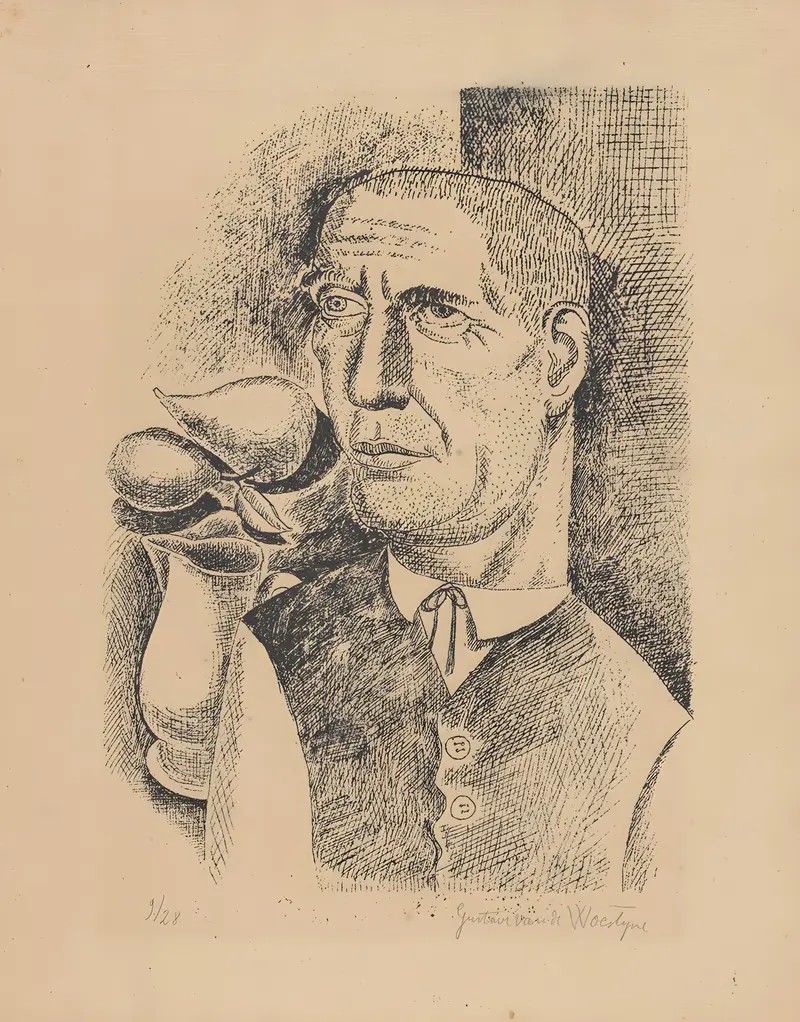
Boer op zijn zondags (Paysan endimanché)
Gustave Van de Woestijne
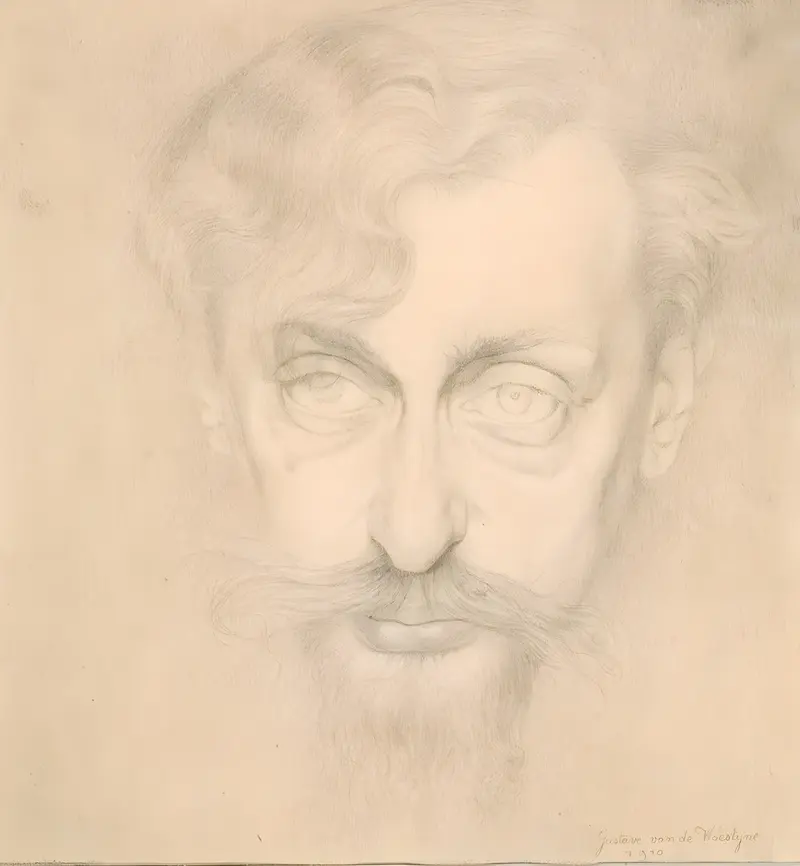
Portrait of the Writer Karel van de Woestijne
Gustave Van de Woestijne
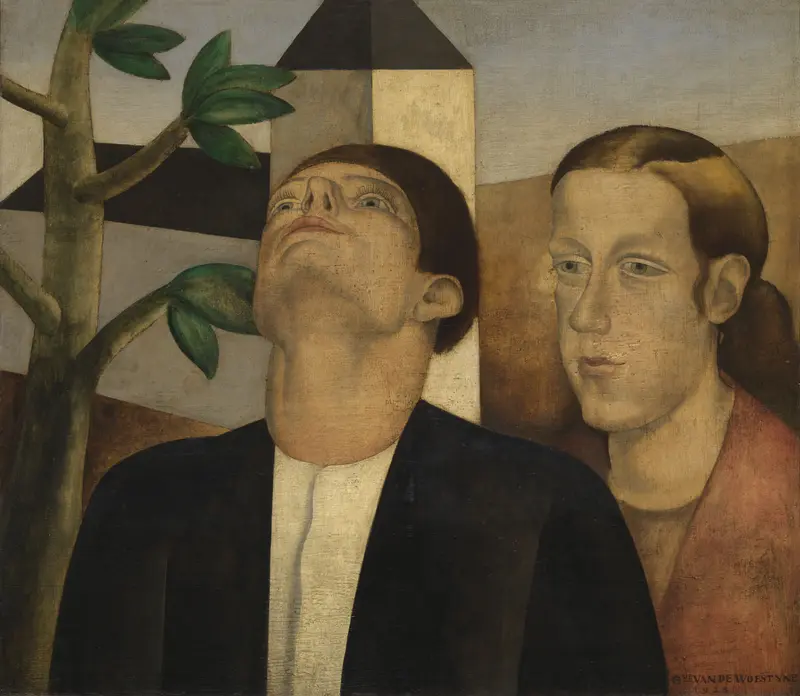
Azure
Gustave Van de Woestijne
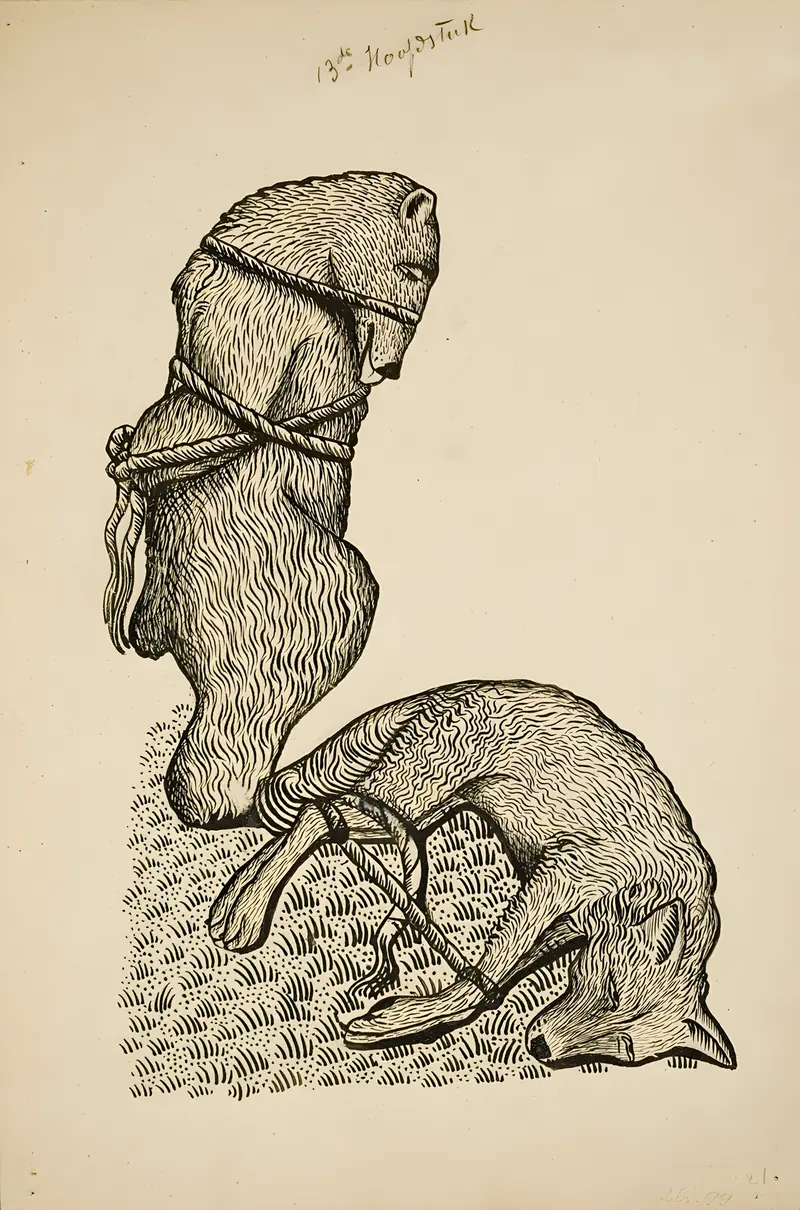
How Reinaert devises a new trick to get free and exterminate his enemies
Gustave Van de Woestijne
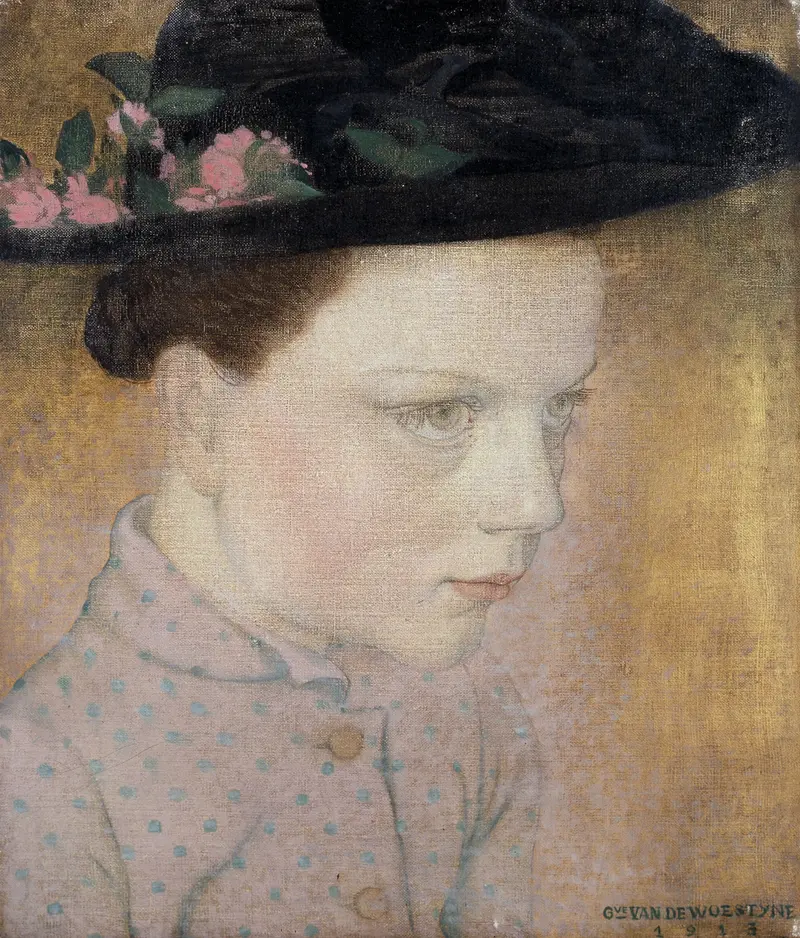
Country Girl
Gustave Van de Woestijne





