
Head of Saint John the Baptist — History & Facts
Few images in Renaissance art are as arresting as the solitary, severed head of a saint, and in Head of Saint John the Baptist, Giovanni Bellini delivers one of the earliest known treatments of this subject in Venetian painting. Painted around 1465, this work stands at the threshold of Bellini’s career, when the young artist was still under the spell of his father Jacopo’s late Gothic style, yet already searching for a new emotional directness. The painting’s focus—John’s lifeless head, isolated from any narrative context—was unusual for its time, and may have been intended for private devotion rather than public display.
Its stark presentation invites the viewer to meditate on martyrdom and sacrifice, rather than to simply witness a biblical drama. The story behind the image is the execution of John the Baptist, a prophet whose outspoken criticism of King Herod Antipas and his marriage to Herodias led to his death. According to the Gospels, Salome, prompted by her mother Herodias, asked for John’s head on a platter as a reward for her dance (Mark 6:17-29). Bellini chooses not to show the infamous banquet or the vengeful faces of Herod and Salome.
Instead, he presents only the saint’s head, eyes closed, lips parted, the flesh rendered with a cool, almost sculptural calm. The absence of blood or violence, and the gentle modeling of the features, set Bellini’s vision apart from the later, more theatrical treatments by artists like Caravaggio, whose own Salome with the Head of John the Baptist (c. 1609) revels in psychological tension and chiaroscuro.
Here, the focus is on quiet resignation and the enduring dignity of the martyr. The precise origins of Head of Saint John the Baptist remain uncertain, as the painting’s early history is undocumented and its original patron unknown. It likely formed part of a private devotional collection, reflecting the growing taste in mid-15th-century Venice for personal, emotionally charged religious imagery. Over the centuries, the work has been attributed to both Giovanni and his father Jacopo Bellini, but stylistic analysis now firmly places it in the younger Bellini’s hand.
Today, the painting stands as a testament to Bellini’s emerging genius, a bridge between the Gothic traditions of his youth and the Renaissance innovations that would define his mature career.
More Artworks by Giovanni Bellini
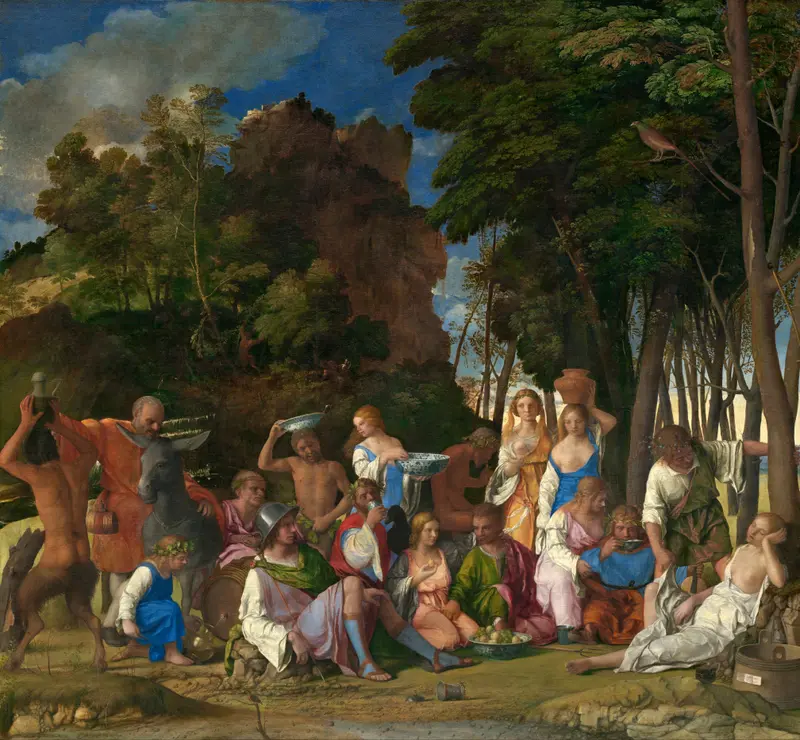
The Feast of the Gods
Giovanni Bellini

Madonna and Child enthroned with Saints and Angels
Giovanni Bellini
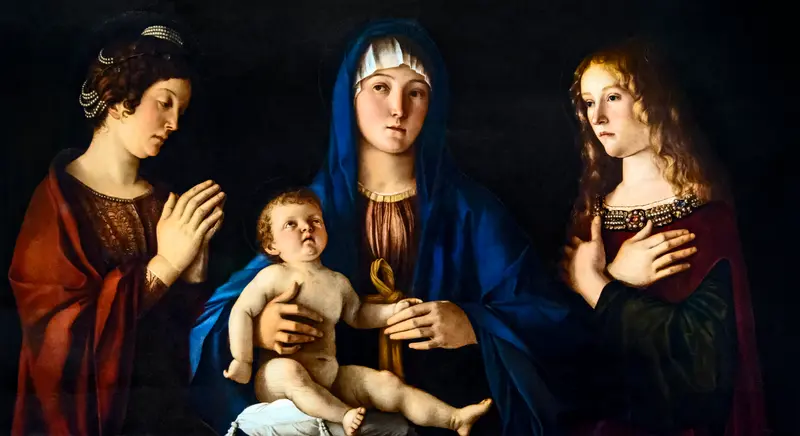
Madonna and Child between Saints Catherine and Mary Magdalene
Giovanni Bellini
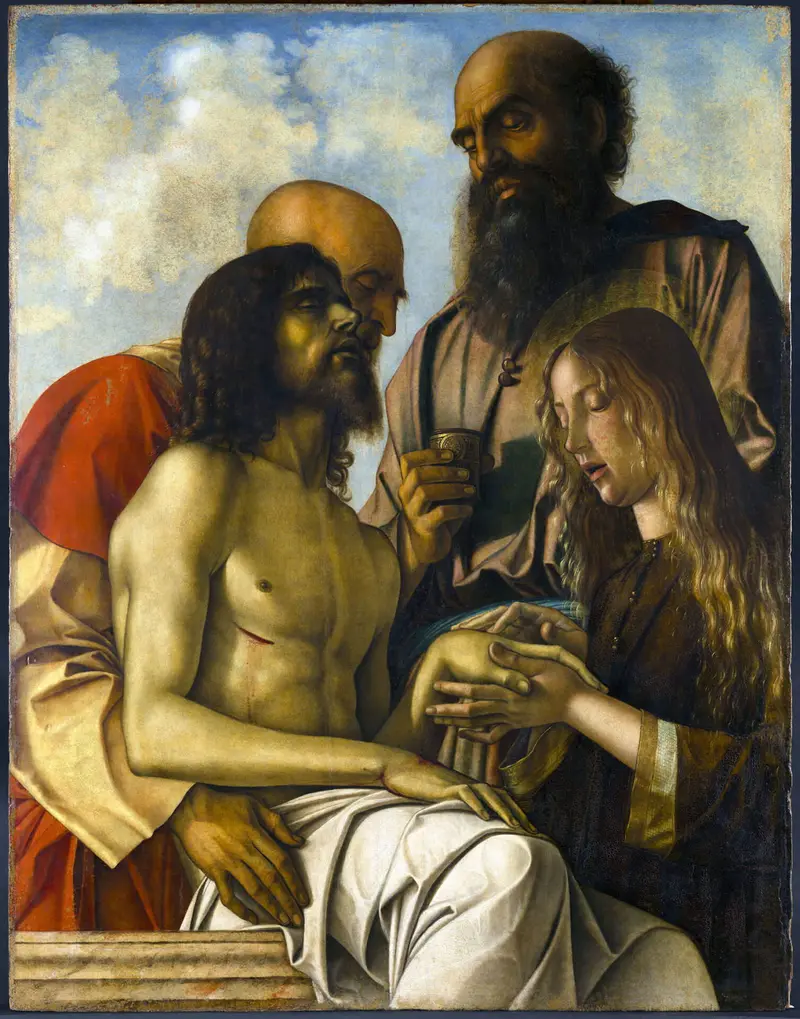
Lamentation over the Dead Christ
Giovanni Bellini
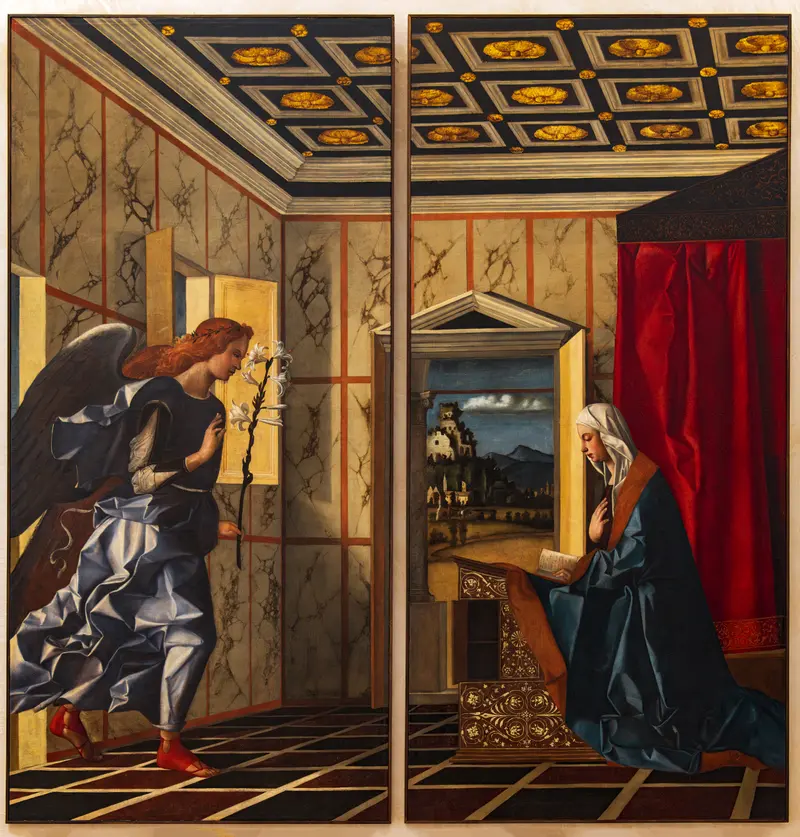
Annunciation
Giovanni Bellini
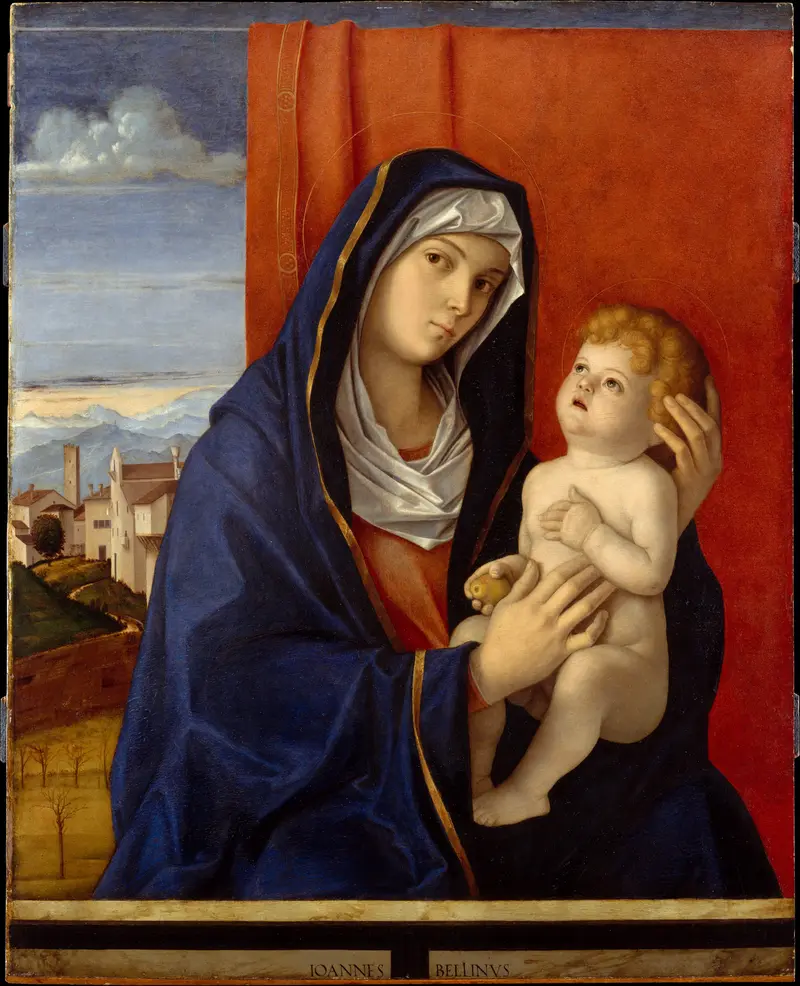
Madonna and Child
Giovanni Bellini
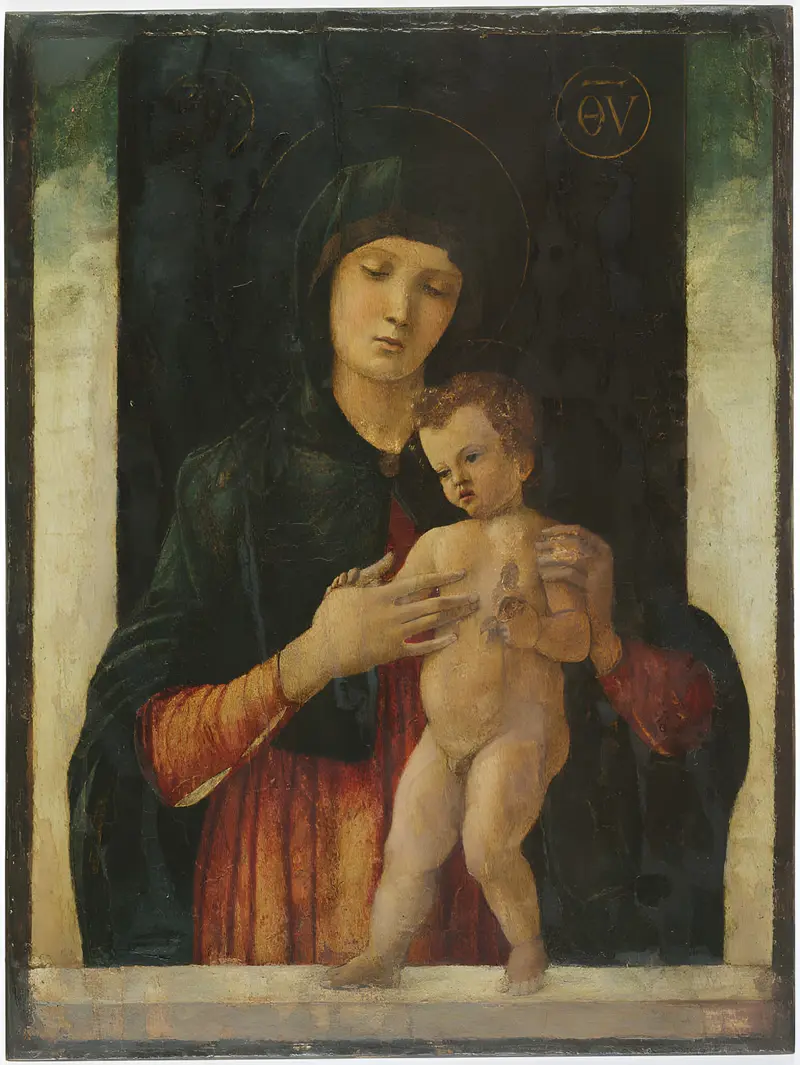
The Virgin and Child
Giovanni Bellini
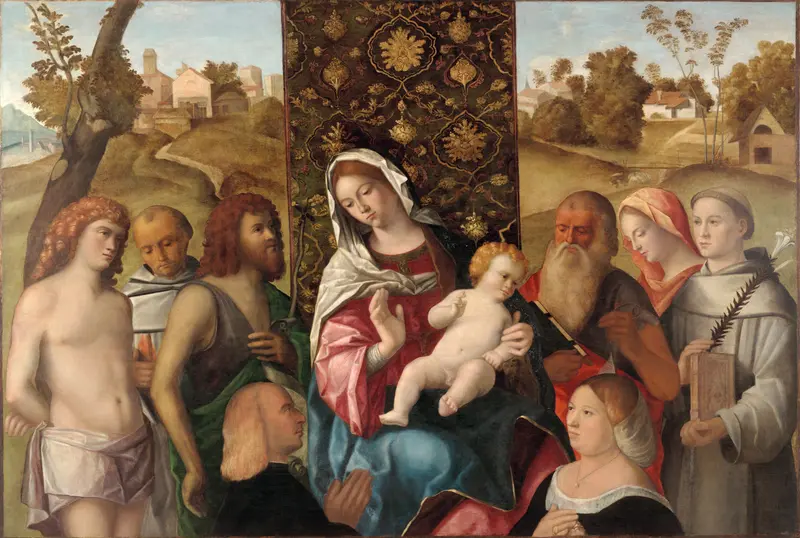
Virgin and Child with Saints Sebastian, Francis, John the Baptist, Jerome, an unidentified female saint, Saint Anthony of Padua and two donors
Giovanni Bellini
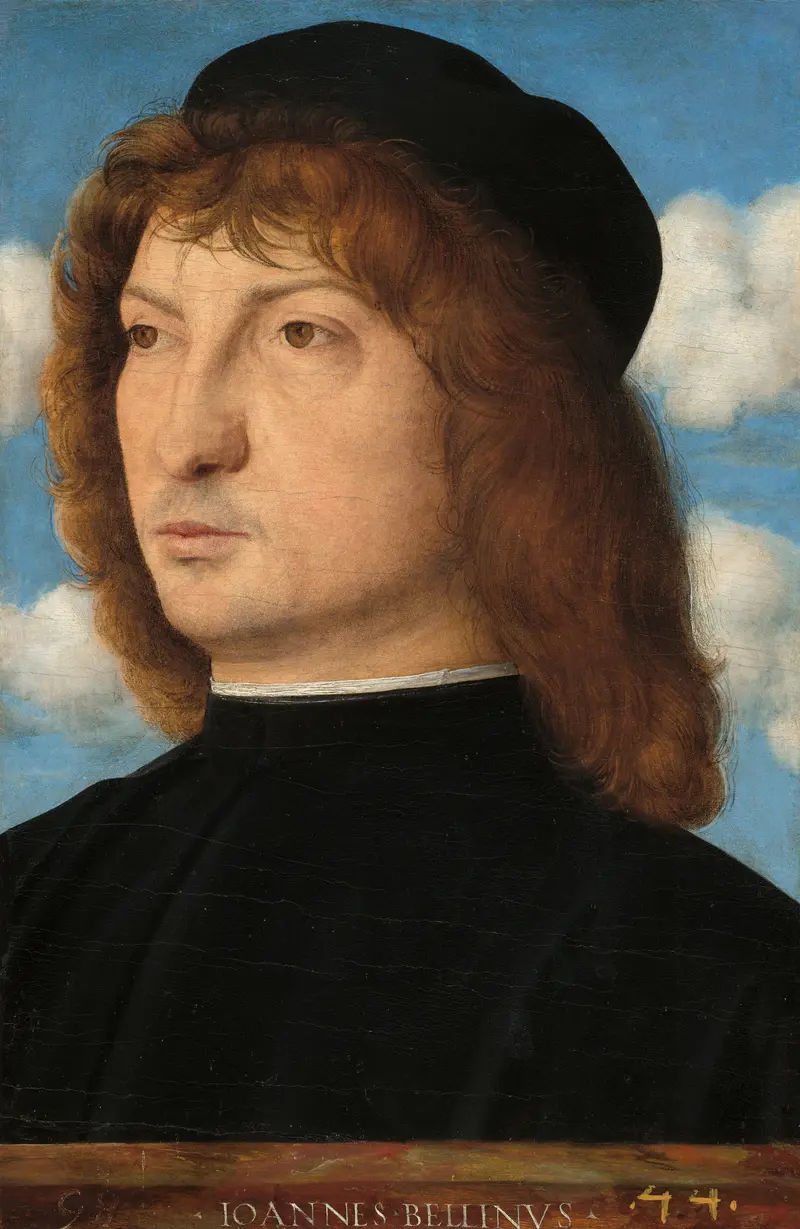
Portrait of a Venetian Gentleman
Giovanni Bellini
Portrait of a Young Man
Giovanni Bellini





