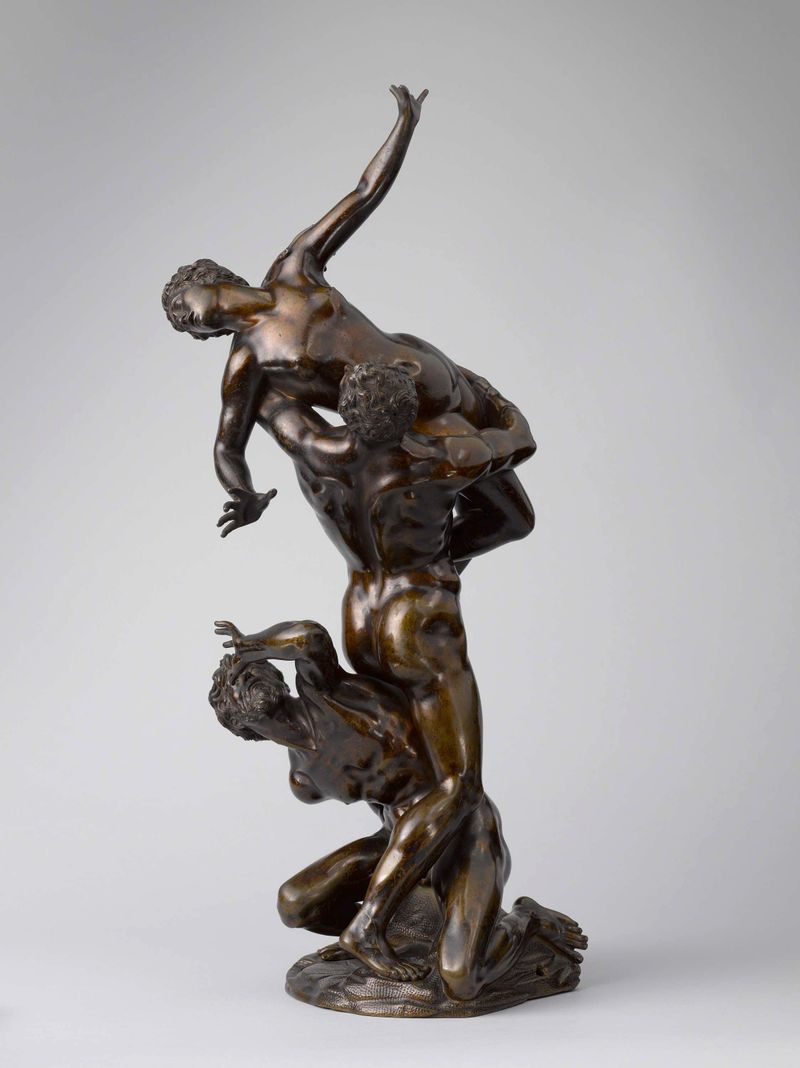
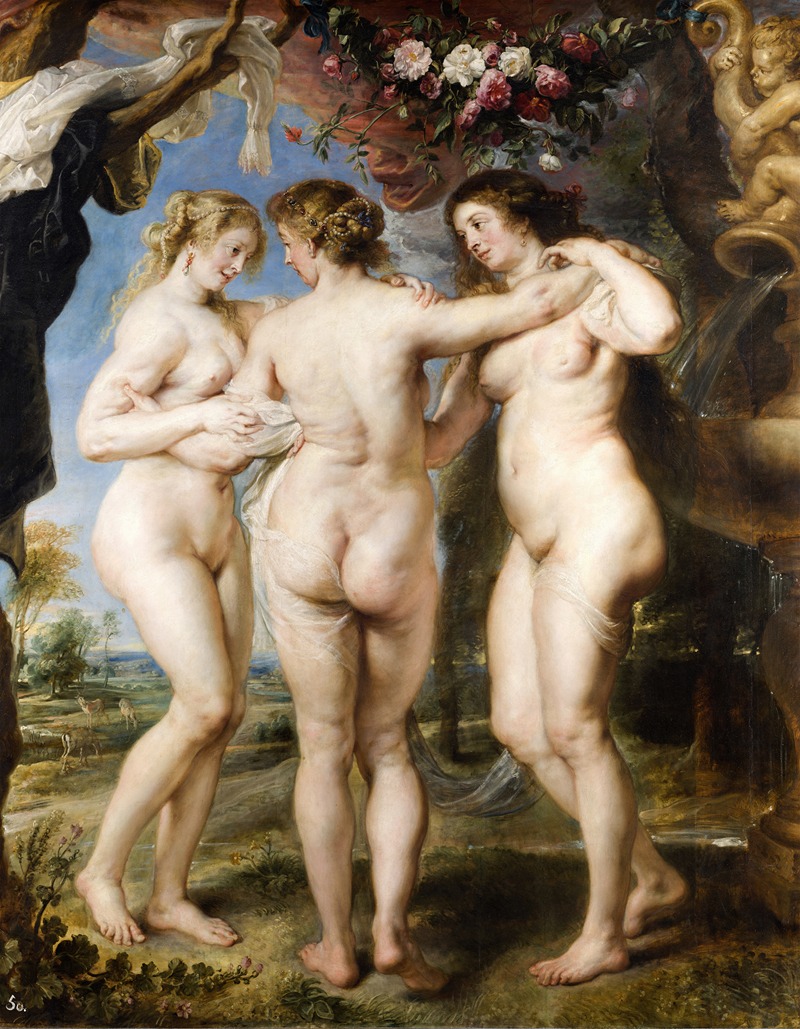
Hebe (Juventas) met bloemenkrans — History & Facts
This sentiment resonates through history, whispering of rebirth and renewal amidst the fleeting nature of life. In Hebe (Juventas) met bloemenkrans, the themes of youth and perpetual beauty intertwine, inviting viewers to ponder the duality of existence. Look to the center of the composition, where the gracefully poised figure of Hebe captivates the eye. Her delicate form is adorned with a floral crown, each blossom meticulously painted, enhancing her ethereal presence.
Notice how the soft drapery of her garment flows gently, contrasting with the stark, solid background that suggests a world beyond her own. The luminous palette of pastel hues, combined with the precise detailing of the flowers, draws a sharp distinction between the vibrancy of life and the inevitability of decay. Yet, hidden within the beauty lies an emotional tension—Hebe’s expression carries a hint of melancholy, suggesting awareness of life's transient moments. The flowers encircling her serve as both a symbol of youth and a reminder of its impermanence.
Each petal, though vivid and enchanting, evokes thoughts of wilting and loss, reinforcing the idea that beauty, while captivating, often masks underlying sorrow. This juxtaposition compels us to reflect on our own experiences of growth and the bittersweet nature of time. Created in 1530, this piece emerges from a period when Jacob Binck was establishing himself as a master of visual storytelling in Utrecht. The Renaissance was in full swing, with artists exploring themes of mythology and human emotion.
Binck, influenced by both classical ideals and the emerging Northern European style, sought to capture the dual essence of beauty and vulnerability in his work, making Hebe (Juventas) met bloemenkrans a poignant commentary on the human condition.
More Artworks by Jacob Binck
Browse all →
Portret van Christiaan II, koning van Denemarken
Jacob Binck

Christus en de Samaritaanse vrouw
Jacob Binck
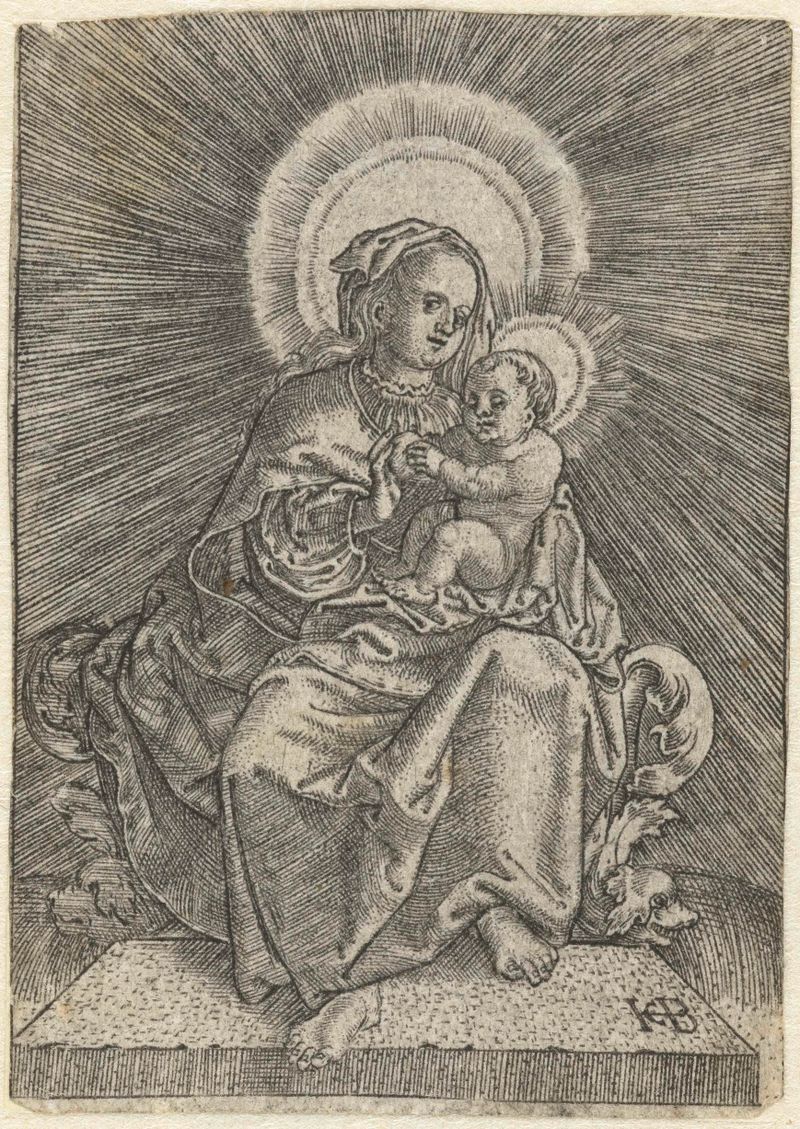
Tronende Maria met kind en appel in stralenkrans
Jacob Binck

Christus op de koude steen
Jacob Binck

Ornament met twee putti op dolfijnen onder een vaas
Jacob Binck
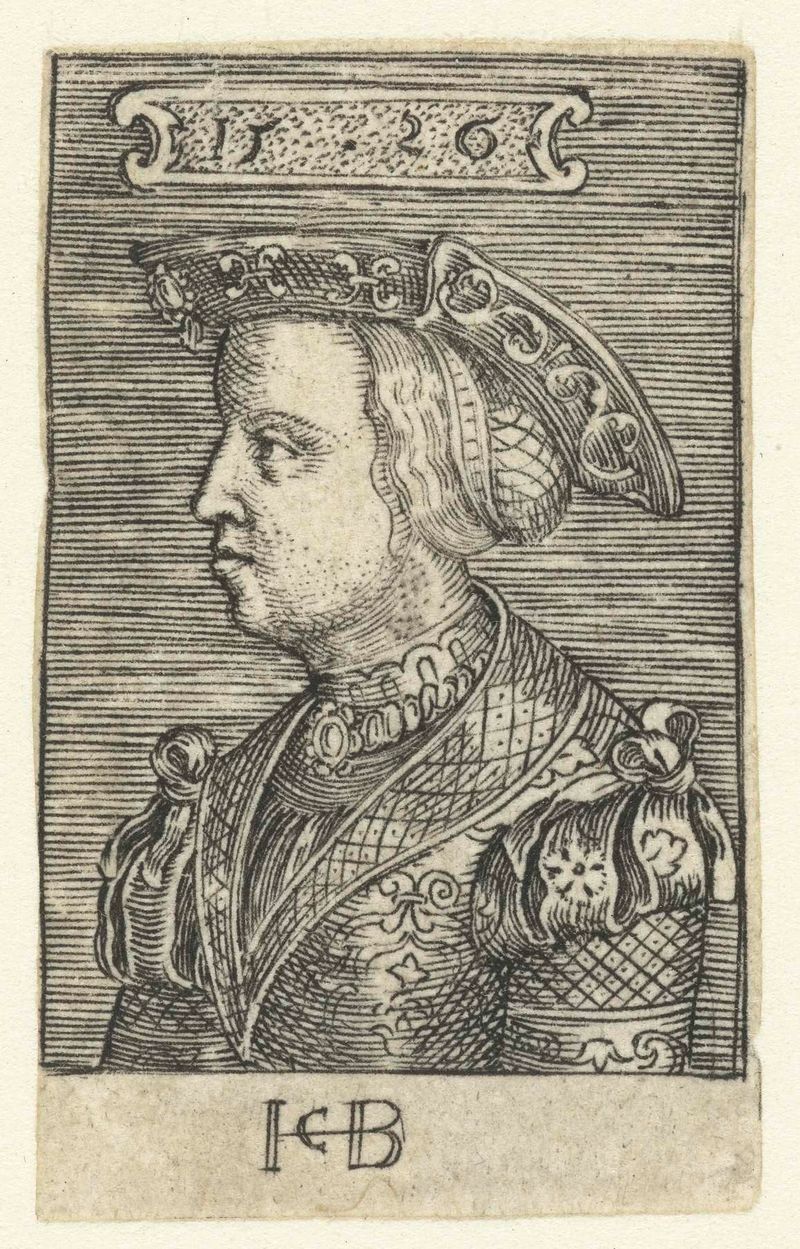
Portret van Claudia van Valois, echtgenote van Frans I
Jacob Binck

Ceres met kroon van korenaren, sikkel, brandende toorts en tweekoppige slang
Jacob Binck
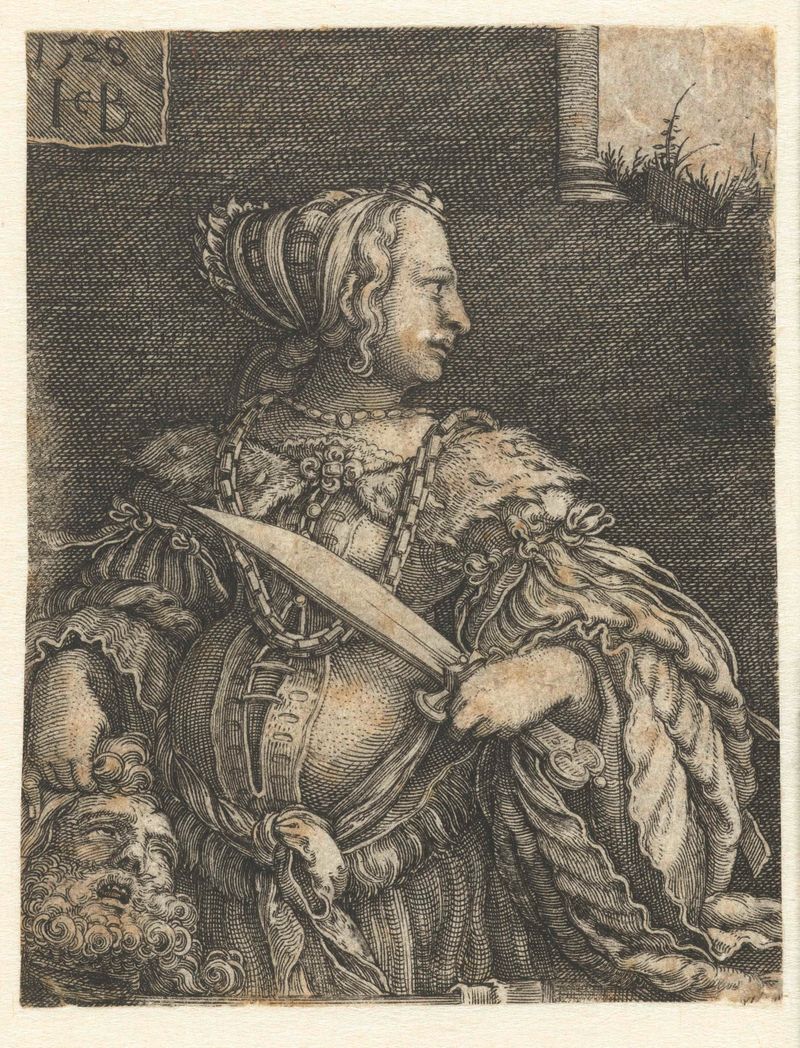
Judith met het hoofd van Holofernes
Jacob Binck
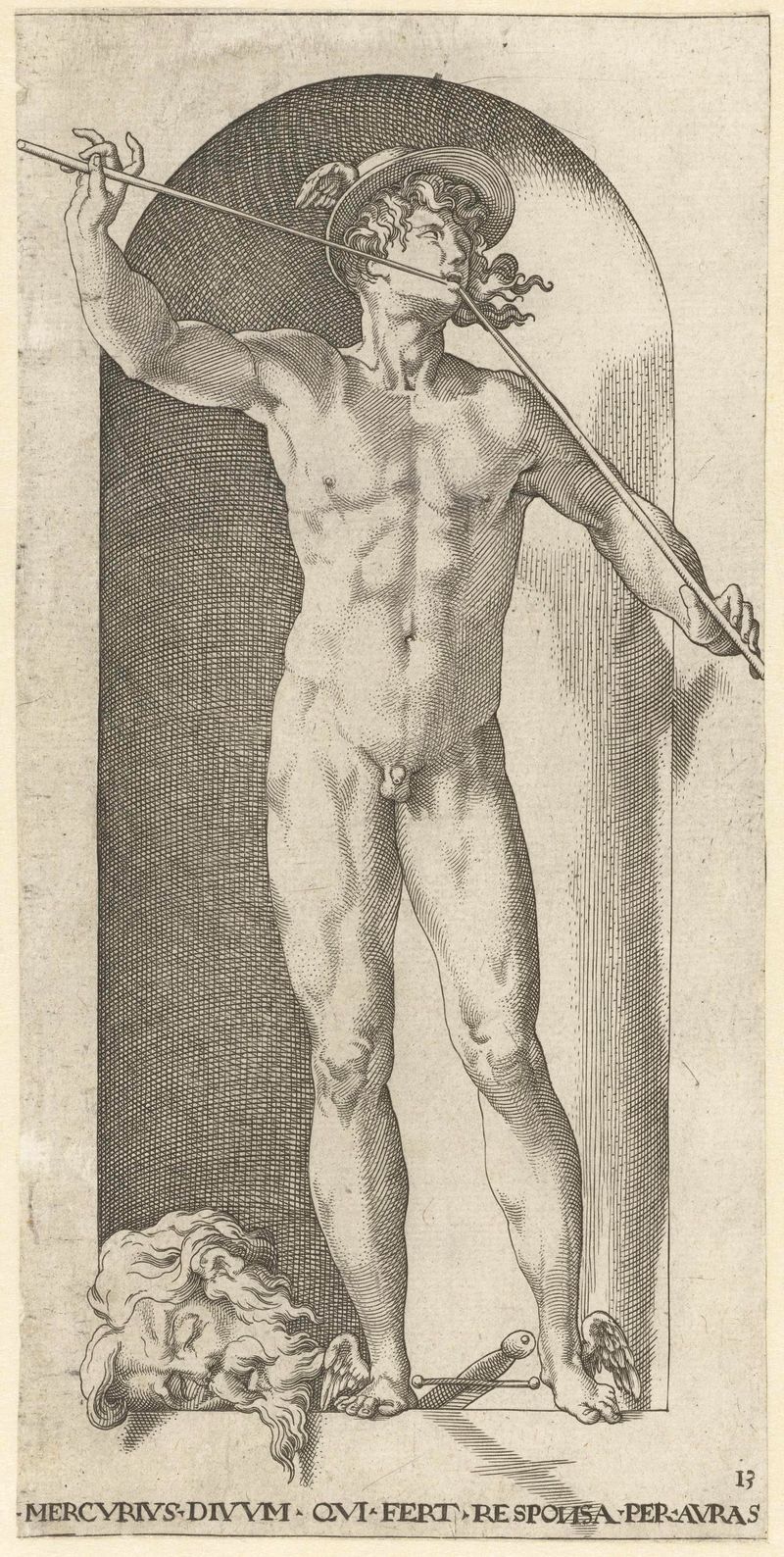
Mercurius met het hoofd van Argus
Jacob Binck

Minerva (Pallas Athena) met Medusahoofd op schild
Jacob Binck