
Heilige Agnes — History & Facts
When did color learn to lie? The vivid hues that shimmer on the canvas may enchant the eye, yet they often conceal deeper truths, much like the hidden treachery in human hearts. Look to the center of the painting, where the figure of Saint Agnes stands poised with an ethereal light enveloping her. Rich reds and golds draw the viewer in, contrasting with the somber tones in the backdrop. Notice how the artist meticulously captures the texture of her garments, each fold a testament to the intricate brushwork.
Surrounding her, the muted colors of the background serve to amplify her radiant presence, creating a stark emotional divide that feels both reverent and disquieting. Yet, beneath Agnes’s serene countenance lies a narrative of betrayal—a young woman caught between devotion and sacrifice. The delicate flowers at her feet may symbolize innocence, but their fragility hints at the precariousness of her fate. The interplay of light and shadow suggests an unseen tension, challenging the viewer to question the duality of purity and sacrifice.
What strength resides in her, and what vulnerabilities are cloaked beneath her façade? Created in the 16th century, this work reflects the tumultuous period of early Renaissance, marked by significant religious upheaval. The elusive Monogrammist AC painted this piece during a time when the Catholic Church faced increasing scrutiny. In this context, the portrayal of a saint like Agnes, often revered for her unwavering faith, resonates deeply within the societal tensions of betrayal and loyalty, capturing the complexities of faith in an era of doubt.
More Artworks by Monogrammist AC (16e eeuw)
Browse all →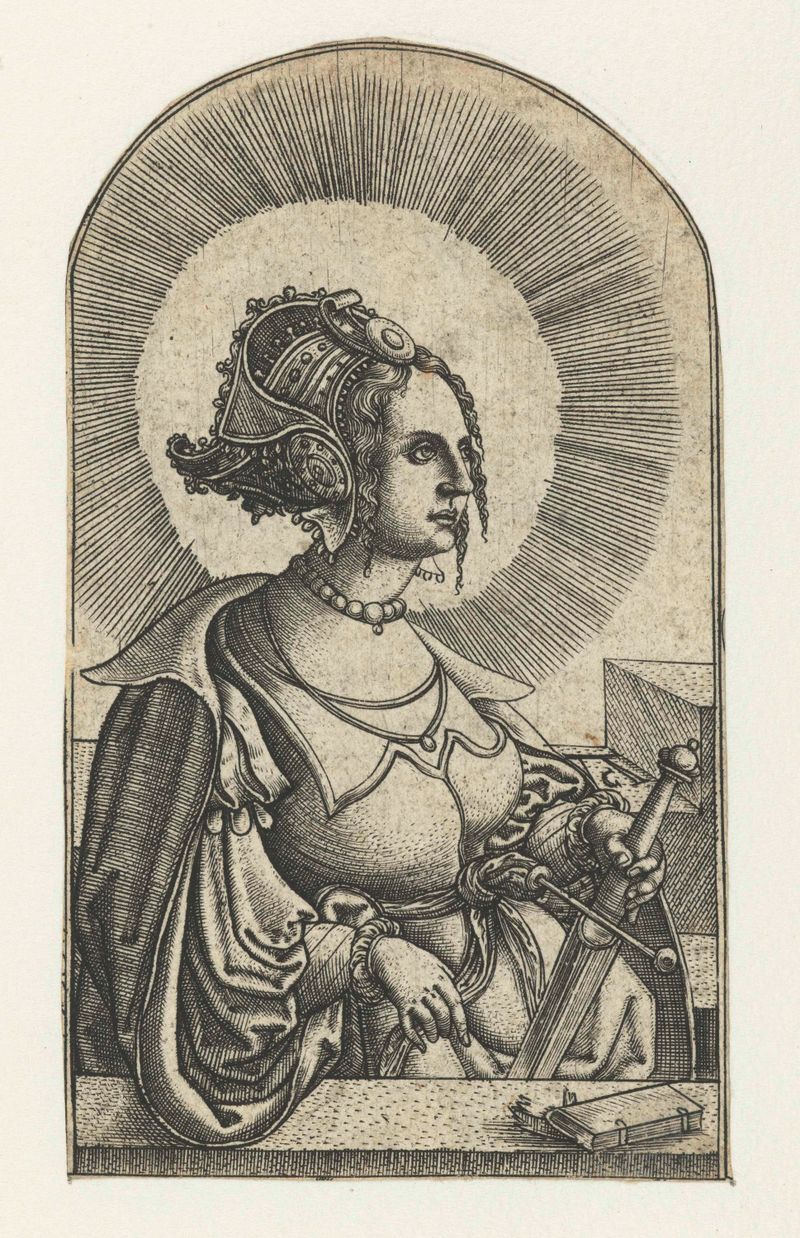
Heilige Catharina
Monogrammist AC (16e eeuw)
Echtpaar met de Dood
Monogrammist AC (16e eeuw)
Allegorie van Tijd en Fortuin
Monogrammist AC (16e eeuw)

Portret van een jongeman (Vanitas)
Monogrammist AC (16e eeuw)

Heilige Martha en de draak
Monogrammist AC (16e eeuw)
Twee verliefden onder een boom
Monogrammist AC (16e eeuw)
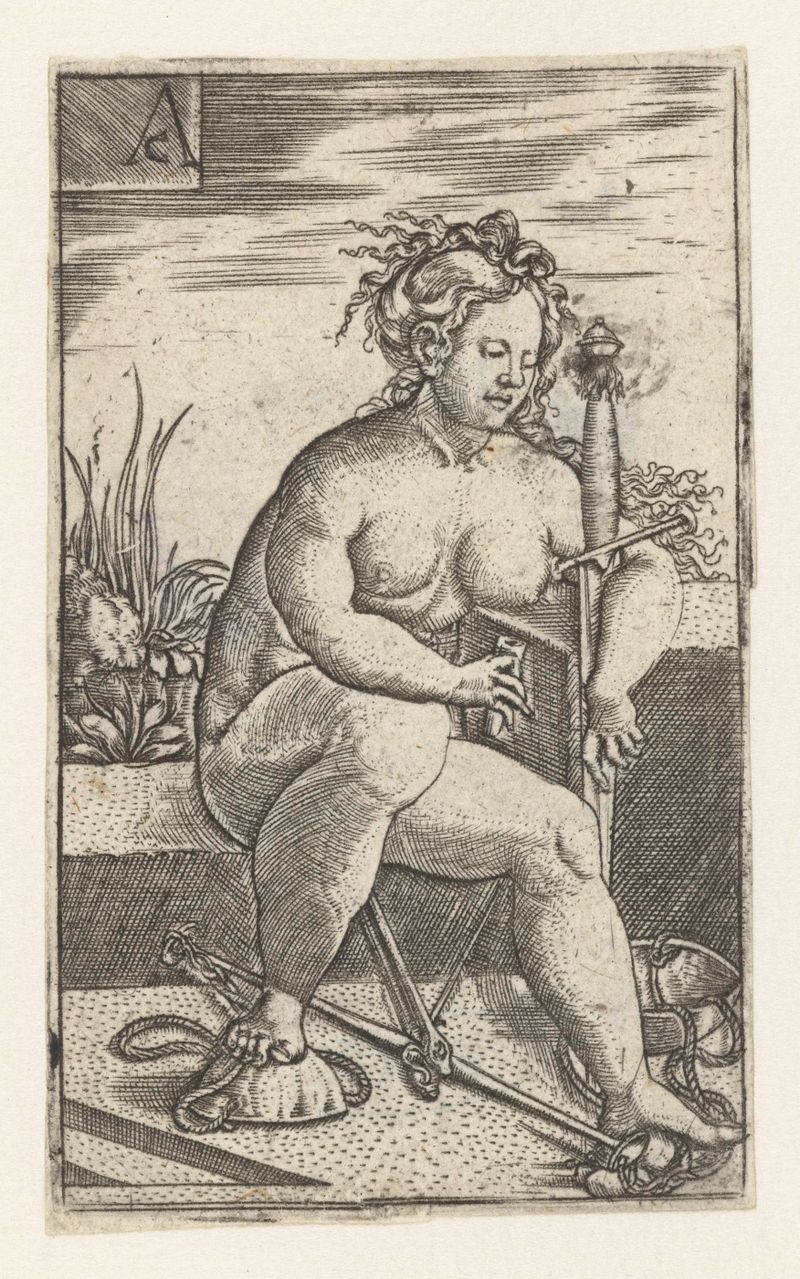
Gerechtigheid (Justitia)
Monogrammist AC (16e eeuw)
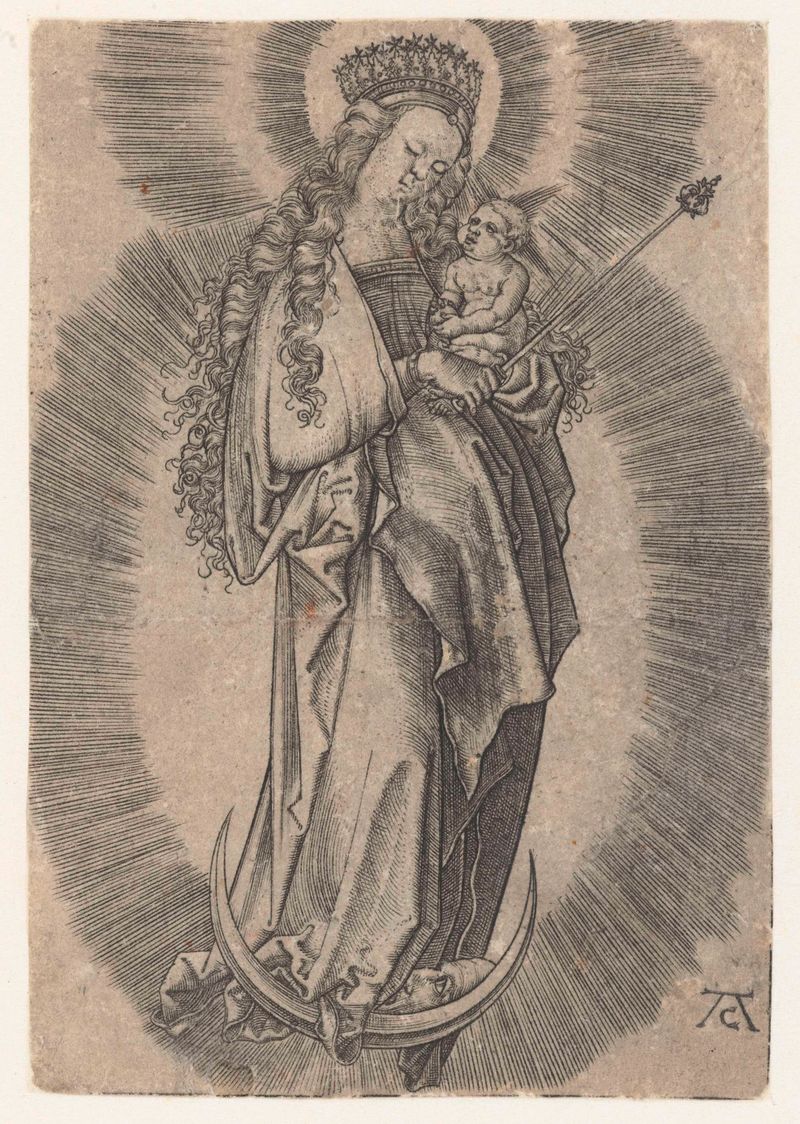
Madonna op de maansikkel.
Monogrammist AC (16e eeuw)
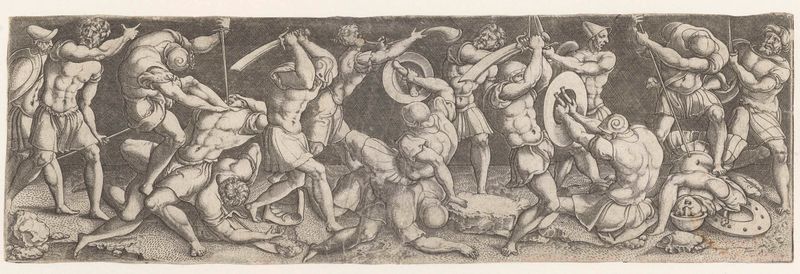
Gevecht tussen Romeinse soldaten
Monogrammist AC (16e eeuw)
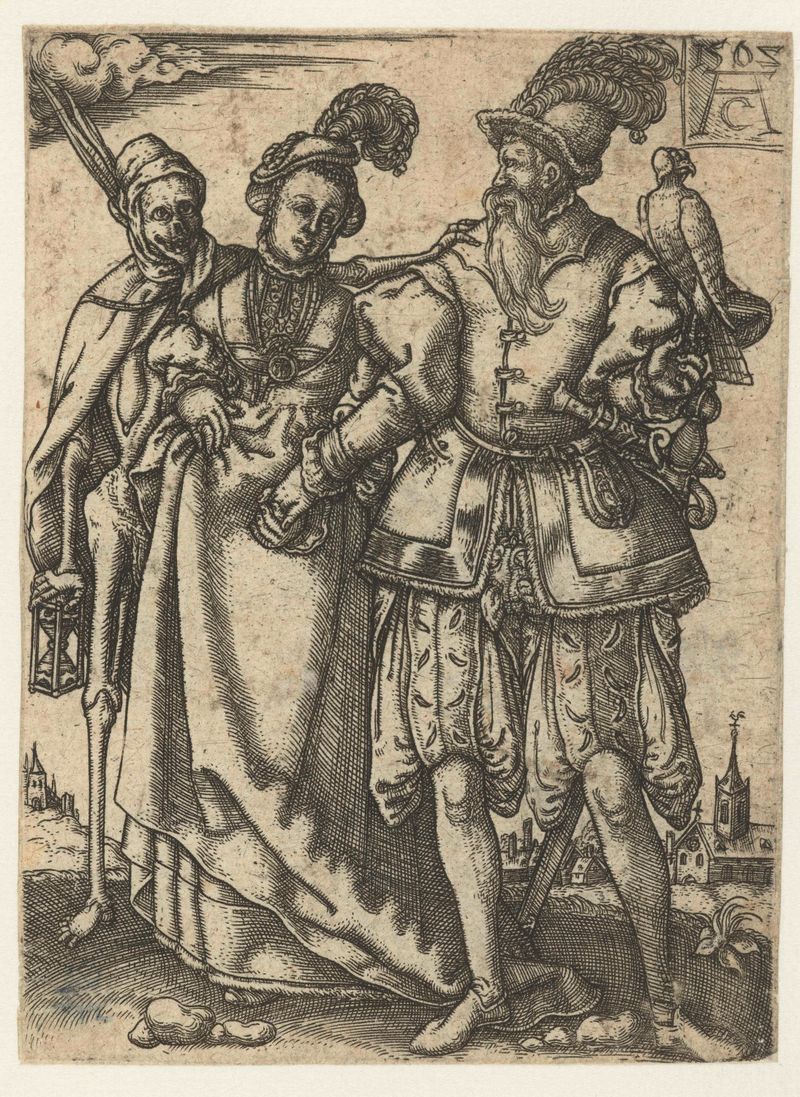
Echtpaar met de Dood
Monogrammist AC (16e eeuw)
More Religious Art
Browse all →
The Return of the Prodigal Son
Rembrandt van Rijn

The Garden of Earthly Delights
El Bosco

Count Orgaz’ funeral
El Greco

The Hundred Guilder Print: the central piece with Christ preaching, the plate arched
Rembrandt van Rijn

The Descent from the Cross
Rogier van der Weyden

The return of the prodigal son
Rembrandt van Rijn