Herbststimmung — History & Facts
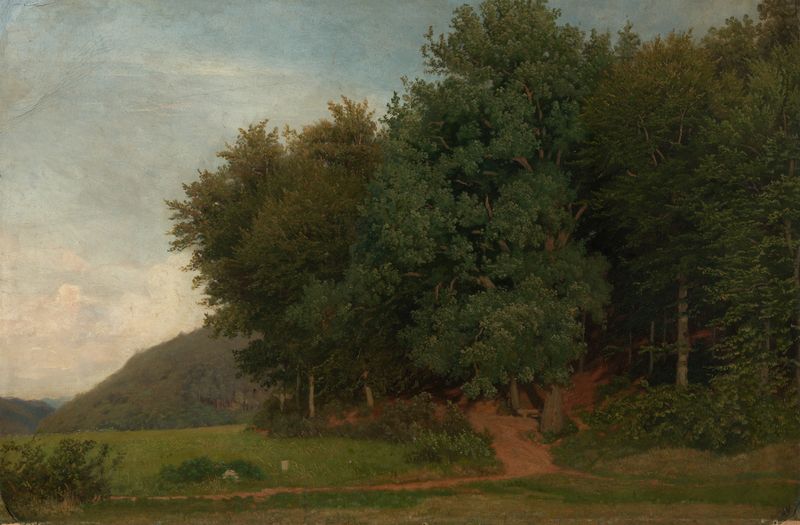
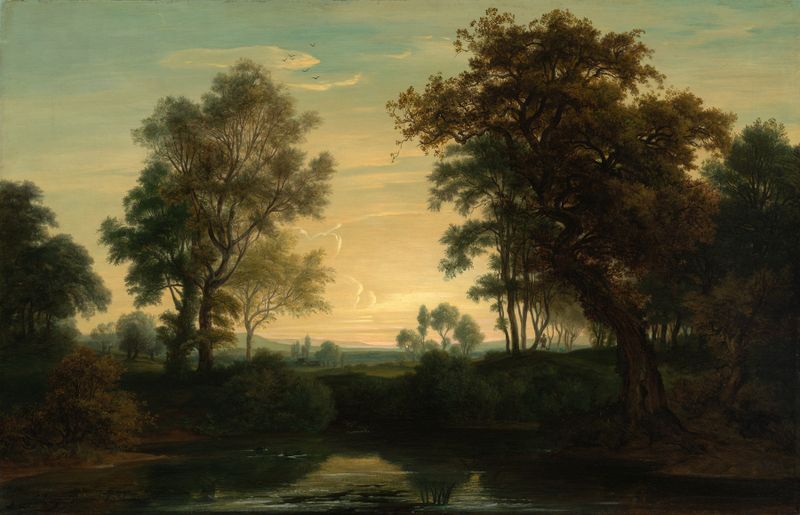
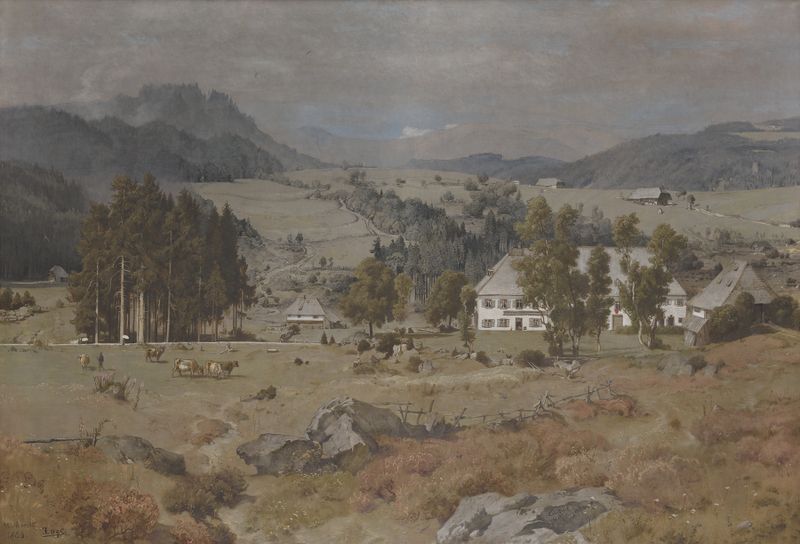
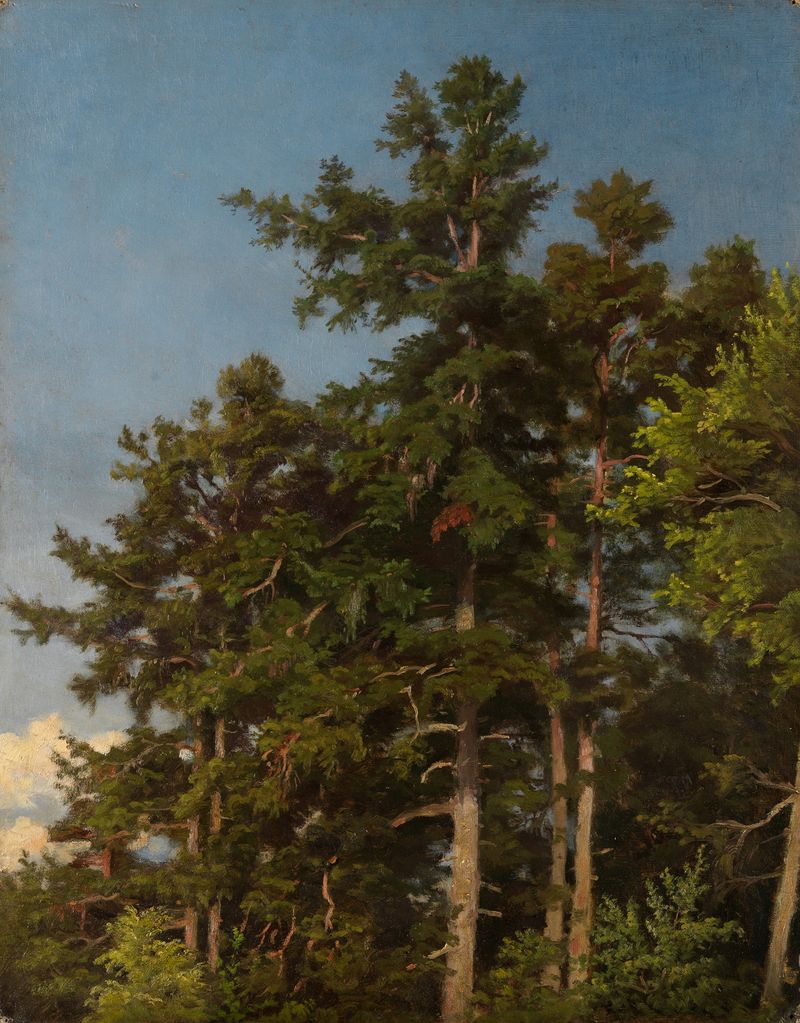
What if silence could speak through light? In Herbststimmung, the autumnal glow captures the essence of unspoken emotions, whispering of secrets held close and betrayals masked beneath a facade of beauty. Look to the left at the delicate interplay of gold and amber hues cascading through the trees, their leaves catching the dwindling light. The artist employs soft brushstrokes that blend seamlessly, inviting the viewer to explore the depth of the scene. Each stroke seems to resonate with the quietude of nature, while the horizon, painted in muted purples and blues, beckons a reflective gaze.
Notice how the light filters through the branches, casting intricate shadows that dance upon the earth, evoking a sense of nostalgia and longing. Yet, beneath this tranquil surface lies a tension that stirs the mind. The warmth of the fallen leaves contrasts sharply with the chill of approaching winter — an impending solitude reminiscent of lost connections and unfulfilled promises. The quiet atmosphere hints at an emotional betrayal, where the vibrancy of life is tinged with the inevitable decay of relationships, mirroring the fleeting beauty of the season.
The painting speaks to the paradox of nature: it offers beauty while hinting at the sorrow that follows its decay. Emil Lugo painted Herbststimmung in 1900 during a transformative time for the art world, embracing the Symbolist movement that sought deeper meanings within landscapes. Living in Germany, he was influenced by the changing perceptions of art that both celebrated nature and reflected inner emotional landscapes. This piece, imbued with a sense of introspection, marks Lugo's exploration of personal and collective sentiments, resonating with a world on the cusp of modernity and change.