Hercules als slapend kind — History & Facts
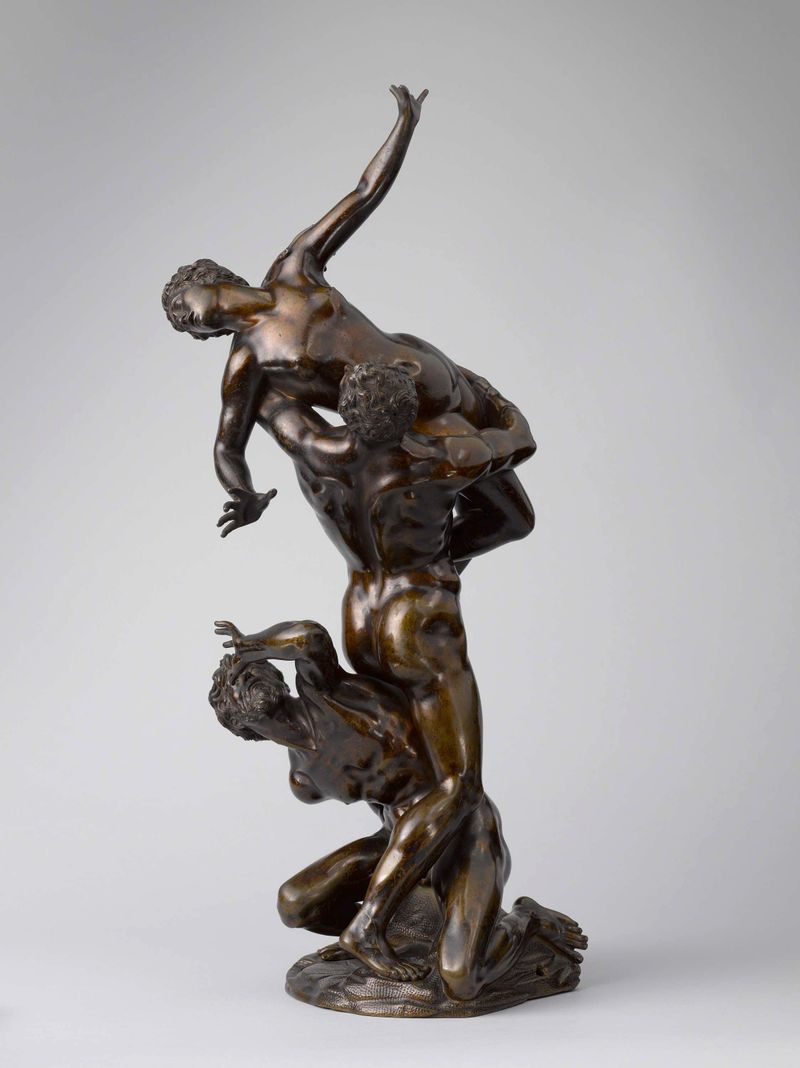
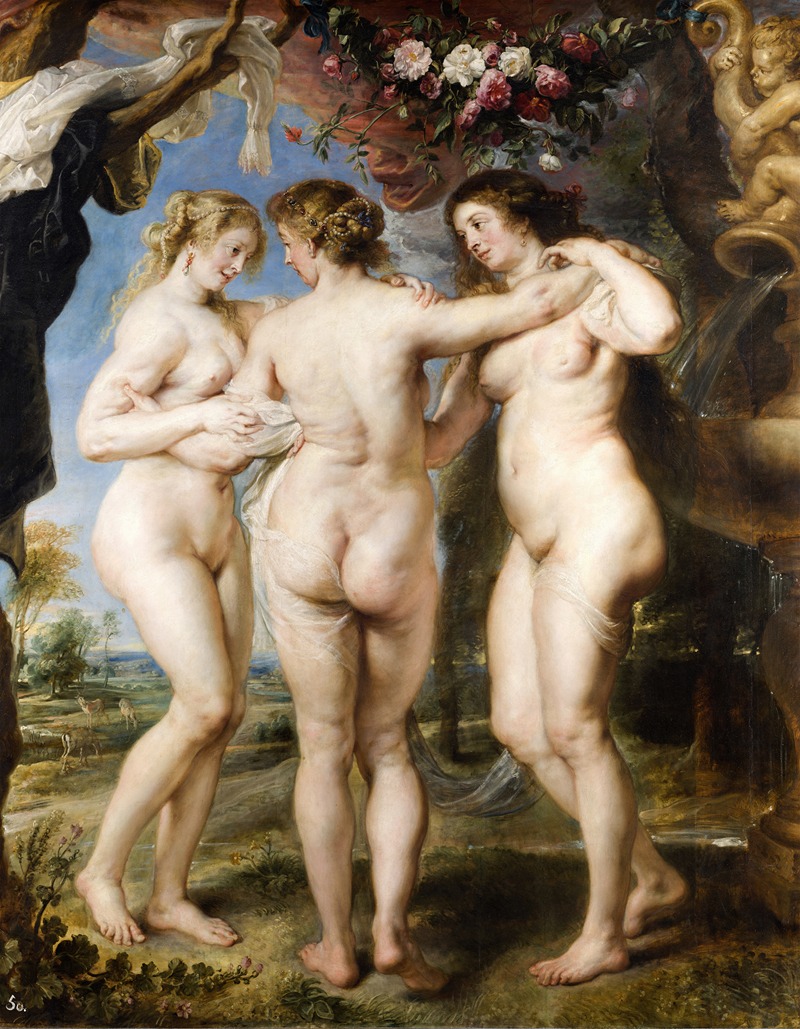
Who listens when art speaks of silence? In Hercules als slapend kind, Wenceslaus Hollar captures a moment steeped in the quiet promise of awakening, reflecting an innocence that contrasts sharply with the legendary strength that lies ahead. Look to the center of the composition, where the young Hercules lies peacefully asleep, his cherubic form cradled in the gentle embrace of an expansive drapery. Notice how the play of light delicately outlines his features, illuminating the softness of his expression and the exquisite detail of the fabric surrounding him. The muted earth tones evoke a sense of calm and warmth, inviting the viewer to linger on this serene tableau, while the subtle, almost ethereal background enhances the sense of vulnerability inherent in his slumber. Within this tender scene, contrasts abound: the juxtaposition of the infant's fragility against the mythic power he is destined to embody, and the stillness of sleep against the potent life force that awaits awakening.
Hollar infuses the work with layers of meaning, hinting at the duality of existence — the innocent beginnings of a hero who will face insurmountable trials. Each detail, from the gentle curves of Hercules's body to the soft folds of the drapery, resonates with a profound significance that invites contemplation. Wenceslaus Hollar created this engaging work in 1639, during a time when he was establishing himself as a prominent engraver and artist in England after fleeing his native Bohemia. It was a period rich with the exploration of allegory and classical themes in art, as artists sought to reconcile human emotion with ancient narratives, reflecting the broader currents of the Baroque movement and the quest for individual expression.
More Artworks by Wenceslaus Hollar
Browse all →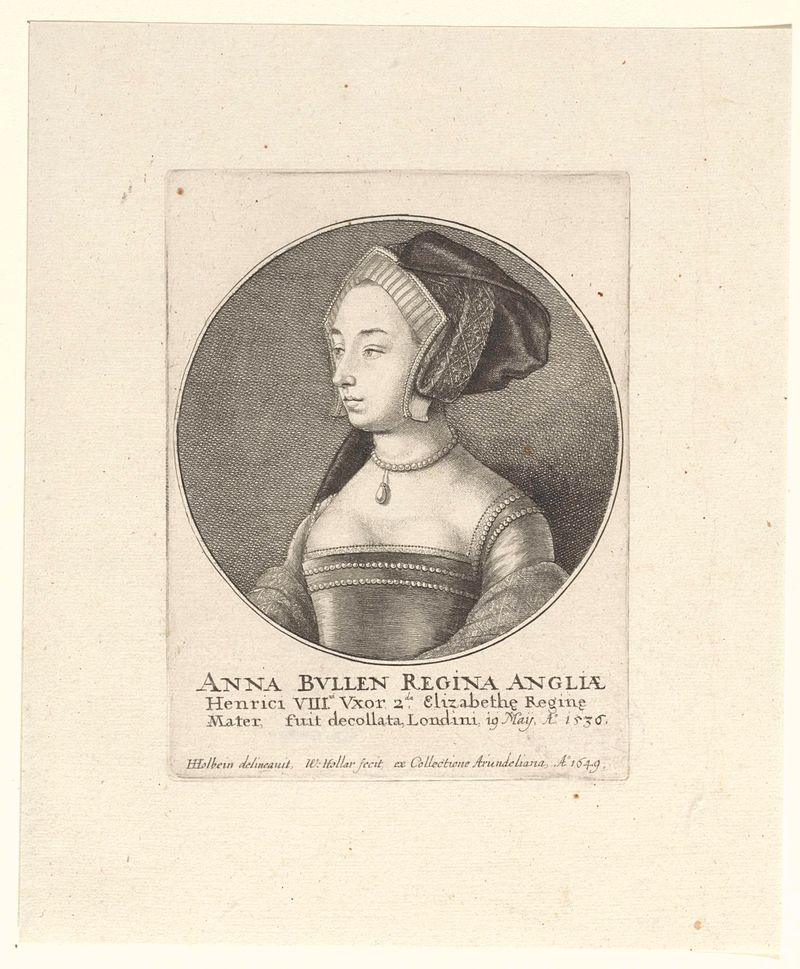
Portret van Anna Boleyn, koningin van Engeland
Wenceslaus Hollar
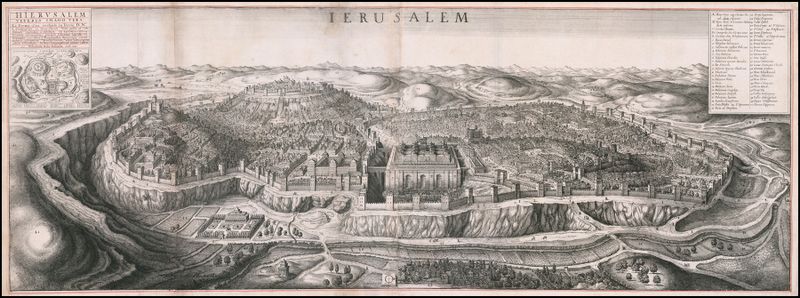
Bird’s eye view of Jerusalem
Wenceslaus Hollar
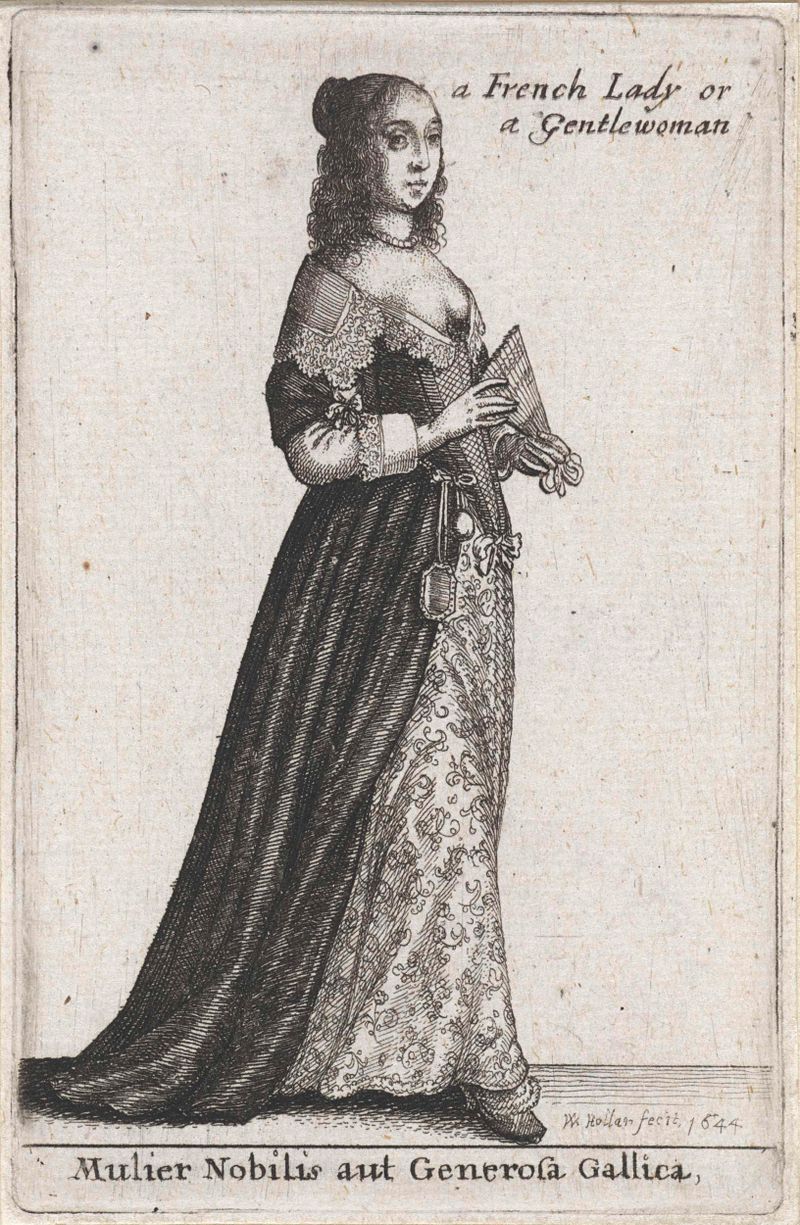
Mulier Nobilis aut Generosa Gallica / a French Lady or Gentlewoman
Wenceslaus Hollar
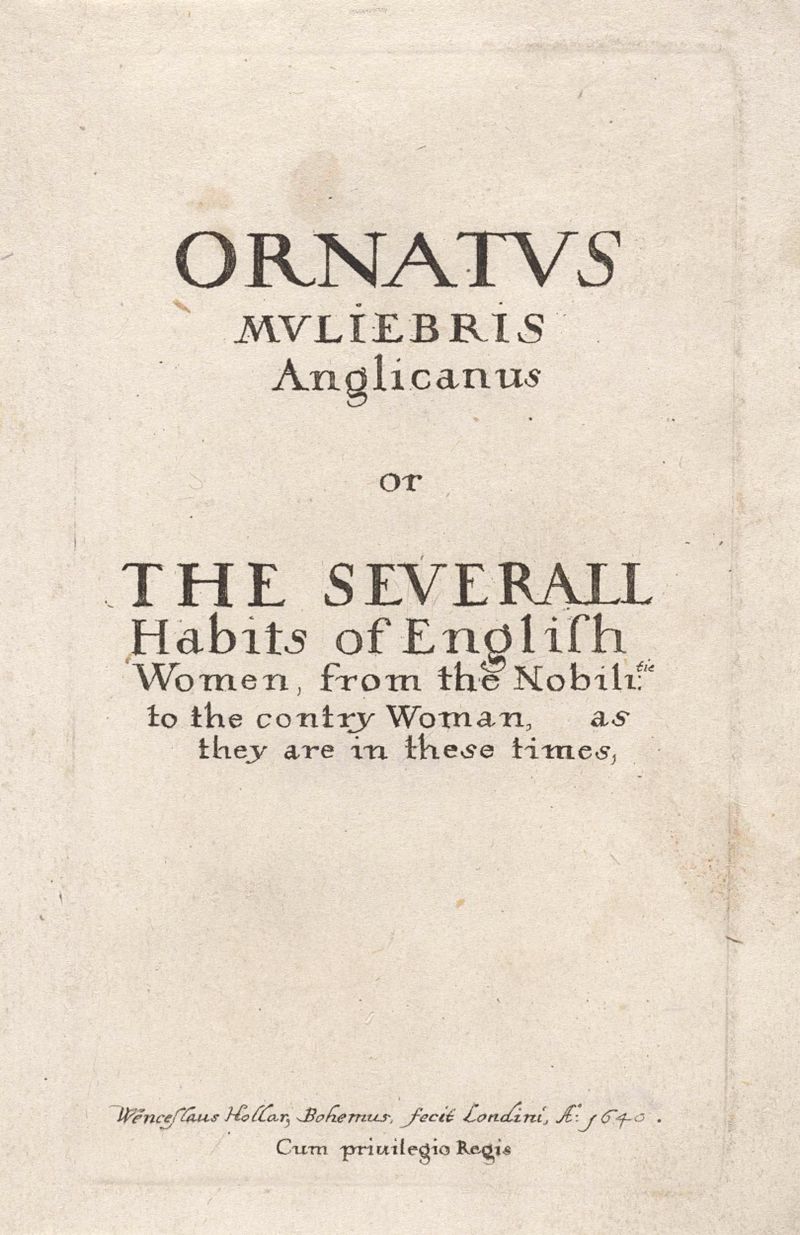
Titelprent voor: Ornatus Muliebris Anglicanus
Wenceslaus Hollar
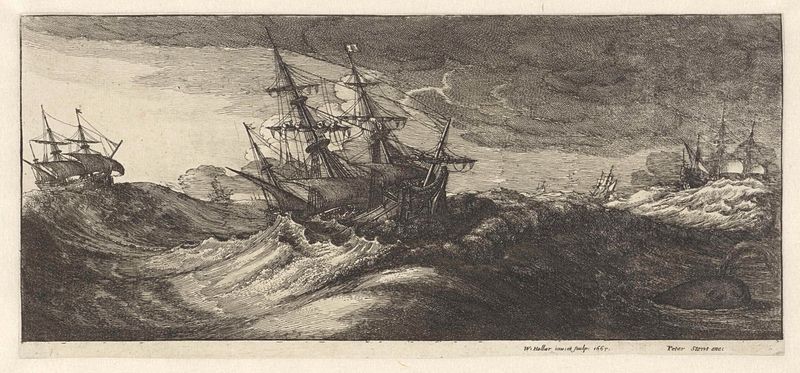
Oorlogsschepen en een walvis in een zeestorm
Wenceslaus Hollar
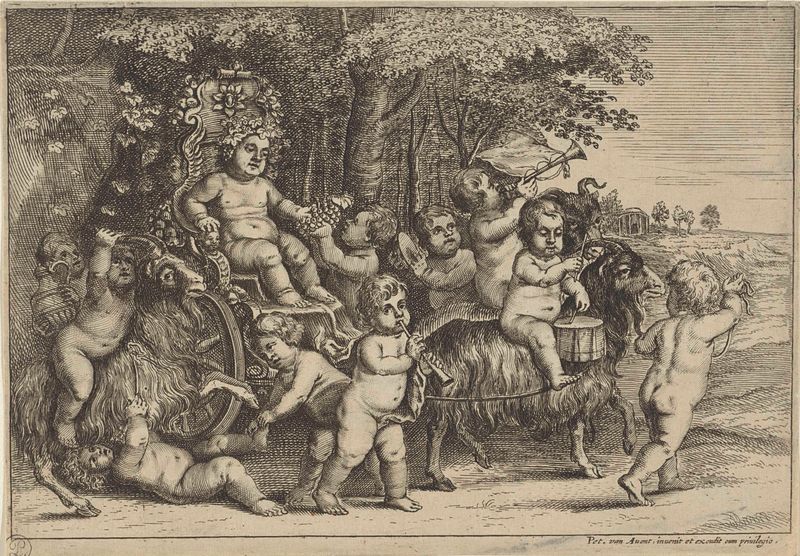
Optocht van bacchant en jongetjes op geiten
Wenceslaus Hollar
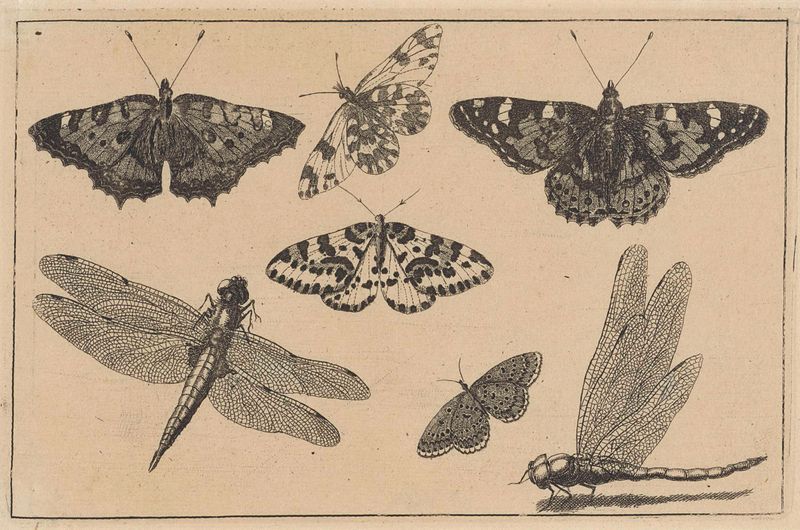
Twee libellen en vijf vlinders
Wenceslaus Hollar
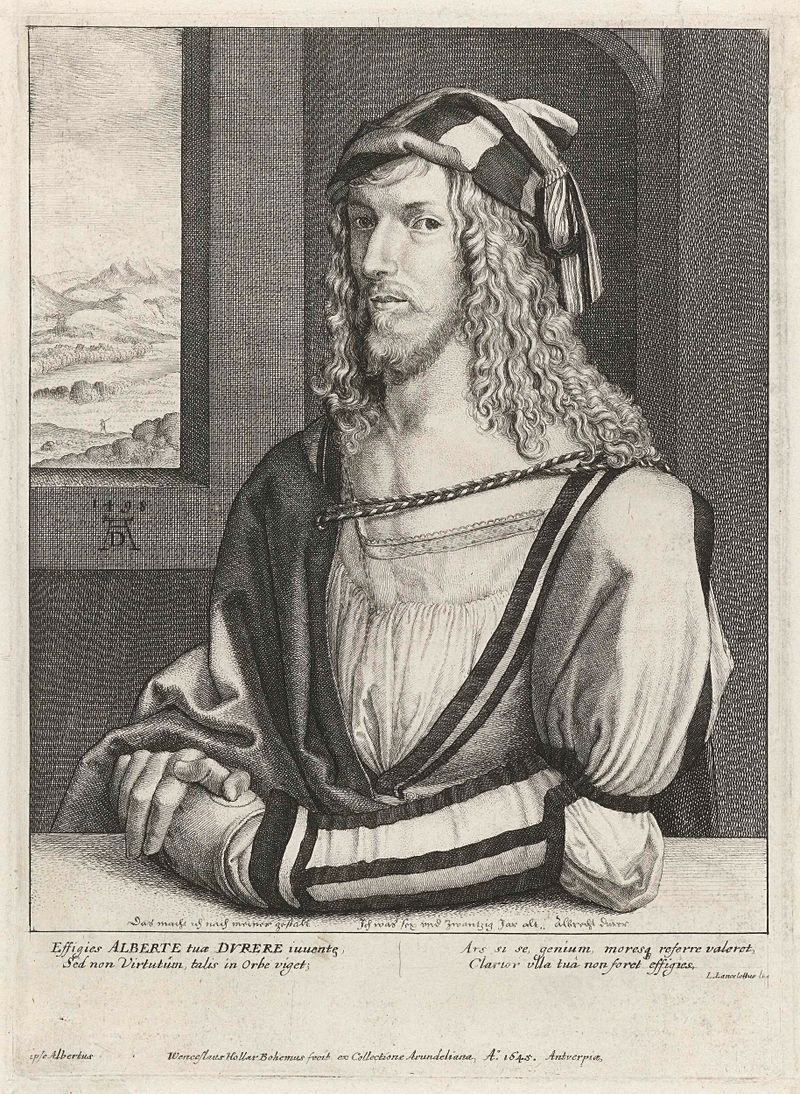
Portret van Albrecht Dürer
Wenceslaus Hollar
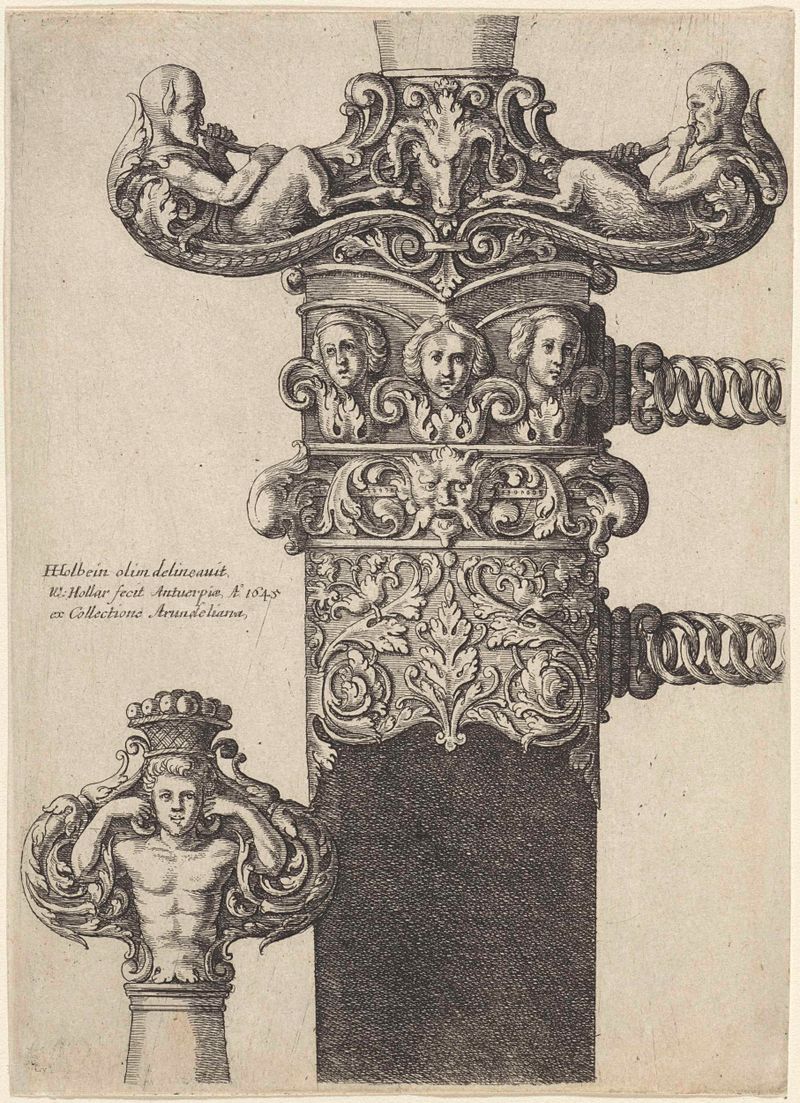
Ornamenteel ontwerp voor een dolk
Wenceslaus Hollar
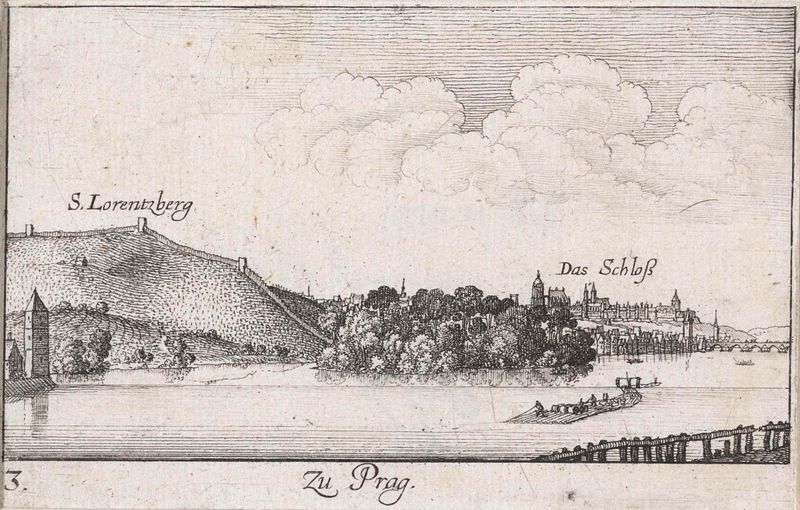
Gezicht op Praag vanaf de Moldau
Wenceslaus Hollar