
Herkimer — History & Facts
In the stillness of Herkimer, the void speaks louder than words, evoking the lingering presence of what is unfulfilled. The absence becomes as important as the existence, inviting viewers to explore the depths of their own emotions and reflections. Look to the left at the stark contrast between the deep blues and muted earth tones that create a haunting ambiance. The subtle play of light across the surface, with its delicate brushstrokes, draws you deeper into the composition.
It’s a masterful juxtaposition of shadow and illumination, revealing textures that pulsate with an almost ethereal quality. Each element is carefully crafted to evoke the essence of emptiness, illustrating a space where silence reigns supreme. In the foreground, the juxtaposition of the solid forms against the intangible void hints at the tension between presence and absence. The weight of the dark shapes anchors the piece, yet the spaces between them feel almost suffocating, as if they hold secrets waiting to be uncovered.
This interplay suggests not only personal introspection but also a universal human experience of grappling with voids in life, relationships, and self-identity. In 1897, Peixotto was immersed in the art scene of California while also engaging with broader conversations about modernism. During this period, he explored themes of identity and the subconscious, paving the way for a deeper understanding of emotional landscapes. The creation of Herkimer reflects a pivotal moment in his artistic evolution, as he sought to convey complex feelings through simplicity and profound negative space.
More Artworks by Ernest Peixotto
Browse all →
Fort Moultrie on the Site of Old Fort Sullivan
Ernest Peixotto
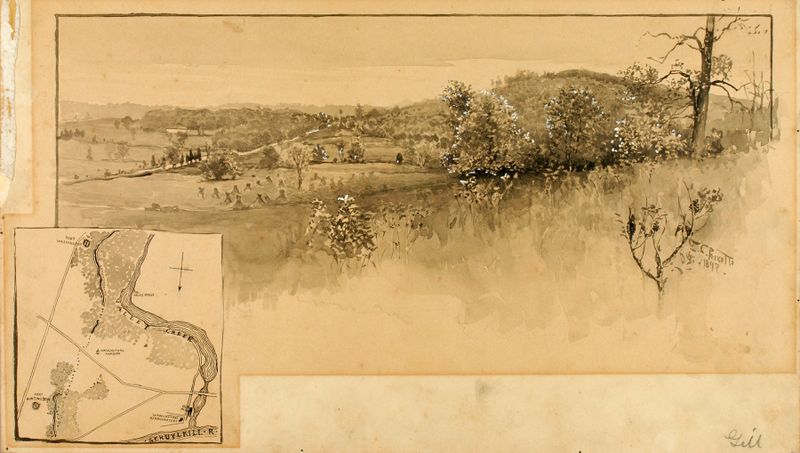
Valley Forge
Ernest Peixotto
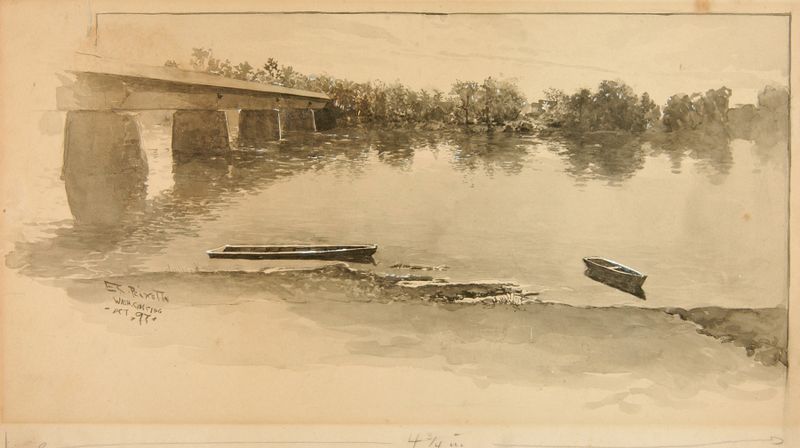
Washington Crossing
Ernest Peixotto

Ticonderoga
Ernest Peixotto
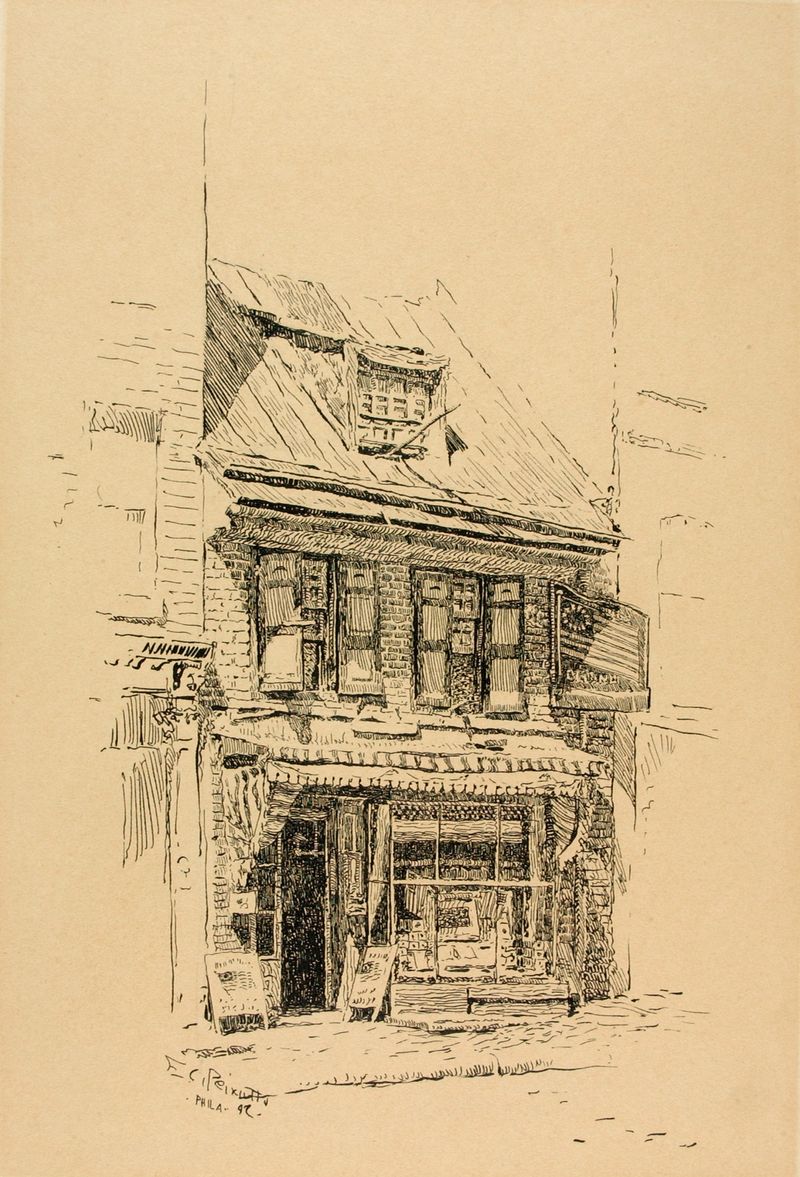
House Where First American Flag Was Made
Ernest Peixotto
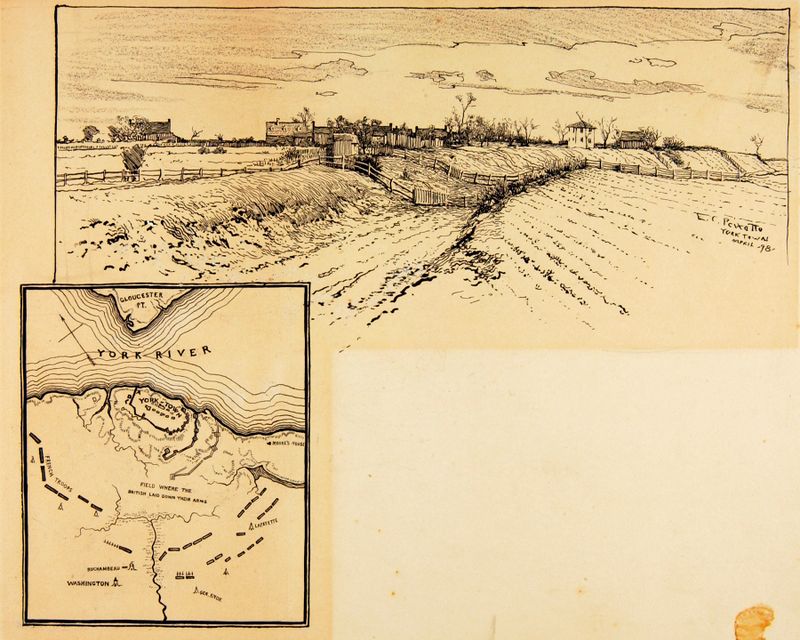
Present Appearance of British Entrenchment, Yorktown
Ernest Peixotto
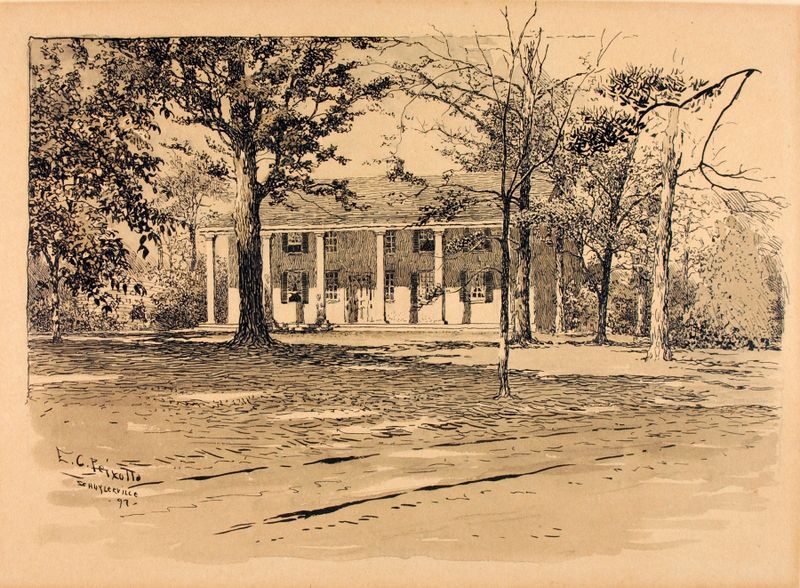
Saratoga. General Schuyler’s House
Ernest Peixotto
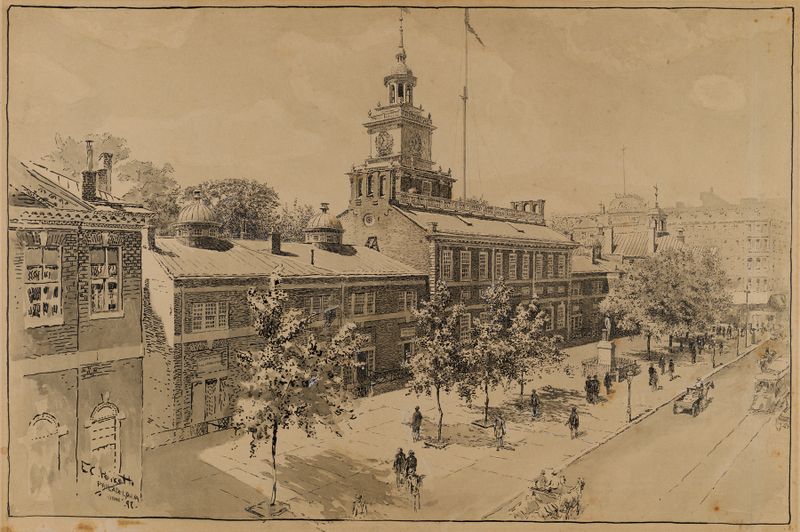
Philadelphia, Independence Hall, Chestnut Street
Ernest Peixotto
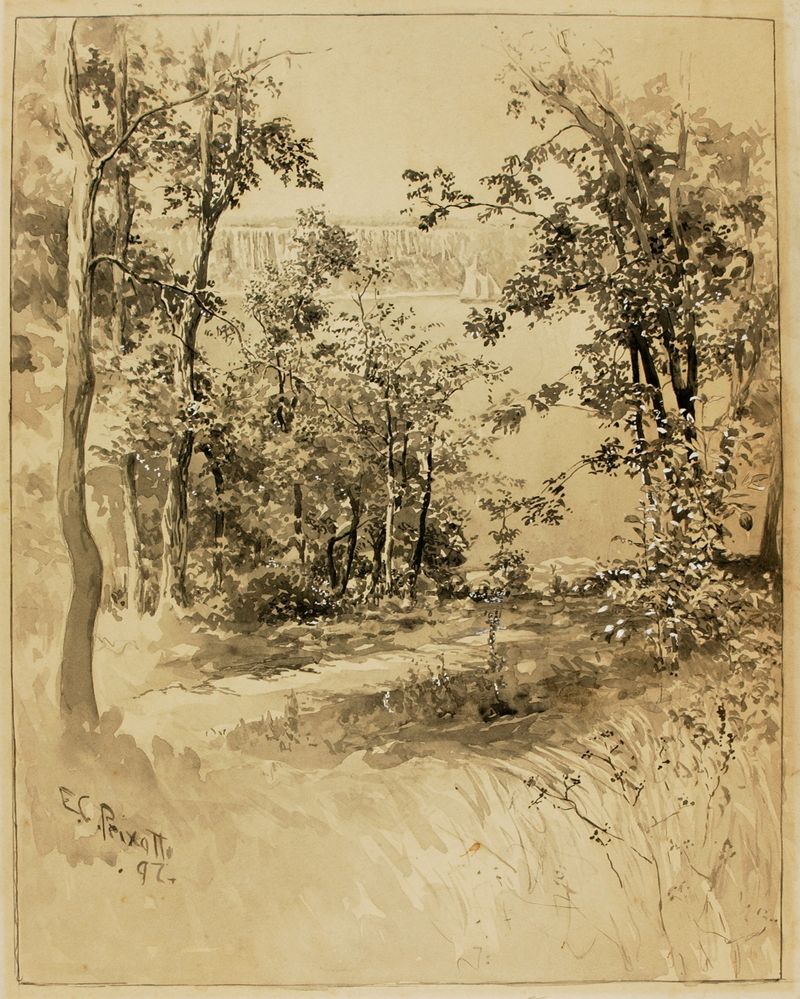
New York, Site of Fort Washington, Looking at Fort Lee
Ernest Peixotto

Capture of Fort Ticonderoga
Ernest Peixotto





