
Hermangarde’s Lament, from An Old Mistress — History & Facts
Is this a mirror — or a memory? In Hermangarde’s Lament, the boundaries between reflection and yearning blur, inviting us to contemplate the depths of obsession and loss. Focus on the haunting figure at the center, her downcast eyes mirroring a sorrowful past. The subtle play of light across her delicate features enhances the melancholy atmosphere, while the muted palette of browns and soft grays envelops her in an air of somber introspection. Notice how the background fades, suggesting that she is caught between this world and another, her surroundings echoing the weight of her emotion.
The swirling patterns around her evoke a sense of turbulence, drawing the eye into her turmoil. Within the folds of her garments, there lies a poignant contrast between the richness of the fabric and the hollowness of her expression. This juxtaposition speaks to the duality of memory: vibrant yet faded, alive yet lost. Each brushstroke seems to capture a moment frozen in time, as if the artist is both revealing and concealing the layers of Hermangarde’s experience.
The tension in her stance and the stillness of her form suggest a deep obsession with what once was, a poignant reminder of the ghosts that linger in our past. Félix Hilaire Buhot painted this work during the late 19th century, a period marked by a vibrant shift in the Parisian art scene toward impressionism and explorations of emotional depth. Struggling with his own artistic identity, he sought to harness the power of printmaking and painting to convey a new kind of narrative. Hermangarde’s Lament emerges from this moment of personal and artistic uncertainty, an exploration of the psyche amid a society grappling with change.
More Artworks by Félix Hilaire Buhot
Browse all →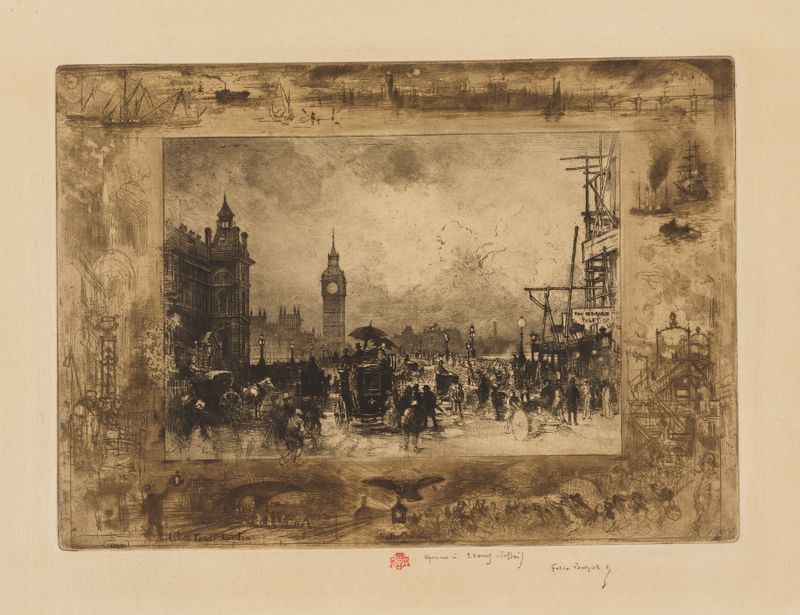
Westminster Bridge, or Westminster Clock Tower
Félix Hilaire Buhot
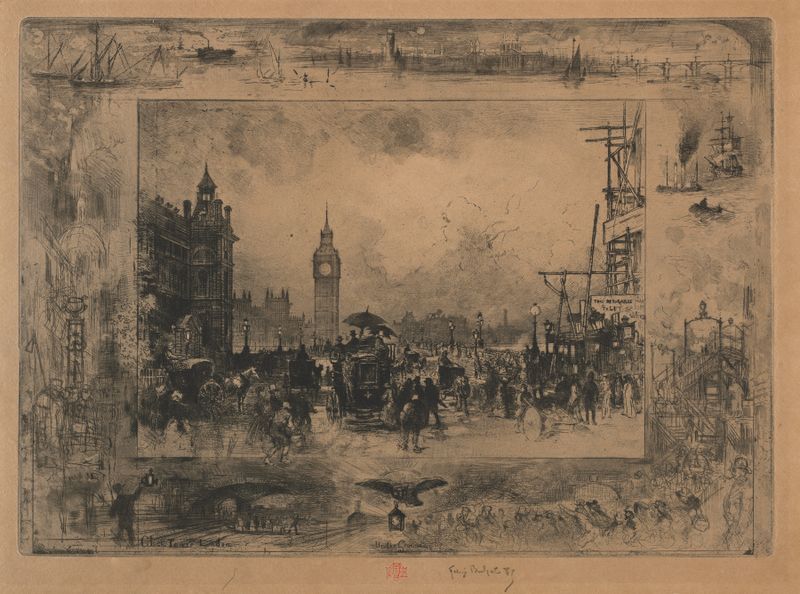
Westminster Bridge, or Westminster Tower
Félix Hilaire Buhot
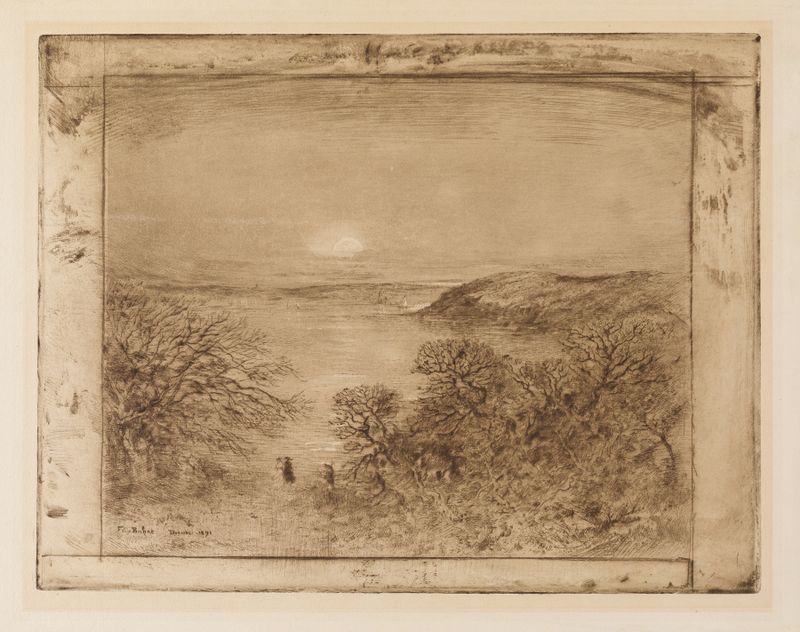
Moonrise at Dinard
Félix Hilaire Buhot
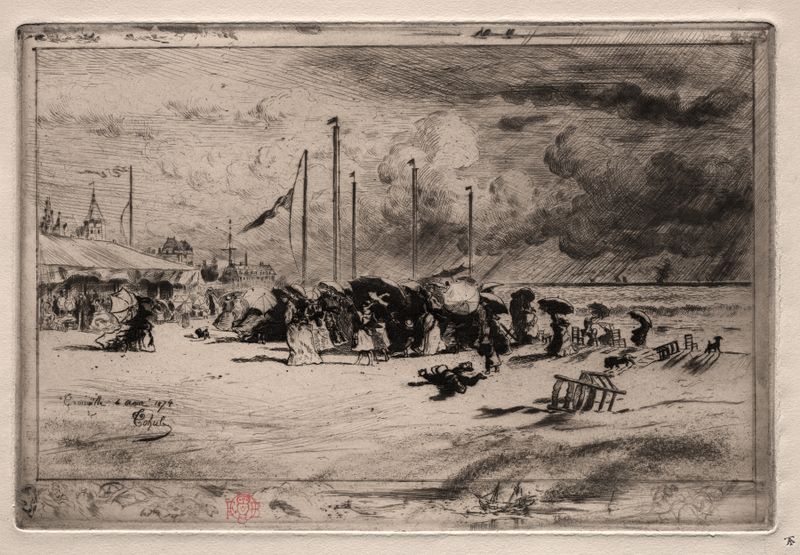
A Squall at Trouville
Félix Hilaire Buhot
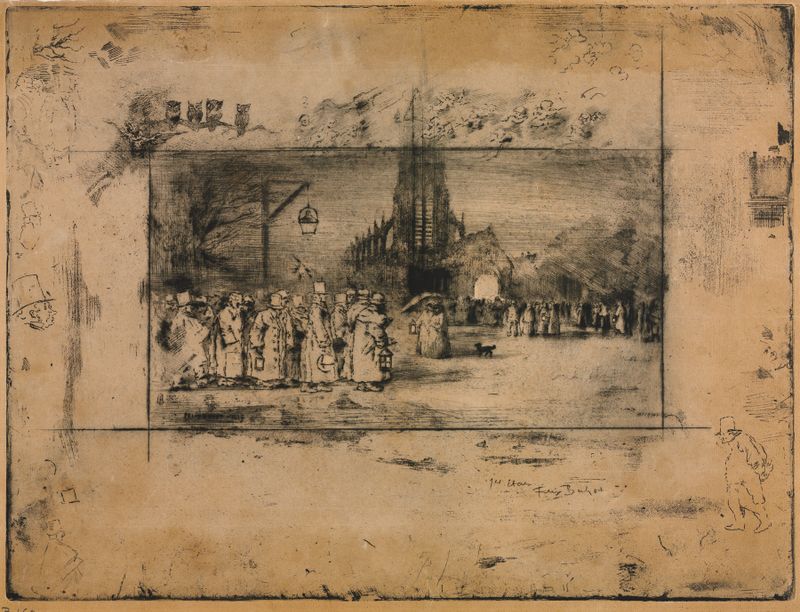
The Midnight Mass
Félix Hilaire Buhot
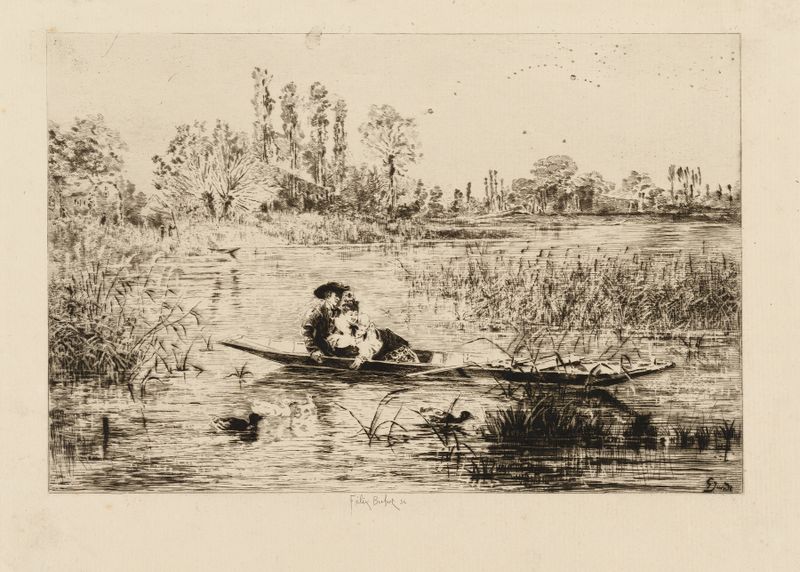
On the Thread of the Water
Félix Hilaire Buhot
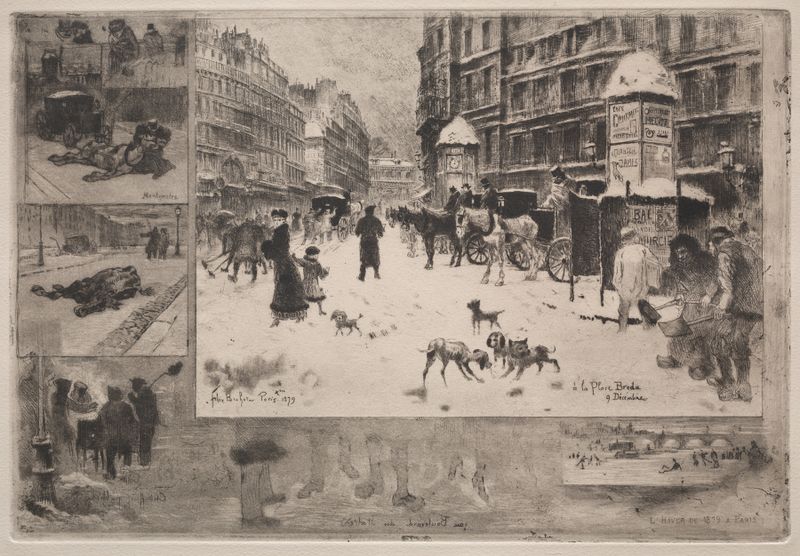
Winter in Paris
Félix Hilaire Buhot
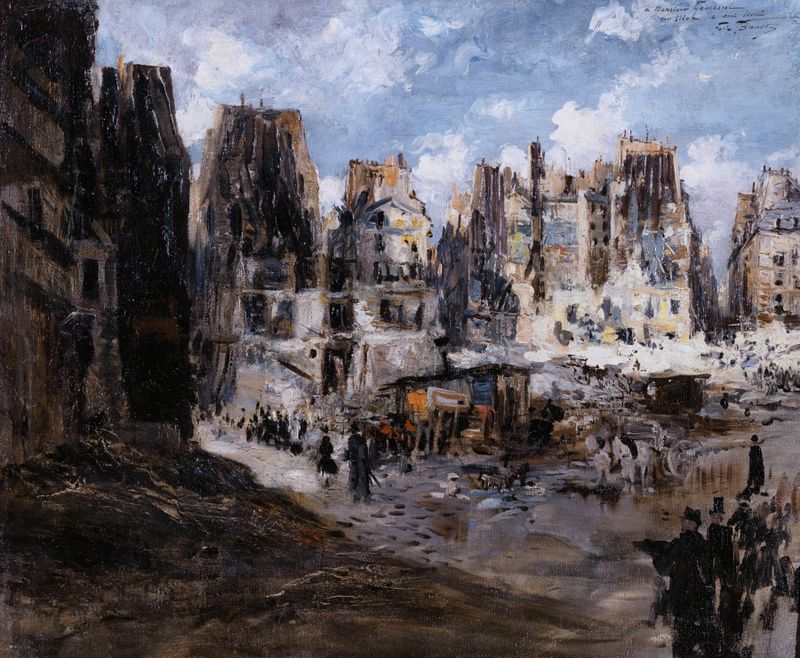
Le percement de l’avenue de l’Opéra.
Félix Hilaire Buhot
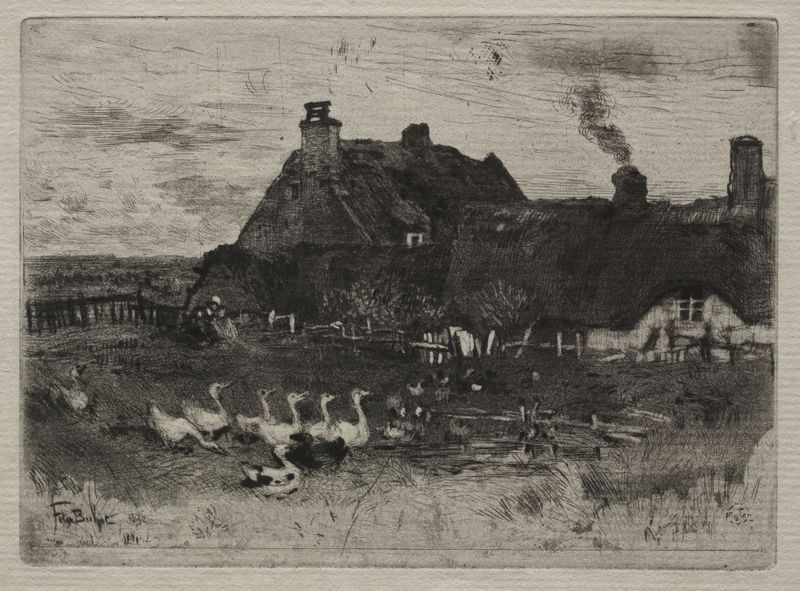
Thatched Cottages
Félix Hilaire Buhot
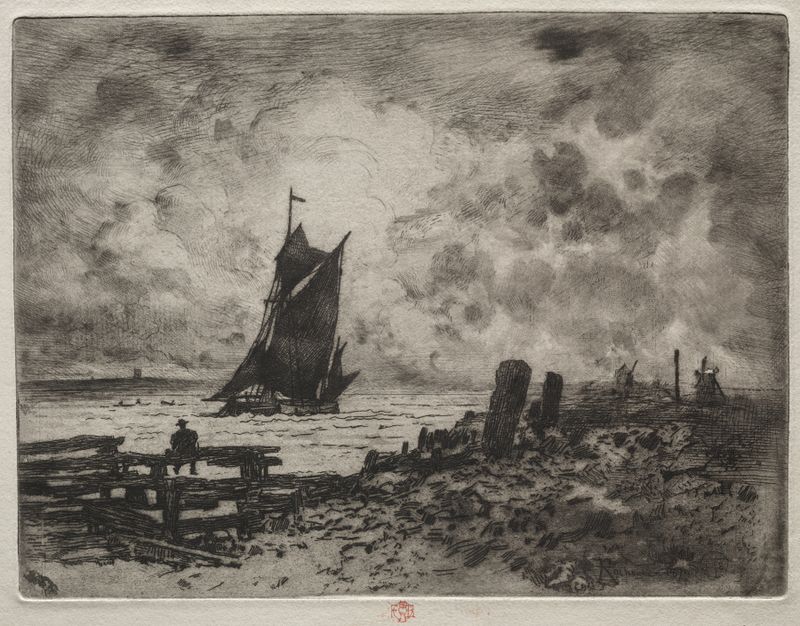
The Little Marine; Souvenir of Medway
Félix Hilaire Buhot





