Het kasteel te Anholtz — History & Analysis
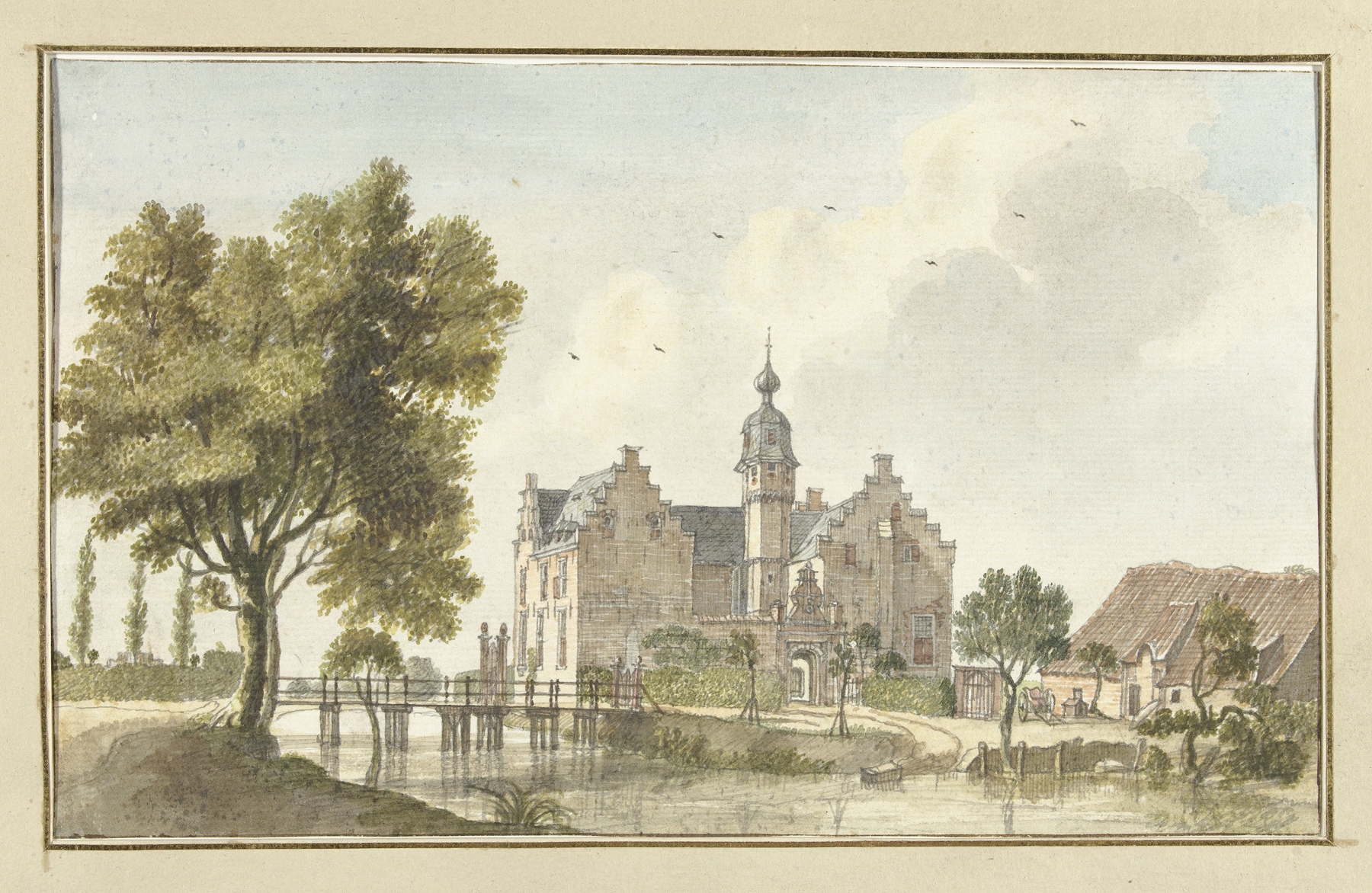
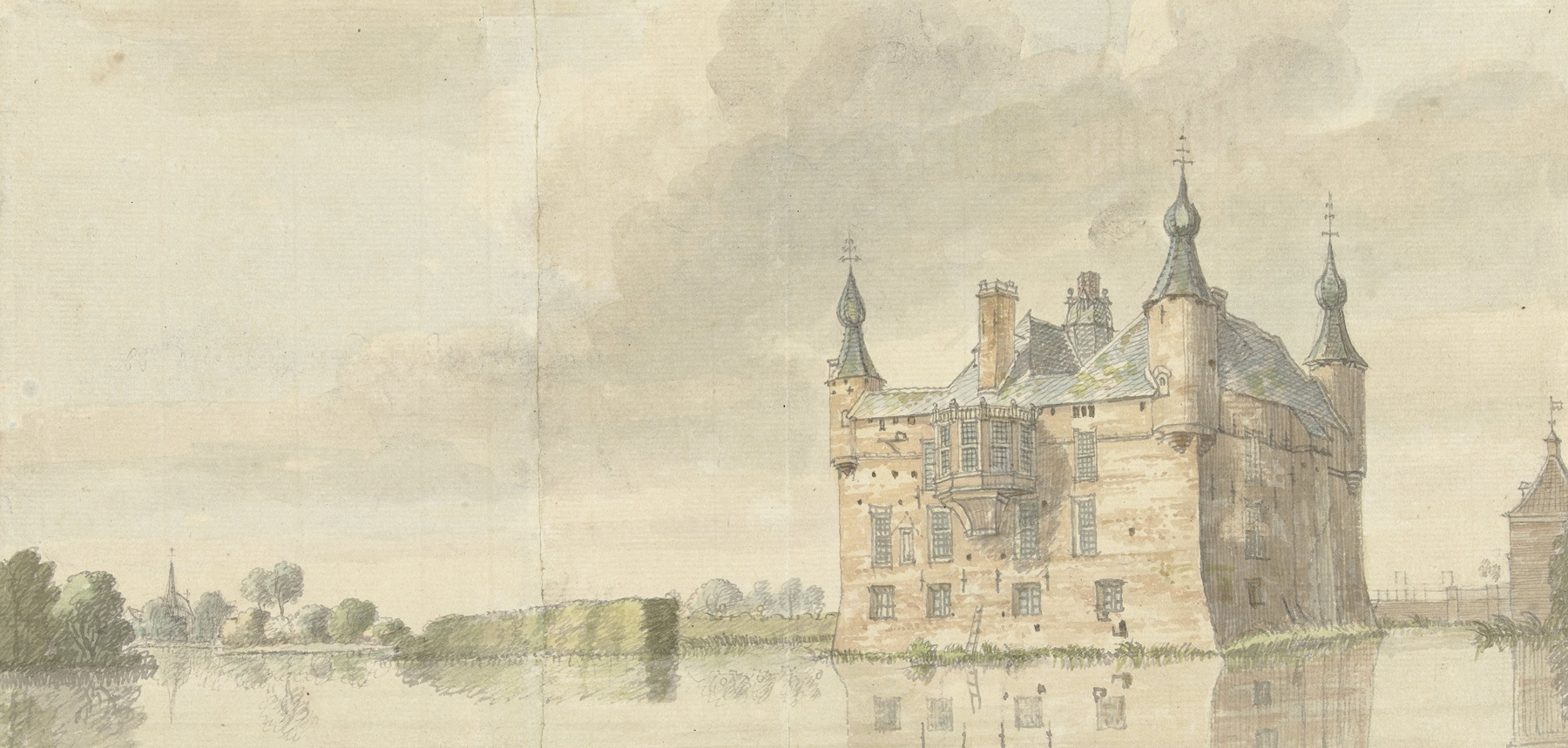
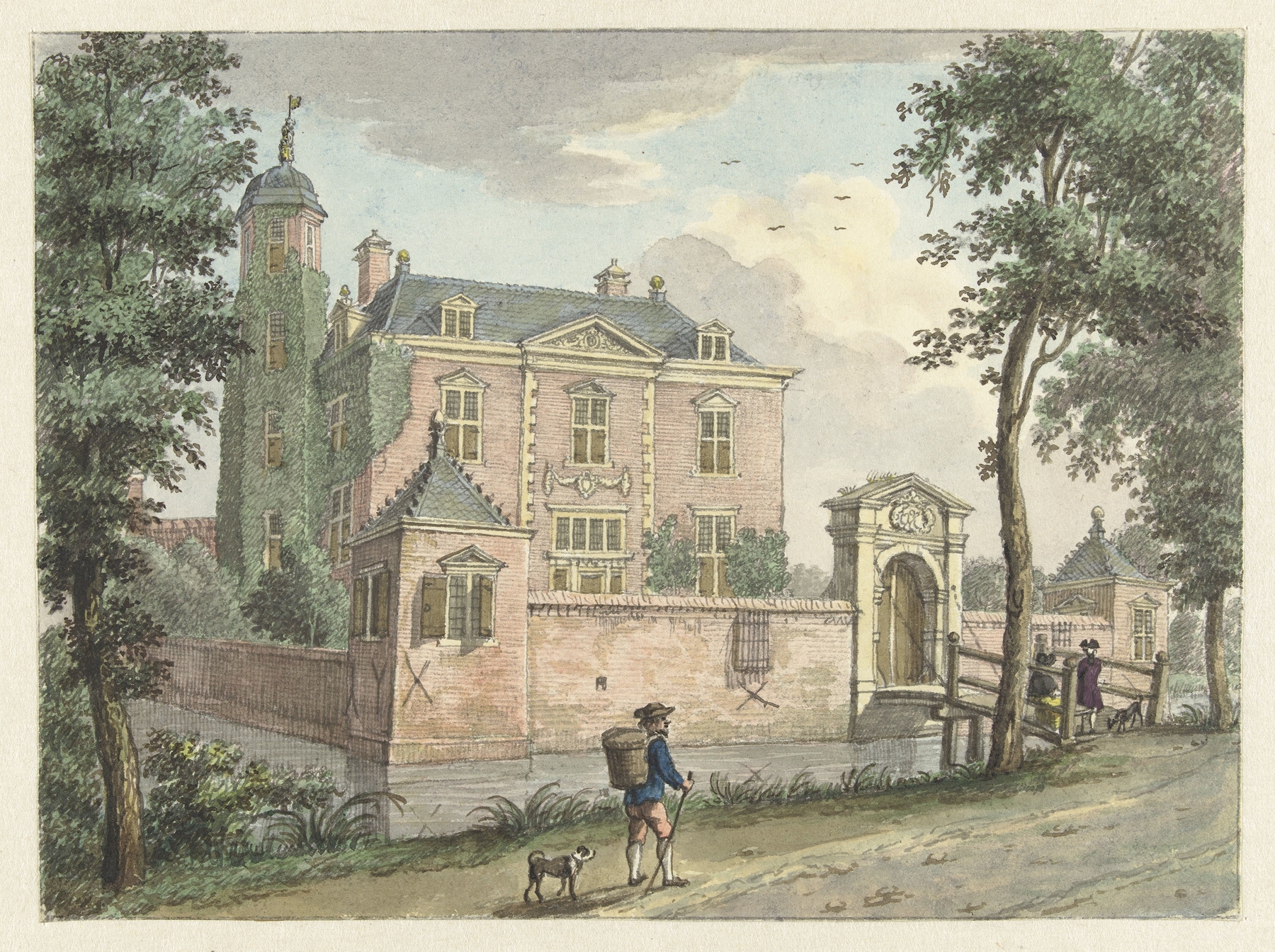
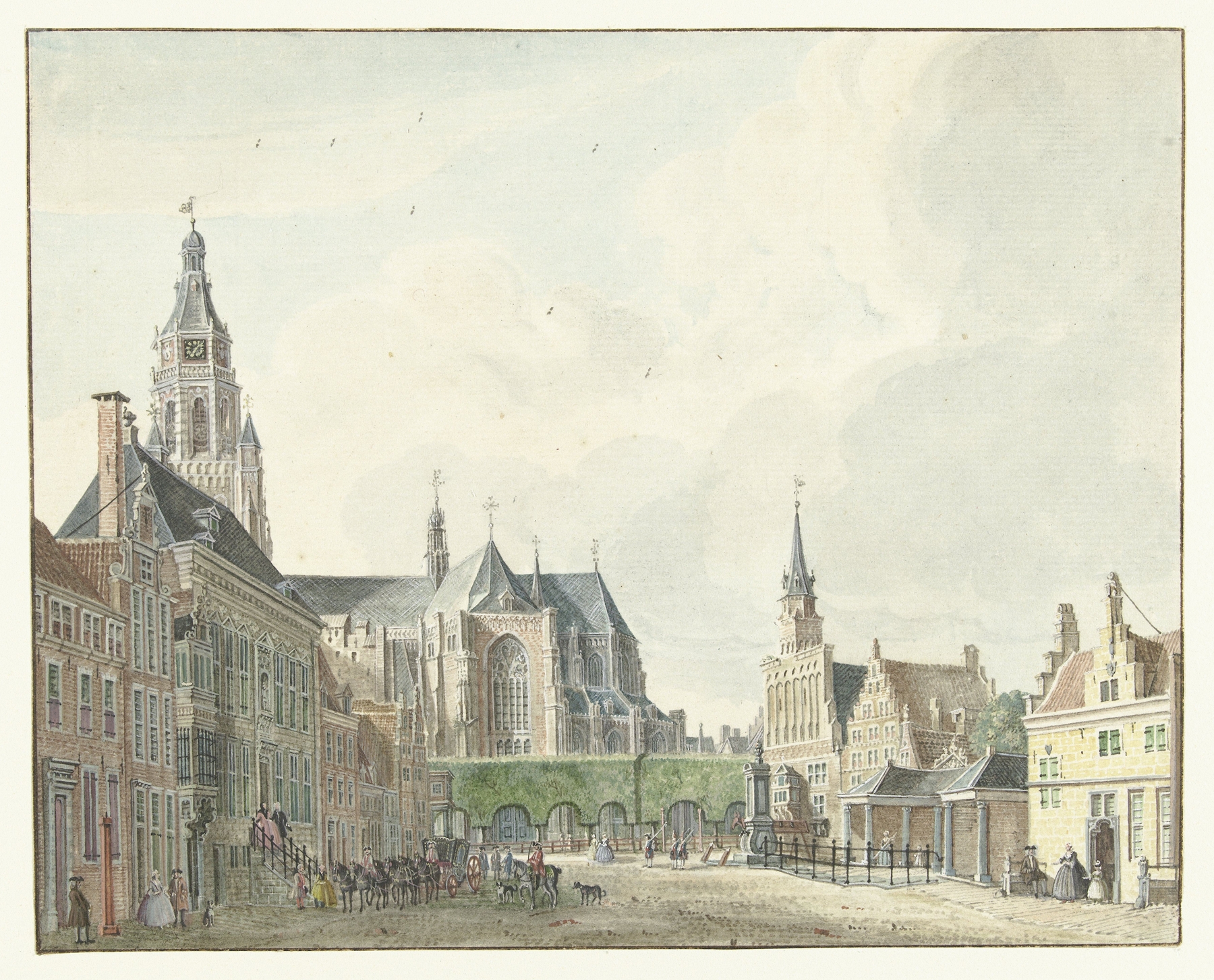
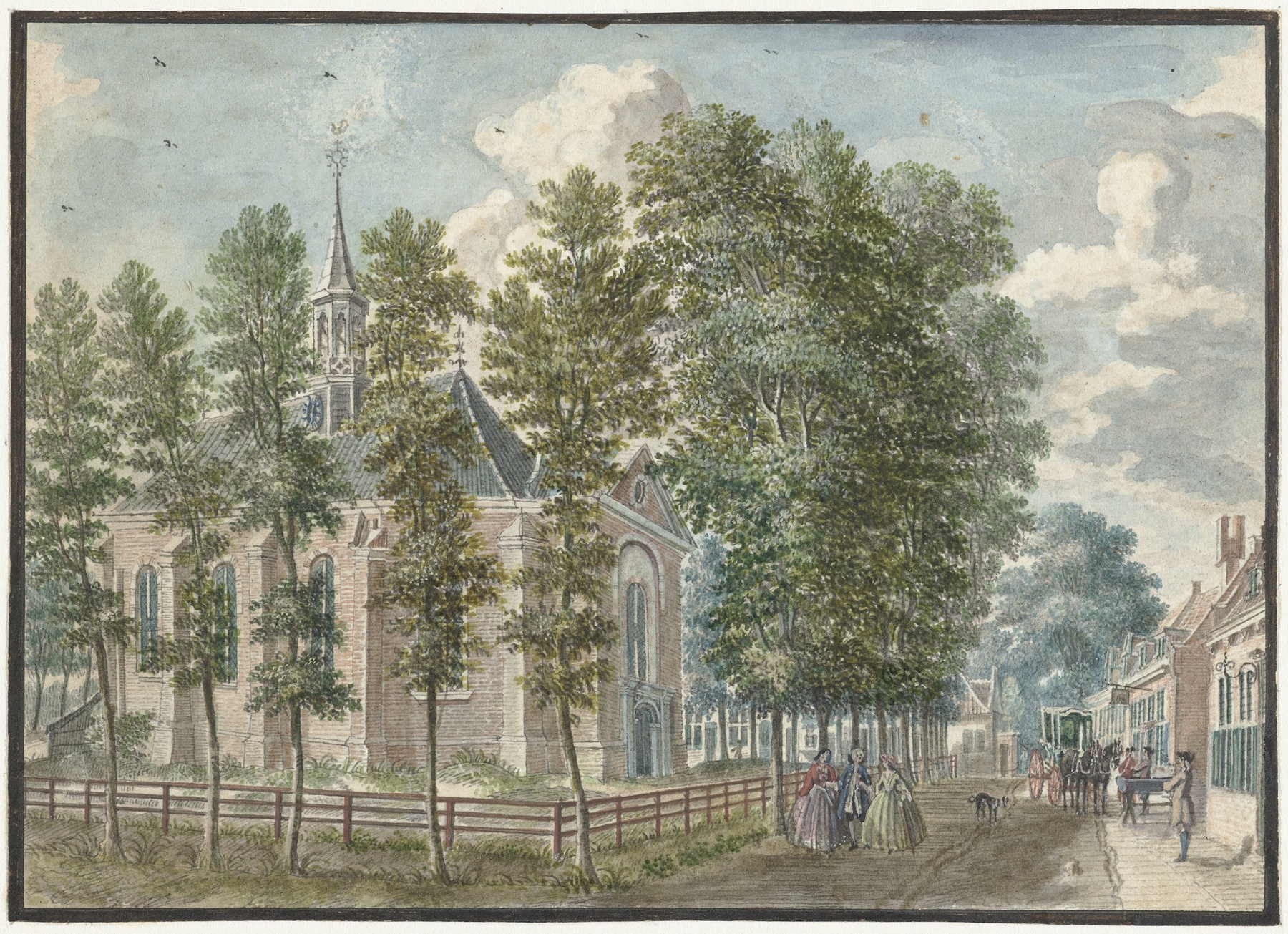
“Every brushstroke is a heartbeat remembered.” In Het kasteel te Anholtz, innocence breathes through the tranquil yet vibrant landscape, inviting us to gaze at a moment both serene and profound. Focus on the delicate brushwork in the foreground, where green grass and blossoming flowers intertwine, their colors bursting forth with a life of their own. The gentle rise of the land leads your eye towards the majestic castle, its reflection dancing upon the still waters of the moat. Notice how the slant of sunlight illuminates the castle’s turrets, casting soft shadows that hint at history and secrets kept within its walls.
The palette, rich yet subdued, suggests both the permanence of the structure and the fleeting beauty of nature surrounding it. Hidden within the idyllic scene is a commentary on innocence lost to time. The contrast between the sturdy castle and the fragile flora evokes a tension between protection and vulnerability. The gentle ripple of water may symbolize the passage of time, while the soaring trees stand as silent witnesses to the unfolding stories, their leaves whispering of forgotten dreams.
Each element interacts harmoniously, weaving a narrative of nostalgia that resonates deeply with the viewer. Jan de Beijer painted this work in 1737, during a period when he was deeply engaged with the landscapes of his homeland, the Dutch Republic. At this time, the artist was exploring the boundaries of realism and the idealized landscape that characterized his era. The artwork reflects both the artistic challenges of capturing nature's beauty and the personal touch that Beijer infused into his interpretations, marking a significant moment in the evolution of Dutch landscape painting.