
Het oorzakelijke lichaam van den adept by — History & Facts
A wheel of radiance draws the viewer inward, its concentric rings of color pulsing from a glowing core. At the center, a delicate oval—almost an eye, almost a seed—floats in a halo of gold, suggesting a point of origin or awakening. The soft, feathered rays that shoot outward break the boundary between the inner world and the outer, as if the energy within cannot be contained.
The palette shifts gently from warm to cool: yellow to pink, blue to green, each transition softened by the artist’s hand, inviting contemplation rather than confrontation. The entire field is suffused with a haze that blurs the edge between vision and imagination, and the symmetry of the composition steadies the gaze, holding it in a quiet balance. Created in 1915, this work by Theo van Doesburg belongs to a moment of spiritual and artistic searching that swept through European art before the First World War. Artists and thinkers were probing the unseen—seeking to give form to forces beneath the surface of matter, inspired by theosophy, science, and the new psychology.
Such images were rarely made for grand salons or wealthy patrons; instead, they were often private meditations, shared among circles of like-minded seekers. Het oorzakelijke lichaam van den adept survives as a rare window into this world, its title hinting at esoteric ideas of causality and transformation. Today, it asks us to linger, to let our eyes adjust to its quiet radiance, and to imagine what it might have meant to those who first saw it in the charged atmosphere of 1915.
More Artworks by Theo van Doesburg
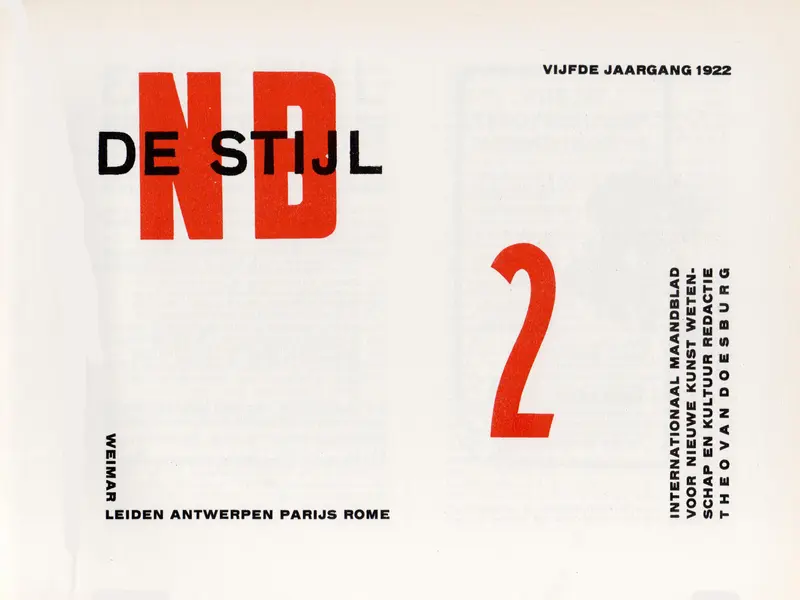
De Stijl, vol. 5, no. 2 (cover)
Theo van Doesburg
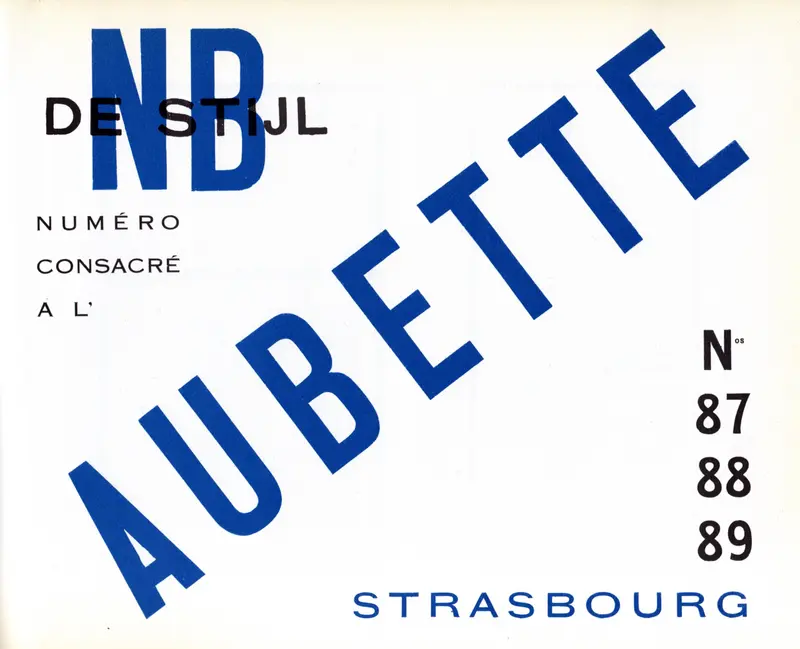
De Stijl, nos. 87–89: Aubette Issue (cover)
Theo van Doesburg
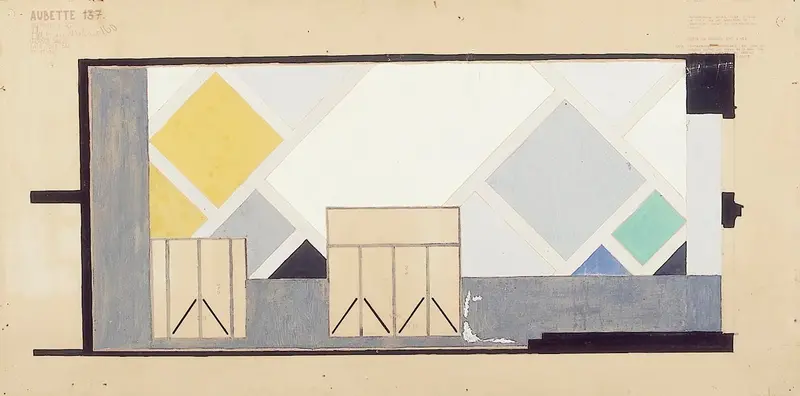
Aubette Ciné-Dancing: Final Color Design for a Wall
Theo van Doesburg
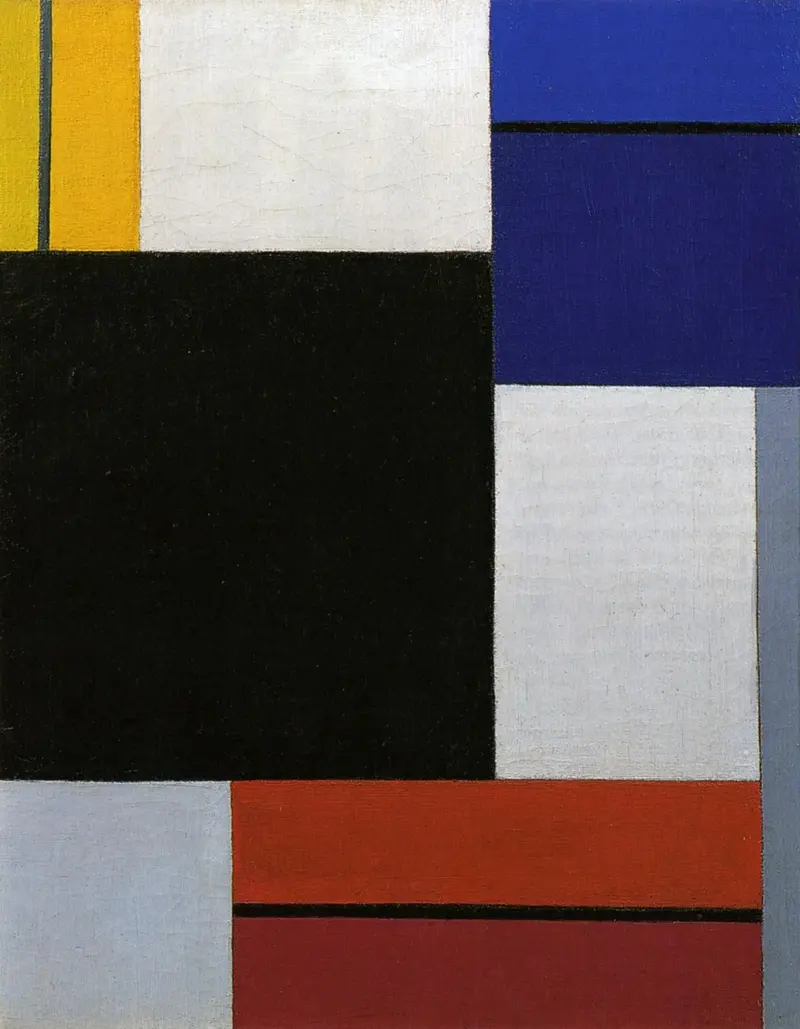
Composition XXI
Theo van Doesburg
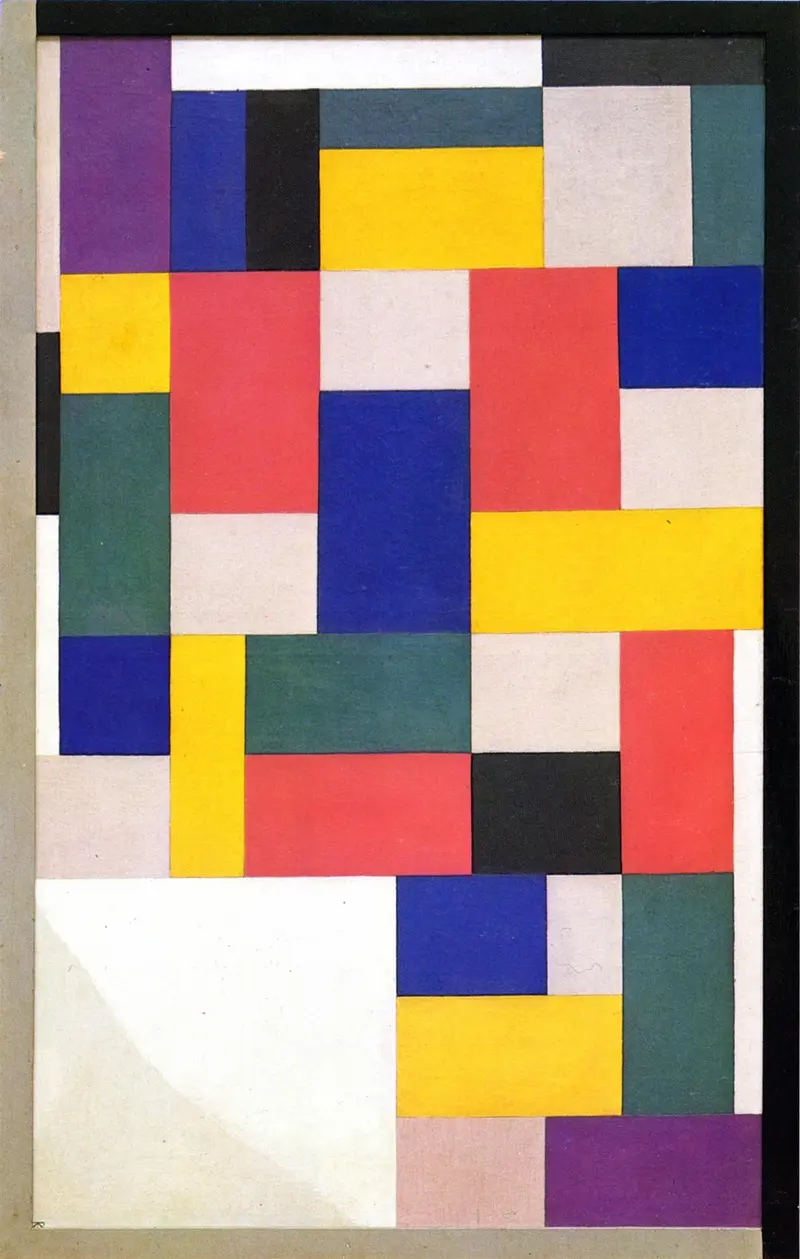
Pure Painting
Theo van Doesburg
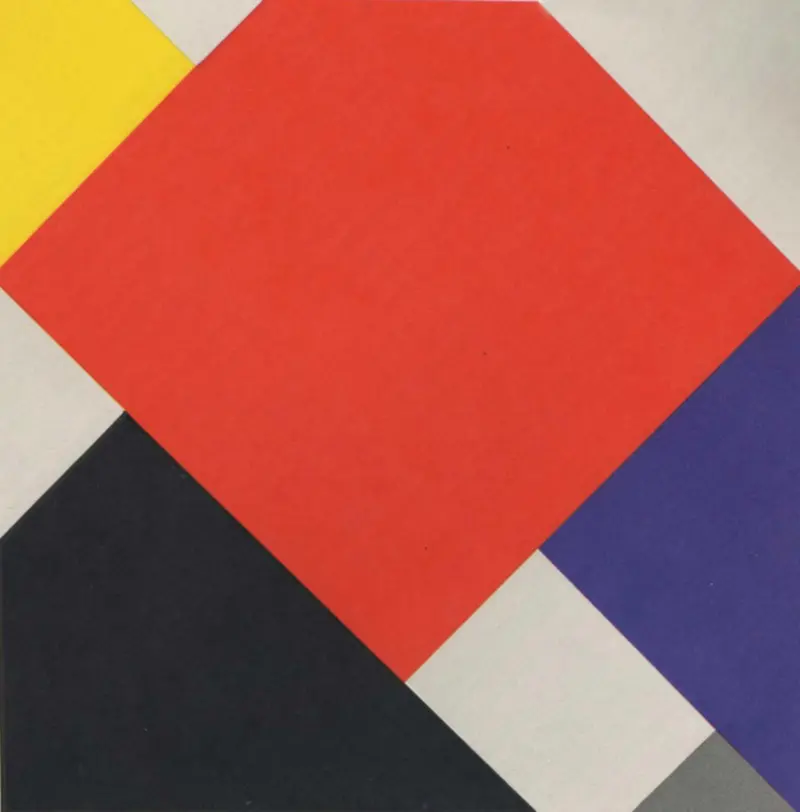
Counter-Composition V
Theo van Doesburg
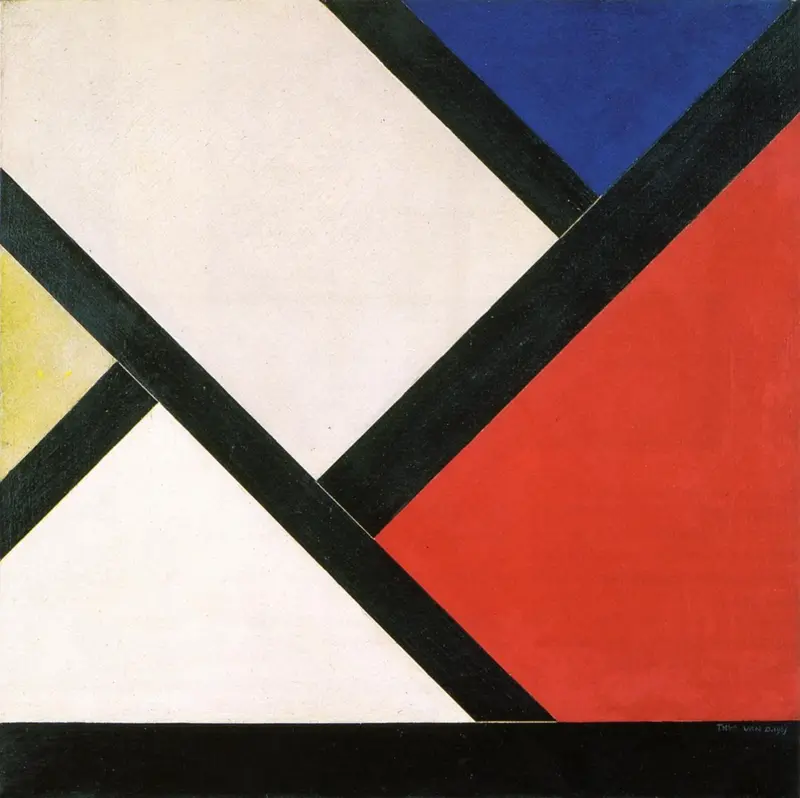
Counter-Composition XIV
Theo van Doesburg
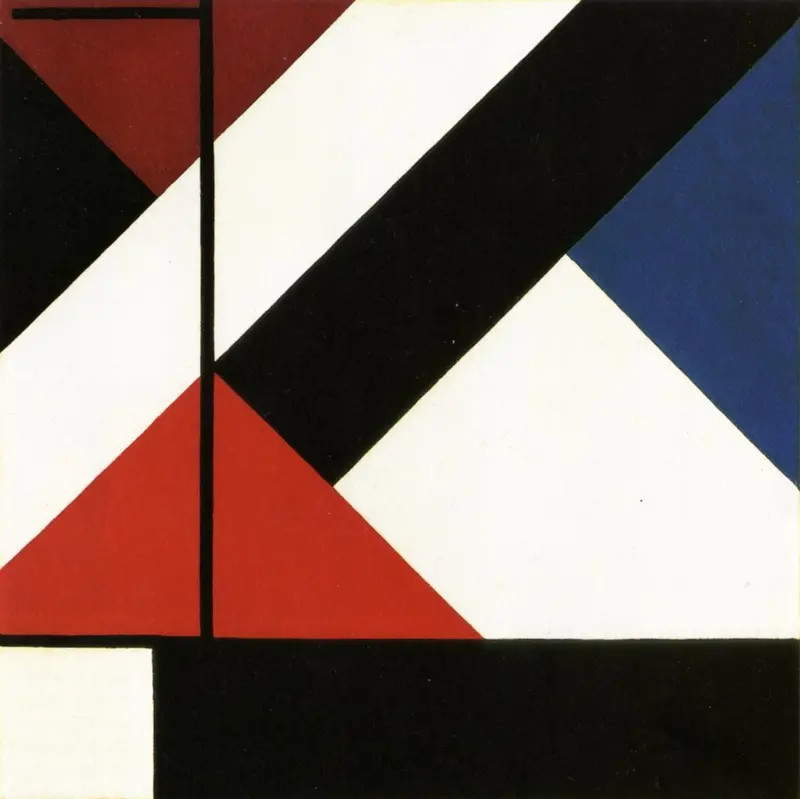
Simultaneous Counter-Composition
Theo van Doesburg
Stained-Glass Composition: Female Head
Theo van Doesburg
De Stijl, vol. 4, no. 2 (cover)
Theo van Doesburg





