
Het Paradijs — History & Facts
In the silent realms of art, grief often finds a voice, weaving itself into the fabric of creation. Look to the center of the piece where figures converge, their postures and expressions imbuing the canvas with a palpable heaviness. Notice how the subtle gradations of color—from rich, deep blues to muted browns—evoke a twilight ambiance, suggesting the fleeting nature of existence. The delicate linework, characteristic of a skilled draftsman, guides the viewer’s eye through the intricate details of the figures, each one echoing a shared narrative of loss and longing. Hidden meanings unfold within the dynamic interplay of proximity and isolation depicted in the work.
While some figures reach out, their hands almost touching, others remain withdrawn, encapsulated in their own solitude. This contrast reveals the tension between community and isolation in the face of sorrow, capturing a universal sentiment. The overall composition suggests that even within beauty, grief lurks quietly, reminding us of our shared human experience. Created between 1608 and 1611, this work emerged during a period when Jacques Callot was flourishing in the vibrant artistic landscape of France.
He was deeply influenced by the Mannerist style, yet his work began to reflect a personal voice that explored themes of mortality and emotional depth. At this time, Europe was grappling with myriad conflicts and the consequences of war, positioning Callot as a critical observer of the human condition through his artistic lens.
More Artworks by Jacques Callot
Browse all →
Titelprent voor de prentreeks 'De kleine apostelen' (Het martelaarschap van de apostelen)
Jacques Callot
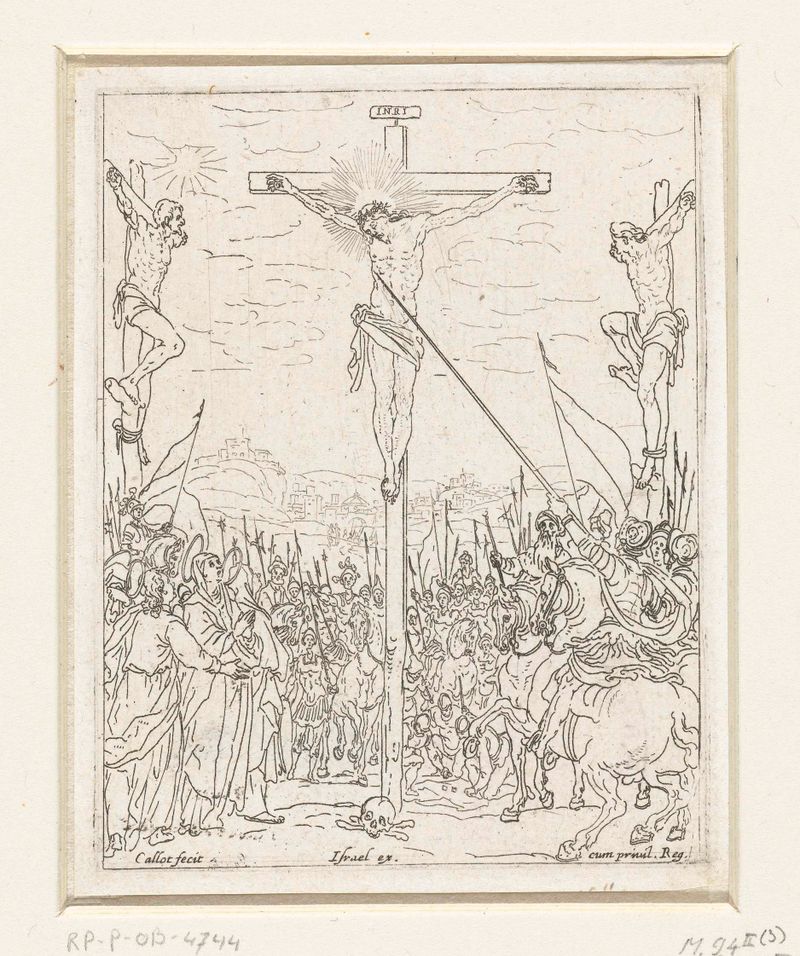
Kruisiging
Jacques Callot

De doortocht door de Rode Zee
Jacques Callot

De verloren zoon als zwijnenhoeder
Jacques Callot

Annunciatie
Jacques Callot
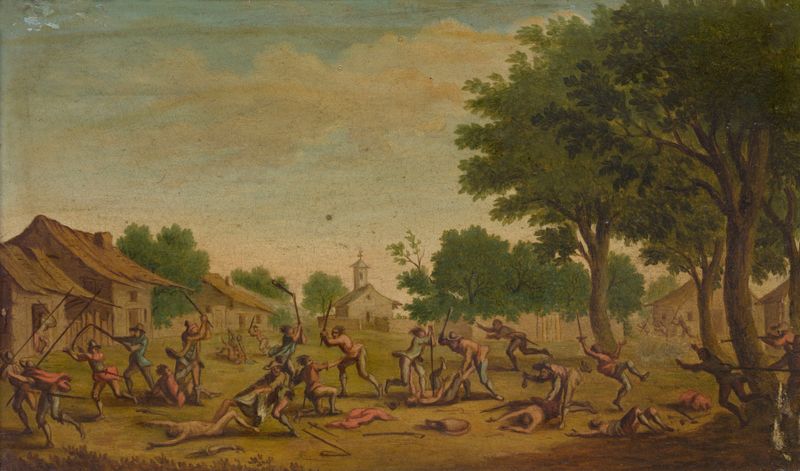
Village Fight
Jacques Callot

Titelprent voor prentreeks 'Het leven van Maria'
Jacques Callot
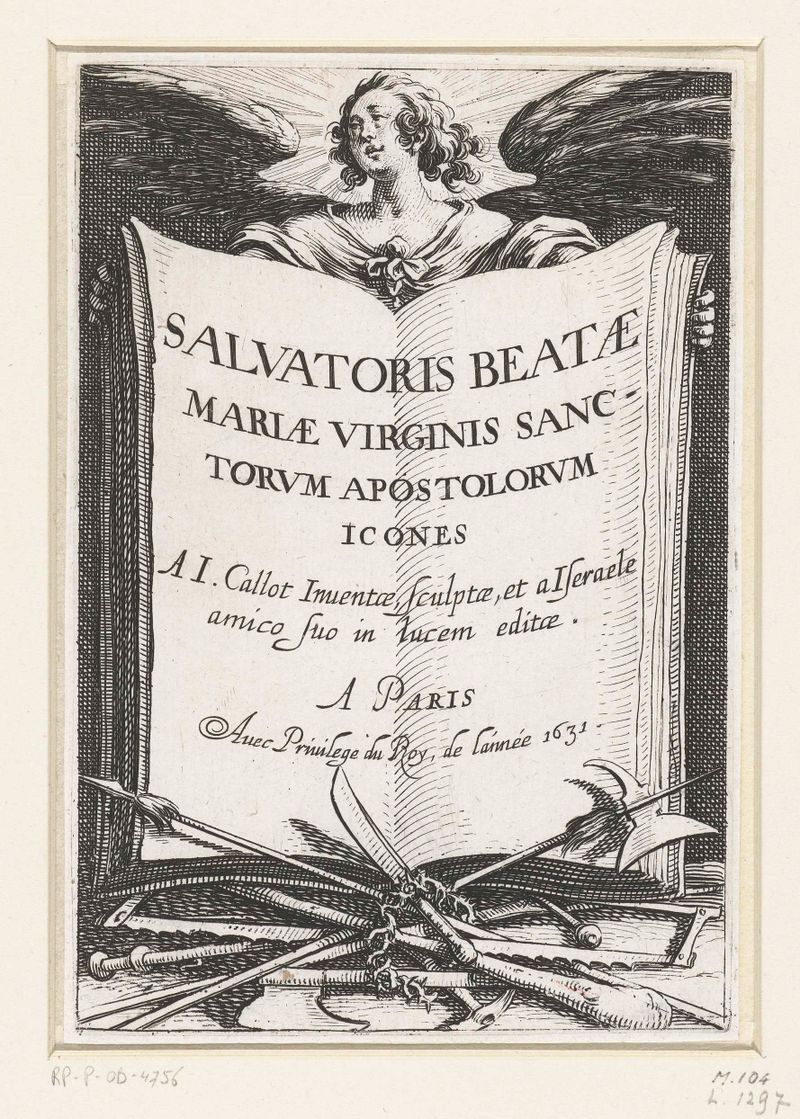
Titelprent voor de prentreeks 'De grote apostelen' (Christus, Maria en de apostelen)
Jacques Callot

Christus aan het volk getoond (Ecce homo)
Jacques Callot
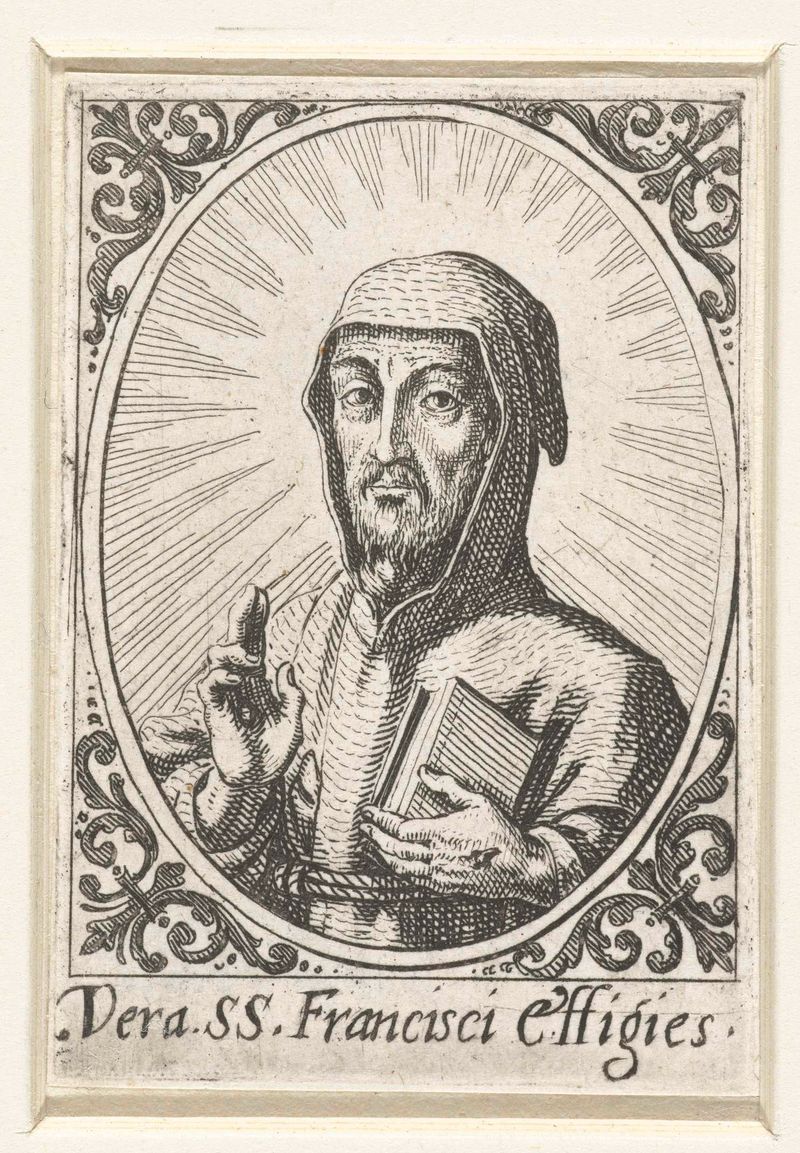
Portret van de Heilige Franciscus
Jacques Callot





