
Het verraad van Christus — History & Facts
This sentiment resonates deeply in the chiaroscuro of betrayal, where light reveals and shadows conceal. In Het verraad van Christus, a striking tableau emerges, encapsulating the essence of revelation and treachery crafted by Lucas van Leyden. Focus first on the central figure of Judas, his face etched with a complex mix of determination and regret. The shimmering gold of the coins contrasts brutally with the somber hues surrounding him, drawing your eye to the moment of decision that irrevocably alters the course of destiny.
Notice how the dynamic composition guides your gaze through the tension between the figures, each one a study in emotion, each face a canvas of conflicting motives layered under the veil of night. The painting unfolds a narrative of sacrifice and betrayal, where the sumptuous textures amplify the weight of the act. The stark juxtaposition of light against dark symbolizes the internal struggle of Judas, a man torn between loyalty and ambition. Additionally, the surrounding disciples, rendered in muted colors, embody the impending doom, their silent horror heightening the sense of impending tragedy.
Each detail, from Judas’ longing gaze to the subtle positioning of figures, transforms the entire piece into a poignant meditation on human frailty. Lucas van Leyden created this profound work in 1509, during a period of personal and artistic growth. Working in the Netherlands, he was influenced by both the emerging Northern Renaissance and the evolving techniques of oil painting. At this time, religious themes were paramount in art, reflecting the societal tensions and moral dilemmas of the era.
This piece stands as a testament to his skill in capturing intricate emotional narratives, serving as a bridge between the medieval and modern sensibilities.
More Artworks by Lucas van Leyden
Browse all →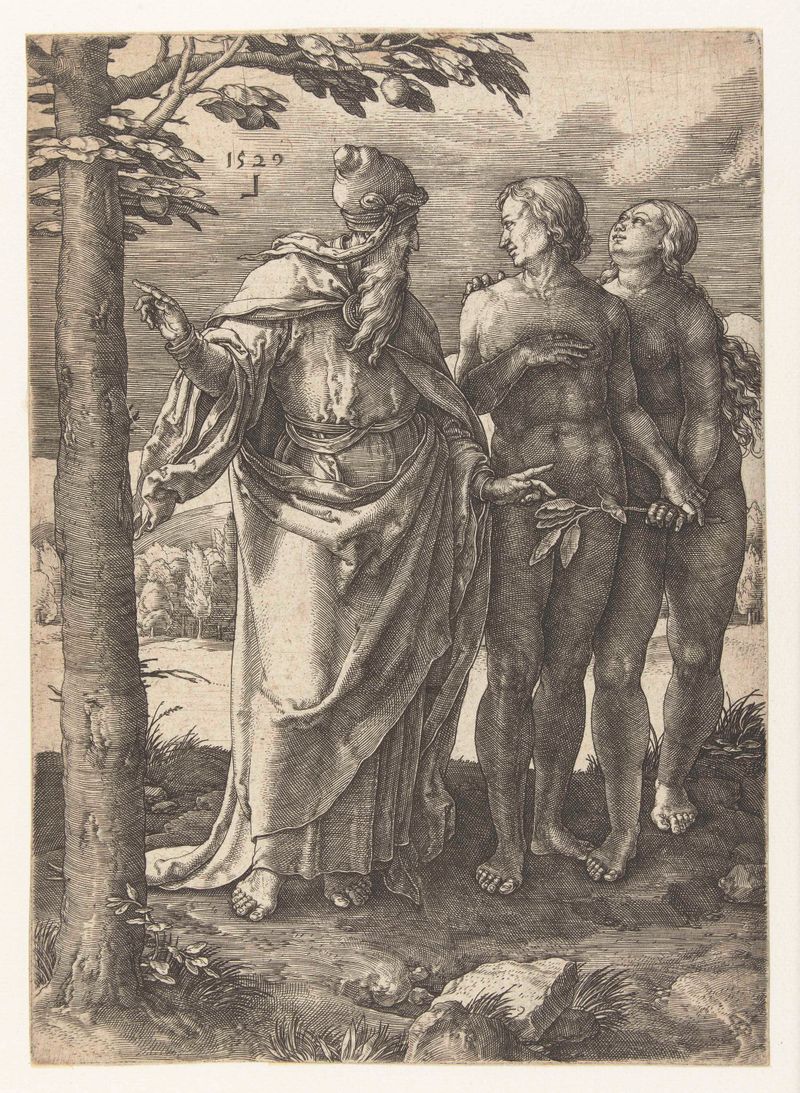
Het eerste verbod
Lucas van Leyden
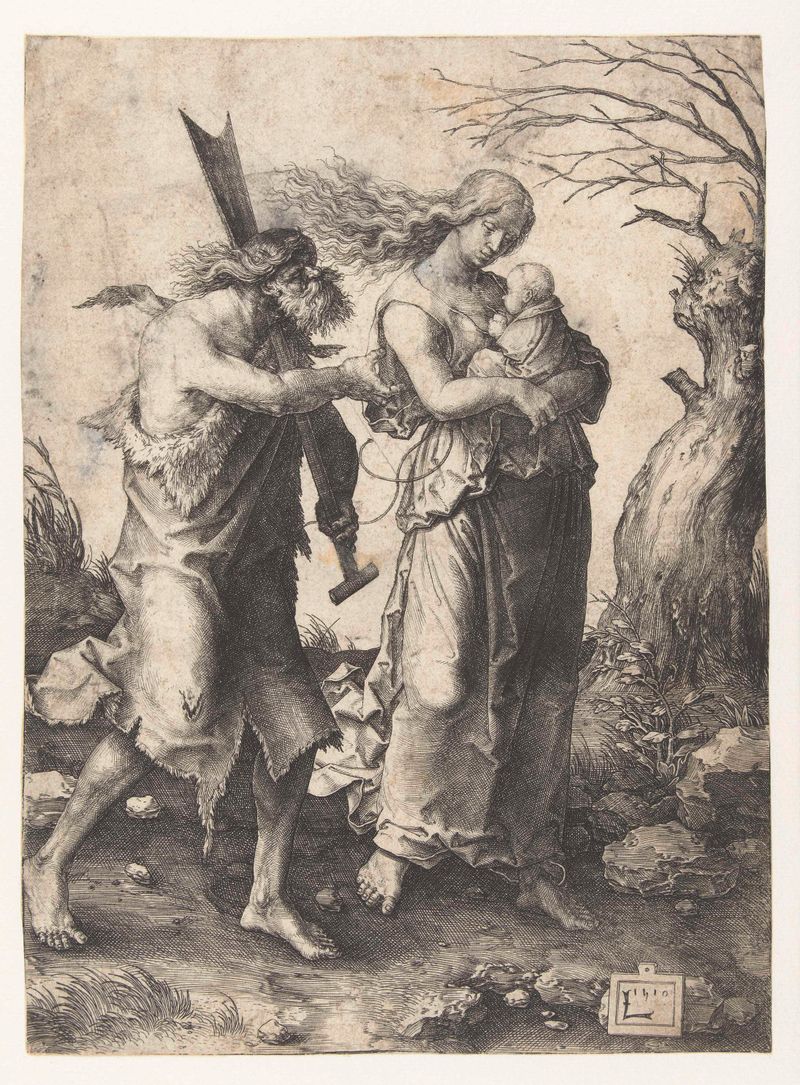
Adam en Eva na de verdrijving uit het paradijs
Lucas van Leyden
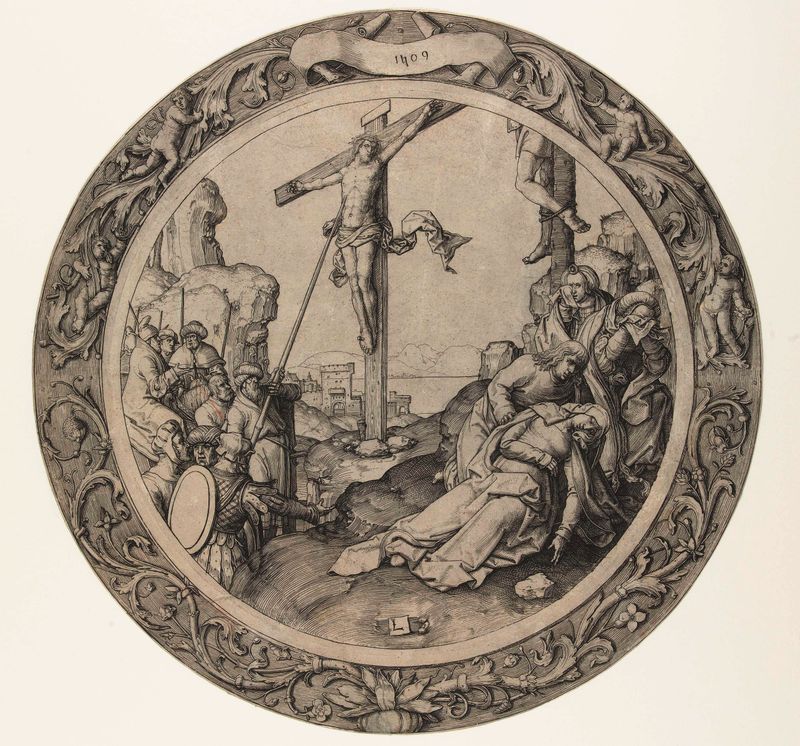
De kruisiging
Lucas van Leyden
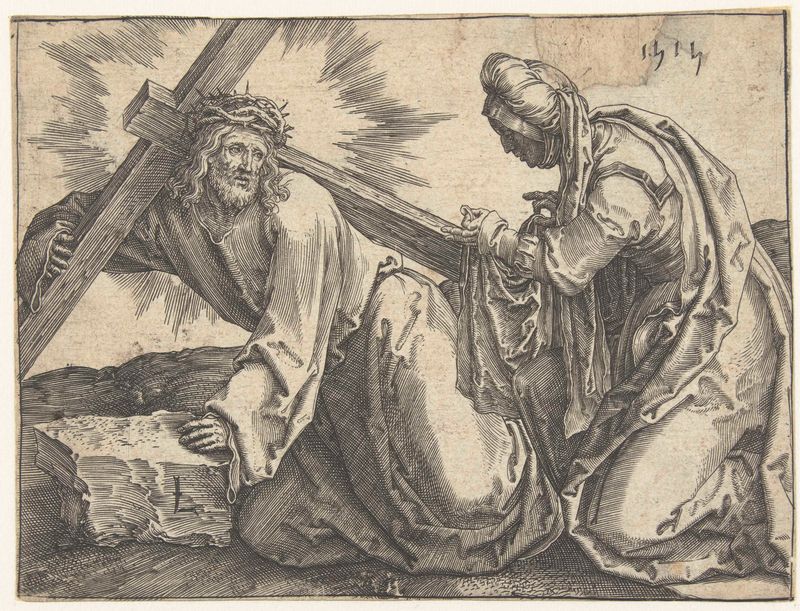
Kruisdraging
Lucas van Leyden
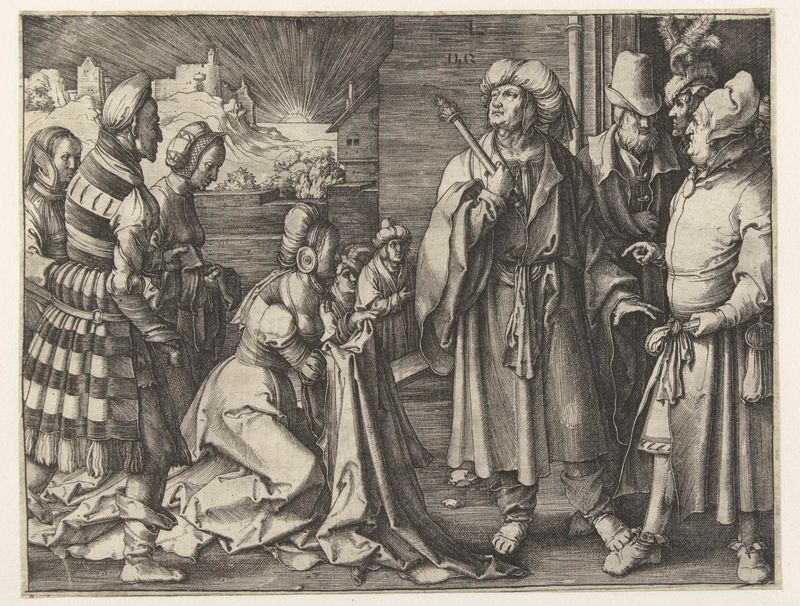
De vrouw van Potifar beschuldigt Jozef
Lucas van Leyden
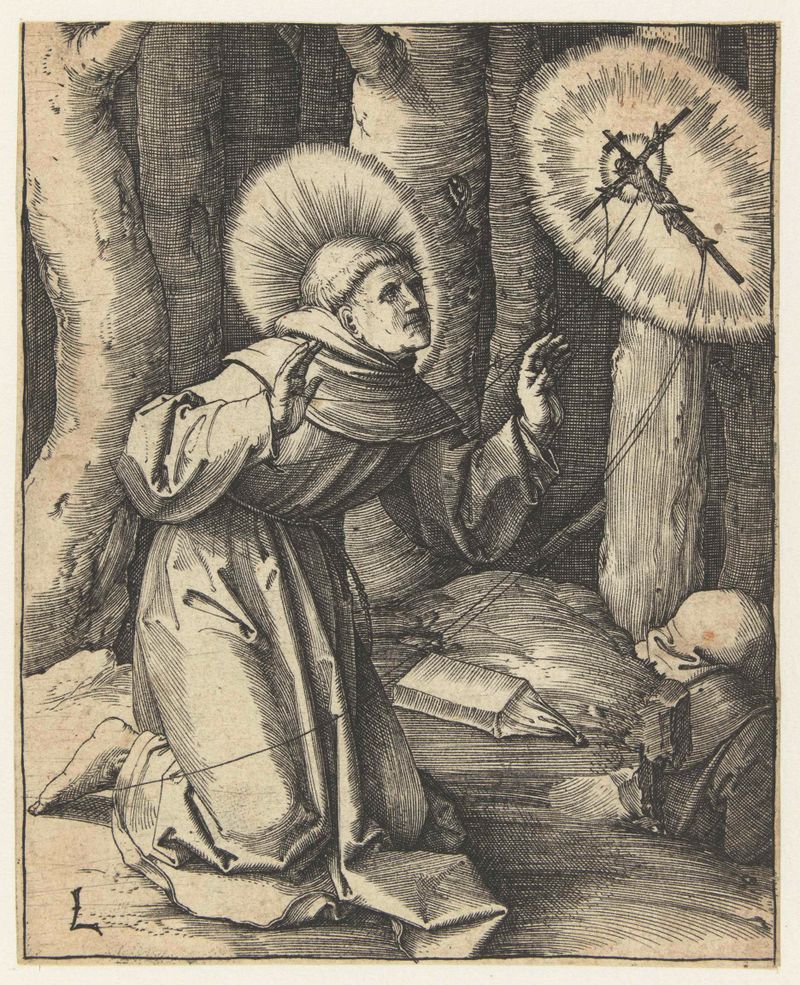
De stigmatisatie van de heilige Franciscus
Lucas van Leyden
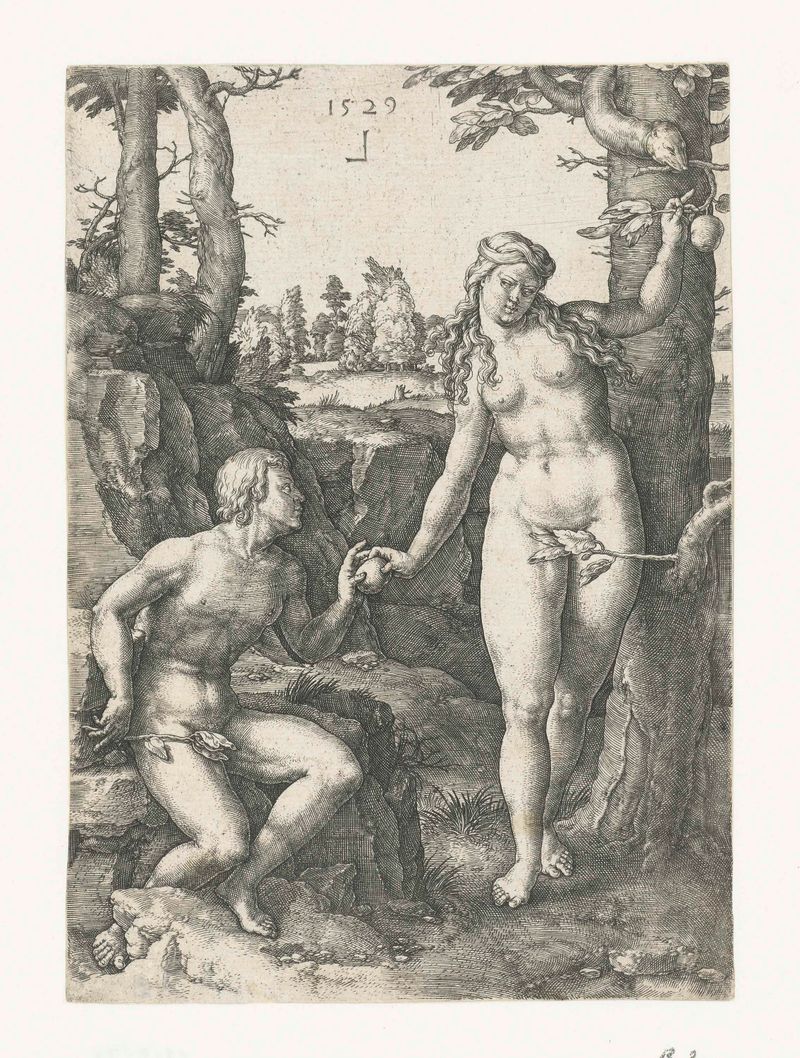
De zondeval
Lucas van Leyden
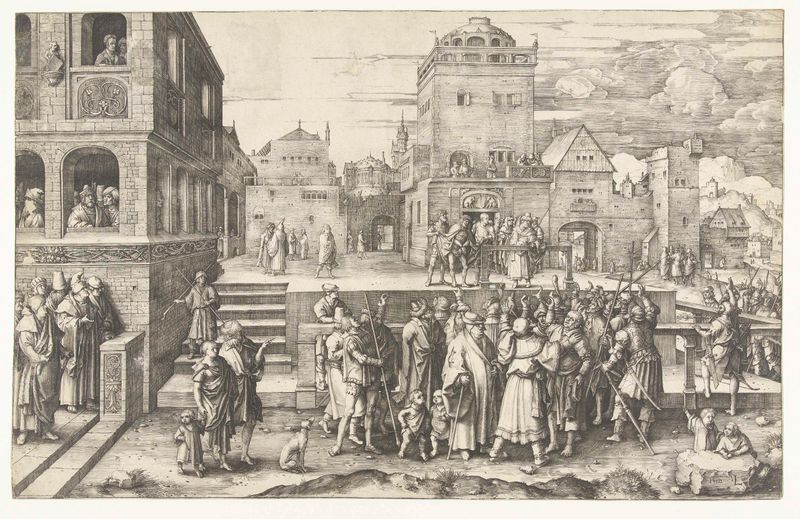
De grote Ecce Homo
Lucas van Leyden
Maria met kind
Lucas van Leyden

Doornenkroning
Lucas van Leyden
More Religious Art
Browse all →
The Return of the Prodigal Son
Rembrandt van Rijn

The Garden of Earthly Delights
El Bosco

Count Orgaz’ funeral
El Greco

The Hundred Guilder Print: the central piece with Christ preaching, the plate arched
Rembrandt van Rijn

The Descent from the Cross
Rogier van der Weyden

The return of the prodigal son
Rembrandt van Rijn