
Het wonder van de heilige Barbara te Gorinchem — History & Facts
In the stillness of Het wonder van de heilige Barbara te Gorinchem, the passage of time stands palpable, captured in a moment where the sacred intersects with the mundane. Here, legends breathe alongside historical reality, woven together in a tapestry that defies the relentless march of hours. Look closely at the center of the piece; the figure of Saint Barbara dominates the scene, her expression a mix of serenity and solemnity. Notice how the rich colors of her robe—a deep crimson—contrast starkly against the cool tones of the surrounding architecture.
The light gently highlights her features, enhancing the ethereal quality of her presence while shadows linger in the corners, suggesting the weight of the past and the echo of stories once lived. Every brushstroke reveals van Leyden's mastery, skillfully balancing the complex interplay of light and shadow to create depth and atmosphere. Beyond the immediate beauty lies a profound tension between faith and doubt, divine intervention and human suffering. The inclusion of architectural elements serves as a reminder of the transience of earthly constructs; they stand solid yet distant, as if time has rendered them mere relics.
The juxtaposition of the saint’s divine grace against the backdrop of a world that fades away invites contemplation on legacy, memory, and the nature of belief, raising questions that resonate through the ages. During the years 1513 to 1517, the artist found himself amidst the flourishing Northern Renaissance, a period marked by rich innovations in art and thought. Working in Leiden, van Leyden engaged with the themes of humanism and spirituality, reflecting the societal challenges of his time including religious reformation and the quest for personal faith. This piece stands as a testament not only to his technical prowess but also to his thoughtful engagement with the spiritual and historical currents that shaped his world.
More Artworks by Lucas van Leyden
Browse all →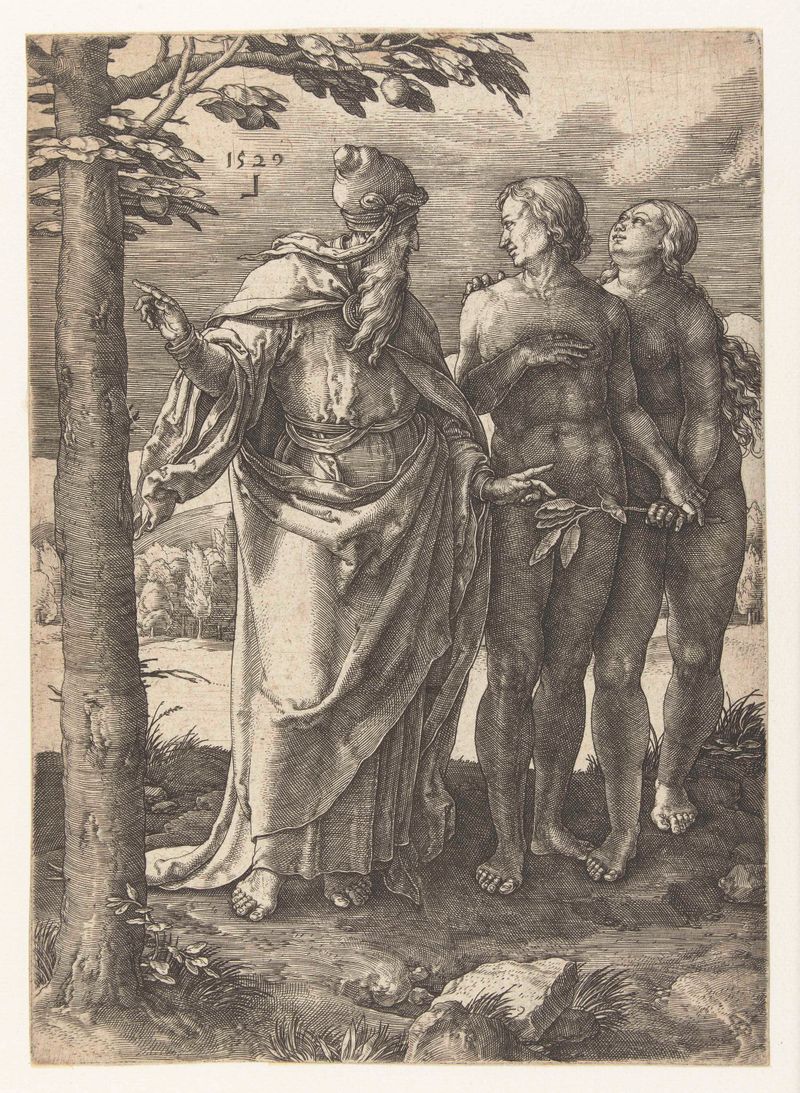
Het eerste verbod
Lucas van Leyden
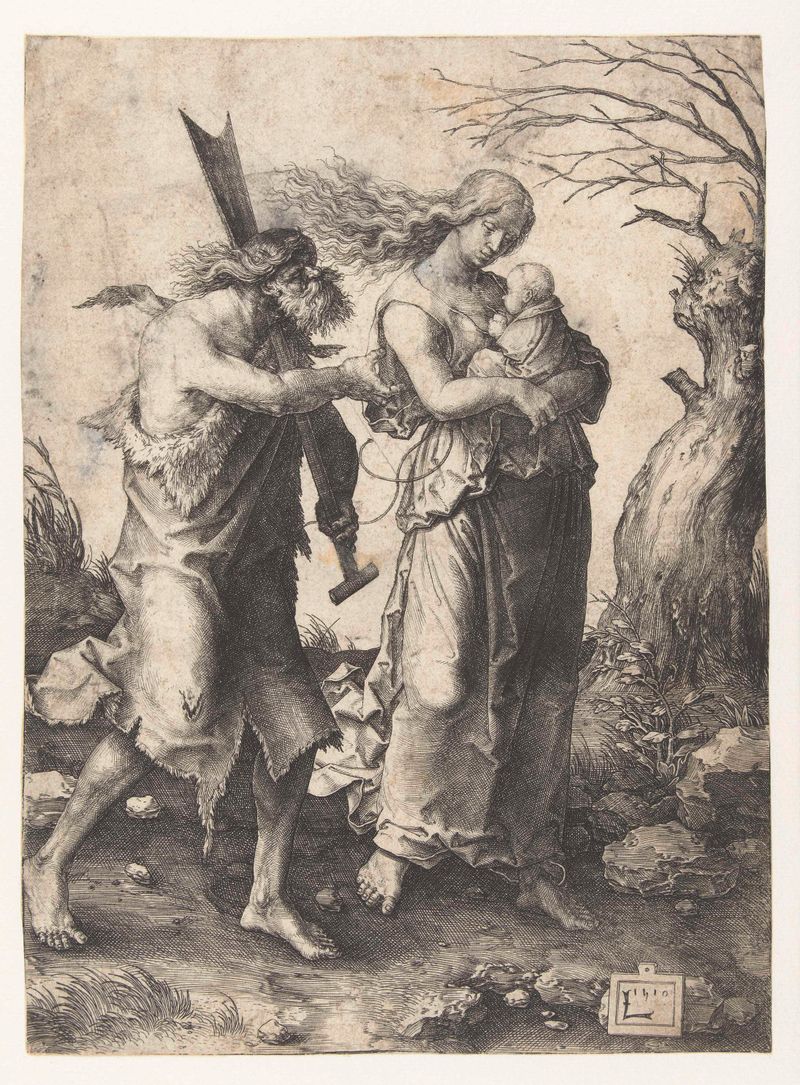
Adam en Eva na de verdrijving uit het paradijs
Lucas van Leyden
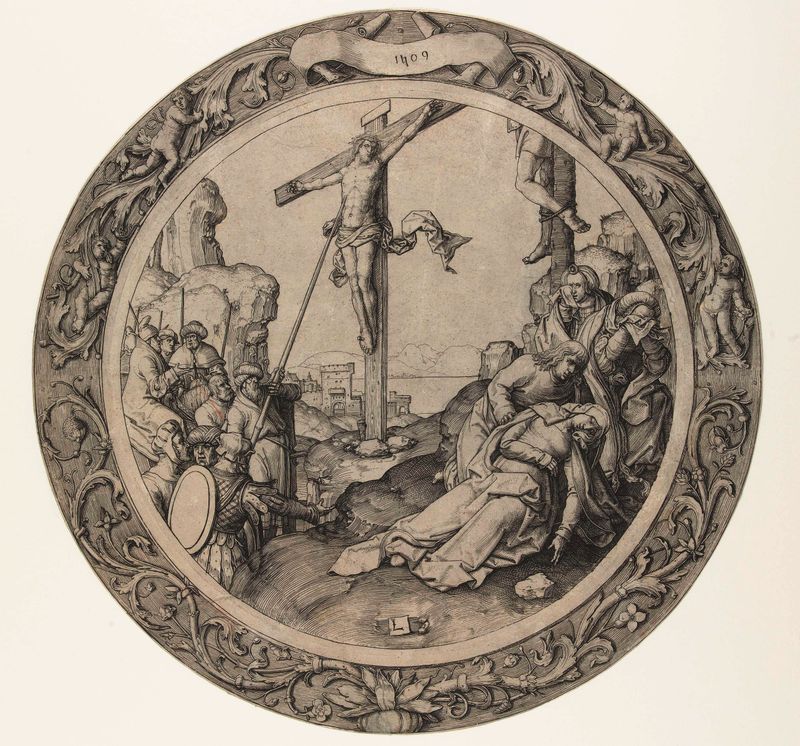
De kruisiging
Lucas van Leyden
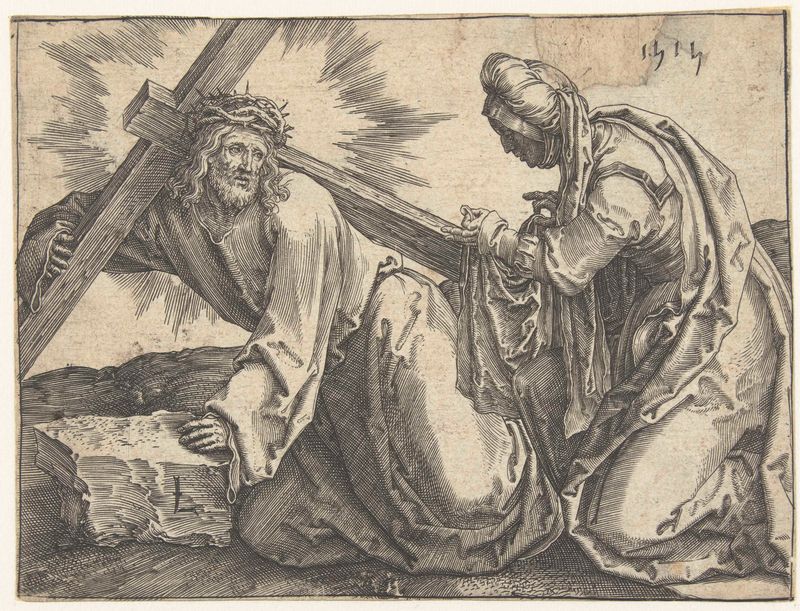
Kruisdraging
Lucas van Leyden
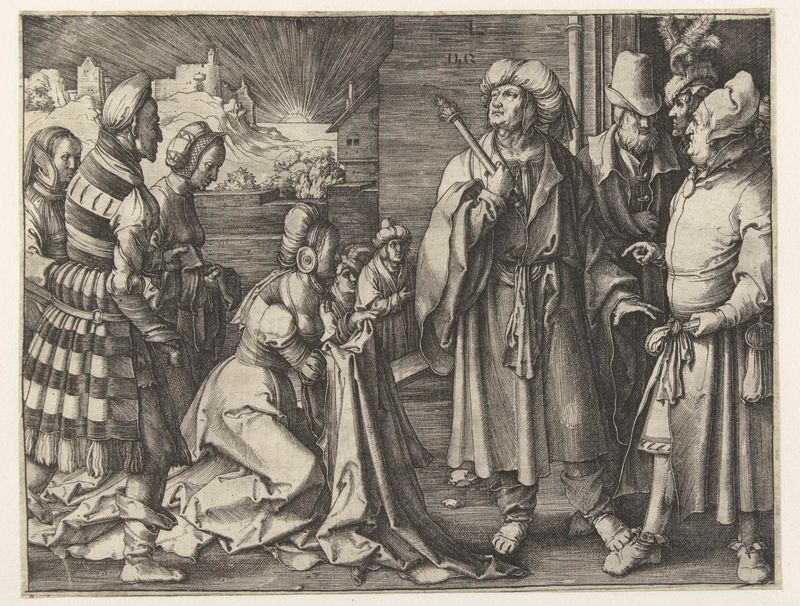
De vrouw van Potifar beschuldigt Jozef
Lucas van Leyden
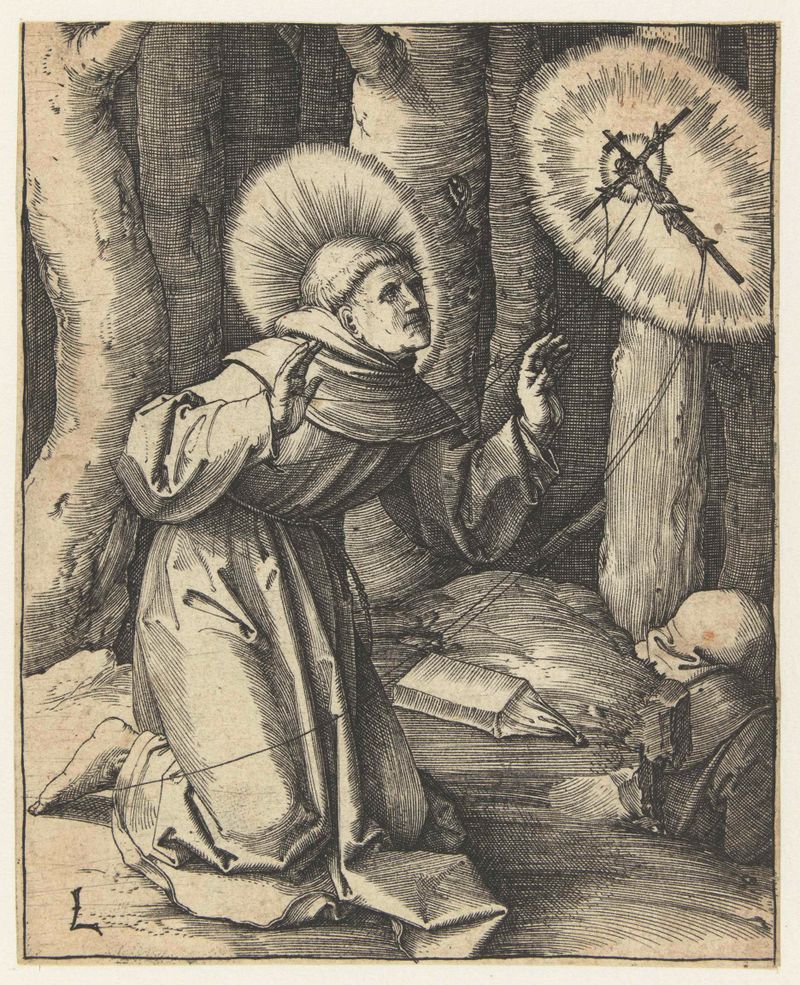
De stigmatisatie van de heilige Franciscus
Lucas van Leyden
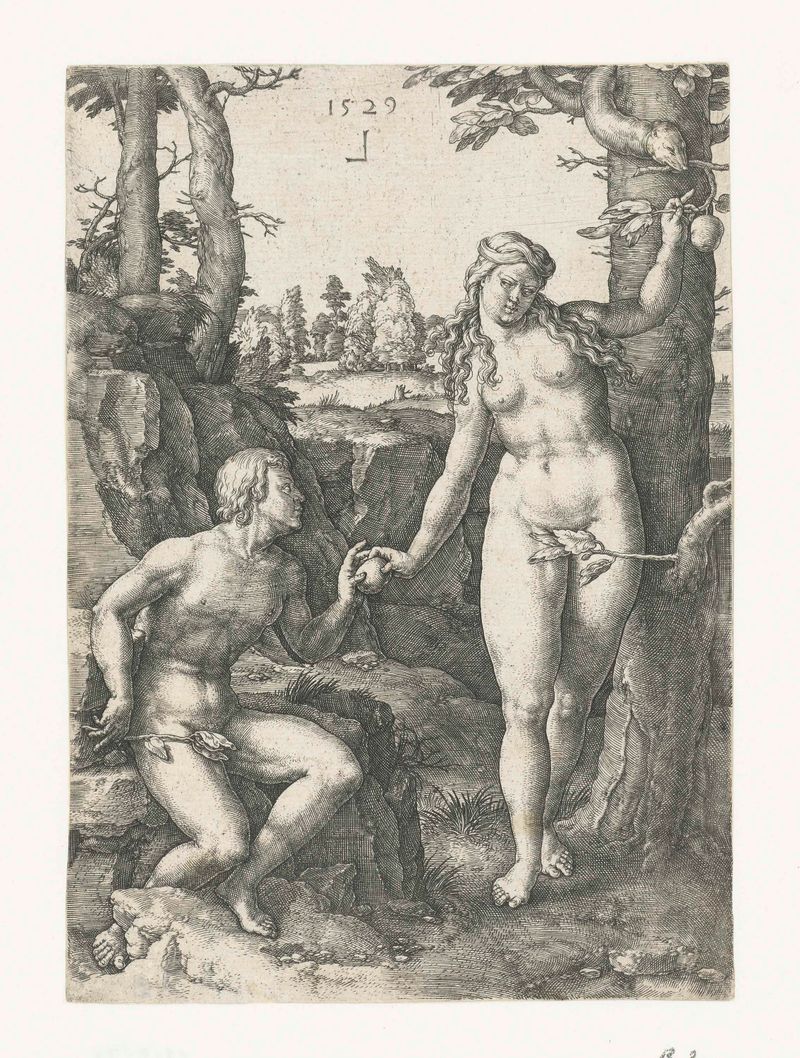
De zondeval
Lucas van Leyden
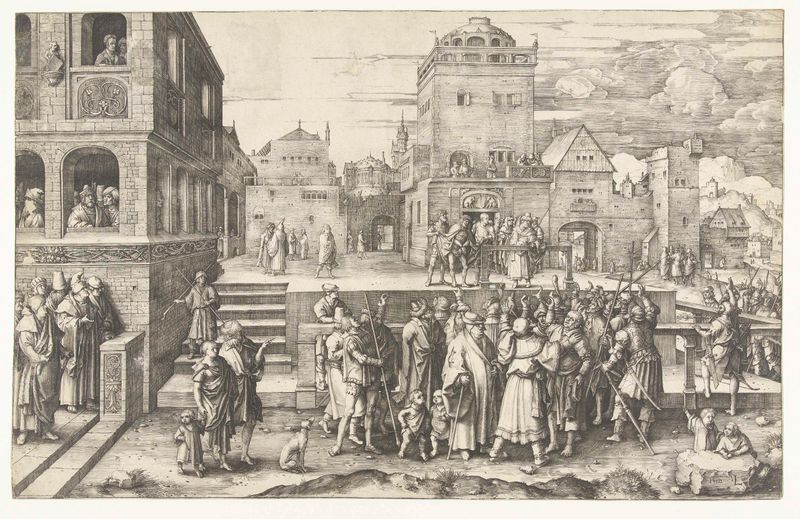
De grote Ecce Homo
Lucas van Leyden
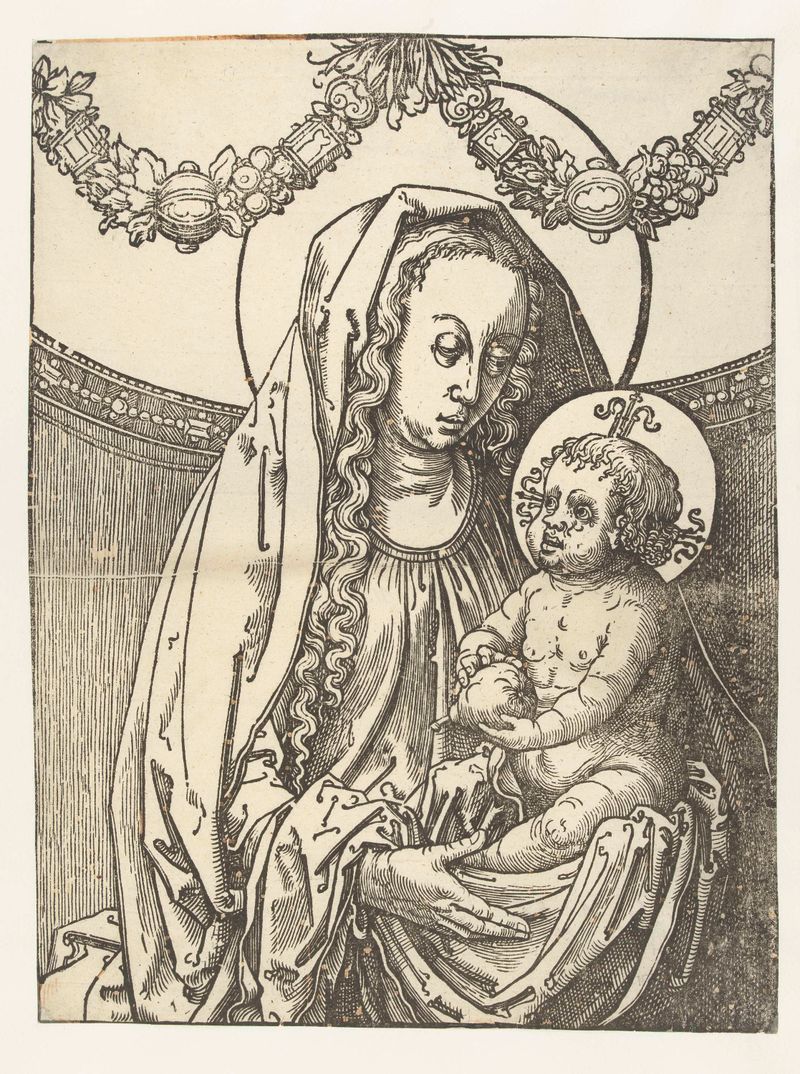
Maria met kind
Lucas van Leyden

Doornenkroning
Lucas van Leyden
More Religious Art
Browse all →
The Return of the Prodigal Son
Rembrandt van Rijn

The Garden of Earthly Delights
El Bosco

Count Orgaz’ funeral
El Greco

The Hundred Guilder Print: the central piece with Christ preaching, the plate arched
Rembrandt van Rijn

The Descent from the Cross
Rogier van der Weyden

The return of the prodigal son
Rembrandt van Rijn