
Hexacoralla (Stony Corals) — History & Facts
What first seizes the eye in Hexacoralla (Stony Corals) is the sense of lush, almost architectural abundance—each coral colony unfurling like a living cathedral, their folds and ridges rendered with the precision of a jeweler and the exuberance of a gardener. The light, stark and directional, carves deep shadows between the forms, making the corals rise from the page as if caught mid-growth on the ocean floor. Look closer: the central coral, with its undulating edges and studded surface, draws the gaze inward, while the surrounding forms radiate outward in a rhythmic dance of repetition and variation.
Every detail, from the tightly packed polyps to the ruffled edges, is both a scientific record and a celebration of natural design—inviting the viewer to marvel at the hidden order of the sea. Created in 1904 for Kunstformen der Natur, this work belongs to a period when the boundaries between science and art were being joyfully redrawn. Ernst Haeckel, both biologist and artist, produced such images not for gallery walls but for books and classrooms, aiming to reveal the diversity and unity of life. The corals here—identified in the source as species like Turbinaria transformis and Pavona frondifera—reflect a world newly visible through advances in microscopy and marine exploration.
History has kept few traces of the individual journeys of these plates, but their purpose is clear: to astonish and instruct, to make the invisible visible. Let your eye wander again among these forms, and consider how the language of nature and the language of art meet in every curve and shadow.
More Artworks by Ernst Haeckel
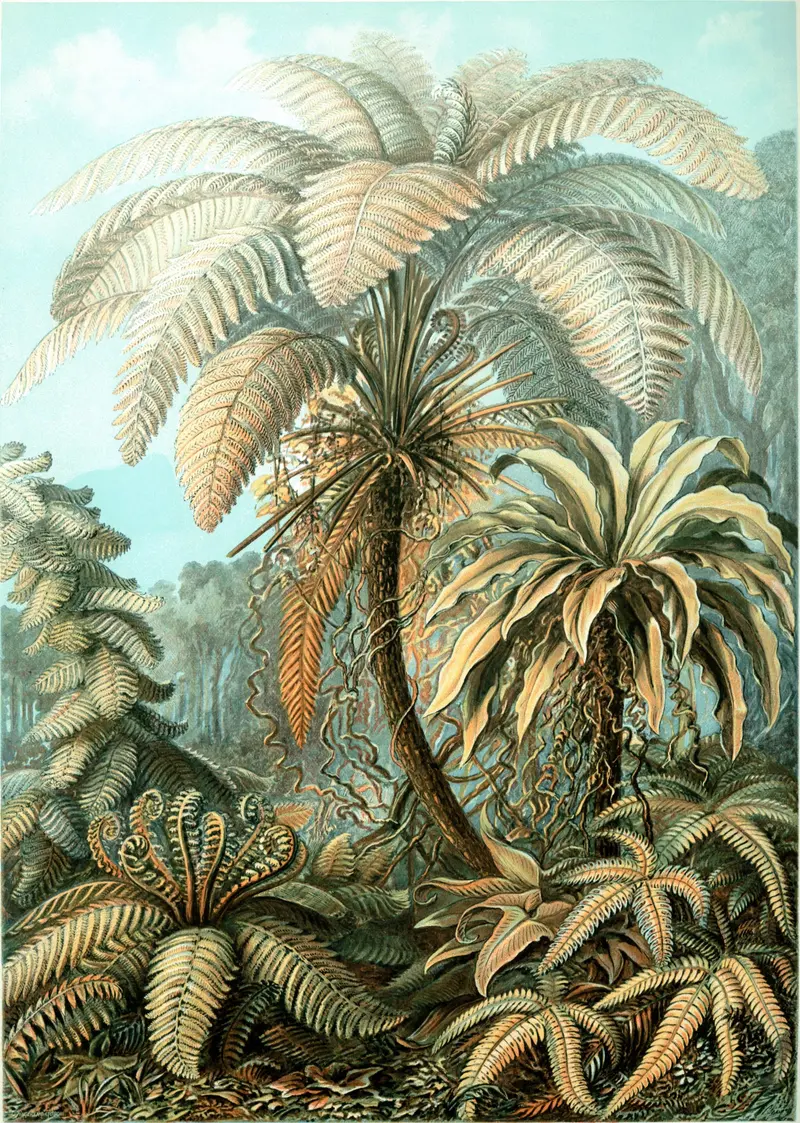
Filicinae (Ferns)
Ernst Haeckel
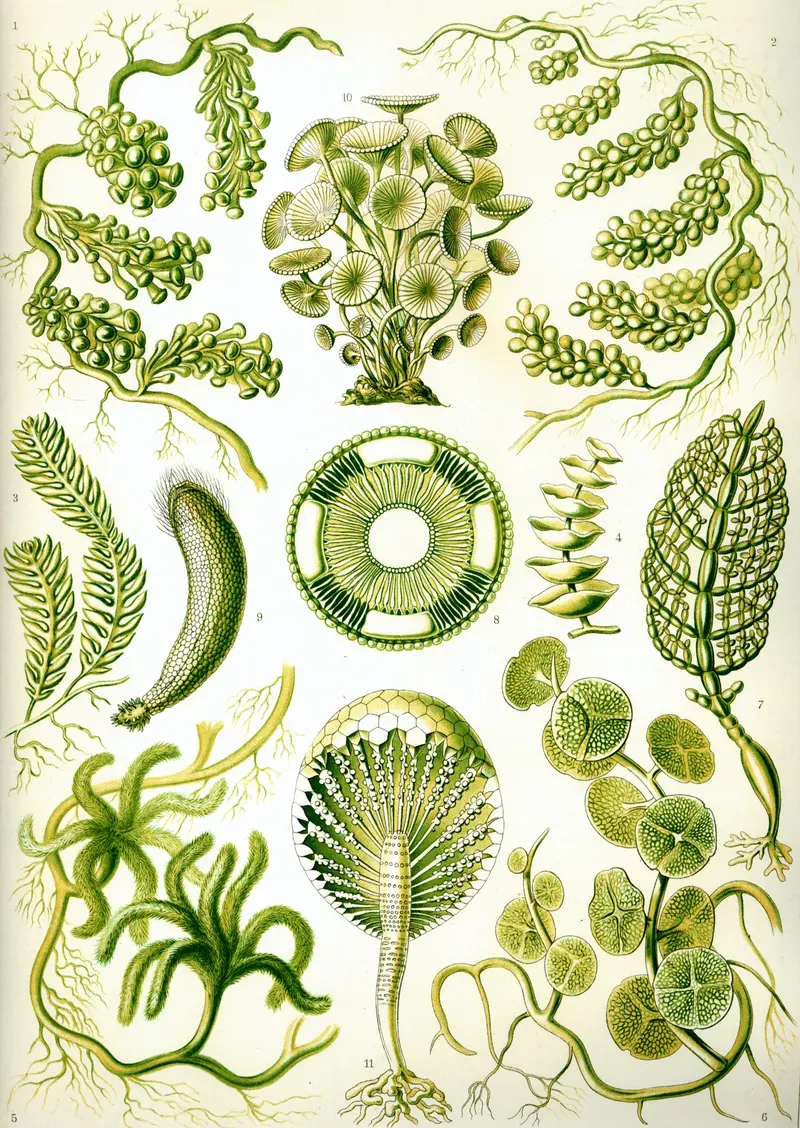
Siphoneae (Green Algae)
Ernst Haeckel

Cirripedia (Barnacles)
Ernst Haeckel

Actiniae (Sea Anemones)
Ernst Haeckel
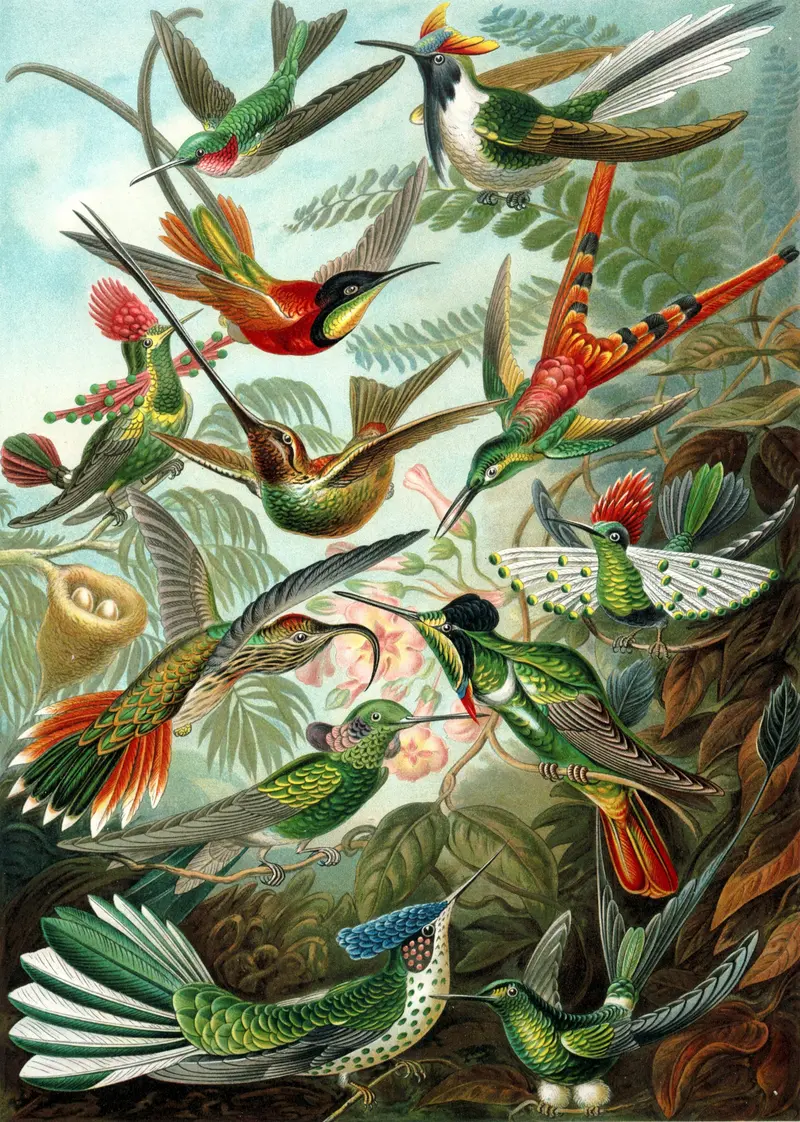
Trochilidae (Hummingbirds)
Ernst Haeckel
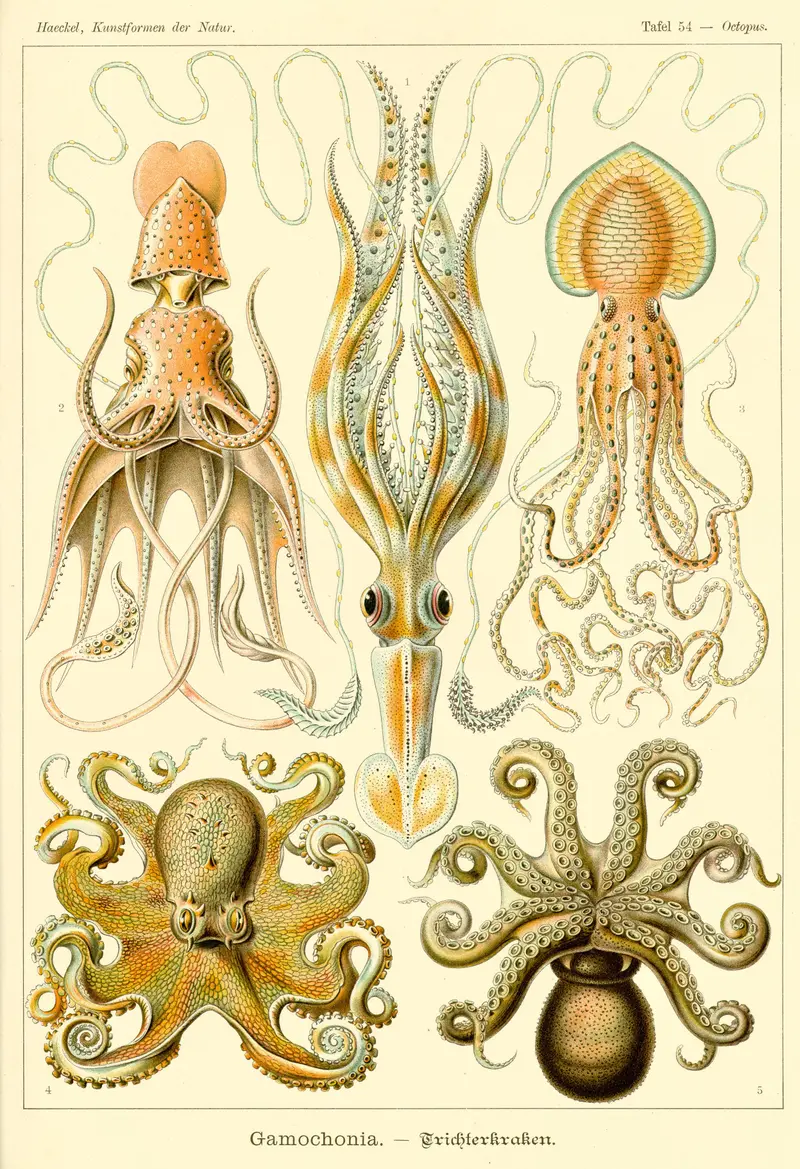
Gamochonia (Cephalopods)
Ernst Haeckel
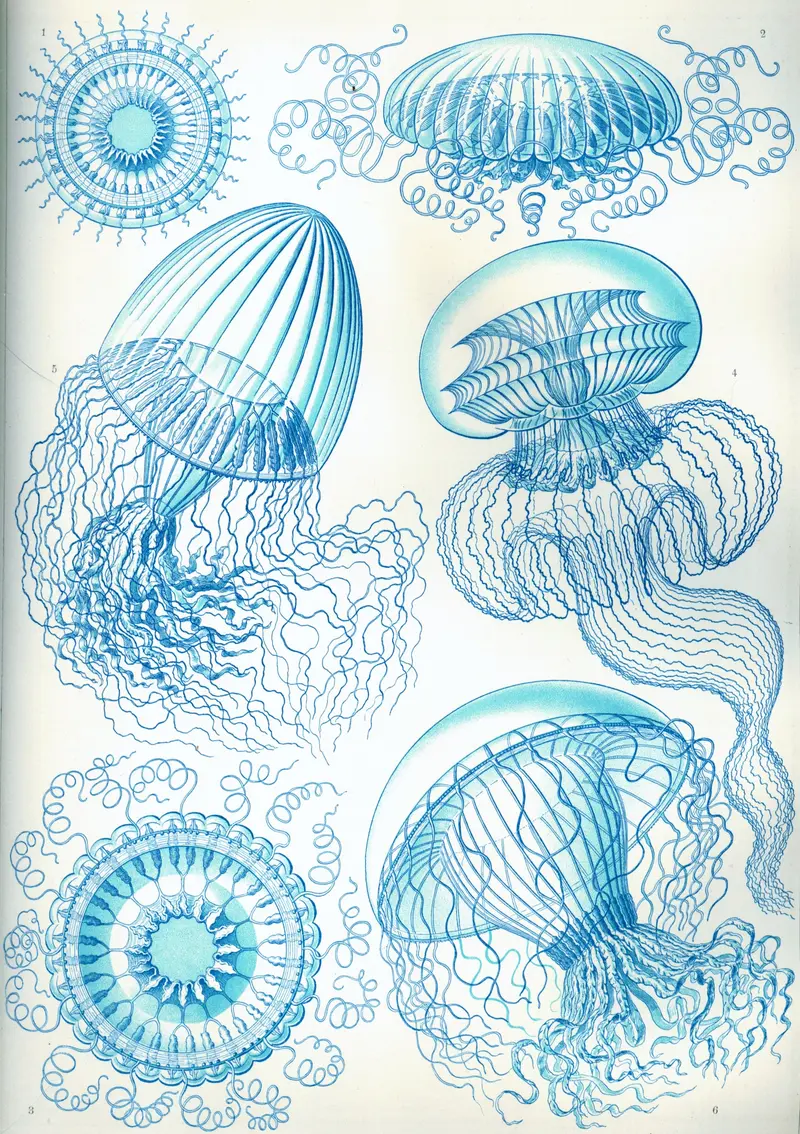
Leptomedusae (Jellyfish)
Ernst Haeckel
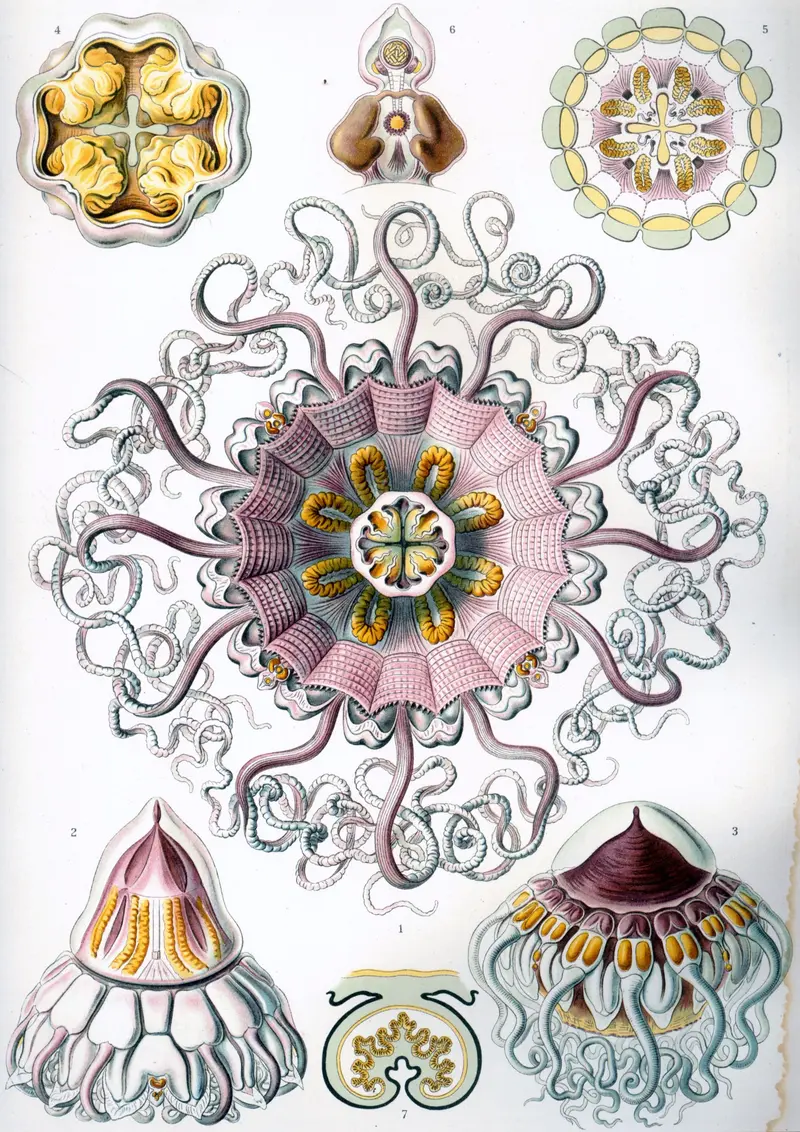
Peromedusae (Jellyfish)
Ernst Haeckel
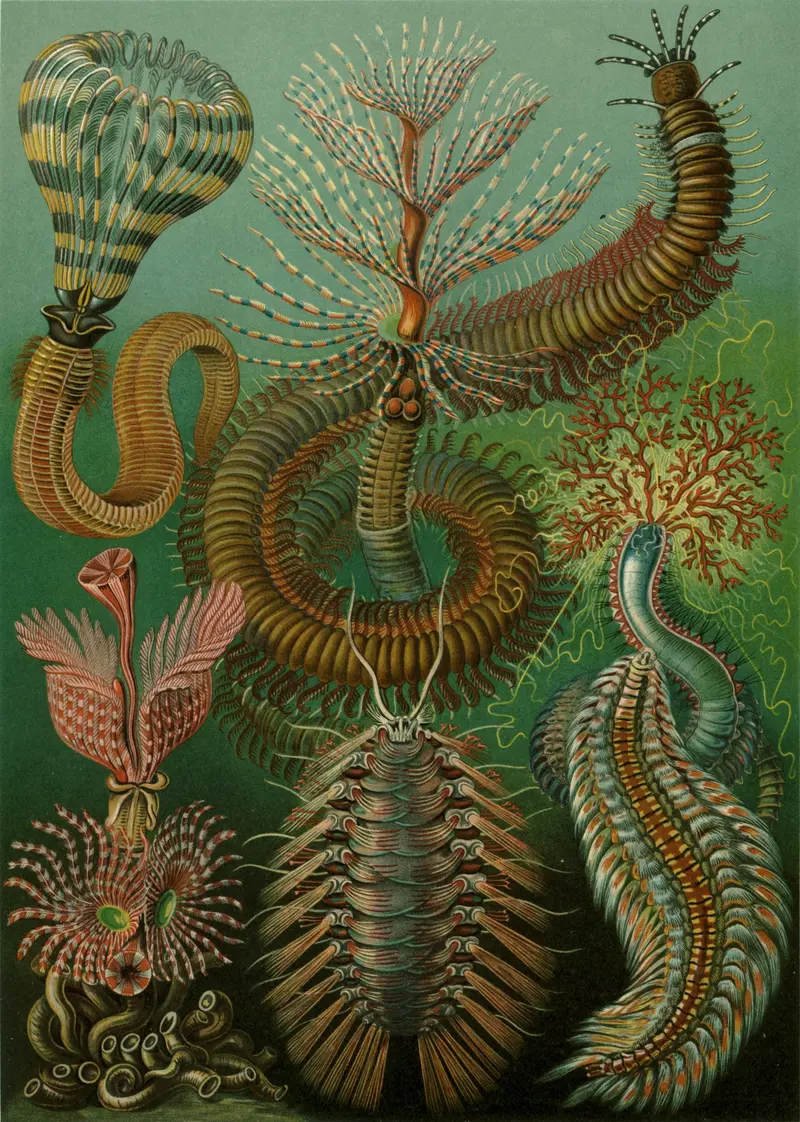
Chaetopoda (Bristle Worms)
Ernst Haeckel
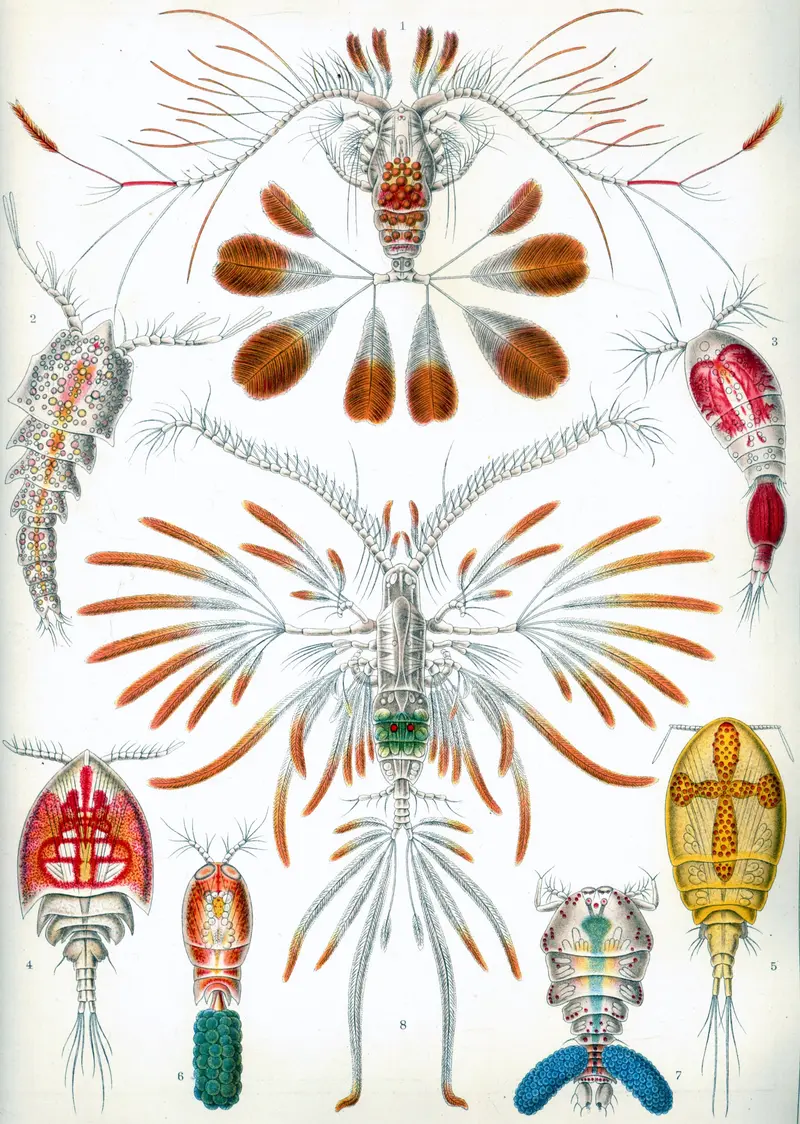
Copepoda (Copepods)
Ernst Haeckel





