
Hills around the Bay of Moulin Huet, Guernsey — History & Facts
In the embrace of nature, whispers of legacy intertwine with the vibrant hues of life, reflecting the essence of fleeting moments captured in time. Look closely at the luscious greens and deep blues that dominate the landscape, guiding your eye through the sweeping hills that cradle the bay. Notice how the light dances across the water's surface, shimmering like a fleeting memory. The brushstrokes, both vigorous and tender, evoke a sense of movement, as if the scene itself breathes with the rhythm of the tides.
The artist's palette bursts with color, a testament to a world alive with possibility, yet tinged with the weight of history. Embedded within the serene beauty of the landscape lies a quiet tension between the eternal and the ephemeral. The hills, robust and steadfast, contrast with the delicate play of light and shadow on the water, symbolizing the transient nature of human experience. This duality invites contemplation, suggesting that while nature endures, our connections to it are but moments, revealing a deeper narrative of existence and memory. In 1883, Renoir created this work in the idyllic setting of Guernsey, a time when he was exploring the effects of light and color in the Impressionist movement.
Amidst personal challenges and a burgeoning reputation, he sought solace in the landscape, capturing the essence of life around him. The painting reflects not only his artistic evolution but also the profound connection between nature and the legacy we leave behind.
More Artworks by Pierre-Auguste Renoir
Browse all →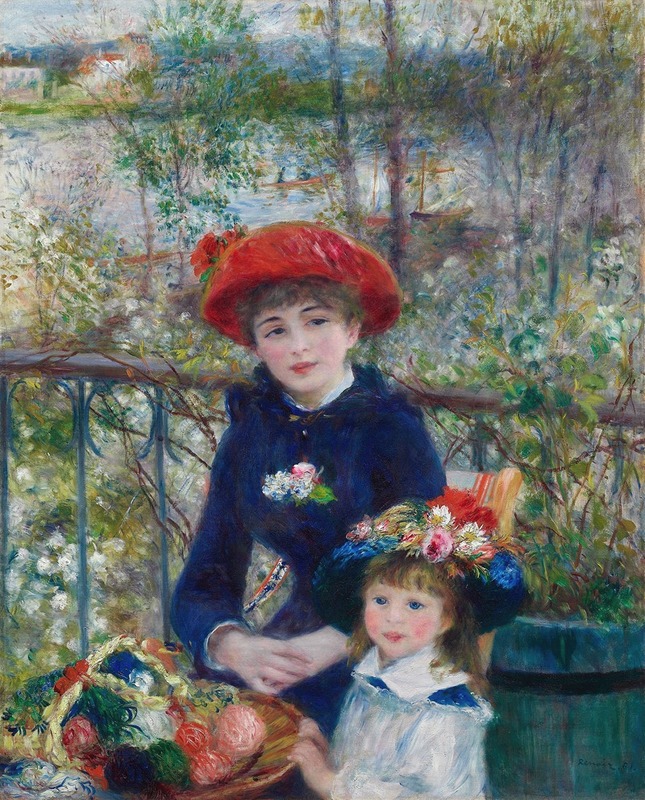
Two Sisters (On the Terrace)
Pierre-Auguste Renoir
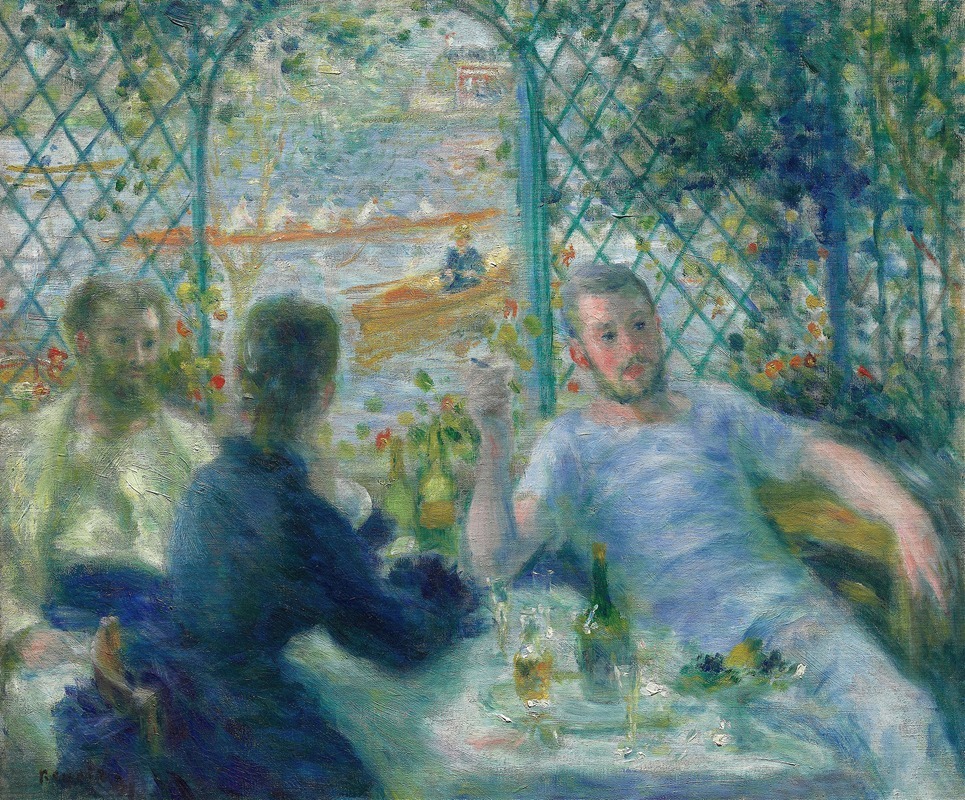
Lunch at the Restaurant Fournaise (The Rowers' Lunch)
Pierre-Auguste Renoir
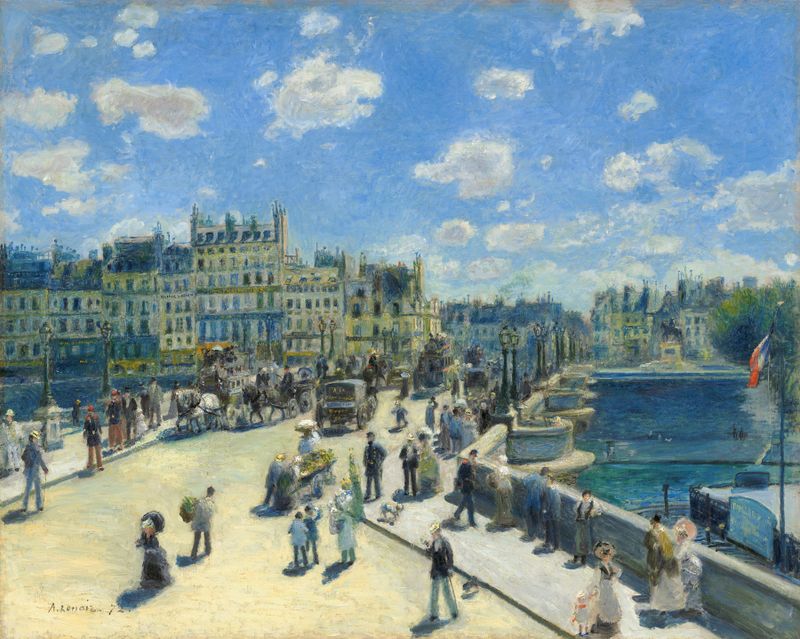
Pont Neuf, Paris
Pierre-Auguste Renoir
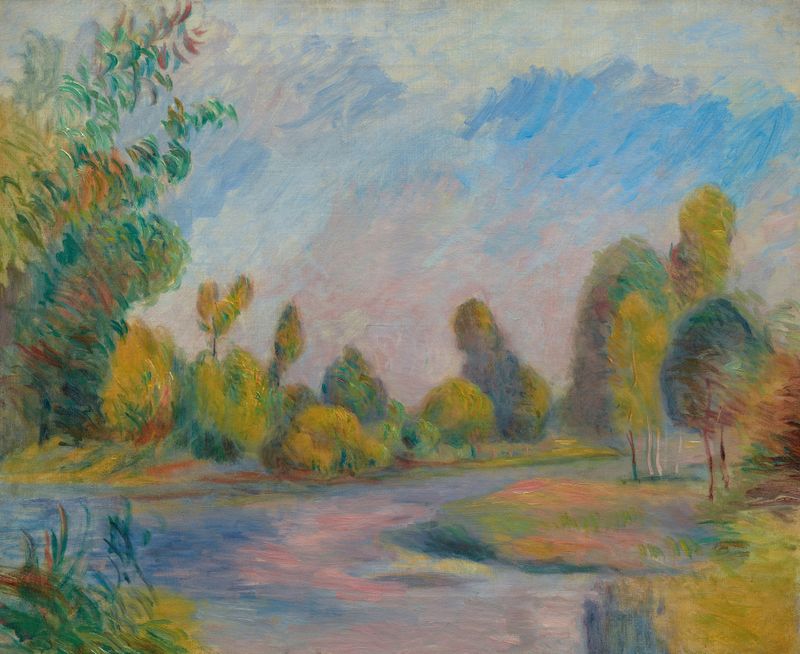
Au bord de la rivière
Pierre-Auguste Renoir

Near the Lake
Pierre-Auguste Renoir
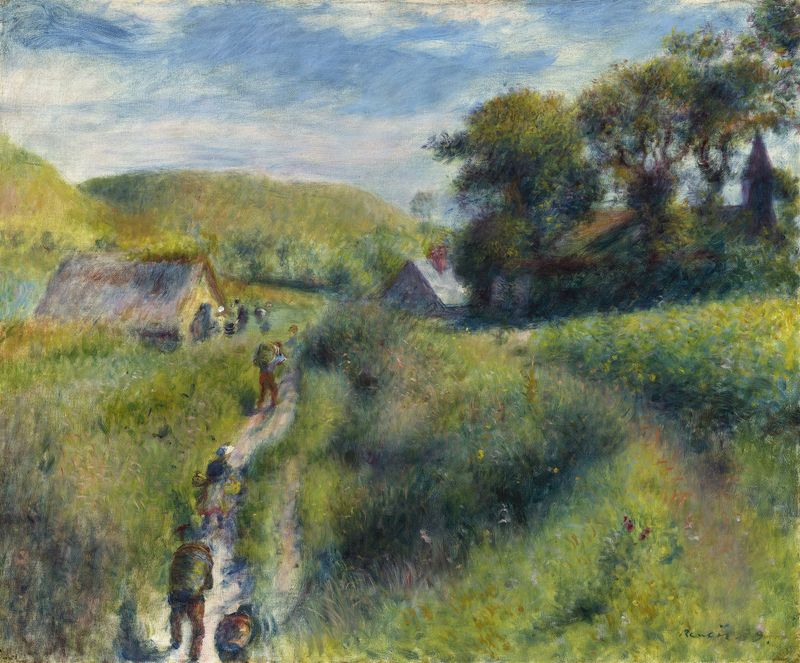
The Mussel Harvest
Pierre-Auguste Renoir

The Seine at Chatou
Pierre-Auguste Renoir
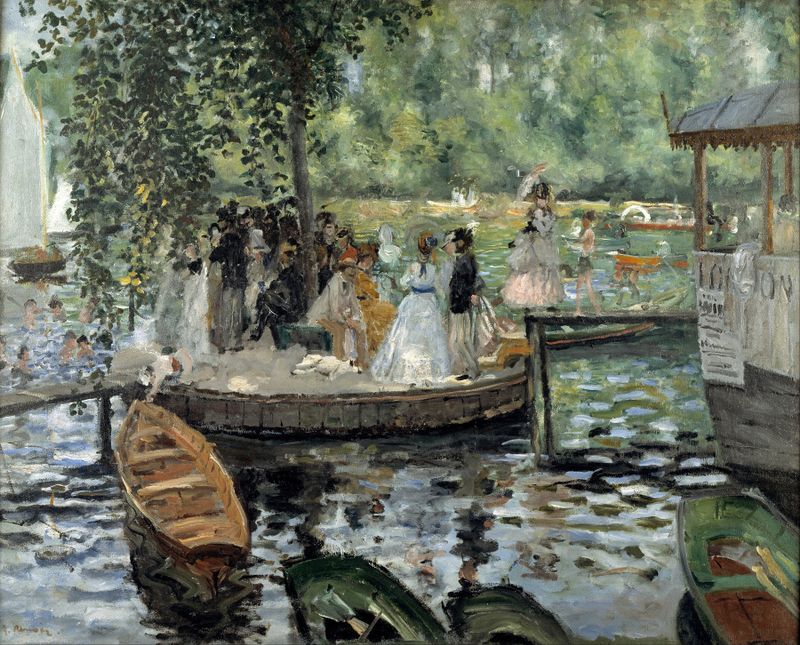
La Grenouillère
Pierre-Auguste Renoir
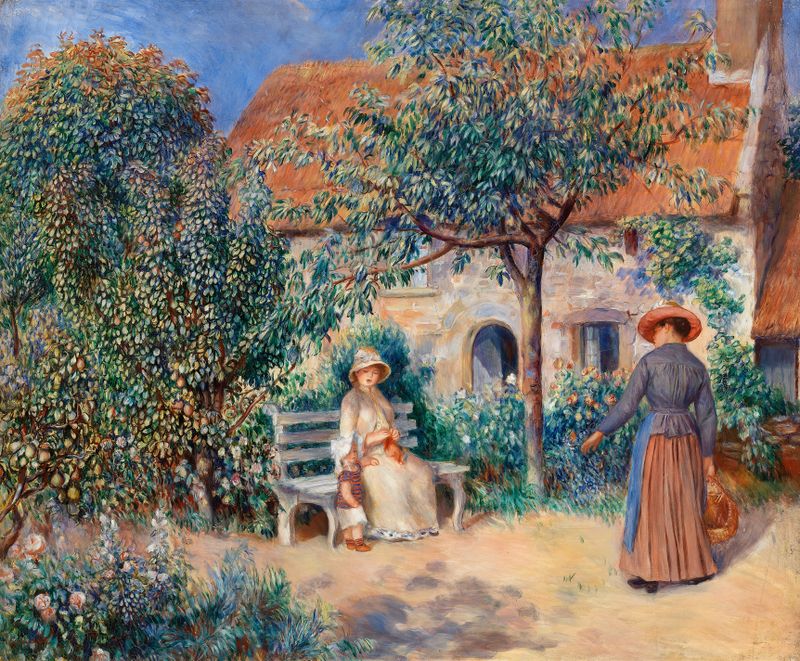
In Brittany (En Bretagne)
Pierre-Auguste Renoir
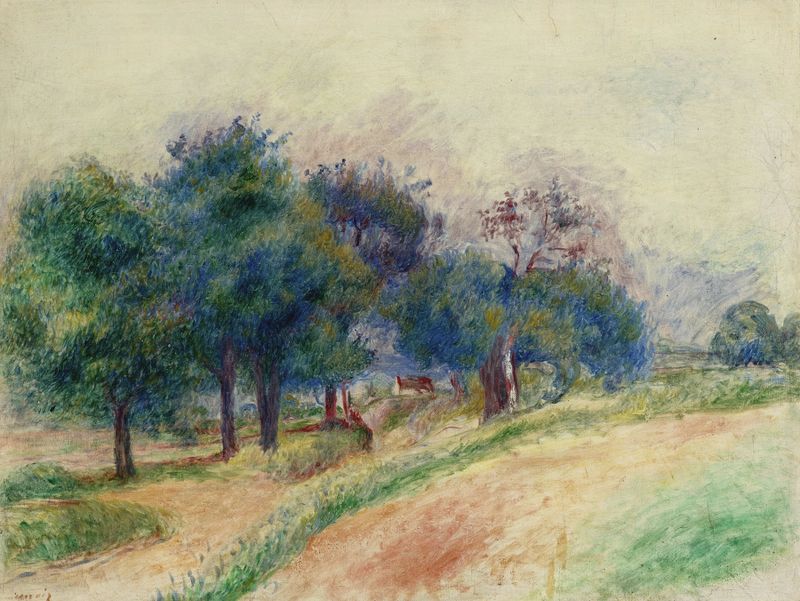
Paysage d’Essoyes
Pierre-Auguste Renoir





