
Discover insights about this artwork
History — History & Facts
In History, Edvard Munch uses a palette of muted colors, primarily browns and grays, to create a somber atmosphere. The central figures appear to be engaged in deep thought, surrounded by abstract forms that suggest the passage of time. The setting feels both intimate and vast, reflecting the complexity of human experience.
This composition invites viewers to contemplate the weight of history and memory. The painting is executed in oil on canvas, a medium that allows for rich texture and depth. Munch's brushwork is expressive, with visible strokes that enhance the emotional impact of the scene. The dimensions are approximately 100 x 120 cm, making it a significant piece that commands attention.
The use of light and shadow adds to the overall sense of drama and introspection. Edvard Munch was a Norwegian painter known for his exploration of psychological themes and emotional depth. History reflects his interest in how memories shape our understanding of the past. An interesting fact about this work is that it was created during a period when Munch was deeply influenced by Symbolism, which sought to express the inexpressible.
This painting exemplifies his ability to blend personal experience with broader existential questions.
More Artworks by Edvard Munch
More Allegory Art
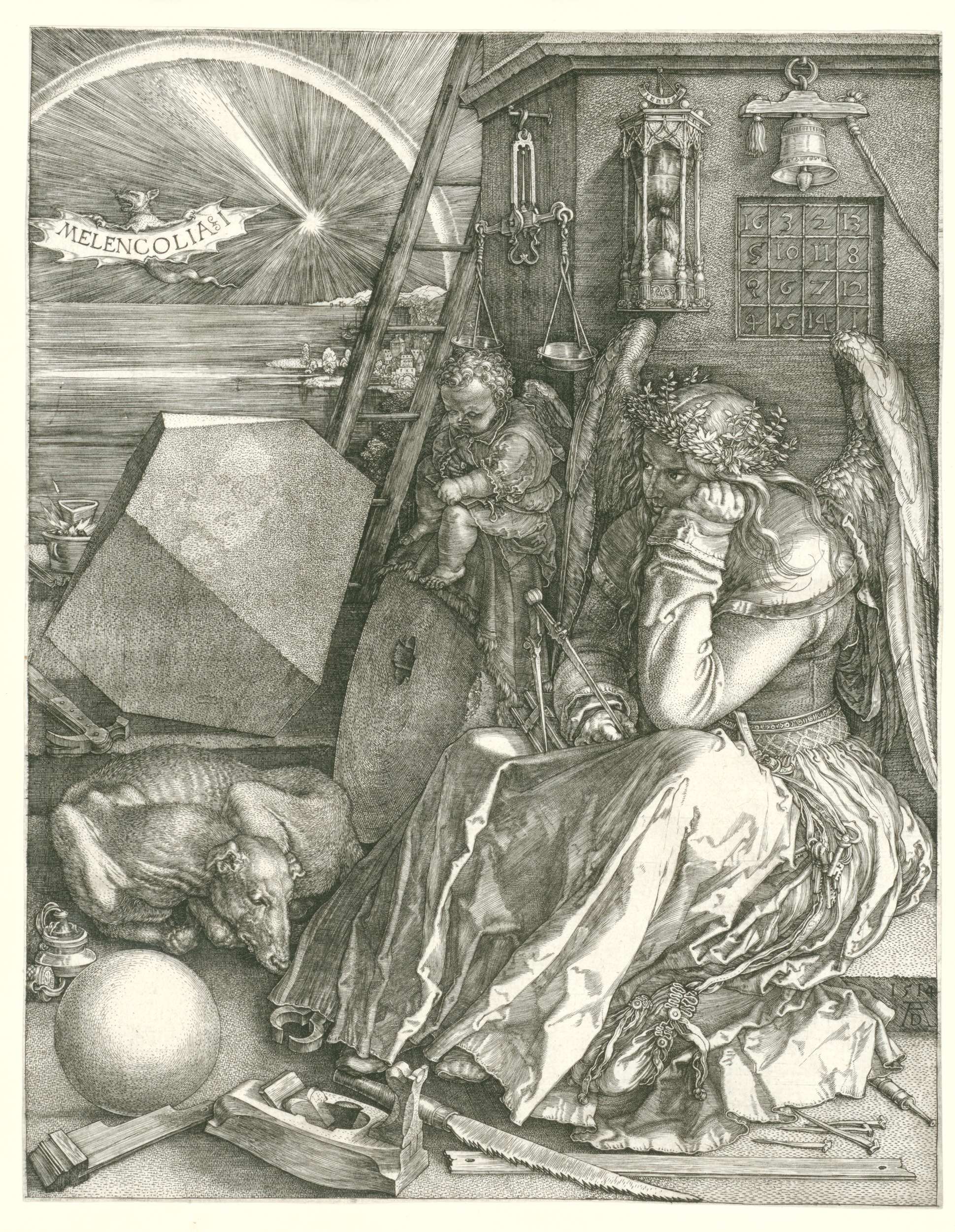
Melancholia
Albrecht Dürer
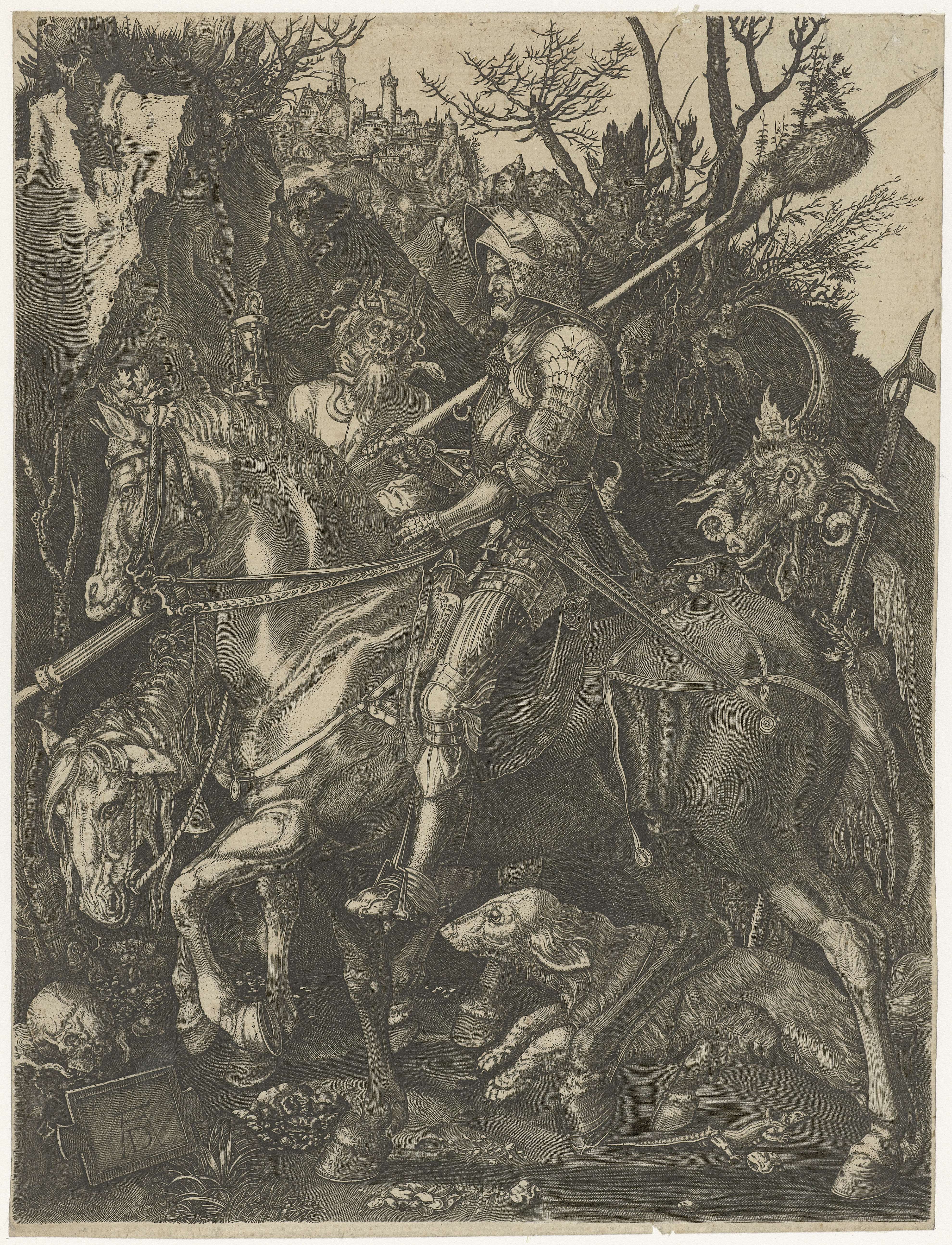
Ridder, Dood en Duivel
Unknown Artist
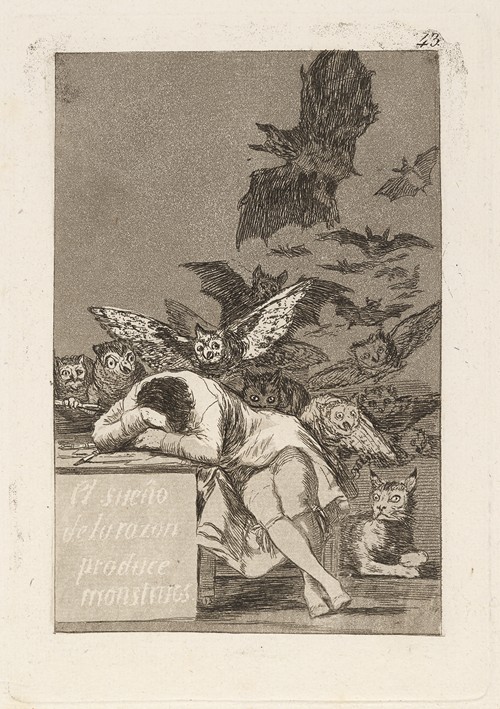
El sueño de la razon produce monstruos. (The sleep of reason produces monsters.)
Francisco de Goya
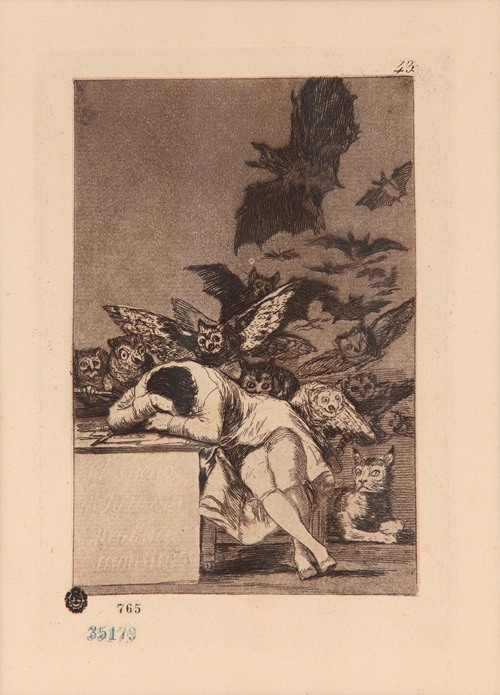
El sueño de la razon produce moustruos (Serie Caprichos)
Francisco de Goya
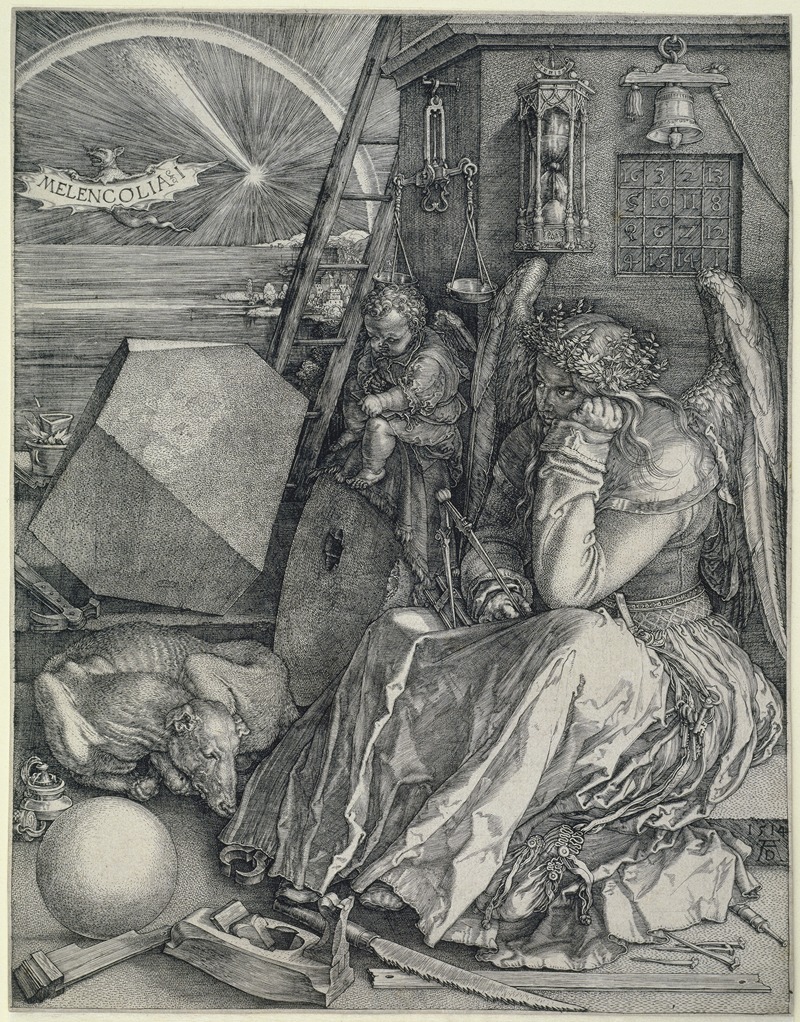
Melencolia I (The Melancholy)
Albrecht Dürer
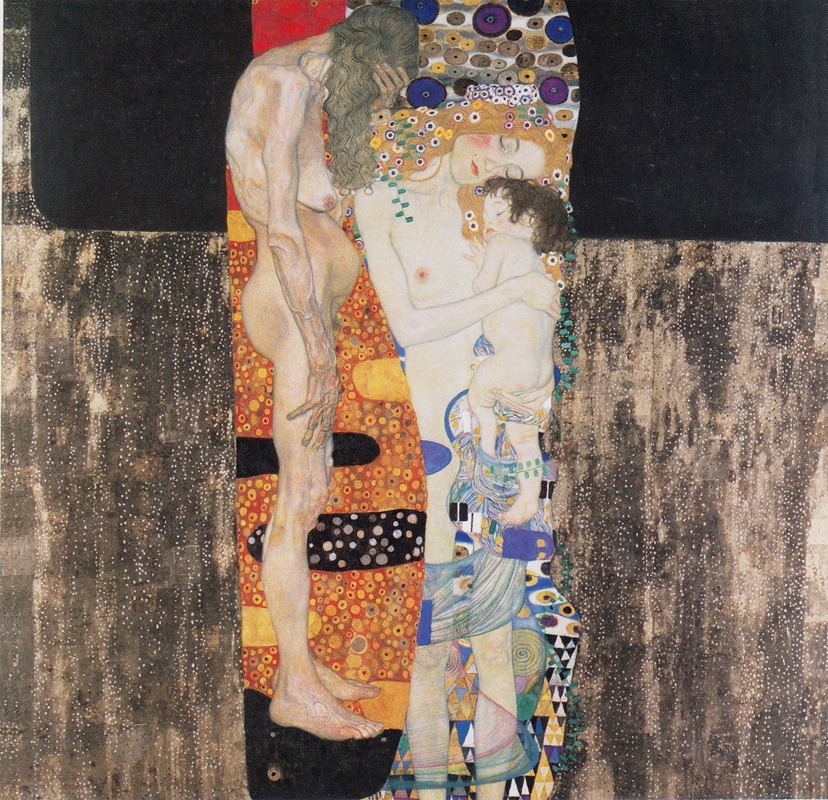
The Three Ages of the Woman
Gustav Klimt