
Hollandse straatvaarders bij een haven aan de Middellandse Zee-Hollandse straatvaarders bij een Middellandse-Zeehaven-Dutch Ships in a Mediterranean Roadstead — History & Facts
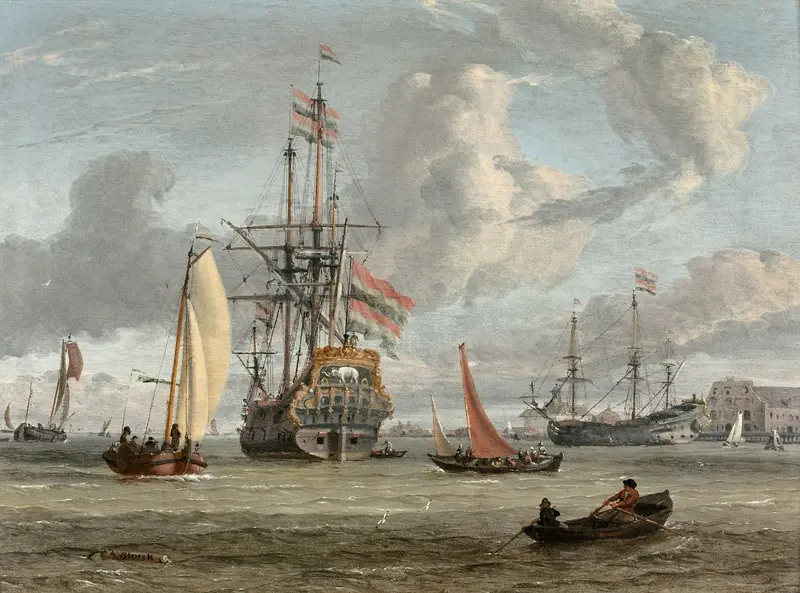
A forest of sails and the snap of Dutch tricolor flags catch the eye first, but it is the sense of arrival—of ships pausing at the edge of a foreign shore—that gives this scene its quiet tension. The painter, Abraham Storck, orchestrates the moment with a stage director’s care: the largest vessel, sunlit and impossibly detailed, holds the center, its decks crowded with figures and its rigging alive with the business of docking. Smaller boats cluster around, their passengers caught mid-gesture, ferrying goods or perhaps dignitaries to and from the looming ships.
The Mediterranean light, thick and golden, glances off the water and picks out the distant Italian harbor, whose towers and domes promise commerce and intrigue beyond the frame. Every flag, every ripple in the sails, is a signal—this is not just a seascape, but a portrait of Dutch ambition at its height. Works like this, painted between 1660 and 1680, belong to a world where the Dutch Republic’s fortunes rode on the sea. Maritime paintings were prized by merchants and shipowners, their walls bearing witness to the reach and power of Dutch trade.
The Mediterranean, with its bustling ports and exotic promise, was both a destination and a proving ground for these “straatvaarders”—the long-haul merchantmen that stitched Europe together. Storck was one of many artists to find inspiration in these floating cities, but few matched his knack for balancing the grandeur of the ships with the human stories unfolding on deck and shore. History has kept few traces of the individual journeys behind each hull, but the painting invites us to imagine the lives and ambitions carried by every banner and boat.
More Artworks by Abraham Storck

The Muscovite legation visiting Amsterdam, 29 August 1697
Abraham Storck
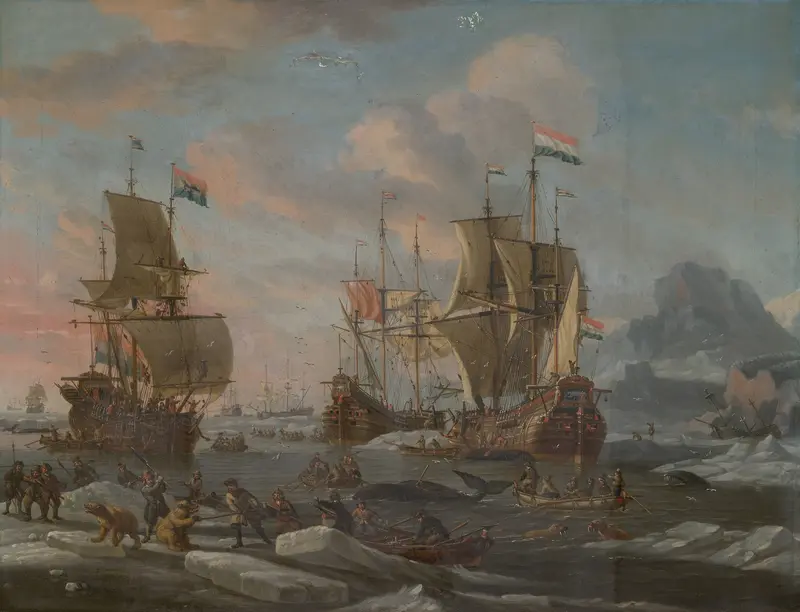
The Dutch Whaling Fleet
Abraham Storck
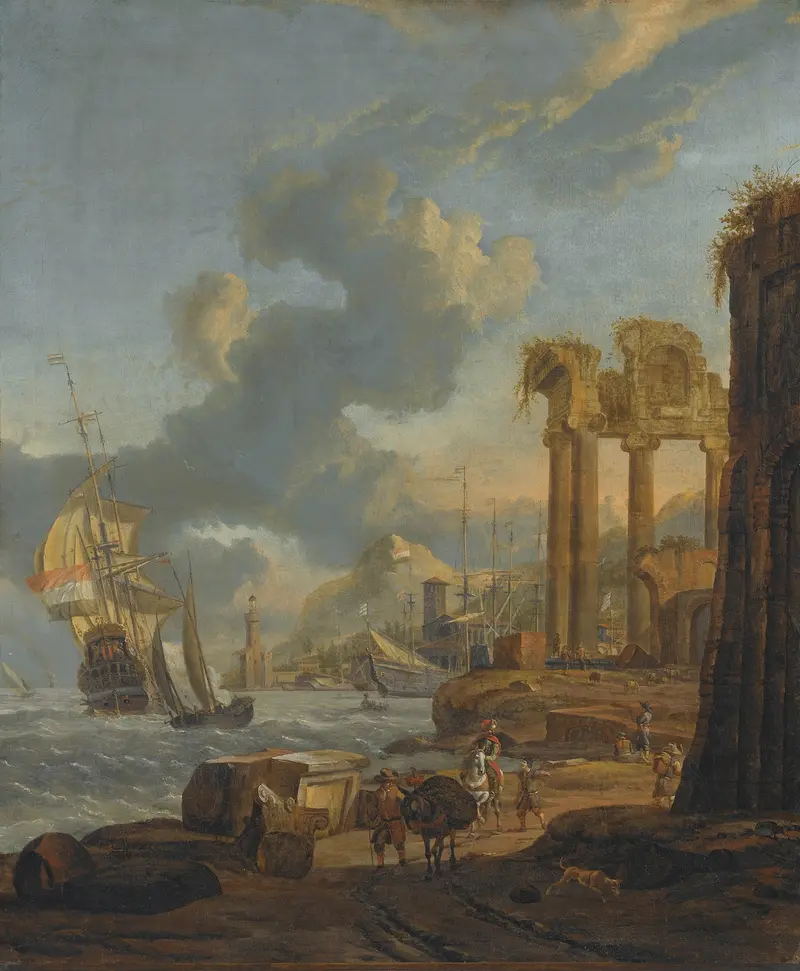
A Mediterranean Harbour Scene With Travellers On The Shore, A Dutch Man-Of-War On The Left
Abraham Storck
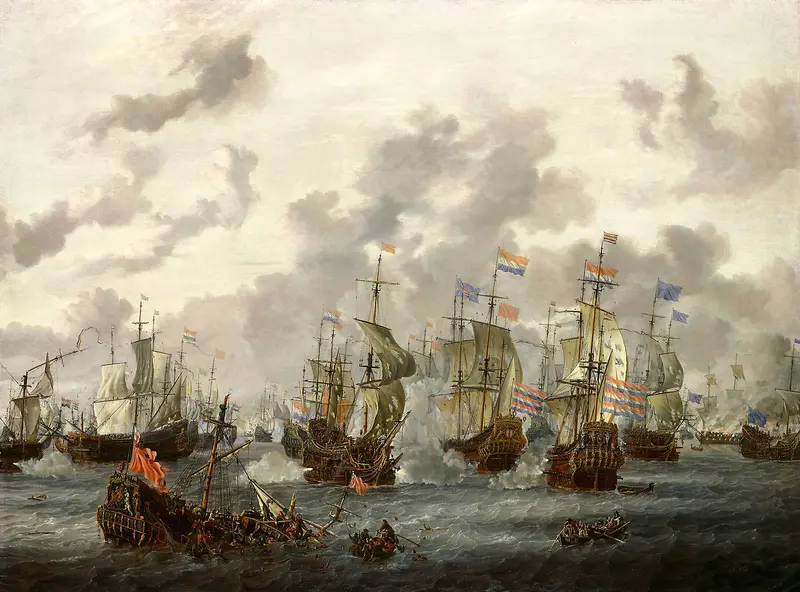
The Four Days’ Battle
Abraham Storck
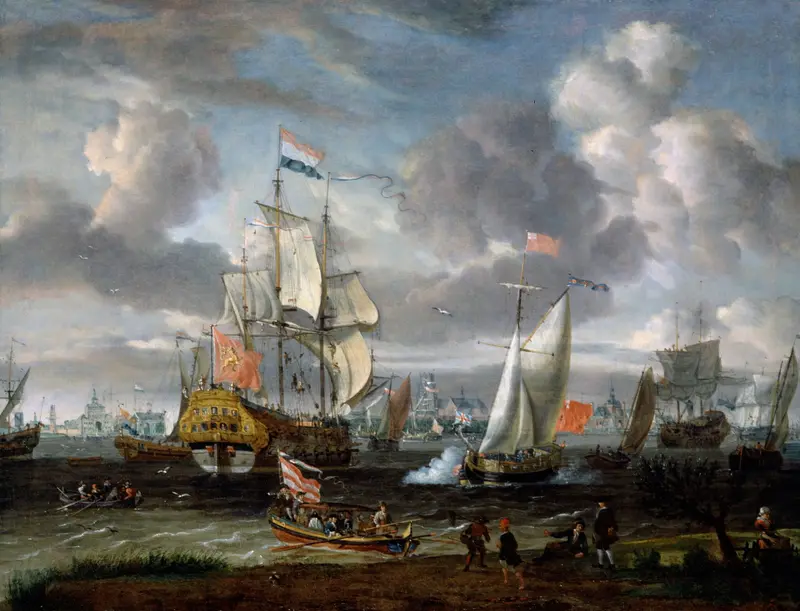
An English Yacht saluting a Dutch Man-of-War in the port of Rotterdam
Abraham Storck
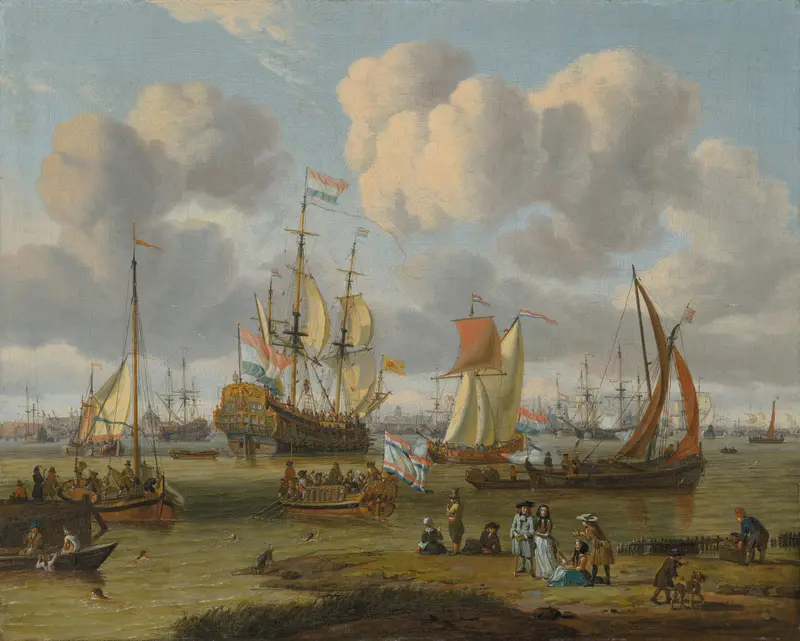
Shipping off Amsterdam with figures on a quay
Abraham Storck
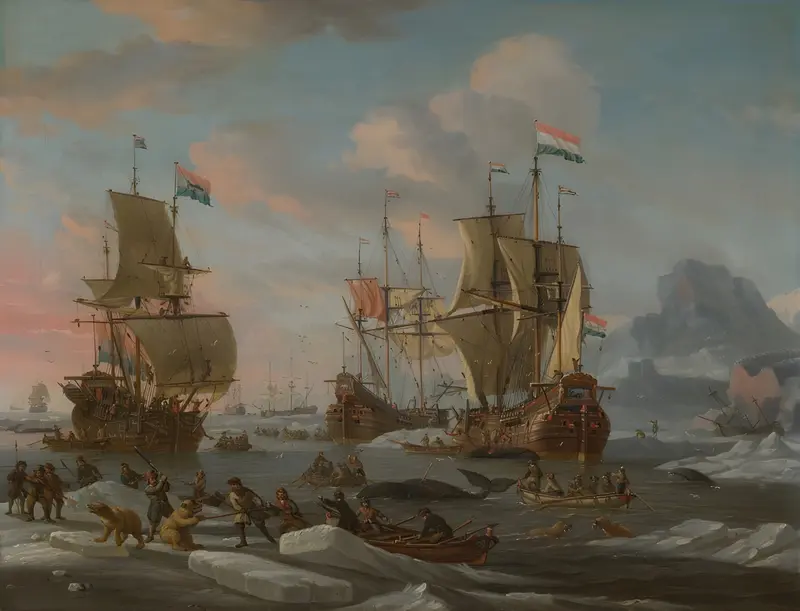
The Dutch Whaling Fleet
Abraham Storck
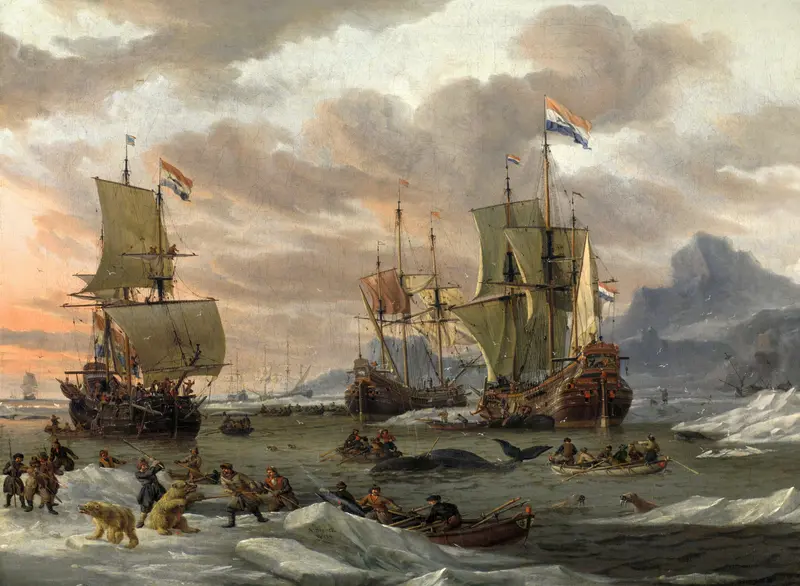
Whaling Grounds in the Arctic Ocean
Abraham Storck
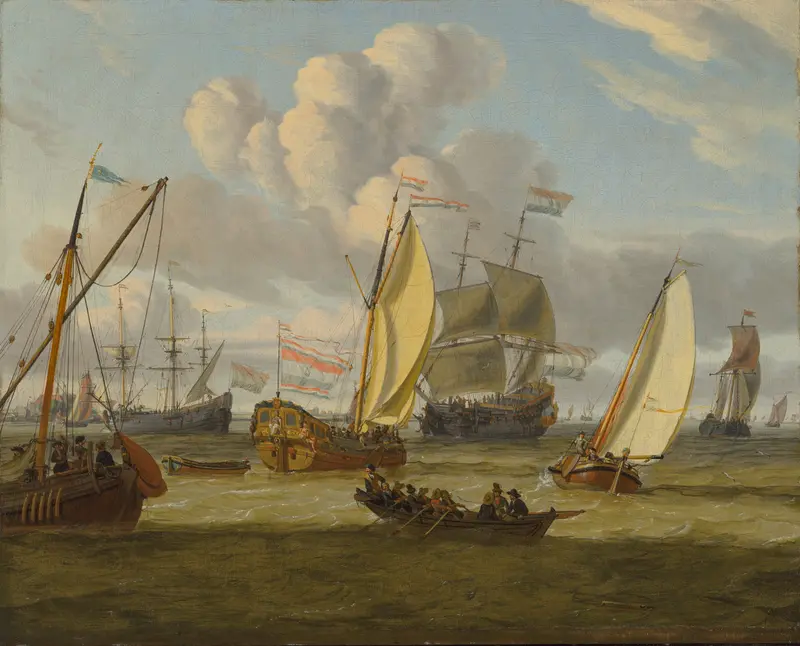
Shipping in an estuary
Abraham Storck
Grand navire de la couronne du Danemark près d’un littoral
Abraham Storck





