
Hollow in the snow — History & Facts
A single figure stands in the hush of a snowbound path, dwarfed by the sweep of pale sky that claims nearly the entire canvas. The eye is drawn first to the expanse above, a cold, luminous blue that seems to press down on the world below, before following the muddy track that winds through the snow. The woman, wrapped in dark clothing and a red scarf, is both solitary and central, her presence the quiet heart of the scene.
The tall, bare tree to the left and the rough fence to the right frame her journey, their stark lines echoing the isolation of winter. Every brushstroke in the snow is purposeful, suggesting both the chill of the air and the subtle movement of light across the frozen ground. Painted in 1869, Hollow in the snow belongs to a moment when artists in France were turning their gaze to the fleeting effects of weather and light, seeking truth in the ordinary. Works like this, often painted outdoors, challenged the conventions of academic art and invited viewers to find beauty in the overlooked corners of rural life.
While little is recorded about the specific history of this painting, its inclusion in the Yorck Project’s collection of masterworks speaks to the quiet revolution underway in landscape painting at the time. The viewer is left to wonder about the figure’s destination, and perhaps to remember the sound of snow underfoot.
More Artworks by Armand Guillaumin

La Seine À Charenton
Armand Guillaumin
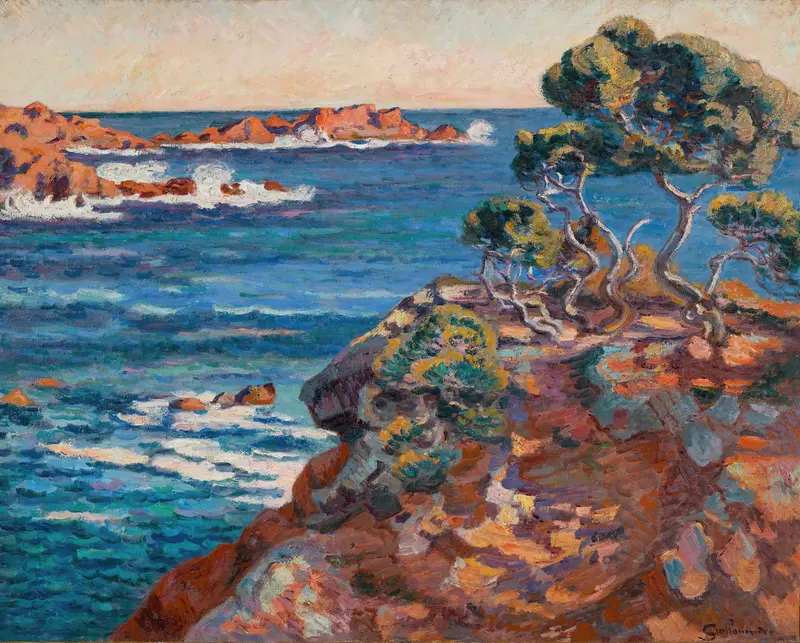
Bord De Mer À Agay
Armand Guillaumin
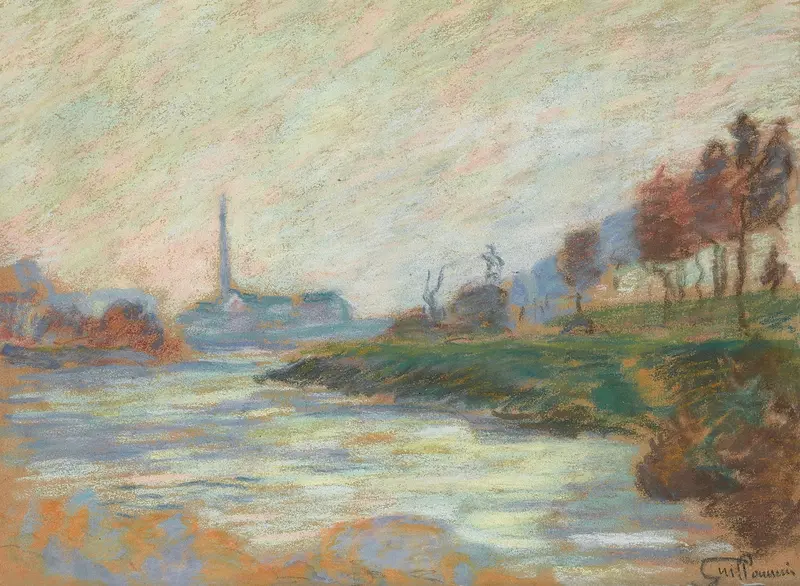
Confluent De La Marne Et De La Seine, Île De La France
Armand Guillaumin
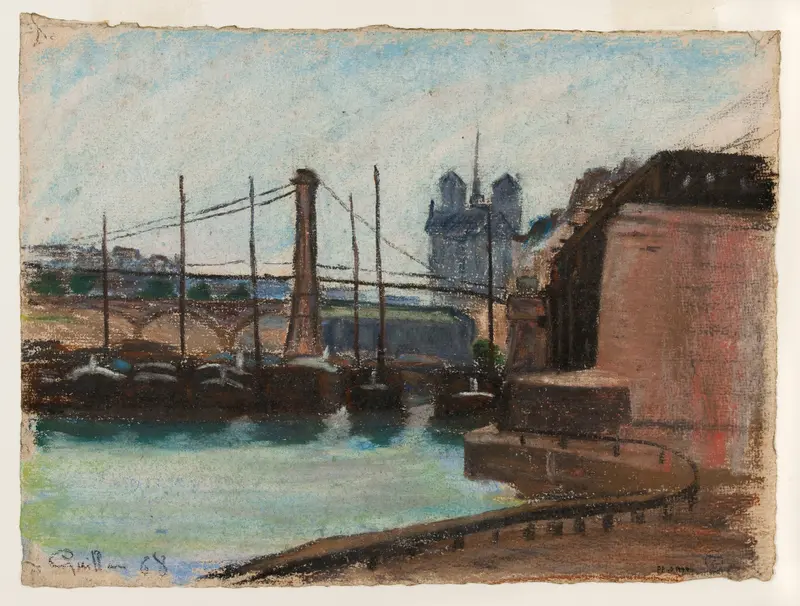
Le Pont d’Austerlitz
Armand Guillaumin
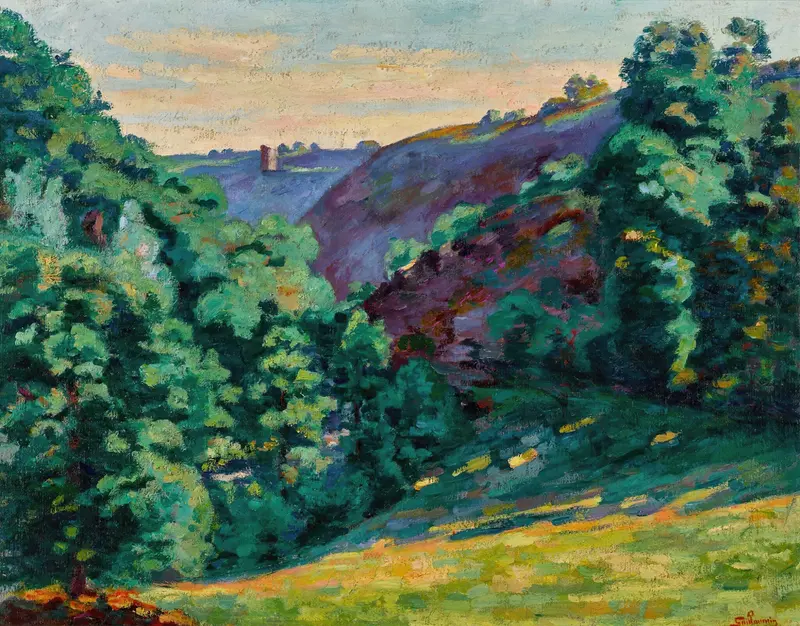
Le Ravin de la folie, vue de Chateau Crozant
Armand Guillaumin
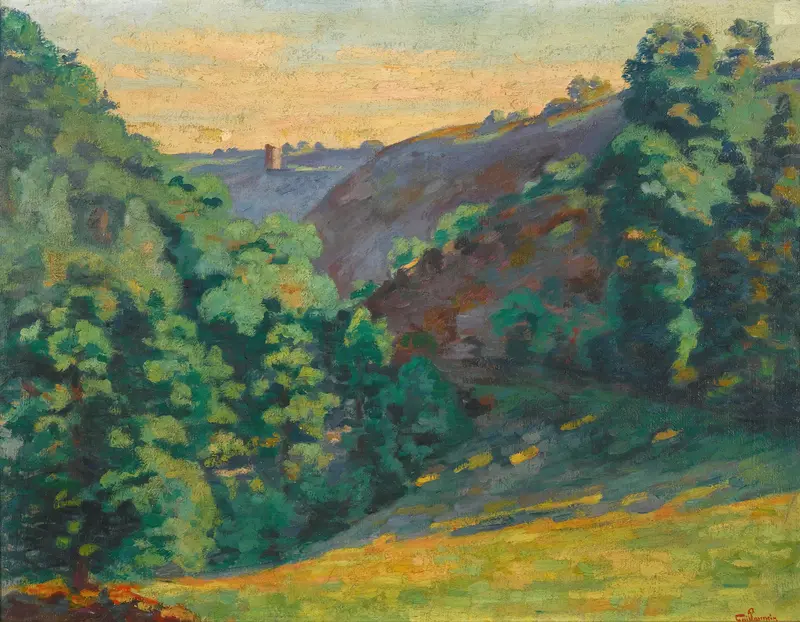
Crozant, Le Ravin De La Sedelle À La Folie
Armand Guillaumin
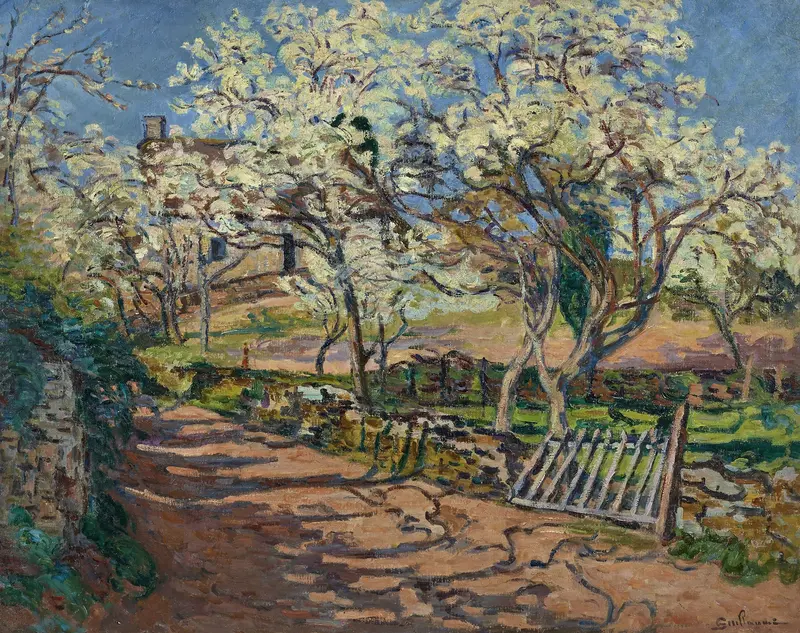
Paysage de Printemps
Armand Guillaumin
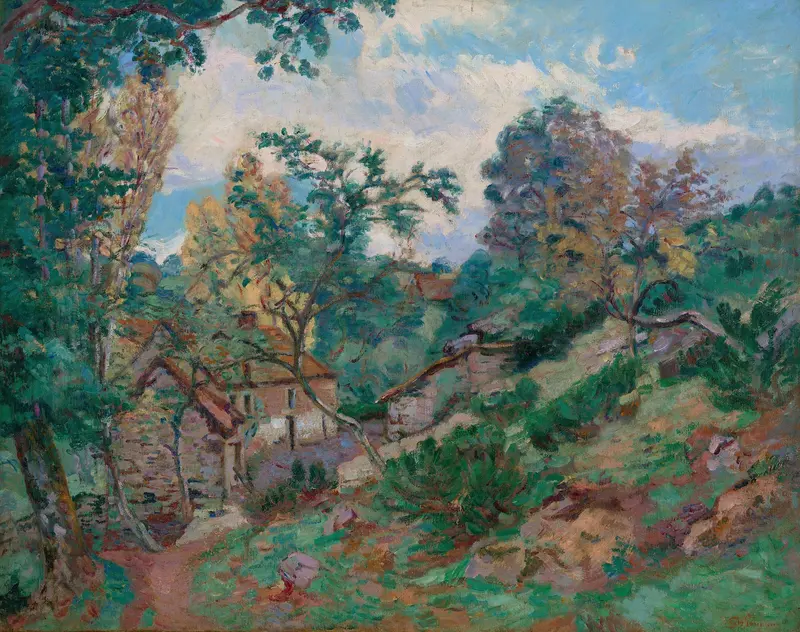
Paysage
Armand Guillaumin
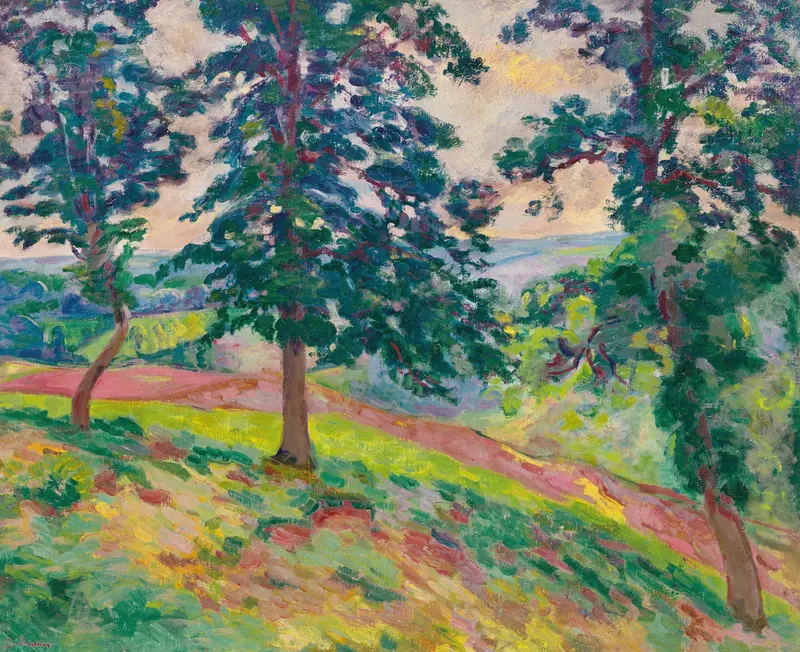
La vallée de la creuse
Armand Guillaumin
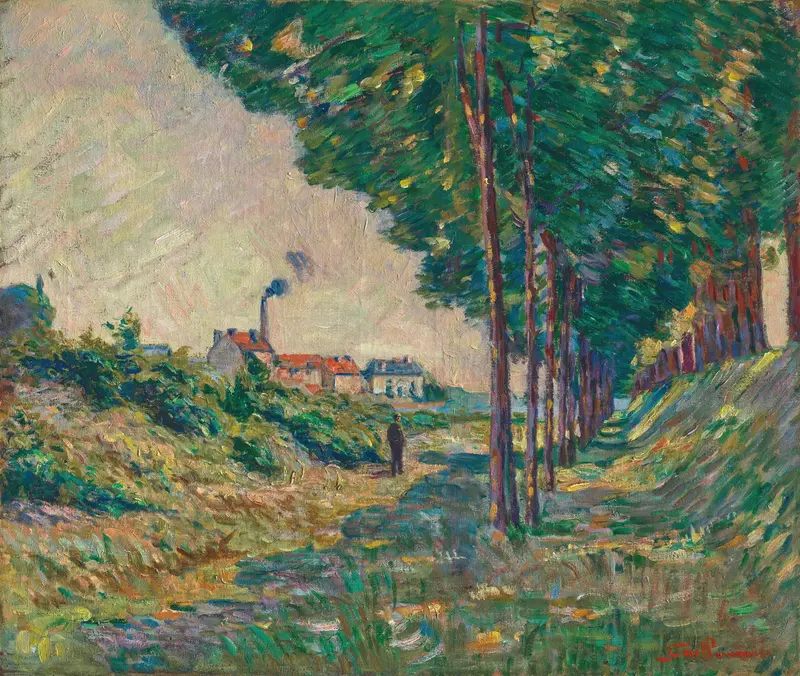
Le chemin de halage à Charenton, Ile de France
Armand Guillaumin
More Landscape Art

The Starry Night
Vincent van Gogh

View of Delft
Johannes Vermeer

Water Lilies
Claude Monet

The Grand Canal, Venice, looking north-west from the Ca' Corner to the Ca' Contarini degli Scrigni, with the campanile of Santa Maria della Carità
Canaletto

Windsor Castle
Canaletto

The Grand Canal looking North-East from the Palazzo Dolfin-Manin to the Rialto Bridge
Canaletto