
Holy Family — History & Facts
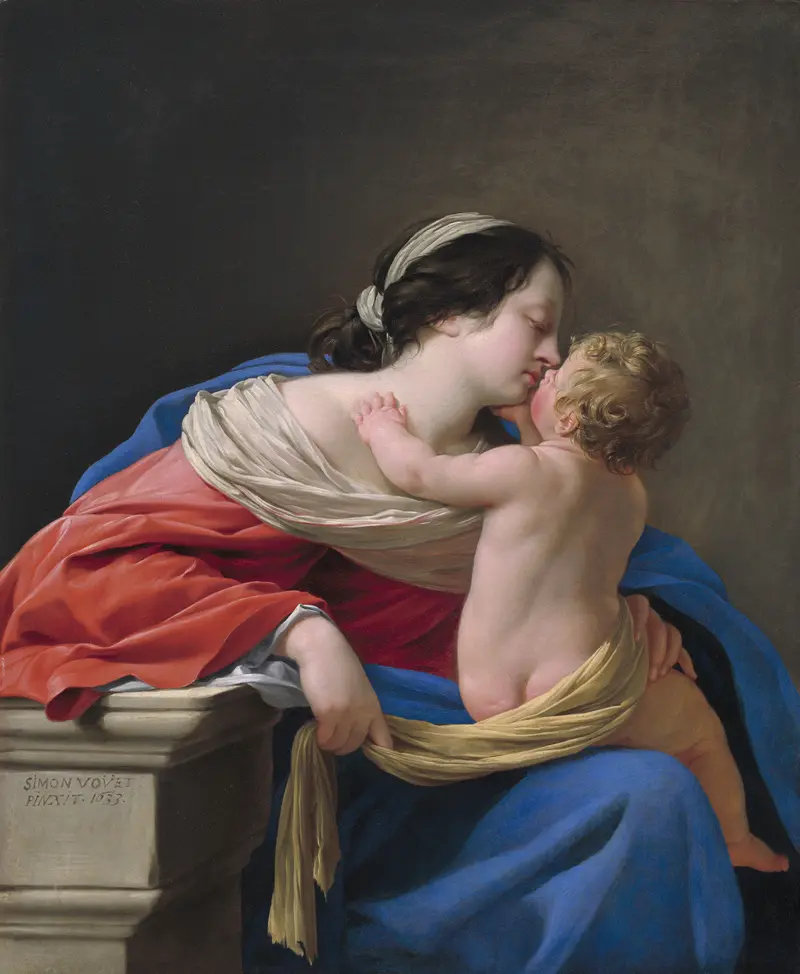
No other artist did more to shape the visual language of 17th-century French religious painting than Simon Vouet, yet the date and original purpose of his Holy Family remain a puzzle. Scholars have long debated whether this canvas was painted during Vouet’s Roman years, when he absorbed the lessons of Caravaggio, or after his triumphant return to Paris in 1627, where he became first painter to Louis XIII. The painting’s uncertain origins have only added to its intrigue, with some suggesting it may have been a private devotional commission, while others see it as a model for Vouet’s many pupils. At the heart of the scene, the Virgin Mary cradles the infant Christ, her gaze tender yet thoughtful, as Joseph looks on with protective warmth.
Vouet chooses a moment of intimate domesticity rather than public miracle: the Christ Child reaches out to his mother, while Joseph’s hand rests gently on her shoulder, forming a triangle of care and unity. The luminous skin tones and dramatic contrasts of light and shadow recall the influence of Caravaggio, yet Vouet’s figures are softer, their gestures more graceful—distinct from the earthy realism of earlier Italian depictions such as Caravaggio’s Rest on the Flight into Egypt. The delicate play of drapery and the subtle halo of light around the Virgin’s head signal her sacred role, while the absence of overt symbols keeps the focus on human connection. The painting’s journey through history is less well documented than some of Vouet’s grand commissions for French churches and palaces.
Its lack of a clear provenance has led to speculation about early owners, with some records hinting at a presence in private Parisian collections during the 18th century. Over time, the work has often been overshadowed by Vouet’s larger altarpieces, yet it remains a key example of his gift for blending Italian dynamism with French elegance. Today, Holy Family is recognized as a touchstone of early French Baroque, reflecting both the artist’s cosmopolitan influences and his central role in shaping the taste of a new generation.
More Artworks by Simon Vouet

Portrait of Louis XIII
Simon Vouet
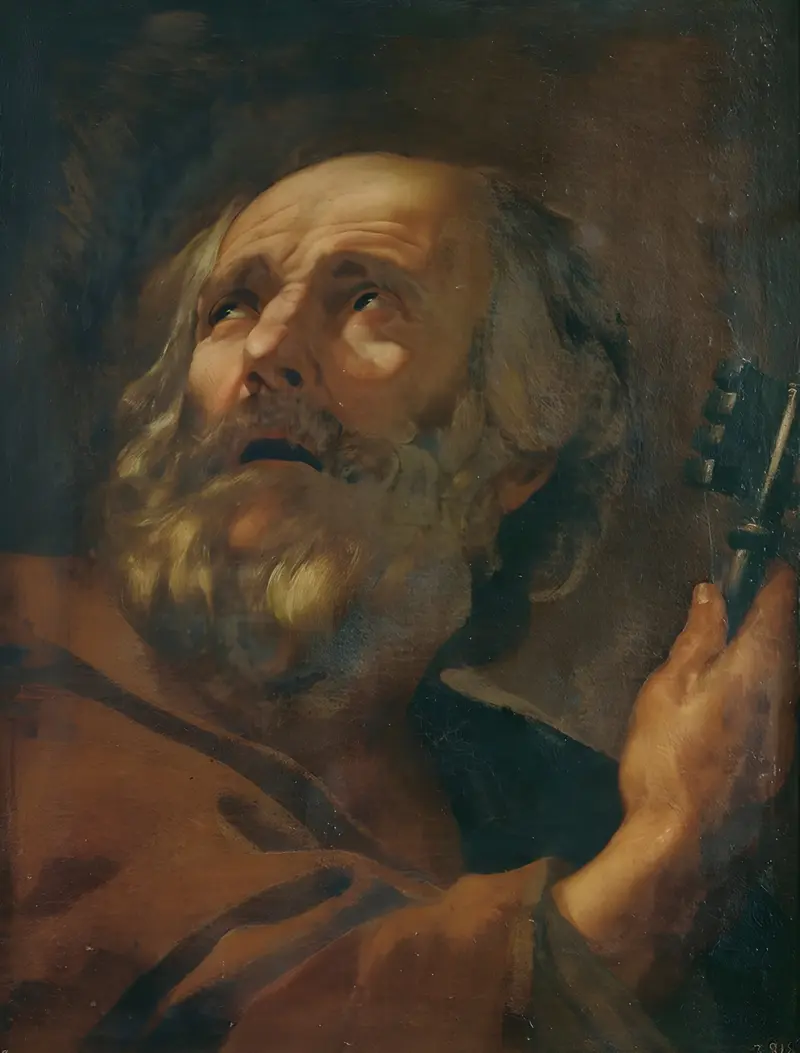
Saint Peter
Simon Vouet
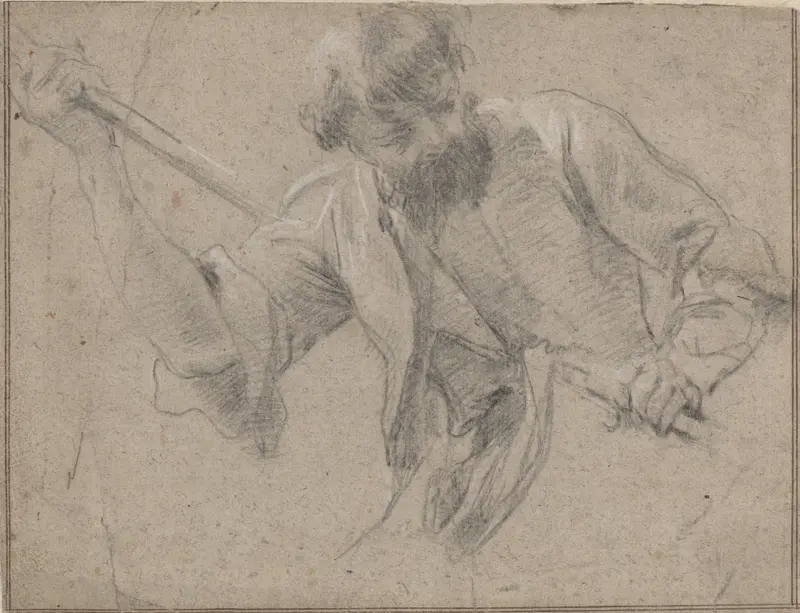
A Bearded Man with a Staff
Simon Vouet
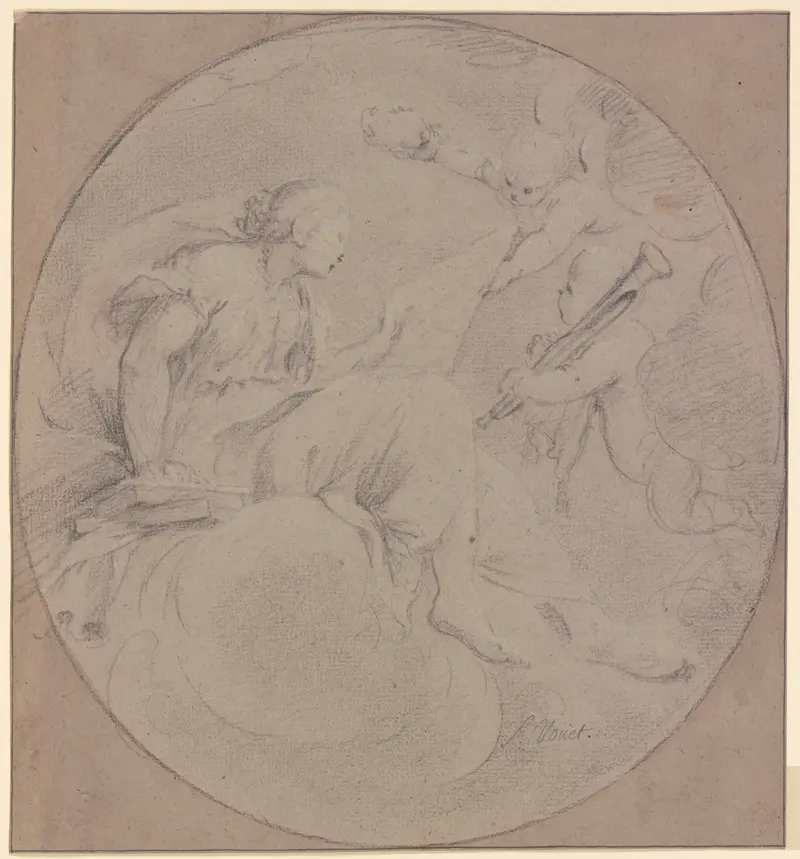
Die Muse der Musik mit zwei Genien, deren einer eine Trompete trägt
Simon Vouet
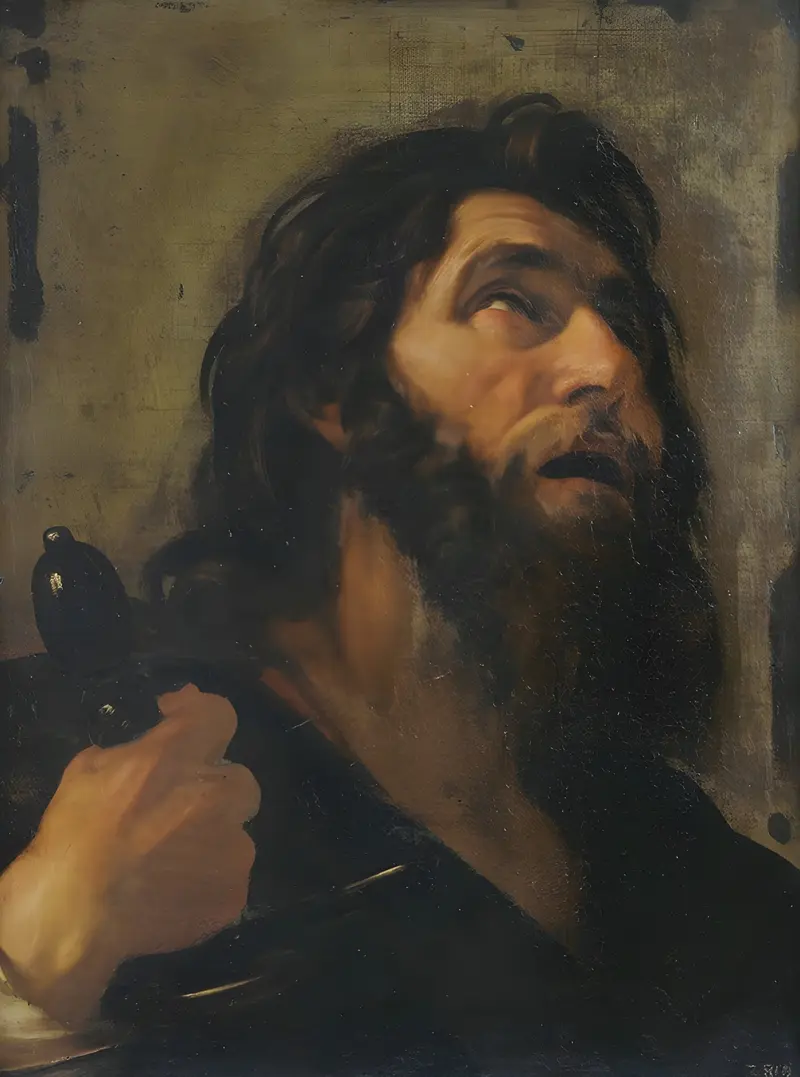
Saint Paul
Simon Vouet
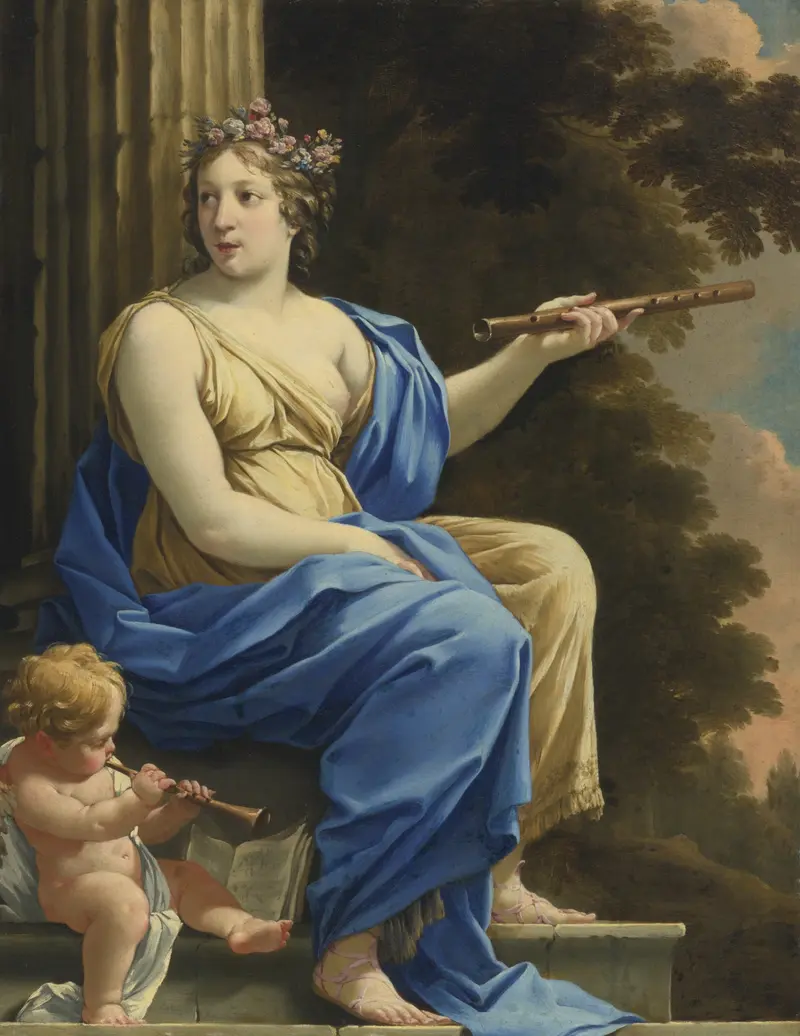
Euterpe, The Muse Of Music And Lyric Poetry
Simon Vouet
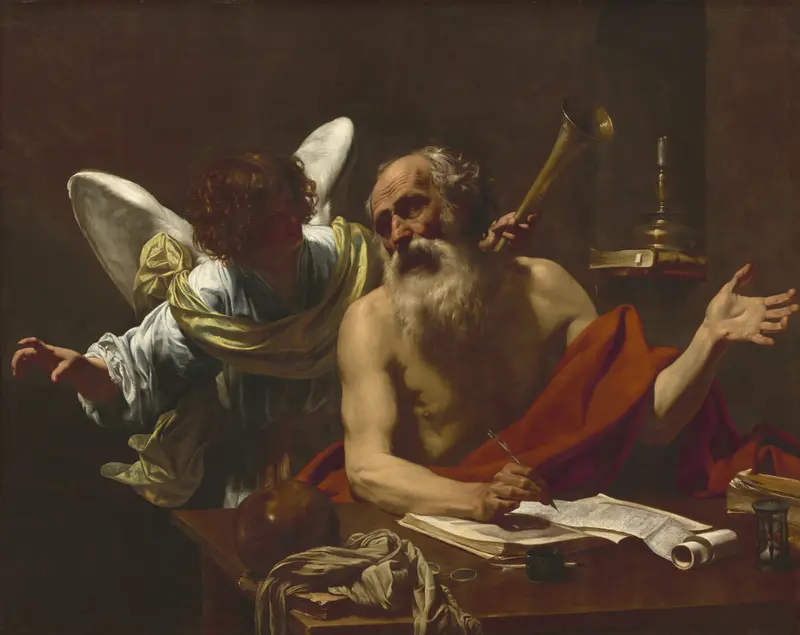
Saint Jerome and the Angel
Simon Vouet
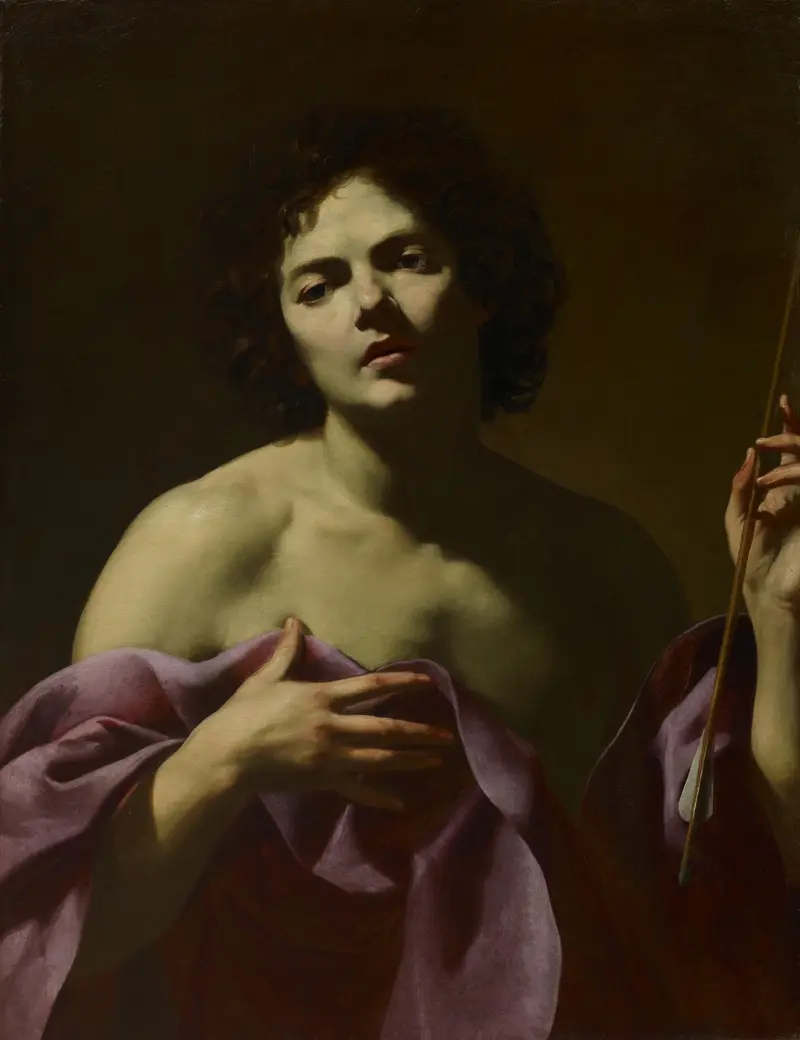
Saint Sebastian
Simon Vouet
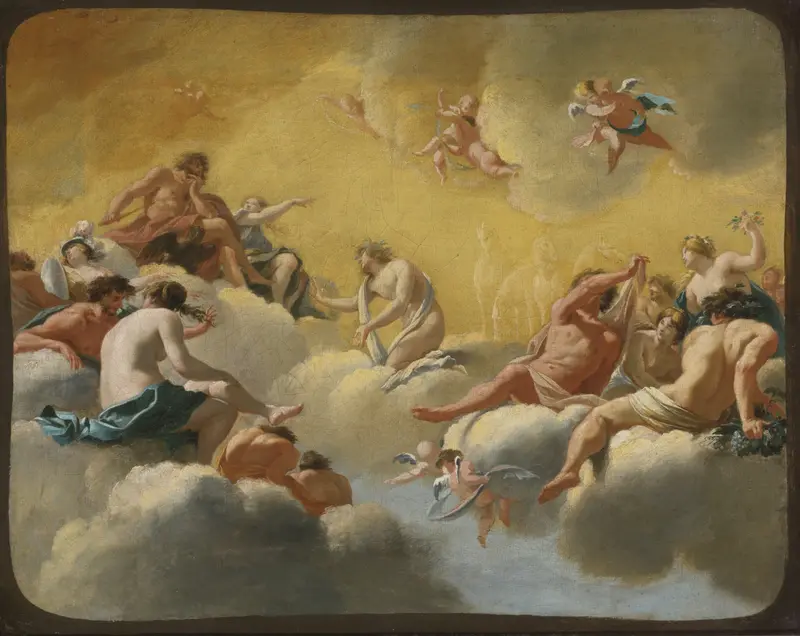
Assembly Of The Gods
Simon Vouet
Madonna and Child
Simon Vouet





