
Die Muse der Musik mit zwei Genien, deren einer eine Trompete trägt — History & Facts
In the lively world of 17th-century Paris, Simon Vouet was the painter of choice for the French court, and his allegories of the arts became emblems of royal taste. Among these, Die Muse der Musik mit zwei Genien, deren einer eine Trompete trägt stands out for its rare depiction of Music not as a solitary muse, but as a figure attended by two genii—one bearing a trumpet, the other perhaps a symbol of harmony or song. While the exact date and patron of this work remain uncertain, its composition echoes Vouet’s influential years after his return from Rome, when he brought the drama and clarity of the Italian Baroque to France, shaping the visual language of an entire generation. At the heart of the painting, the Muse of Music sits enthroned, her gaze serene yet commanding, caught in the act of inspiring her youthful companions.
The genie to her right holds a gleaming trumpet aloft, its metallic sheen catching the light—a clear nod to the power of music to rouse and proclaim. The other genie, often interpreted as the spirit of melody, leans in with a gesture of attentive listening, suggesting the dual nature of music as both performance and reception. Vouet’s use of rich drapery, dynamic poses, and direct eye contact draws the viewer into this moment of creative transmission.
Unlike the more solitary muses of Guido Reni or Poussin, Vouet’s muse is communal, surrounded by the energies she unleashes. The journey of this particular painting is less well documented than some of Vouet’s grand commissions for the French monarchy, yet its style and subject place it firmly among the allegorical works that secured his reputation. Pieces like this were often intended for private salons or as part of decorative cycles celebrating the liberal arts, and their survival offers a glimpse into the intellectual ambitions of their patrons. Today, Die Muse der Musik mit zwei Genien, deren einer eine Trompete trägt is recognized as a testament to Vouet’s pivotal role in introducing the Baroque idiom to France, blending Italian dynamism with French elegance.
Its current whereabouts are not widely published, but its influence endures in the many allegorical cycles that followed in Vouet’s wake.
More Artworks by Simon Vouet

Portrait of Louis XIII
Simon Vouet
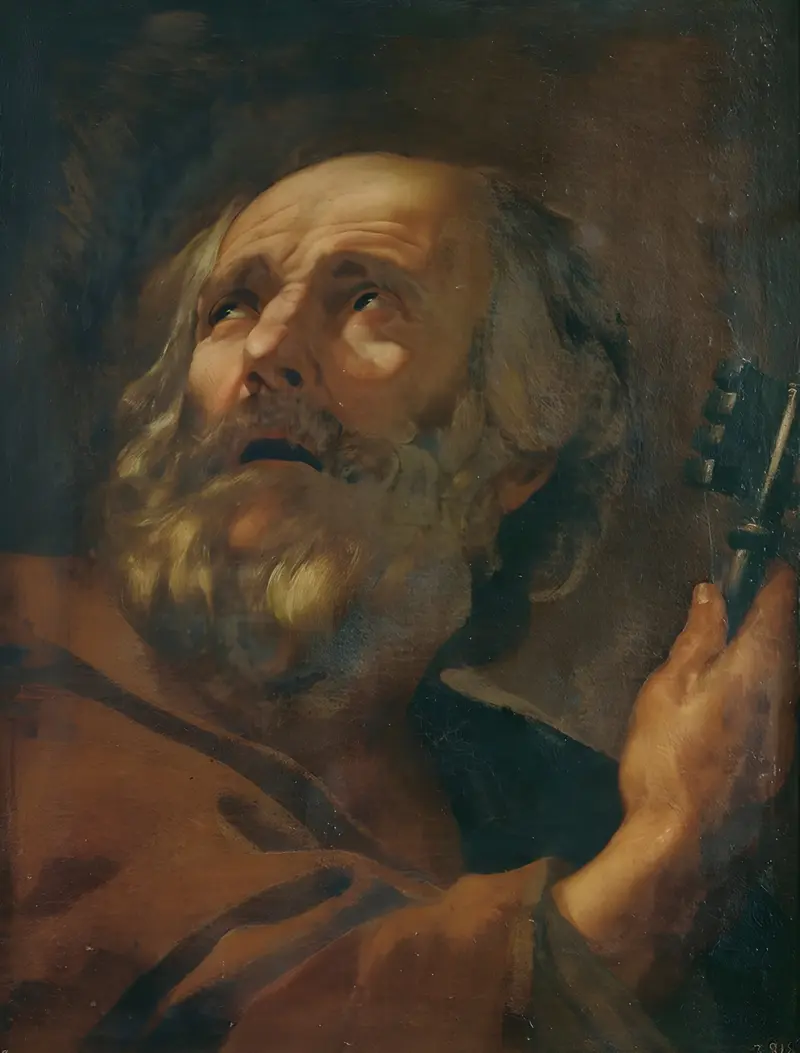
Saint Peter
Simon Vouet
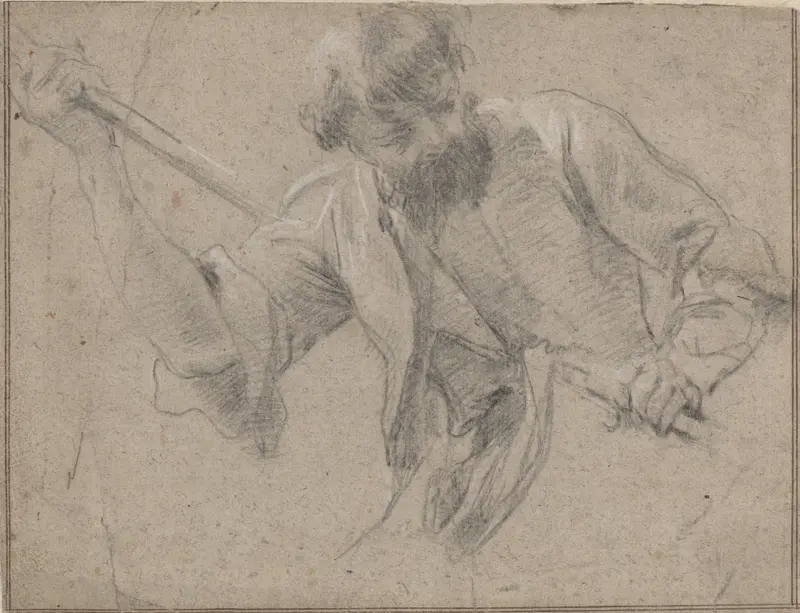
A Bearded Man with a Staff
Simon Vouet
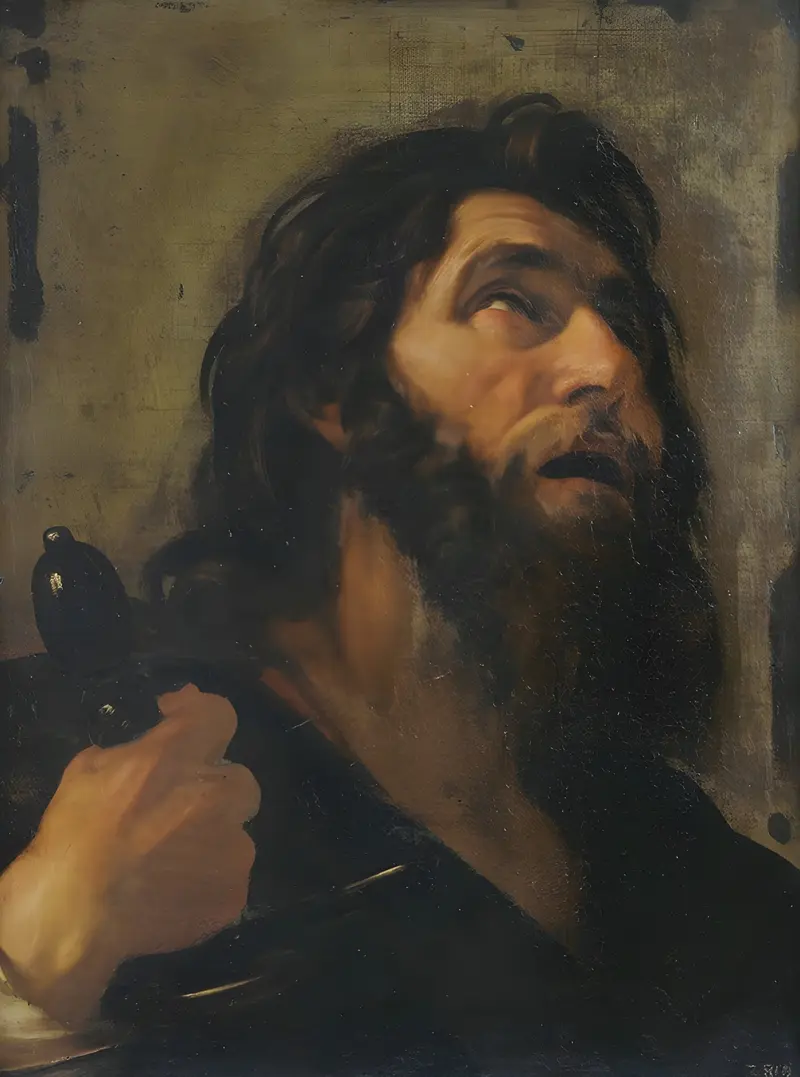
Saint Paul
Simon Vouet
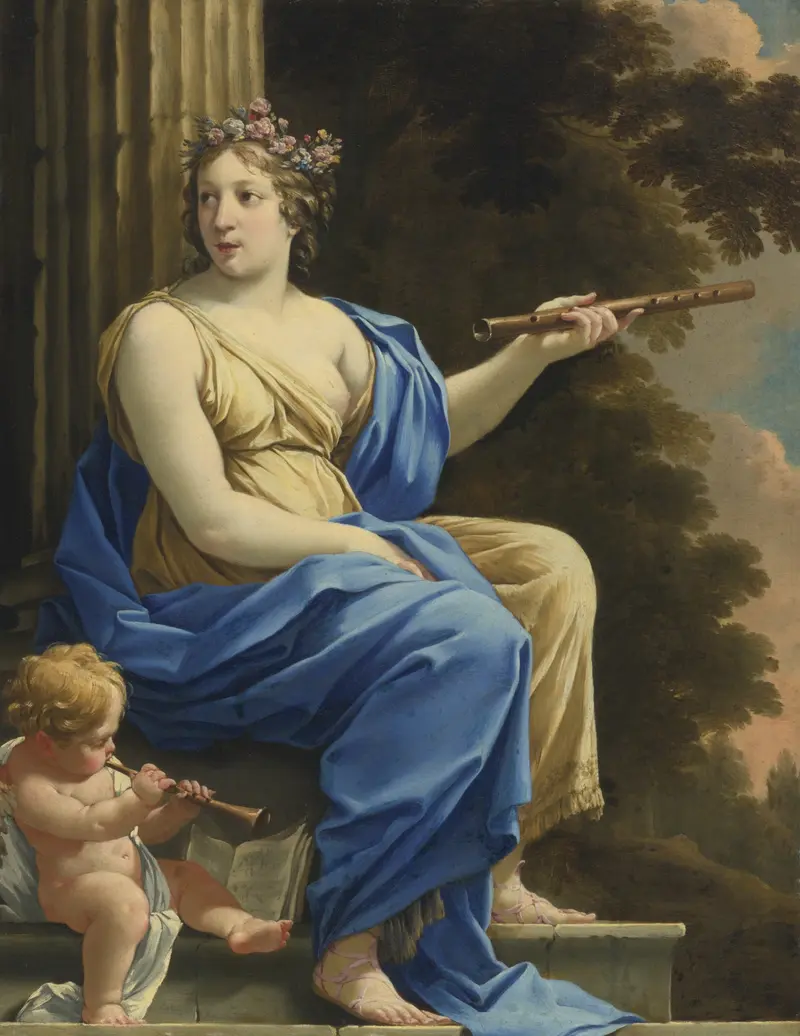
Euterpe, The Muse Of Music And Lyric Poetry
Simon Vouet
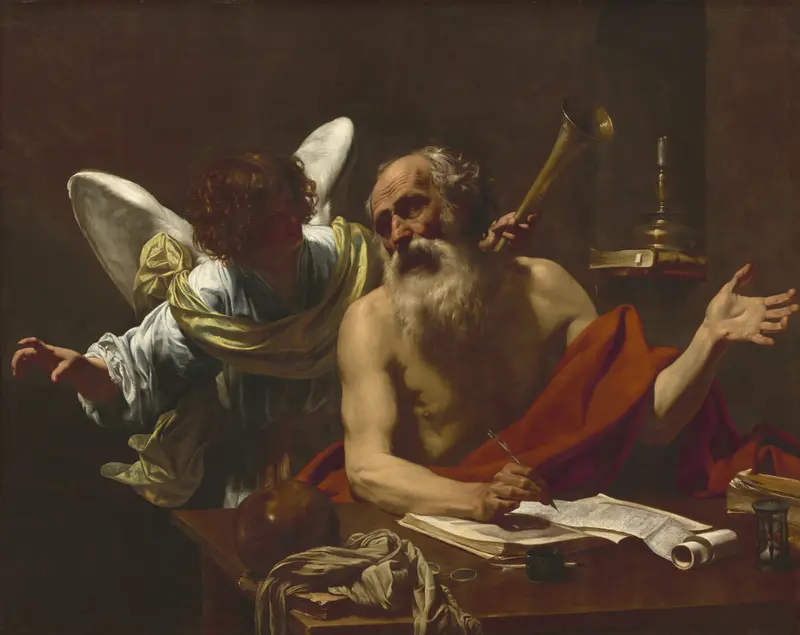
Saint Jerome and the Angel
Simon Vouet
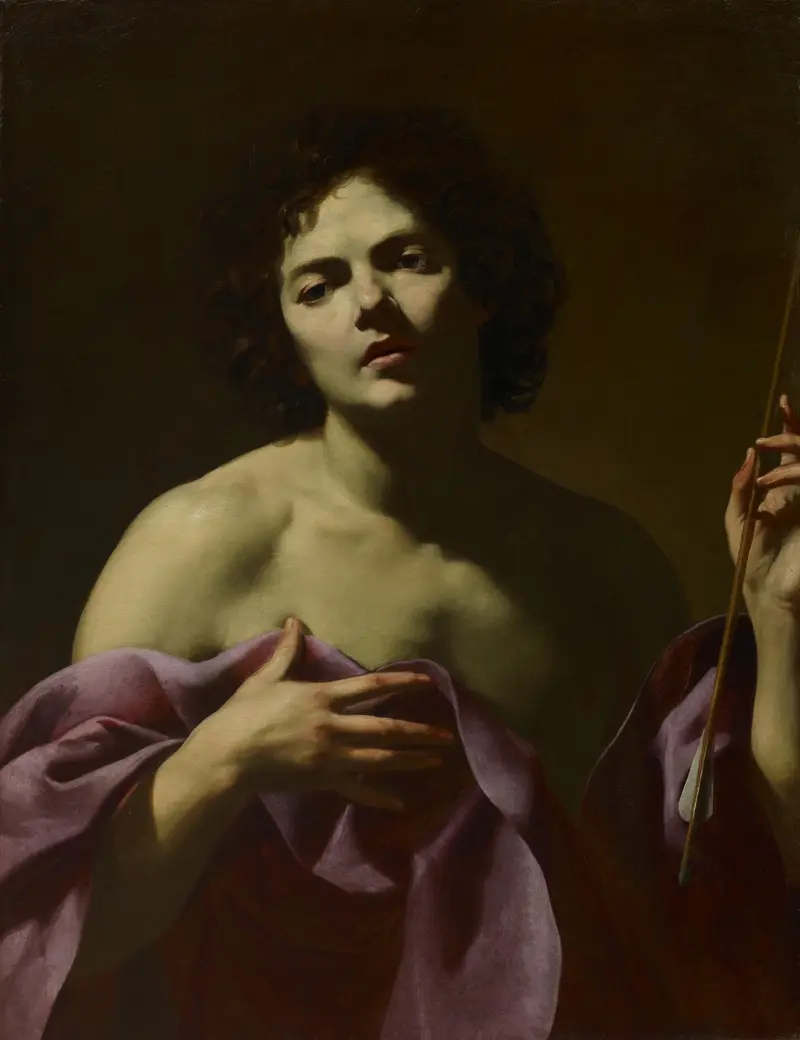
Saint Sebastian
Simon Vouet
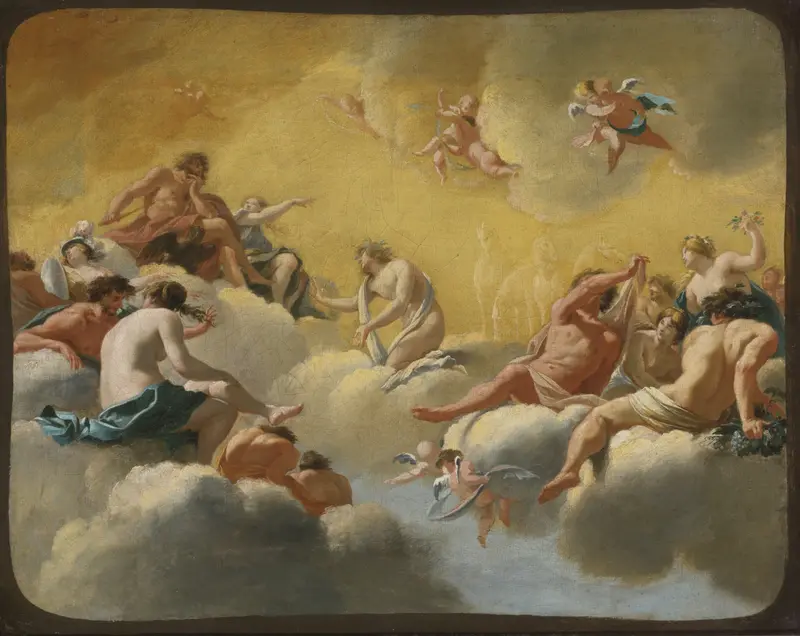
Assembly Of The Gods
Simon Vouet
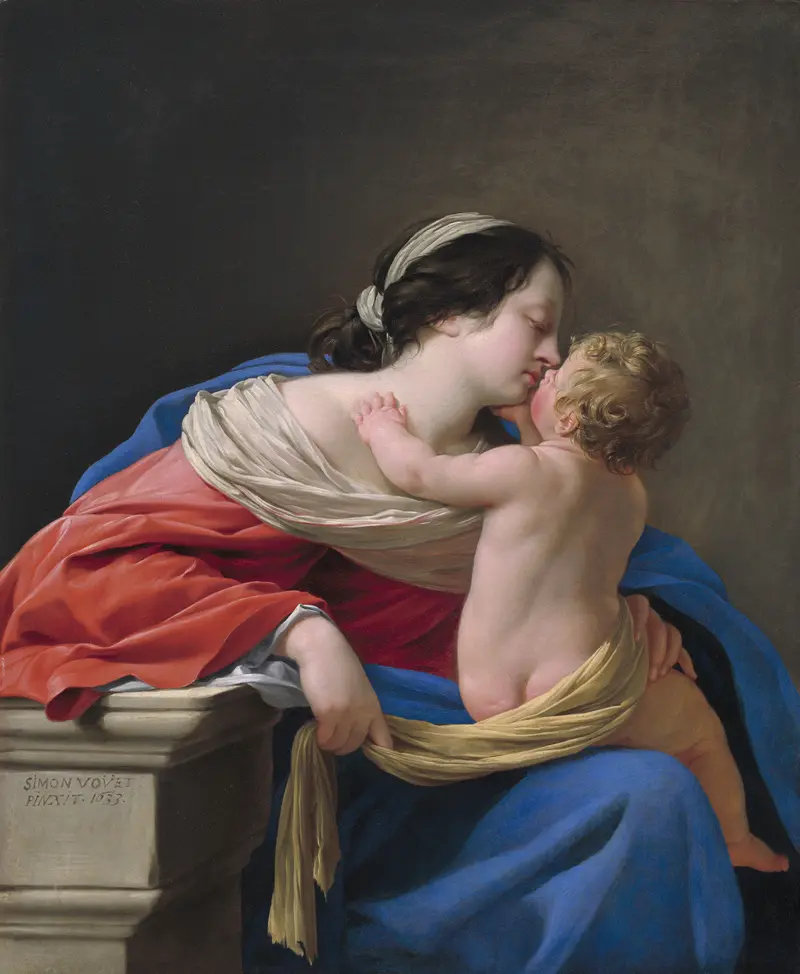
Madonna and Child
Simon Vouet
Holy Family
Simon Vouet





