
Euterpe, The Muse Of Music And Lyric Poetry — History & Facts
When Simon Vouet painted Euterpe, The Muse Of Music And Lyric Poetry, he contributed to a flourishing tradition in 17th-century Europe of celebrating the Muses as allegories of the arts and intellect. The work is particularly intriguing because it is one of several depictions of the Muses Vouet produced, likely for a learned patron eager to display both taste and erudition. While the exact date and commissioner remain uncertain, the painting stands out for its blend of French courtly elegance with the dramatic light and color Vouet absorbed in Italy.
This synthesis marked Vouet’s return to Paris after his years in Rome, where he helped introduce the Baroque style to France. The canvas captures Euterpe at a moment of serene inspiration, her gaze lifted as if listening to music only she can hear. In classical myth, Euterpe is the Muse who presides over music and lyric poetry, and Vouet signals her identity through the presence of a flute, an attribute closely tied to her since antiquity. The gentle fall of light across her face and hands highlights her contemplative mood, while the flowing drapery and laurel wreath suggest both grace and intellectual triumph.
Compared to the more austere Euterpe by Nicolas Poussin, Vouet’s Muse is softer, more sensuous, and less remote, reflecting the Parisian taste for charm and immediacy. The precise journey of this painting is unclear, as is often the case with works from Vouet’s circle, but its style points to a period soon after his return to France in 1627, when he became the leading painter at the court of Louis XIII. Paintings like this were highly sought after by collectors who wanted to align themselves with the ideals of learning and the arts. Today, Euterpe, The Muse Of Music And Lyric Poetry is recognized as a key example of Vouet’s ability to blend Italian dynamism with French refinement, a hallmark that would shape French painting for decades.
Its survival and continued admiration attest to the enduring appeal of both the Muse herself and Vouet’s vision of her.
More Artworks by Simon Vouet

Portrait of Louis XIII
Simon Vouet
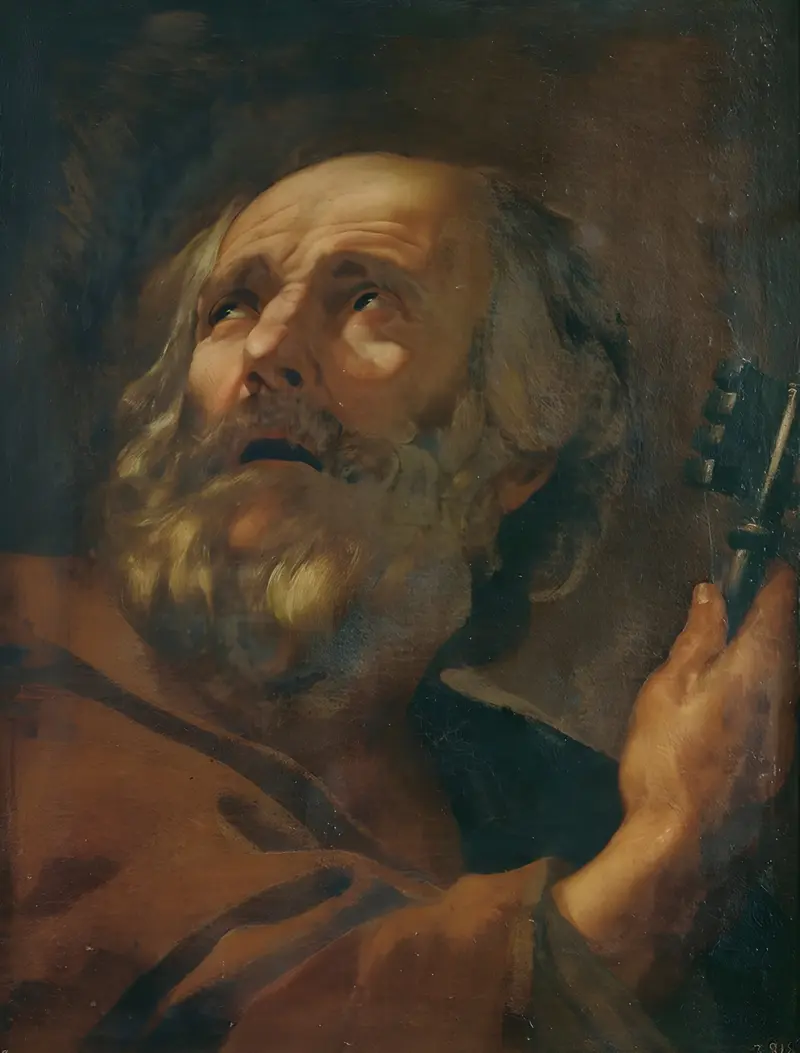
Saint Peter
Simon Vouet
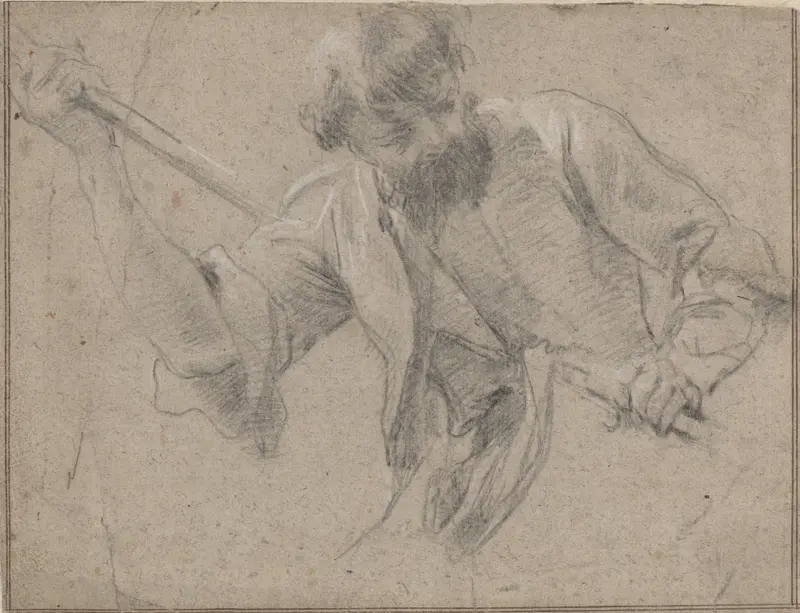
A Bearded Man with a Staff
Simon Vouet
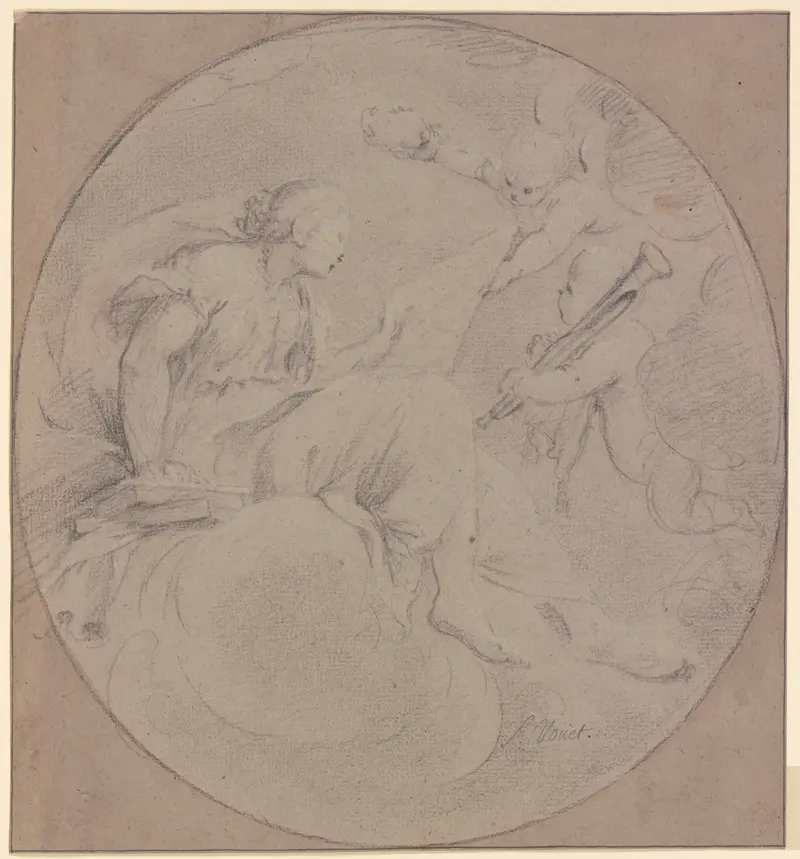
Die Muse der Musik mit zwei Genien, deren einer eine Trompete trägt
Simon Vouet
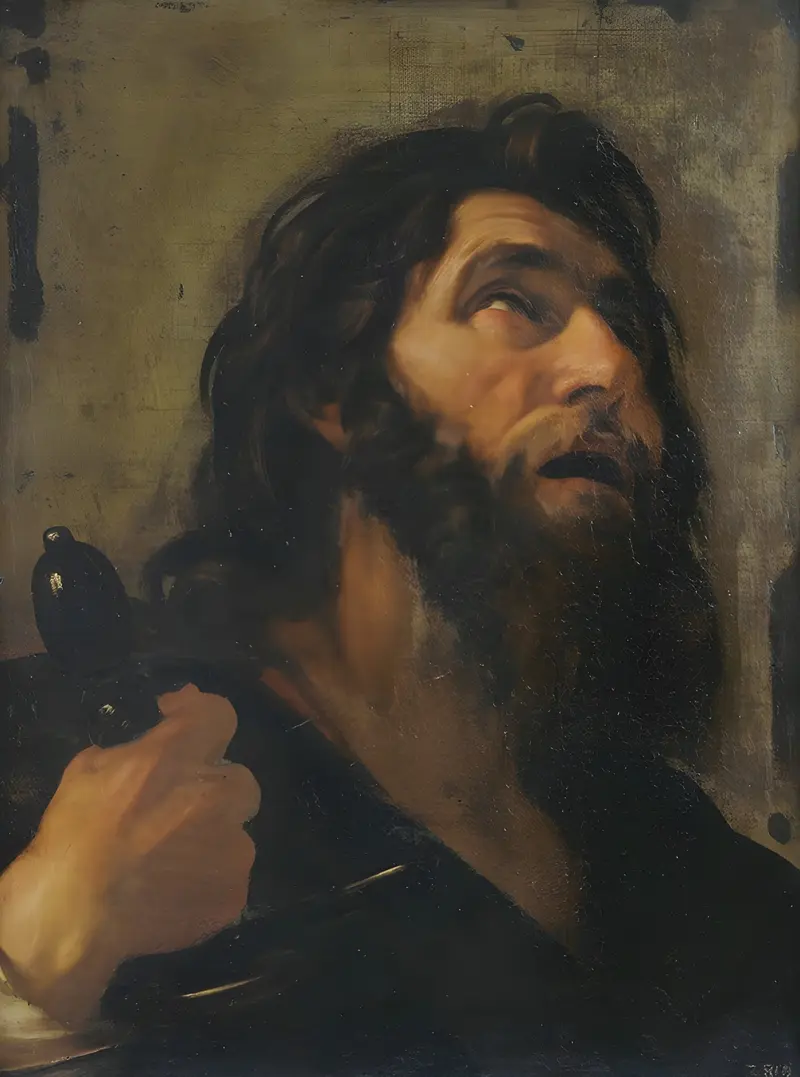
Saint Paul
Simon Vouet
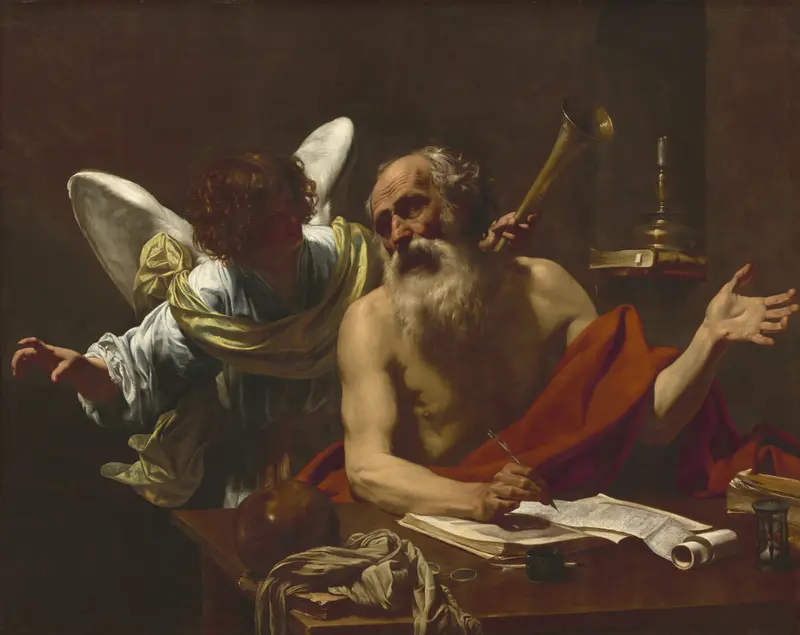
Saint Jerome and the Angel
Simon Vouet
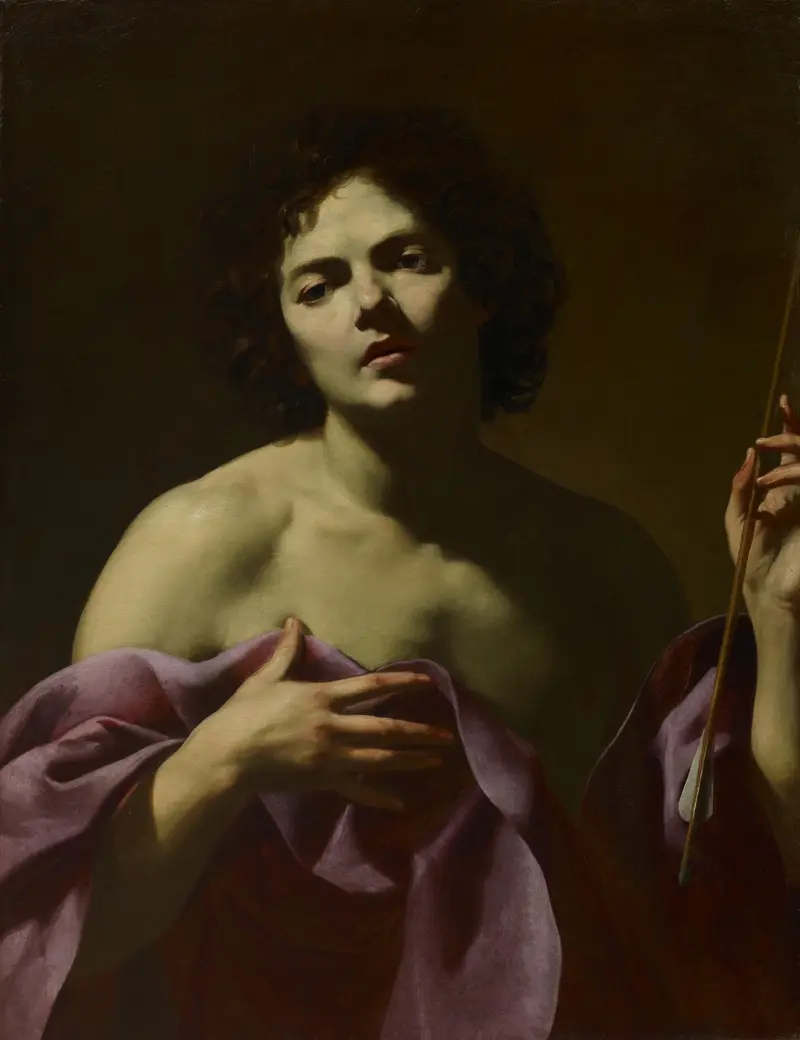
Saint Sebastian
Simon Vouet
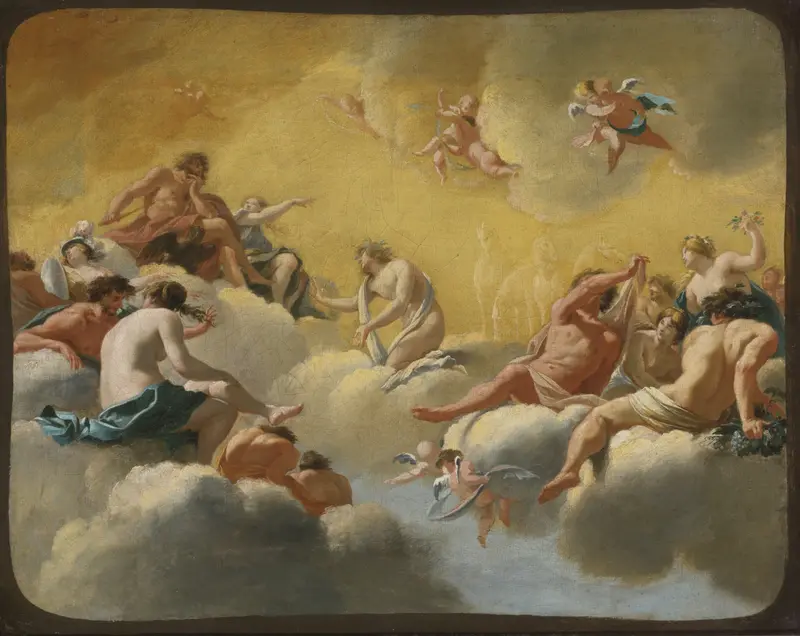
Assembly Of The Gods
Simon Vouet
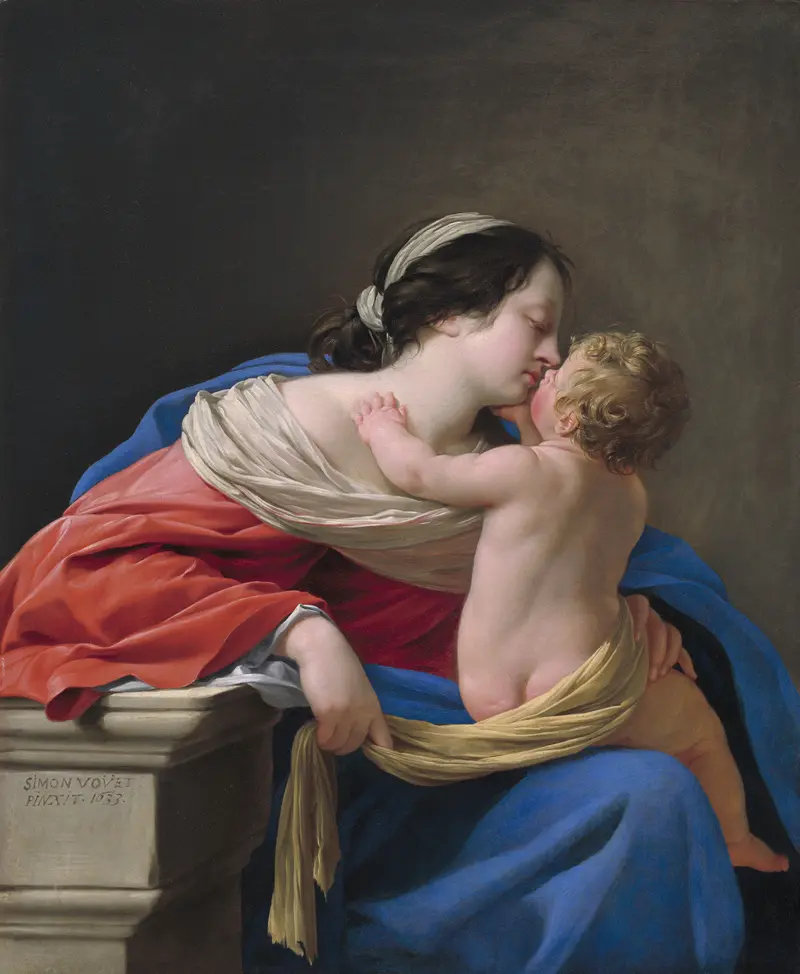
Madonna and Child
Simon Vouet
Holy Family
Simon Vouet





