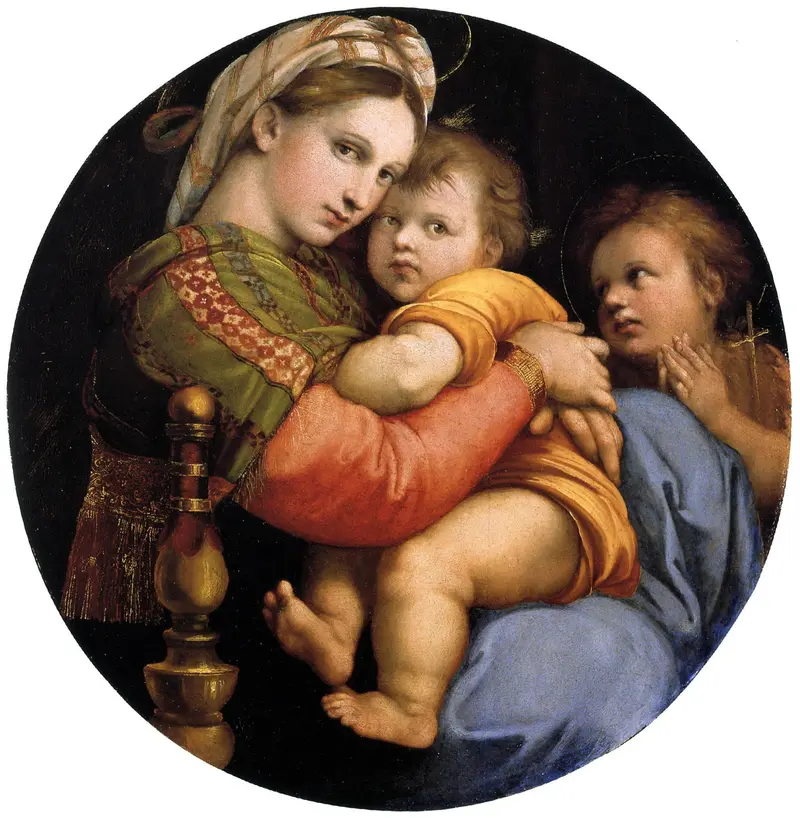
Saint Peter — History & Facts
Few saints in Western art are as instantly recognizable as Saint Peter, and few artists of the early seventeenth century were as influential as Simon Vouet. This painting stands out because it marks Vouet’s return to France after his formative years in Italy, where he absorbed the dramatic lighting and realism of Caravaggio’s followers. While the exact date and commission of Saint Peter remain uncertain, its style situates it at a turning point in Vouet’s career, when he was introducing the tenebrism and emotional immediacy of the Italian Baroque to French painting. Vouet captures Peter at a moment of humility and reflection, likely after his denial of Christ—a story familiar to any viewer of Christian art.
The saint’s broad, weathered face is turned upward, his eyes moist with regret, his hands clutching a heavy iron key: the symbol of his role as gatekeeper of Heaven. The rough, earth-toned robe and the play of light across Peter’s forehead and hands recall the realism of Caravaggio’s Saint Peter Penitent, but Vouet tempers the drama with a gentler, more forgiving atmosphere. The background recedes into darkness, focusing all attention on the apostle’s inner turmoil and hope for forgiveness. The painting’s early history is unclear, as is often the case with Vouet’s works before his appointment as First Painter to the King of France in 1627.
It likely belonged to a private French collection, serving as both devotional object and demonstration of the artist’s Italianate style. Over time, Saint Peter has become a touchstone for scholars tracing the spread of Baroque aesthetics into France, and it now hangs in a major museum, a testament to Vouet’s role as a bridge between two artistic worlds. Its attribution to Vouet is widely accepted, though the lack of documentation leaves room for ongoing scholarly discussion.
More Artworks by Simon Vouet

Portrait of Louis XIII
Simon Vouet
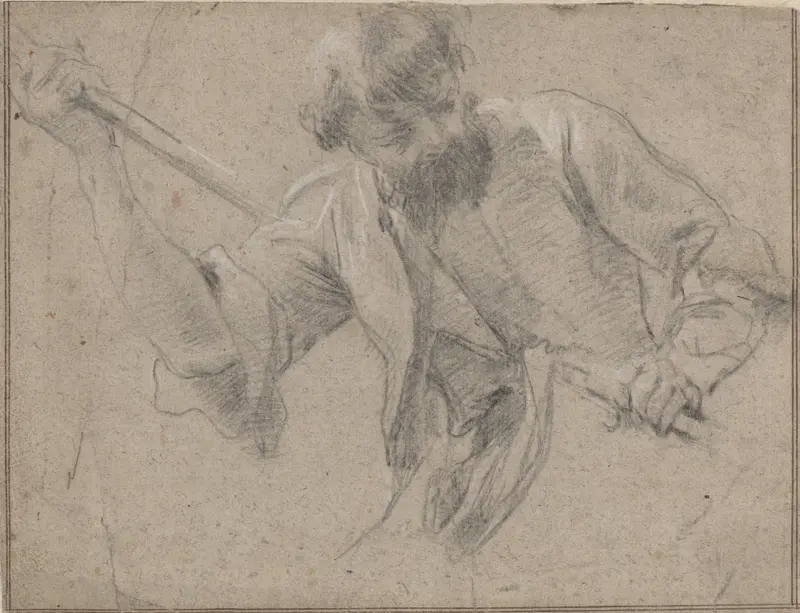
A Bearded Man with a Staff
Simon Vouet
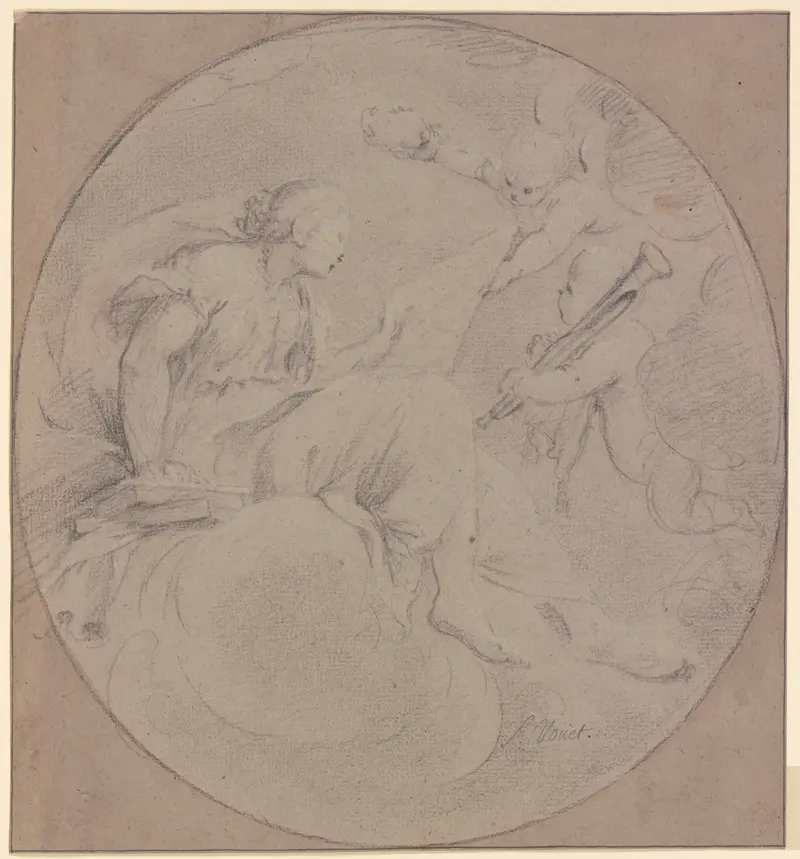
Die Muse der Musik mit zwei Genien, deren einer eine Trompete trägt
Simon Vouet
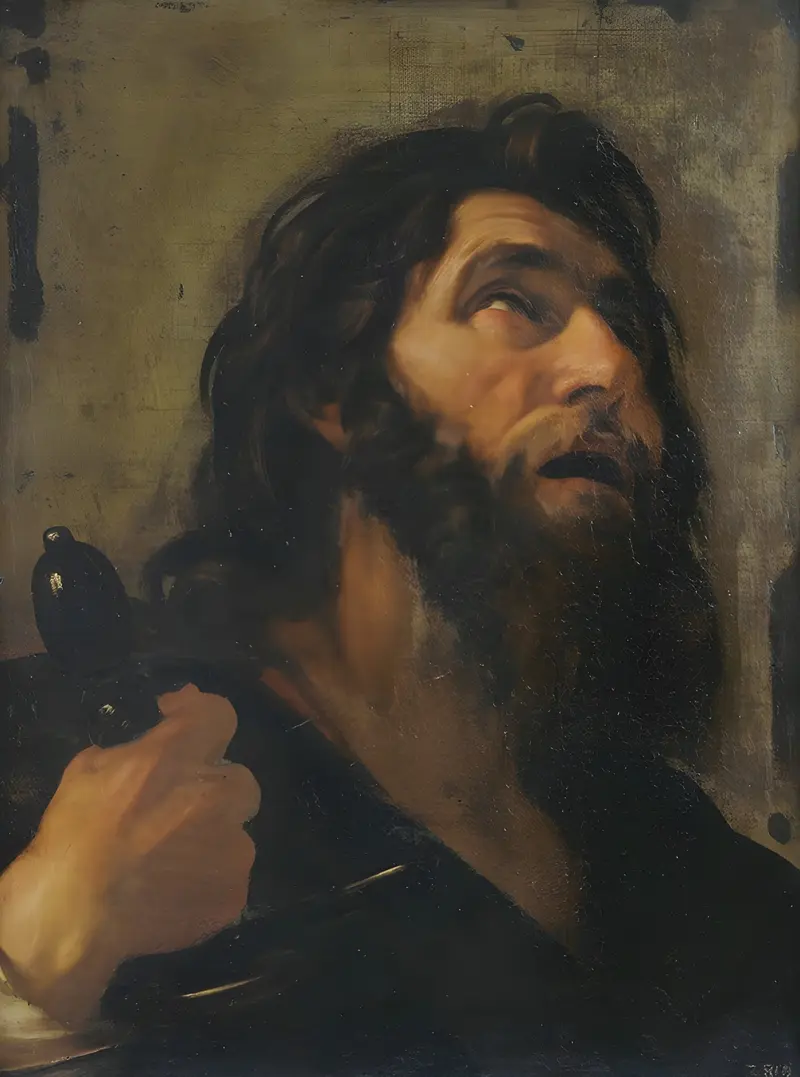
Saint Paul
Simon Vouet
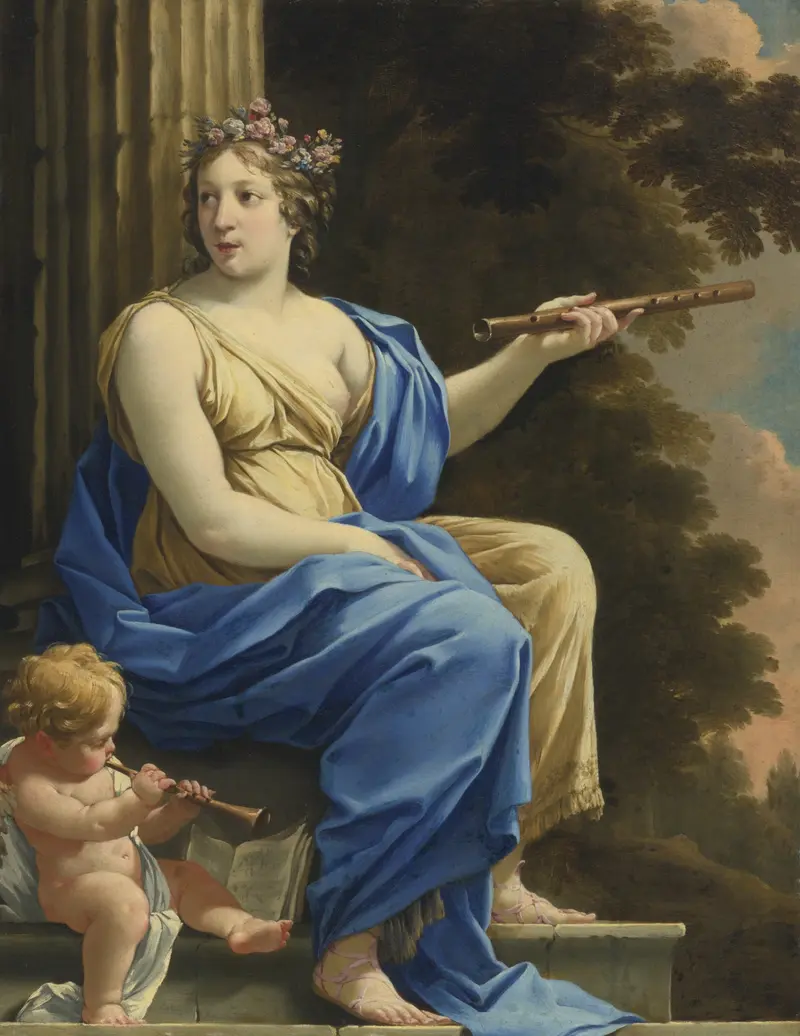
Euterpe, The Muse Of Music And Lyric Poetry
Simon Vouet
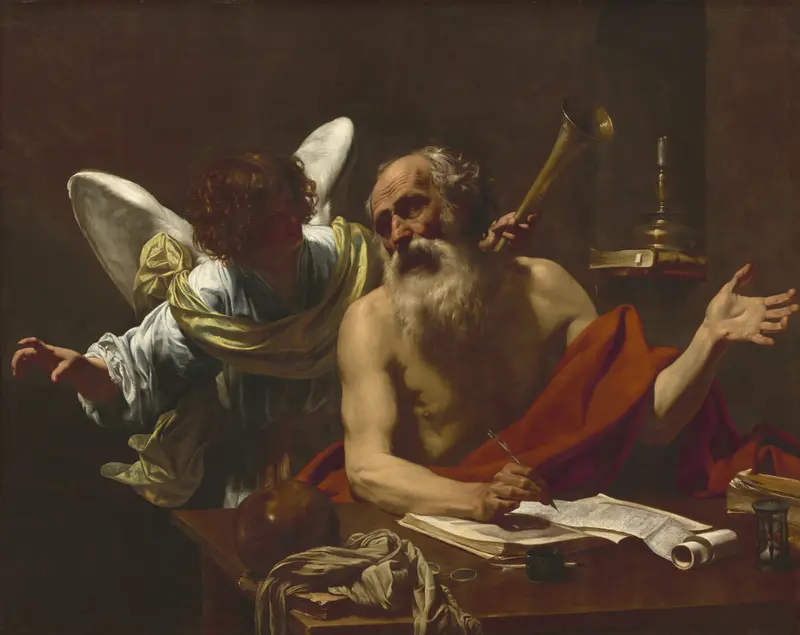
Saint Jerome and the Angel
Simon Vouet
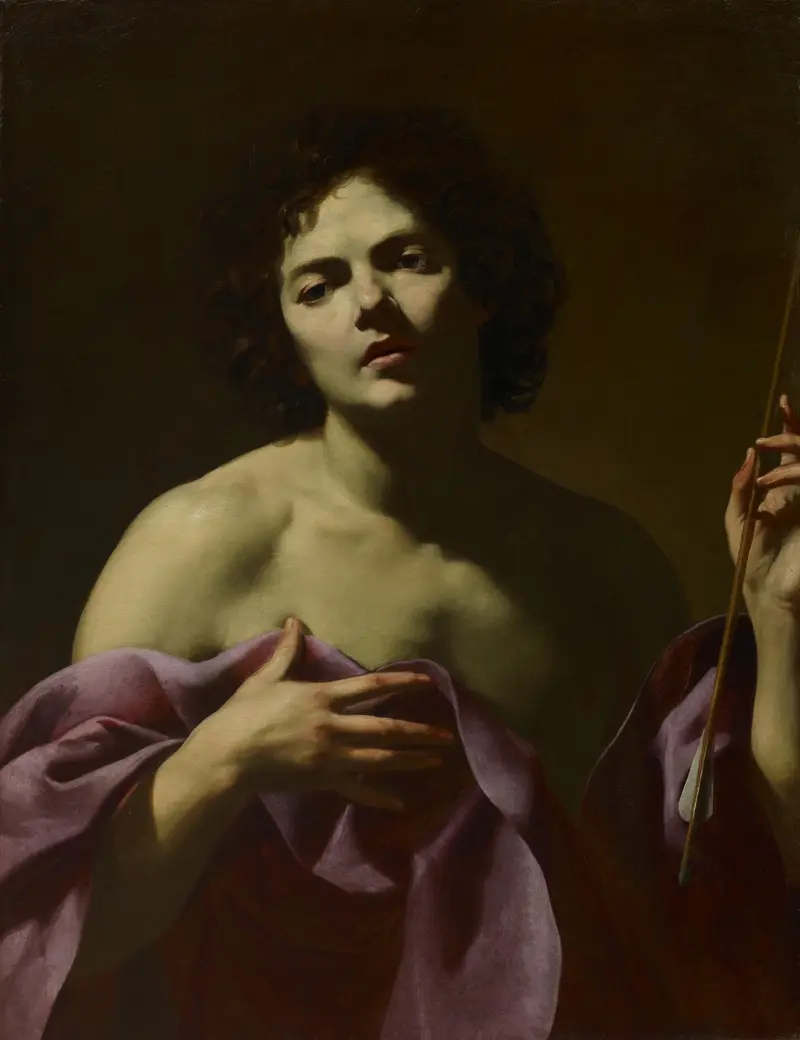
Saint Sebastian
Simon Vouet
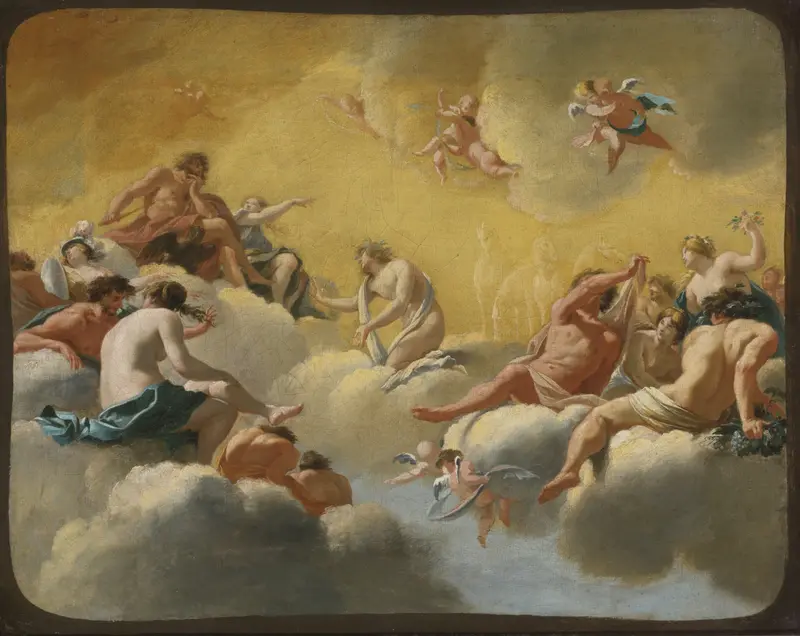
Assembly Of The Gods
Simon Vouet
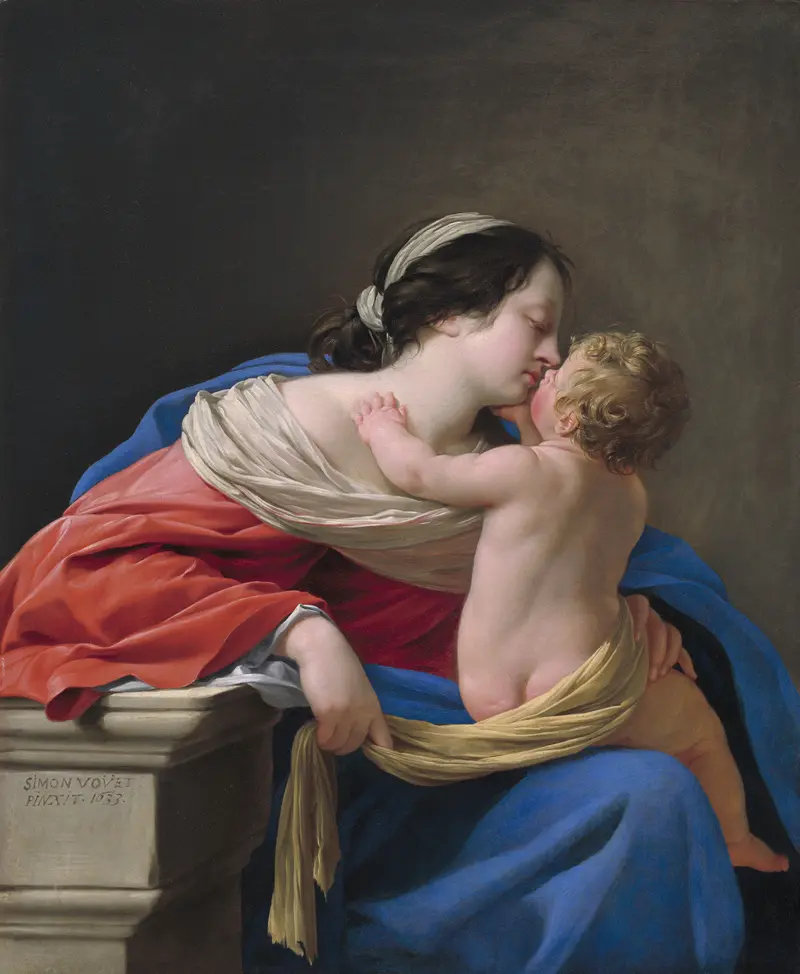
Madonna and Child
Simon Vouet
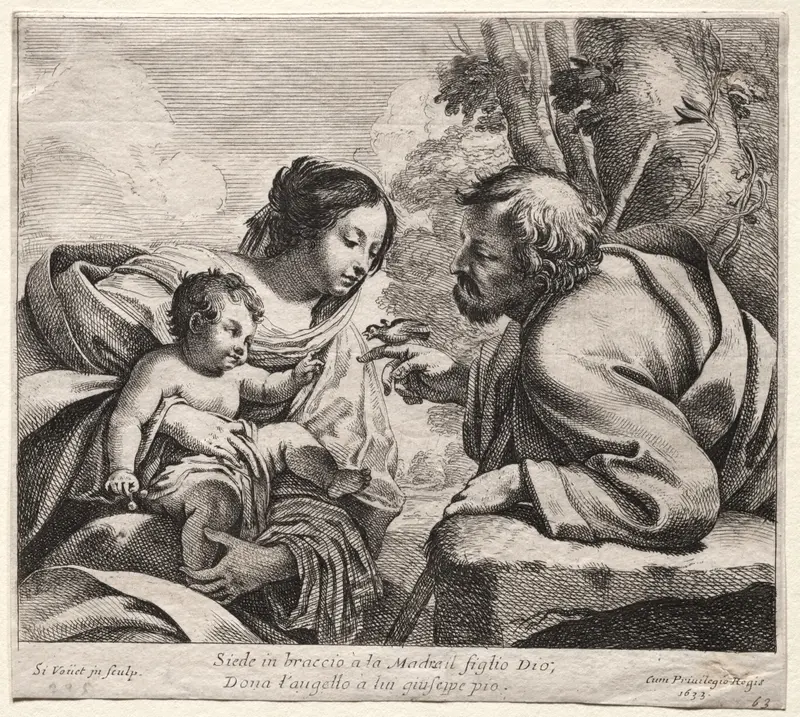
Holy Family
Simon Vouet