
Portrait of Louis XIII — History & Facts
When Simon Vouet arrived at the French court in 1627, he was already a celebrated painter, freshly returned from Rome and charged with bringing the grandeur of the Italian Baroque to Paris. His appointment as First Painter to King Louis XIII marked a turning point in French art, and it was during these years that he created his Portrait of Louis XIII. The painting stands as one of the earliest images to shape the king’s official iconography, signaling a new era in royal portraiture that would influence generations.
The precise date and circumstances of its commission remain uncertain, but Vouet’s close ties to Cardinal Richelieu and the royal family suggest it was meant to project both majesty and modernity. Louis XIII appears at the height of his power, his gaze direct and assured, clad in rich fabrics and the blue sash of the Order of the Holy Spirit. Vouet captures the monarch not in battle or ceremony, but in a poised, almost contemplative moment, his hand resting lightly on the hilt of his sword—a subtle reminder of authority. The play of light across the satin doublet and the careful rendering of lace and jewels serve not only as a testament to Vouet’s technical skill but also as symbols of the king’s wealth and divine right.
Unlike the more distant, formal portraits by Philippe de Champaigne, Vouet’s Louis seems closer, more immediate, embodying the new French style that balanced grandeur with intimacy. The painting’s later history is less well documented. It is likely that it remained within the royal collections, admired by courtiers and copied by other artists seeking to capture the king’s likeness. Over the centuries, as tastes shifted and the monarchy fell, the portrait’s whereabouts became uncertain, with some scholars suggesting it was separated from its original frame or setting.
Today, the work is recognized as a key example of Vouet’s influence on French portraiture, bridging the Italian Baroque and the emerging classicism of the French court. Its survival offers a rare glimpse into the image-making of absolute monarchy at a moment of artistic transformation.
More Artworks by Simon Vouet
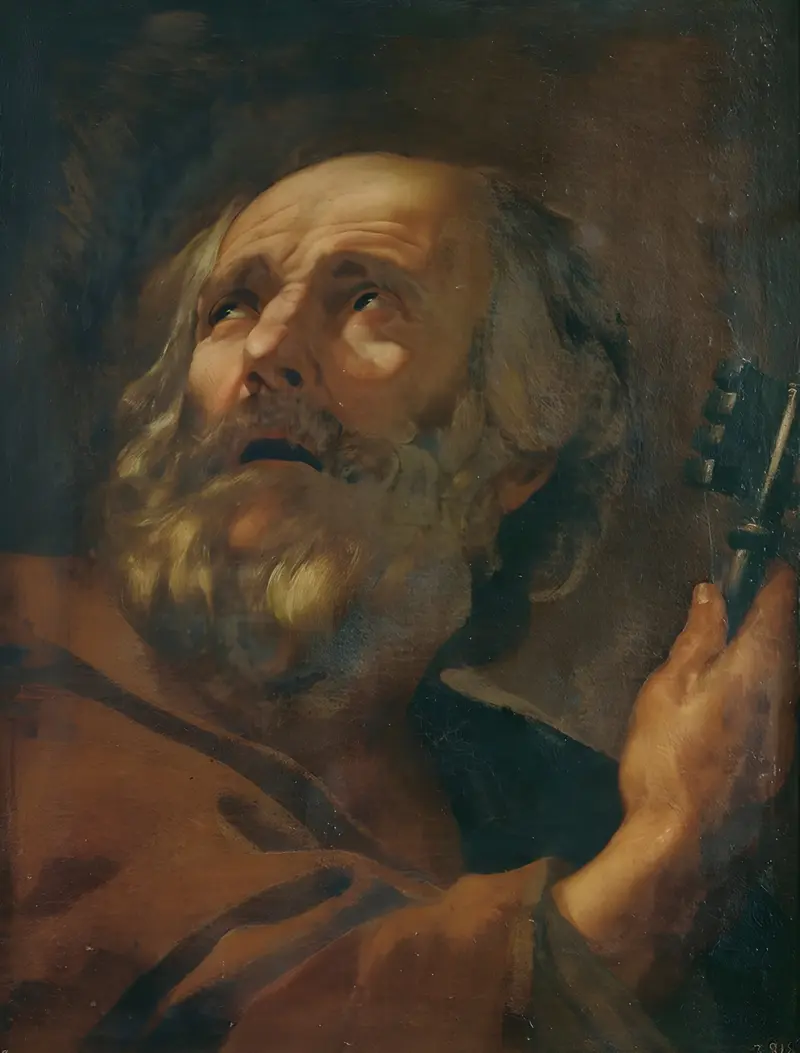
Saint Peter
Simon Vouet
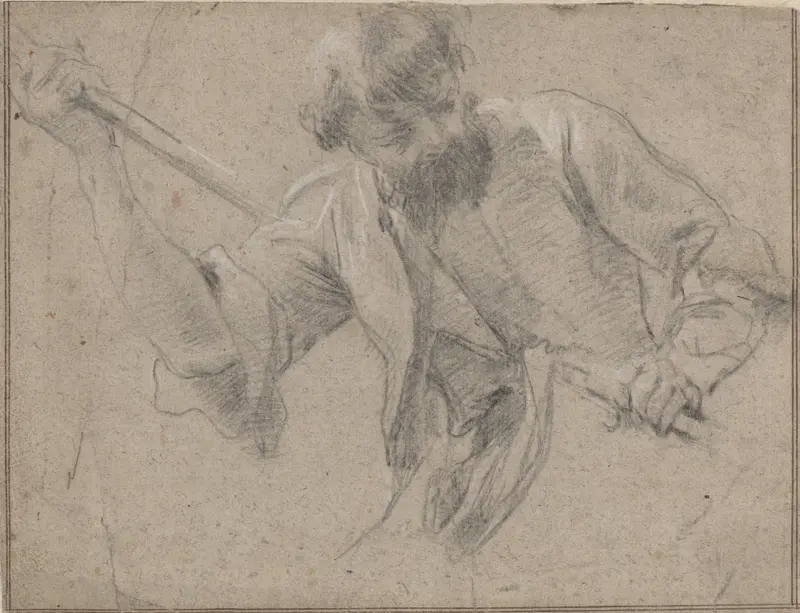
A Bearded Man with a Staff
Simon Vouet
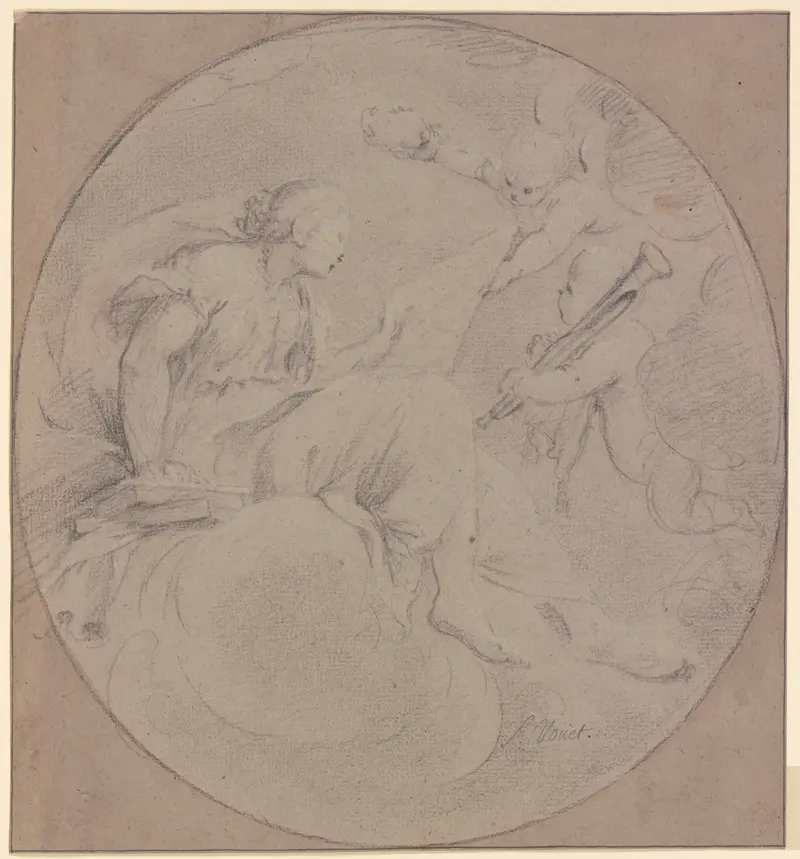
Die Muse der Musik mit zwei Genien, deren einer eine Trompete trägt
Simon Vouet
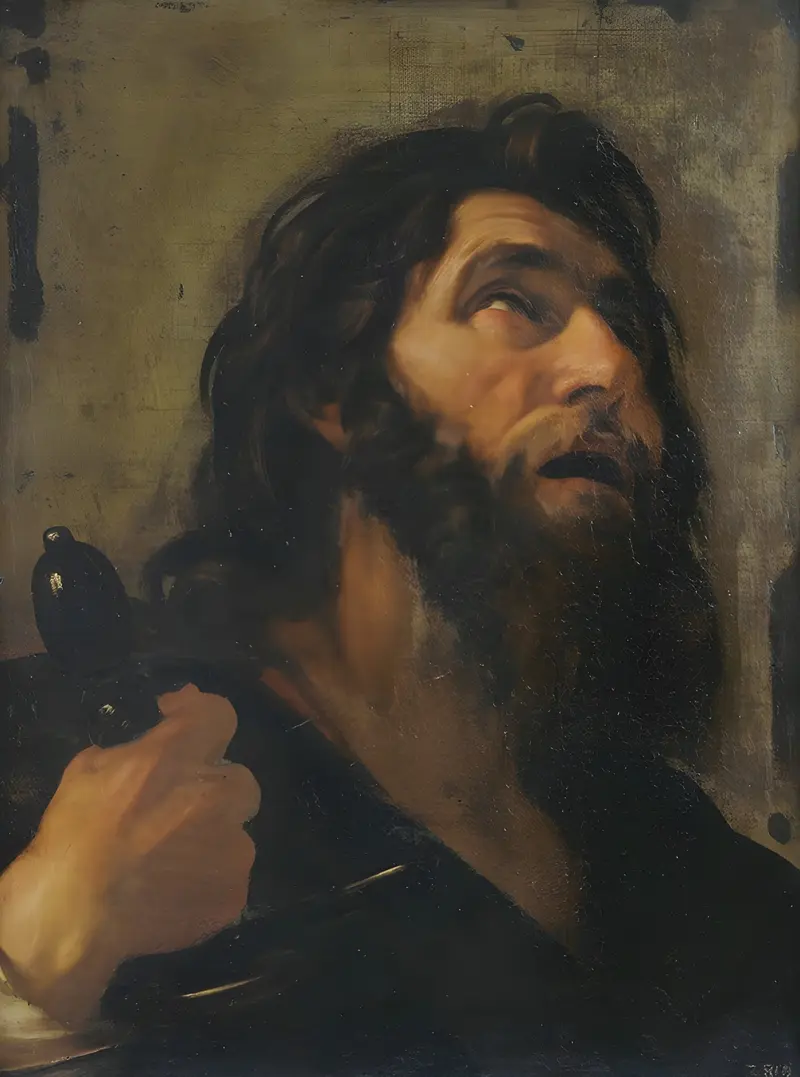
Saint Paul
Simon Vouet
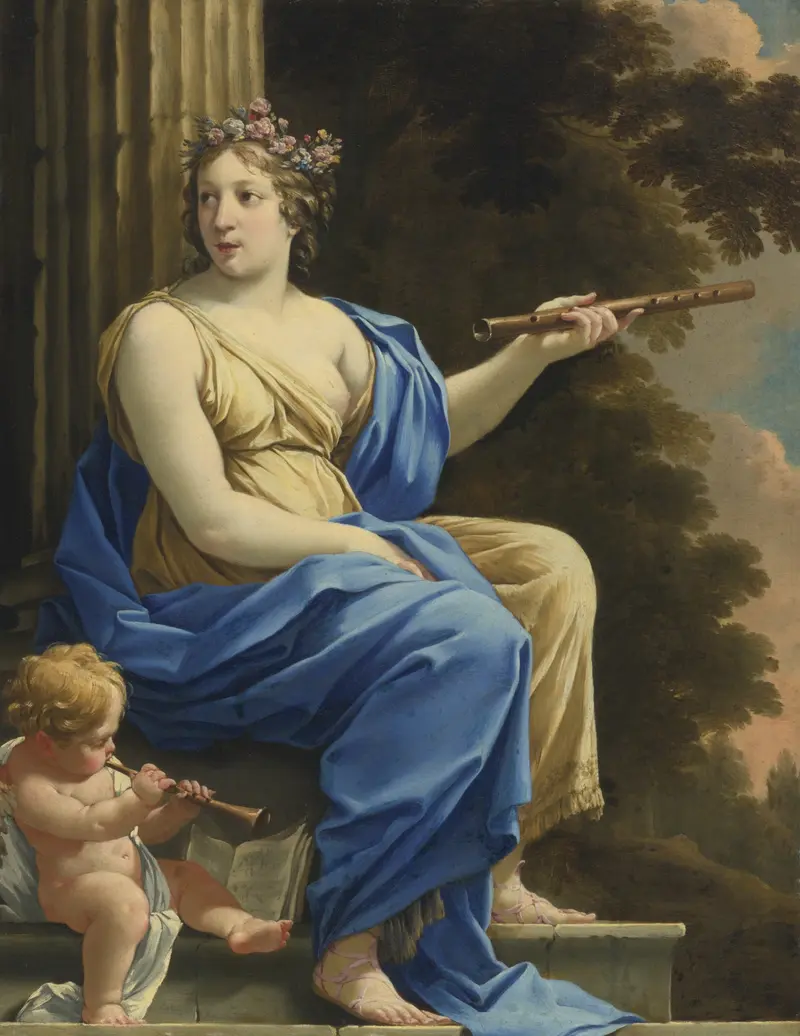
Euterpe, The Muse Of Music And Lyric Poetry
Simon Vouet
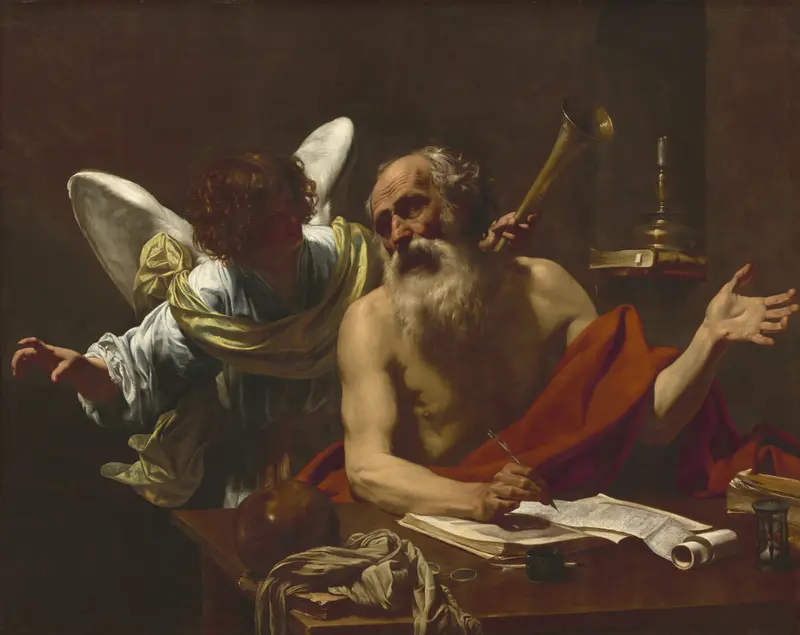
Saint Jerome and the Angel
Simon Vouet
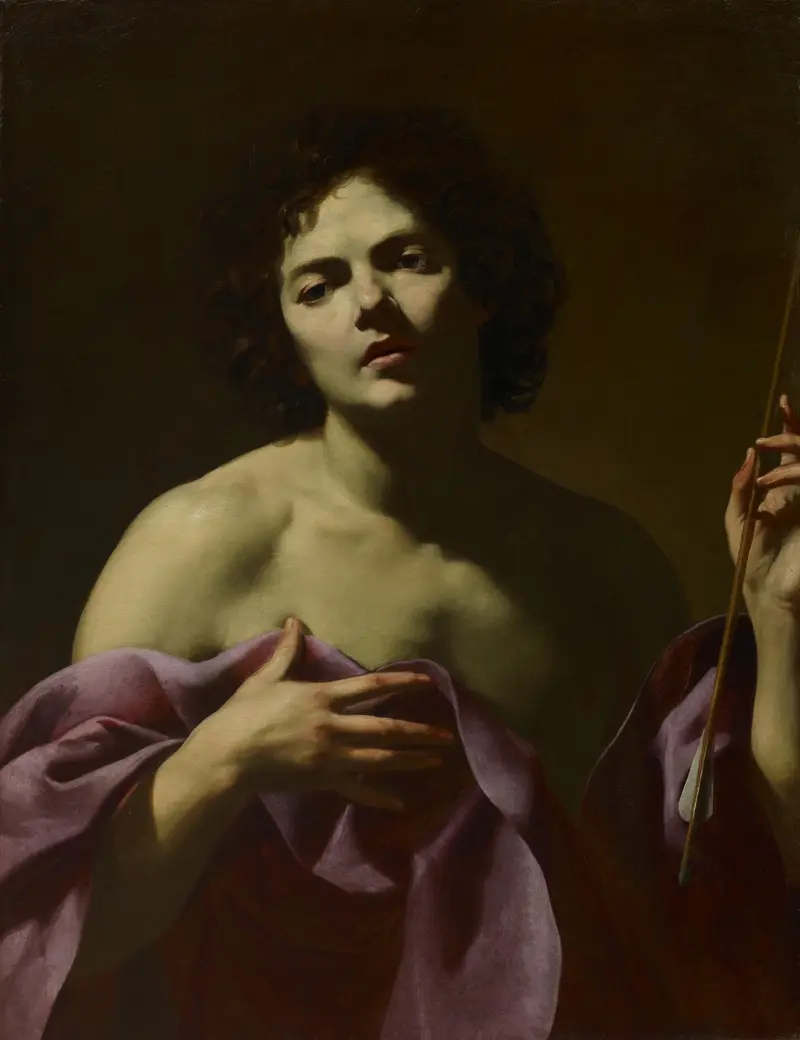
Saint Sebastian
Simon Vouet
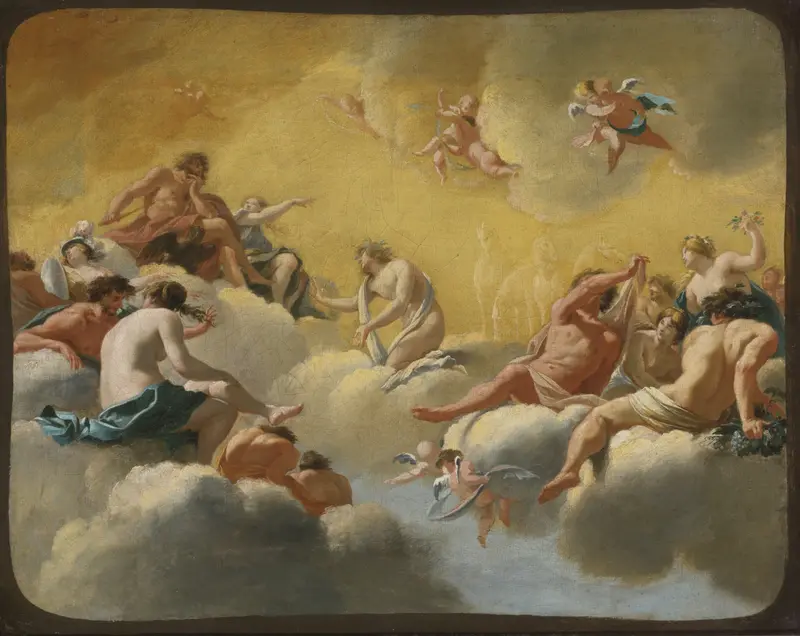
Assembly Of The Gods
Simon Vouet
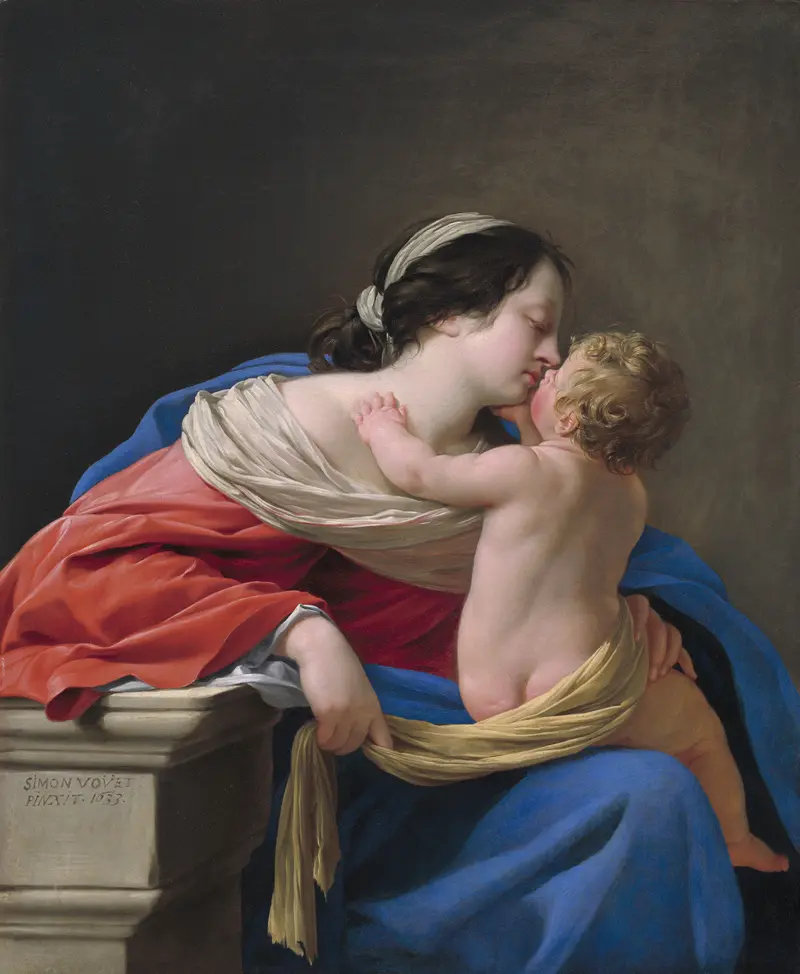
Madonna and Child
Simon Vouet
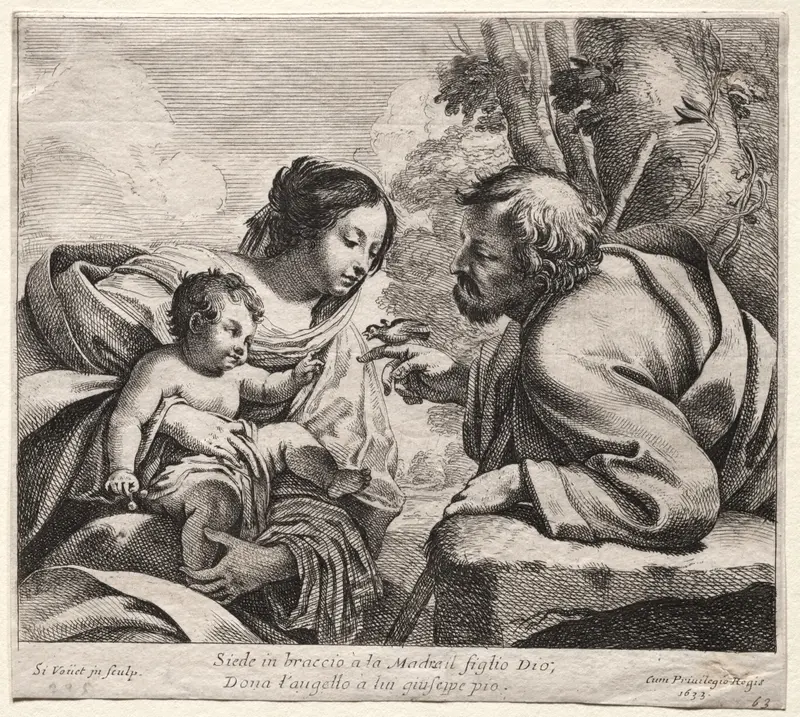
Holy Family
Simon Vouet





