
Saint Sebastian — History & Facts
Few saints have inspired as many artists as Sebastian, but Simon Vouet’s Saint Sebastian stands out for its blend of drama and sensuality, a combination that helped define the French Baroque. Vouet, having just returned from Italy where he absorbed the lessons of Caravaggio and the Roman school, brought to France a new vision of religious painting—one that shocked and enthralled his contemporaries. The painting’s precise date and commission remain uncertain, but it is often cited as a key example of Vouet’s early French period, when he was at the height of his powers and influence. The scene captures the young Roman officer at the very moment of his martyrdom: bound to a tree, his body pierced by arrows, yet his gaze lifted heavenward in serene acceptance.
Vouet bathes Sebastian’s pale flesh in a shaft of light, contrasting it with the dark, ambiguous background—a clear nod to Caravaggio’s tenebrism. The saint’s loosely draped cloth and exposed torso emphasize both his vulnerability and his beauty, a visual strategy that invites empathy and contemplation. Unlike the more stoic depictions by artists such as Andrea Mantegna, Vouet’s Sebastian is tender, almost languid, his suffering rendered with a delicate sensuality that blurs the line between agony and ecstasy. The exact provenance of Saint Sebastian is unclear, as is often the case with works from Vouet’s prolific workshop.
While some suggest it may have been commissioned for a private chapel or as a devotional image for a noble patron, no definitive records survive. Over the centuries, the painting has been attributed to Vouet with varying degrees of certainty, though its style and technique align closely with his authenticated works from the 1620s and 1630s. Today, the painting is recognized as a crucial link in the spread of Italianate Baroque style to France, marking a pivotal moment in Vouet’s career and in the evolution of French religious art.
More Artworks by Simon Vouet

Portrait of Louis XIII
Simon Vouet
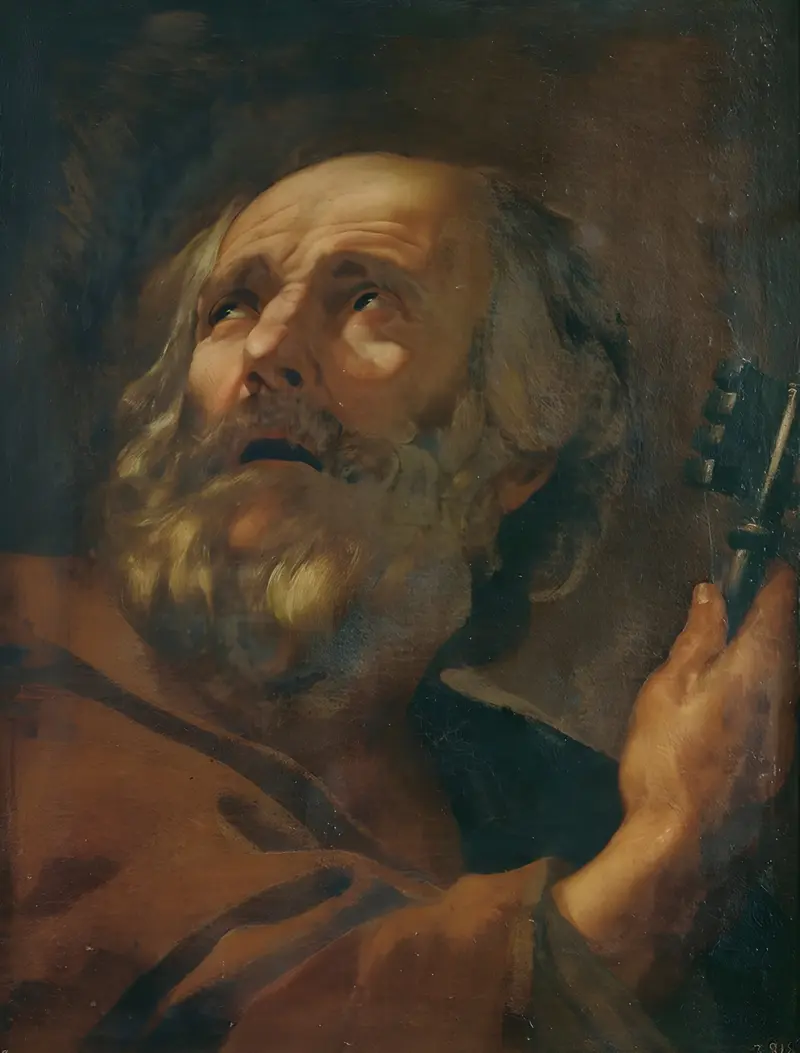
Saint Peter
Simon Vouet
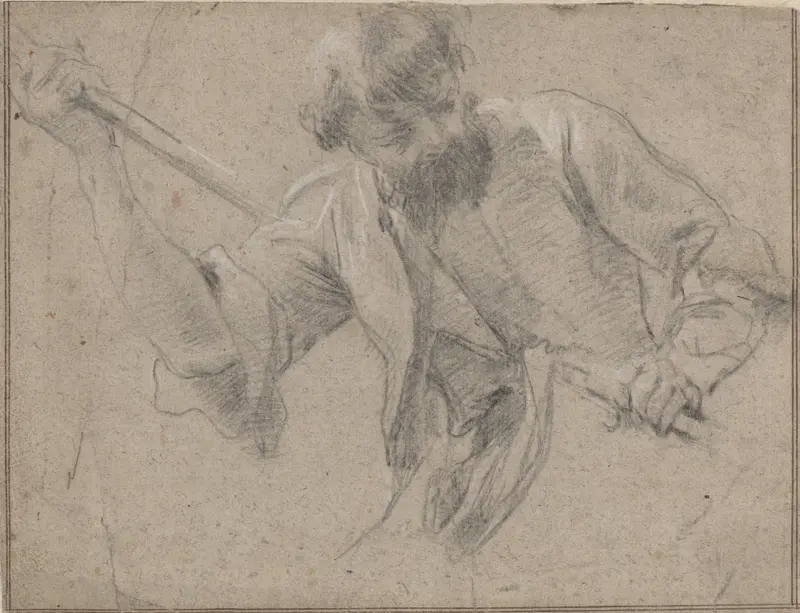
A Bearded Man with a Staff
Simon Vouet
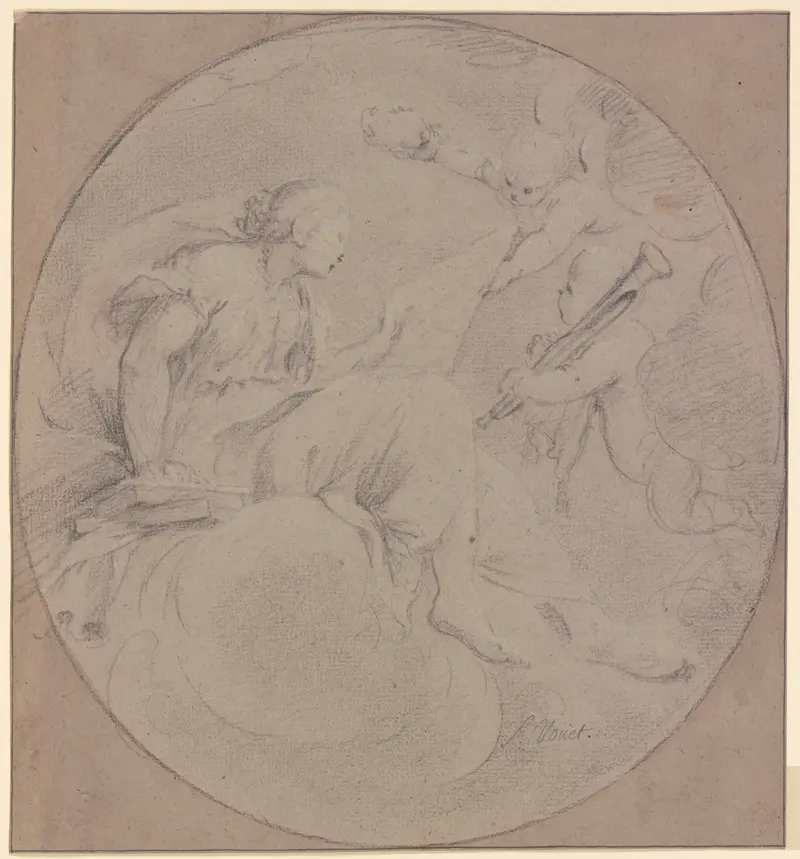
Die Muse der Musik mit zwei Genien, deren einer eine Trompete trägt
Simon Vouet
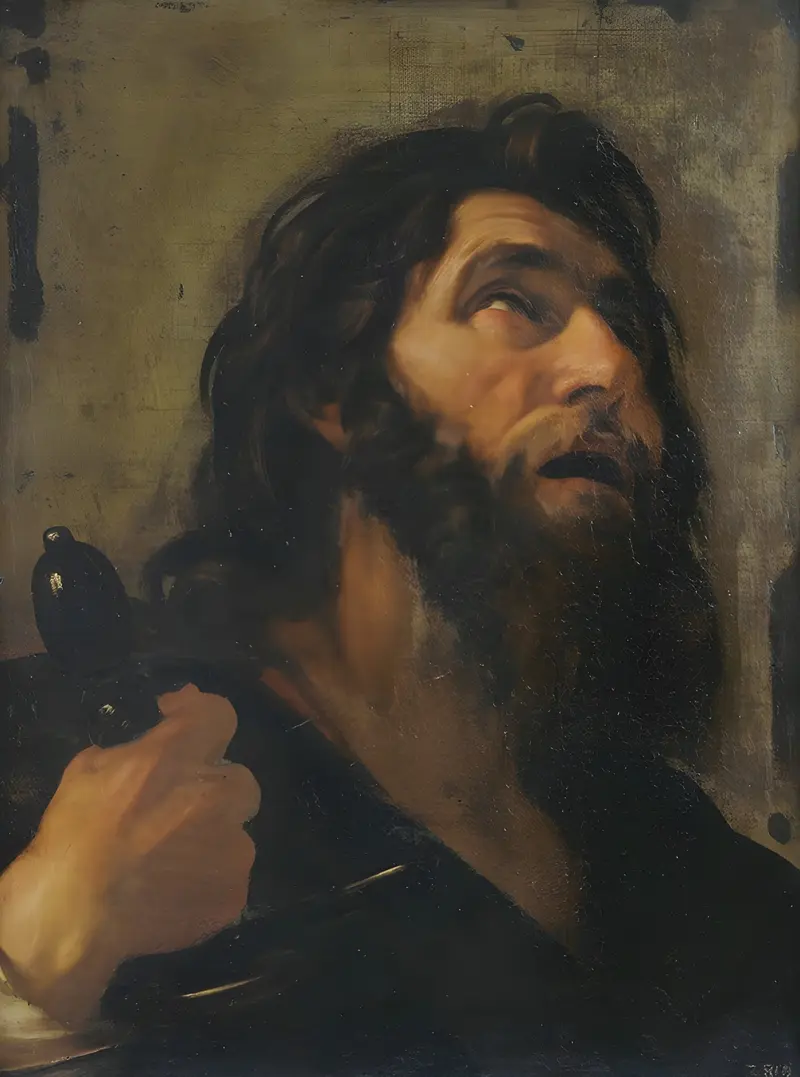
Saint Paul
Simon Vouet
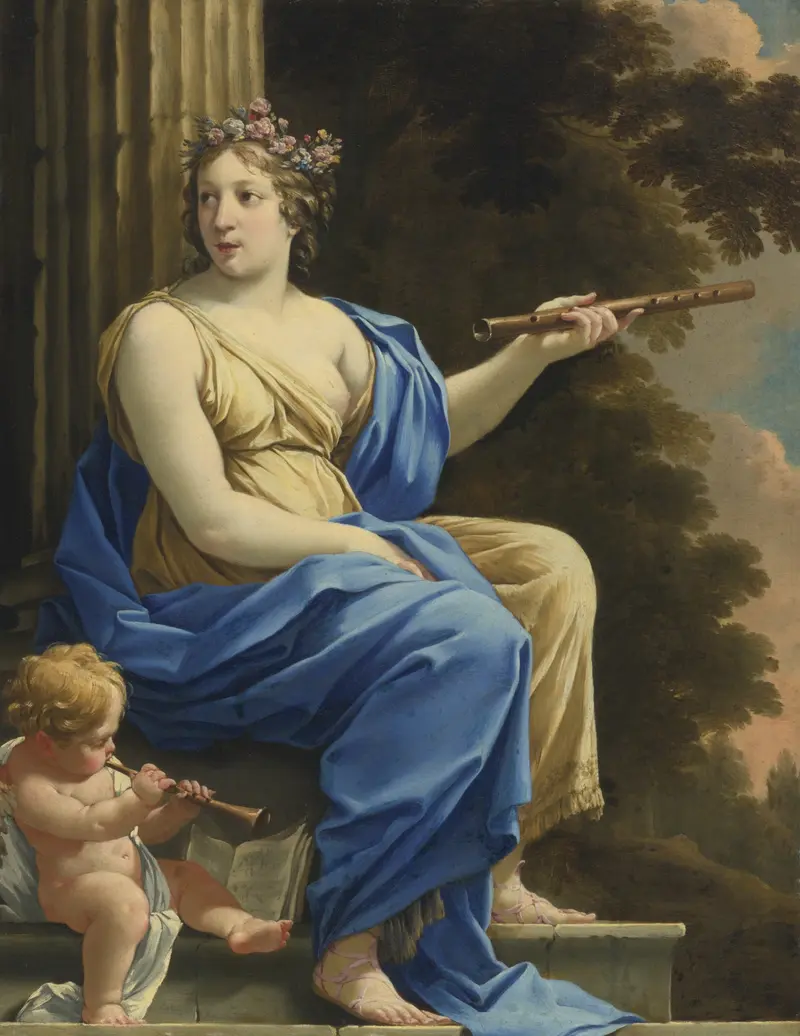
Euterpe, The Muse Of Music And Lyric Poetry
Simon Vouet
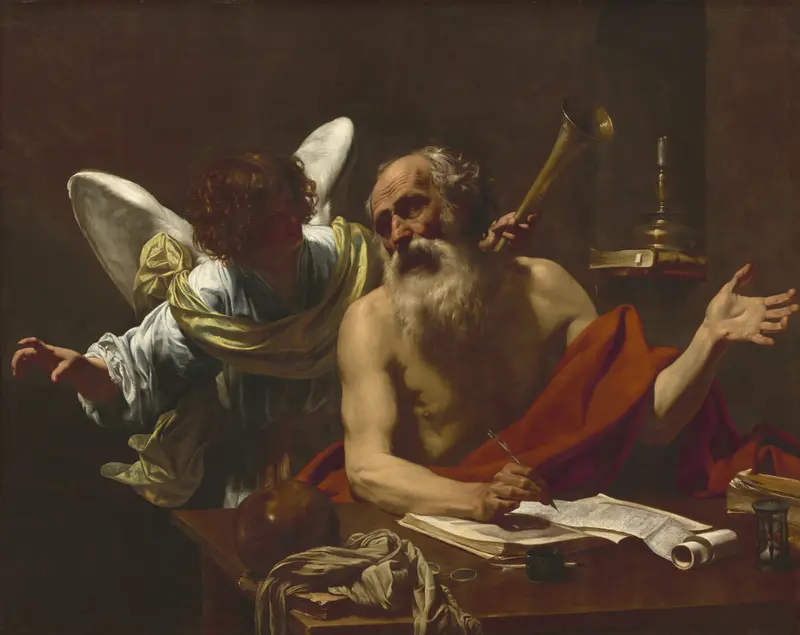
Saint Jerome and the Angel
Simon Vouet
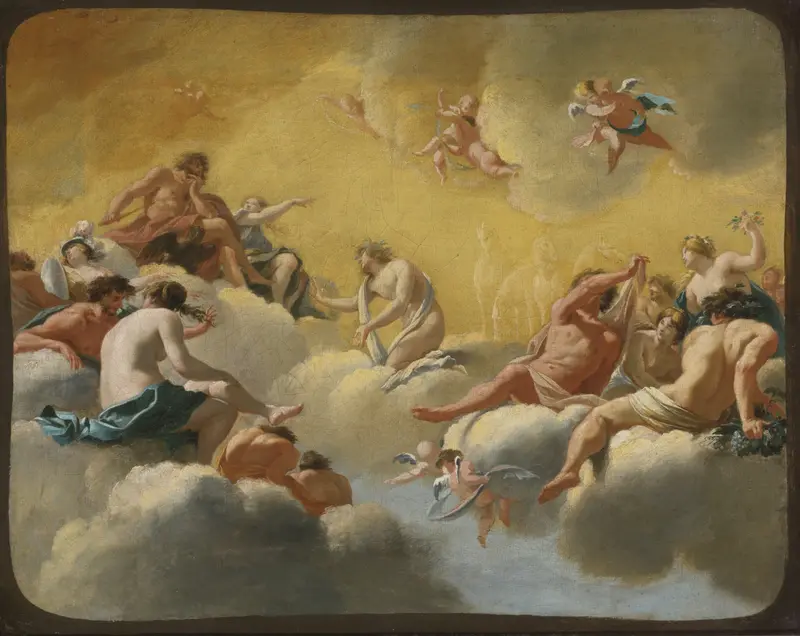
Assembly Of The Gods
Simon Vouet
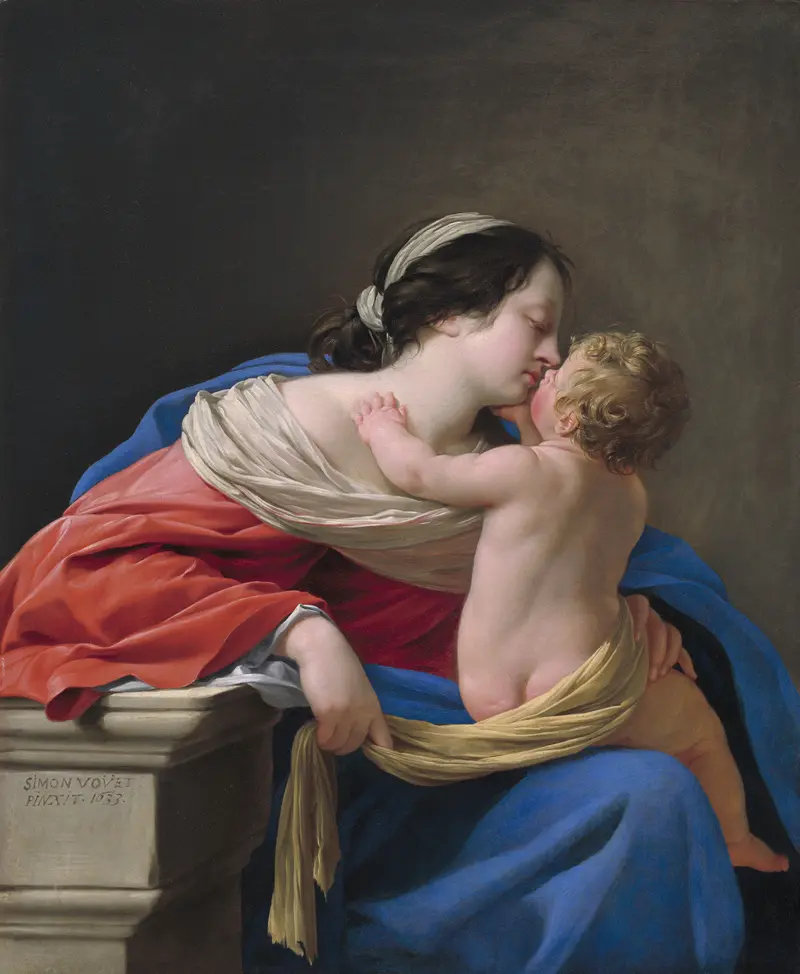
Madonna and Child
Simon Vouet
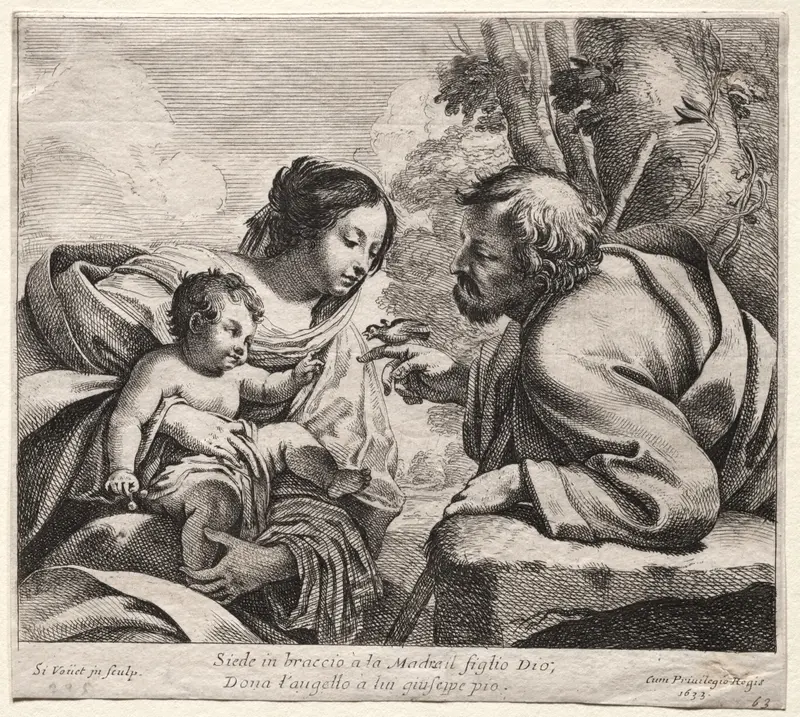
Holy Family
Simon Vouet





