Home sweet home — History & Facts
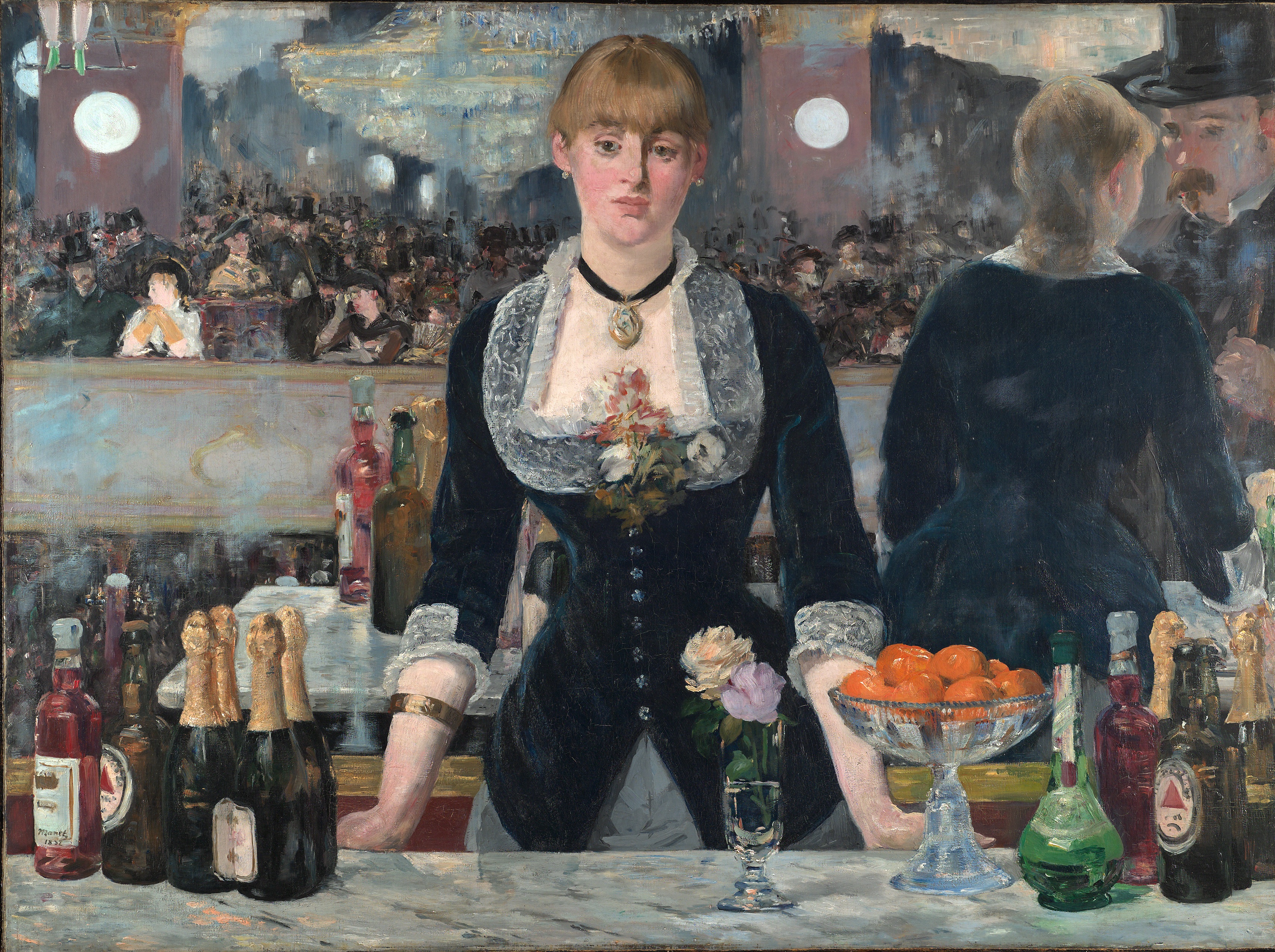
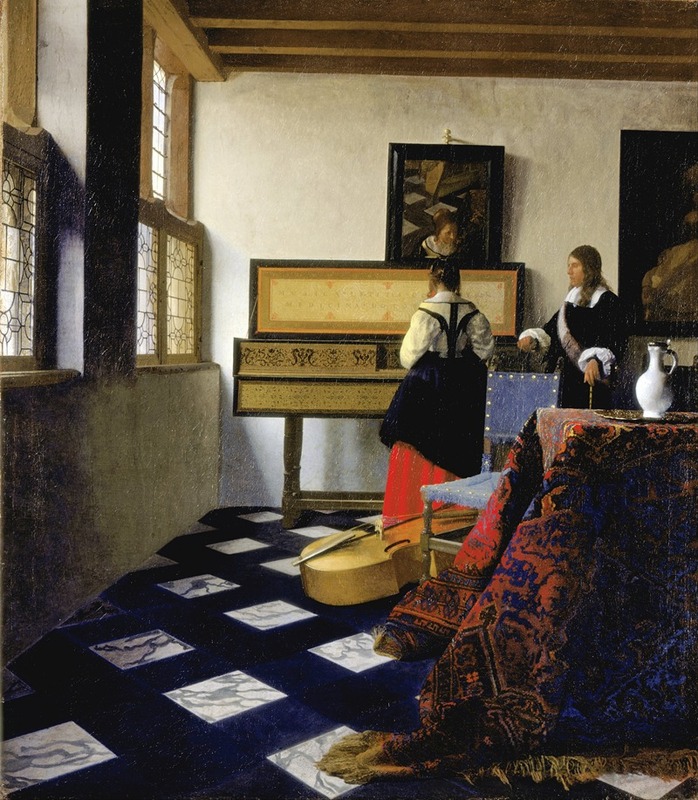
Who listens when art speaks of silence? In Home sweet home, a quiet moment captured resonates with the stillness of a cherished space, inviting viewers to contemplate the echoes of life that linger in an untouched home. Look to the center of the canvas, where a well-worn chair sits in serene solitude. The rich hues of warm browns and gentle ochres evoke a sense of comfort and familiarity, while the soft play of light filtering through a nearby window creates an inviting atmosphere. Notice how the shadows dance subtly around the edges, suggesting both warmth and the passage of time, as if the chair awaits the return of someone dear. The deep contrast between light and shadow hints at the complexities of domestic life—joy intertwined with longing.
The empty chair symbolizes absence, yet its presence suggests the weight of memories that permeate the space. Each detail, from the delicate patterns on the fabric to the dust motes suspended in air, speaks of a life once lived, drawing the viewer into a reflective silence where they must confront their own connections to home and belonging. James Fuller Queen painted this evocative piece in 1871, a time when the art world was shifting towards realism and the exploration of everyday moments. Living in Philadelphia, Queen was part of a burgeoning artistic community that sought to convey genuine emotion through the simplicity of domestic settings.
The tranquil essence of Home sweet home captures not just a scene, but the profound stillness that resides in the heart of familiarity.
More Artworks by James Fuller Queen
Browse all →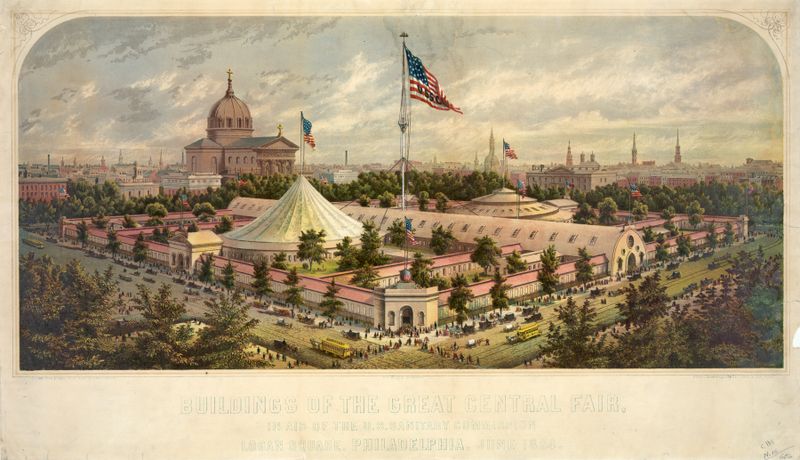
Buildings of the Great Central Fair, in aid of the U.S. Sanitary Commission, Logan Square, Philadelphia, June 1864
James Fuller Queen
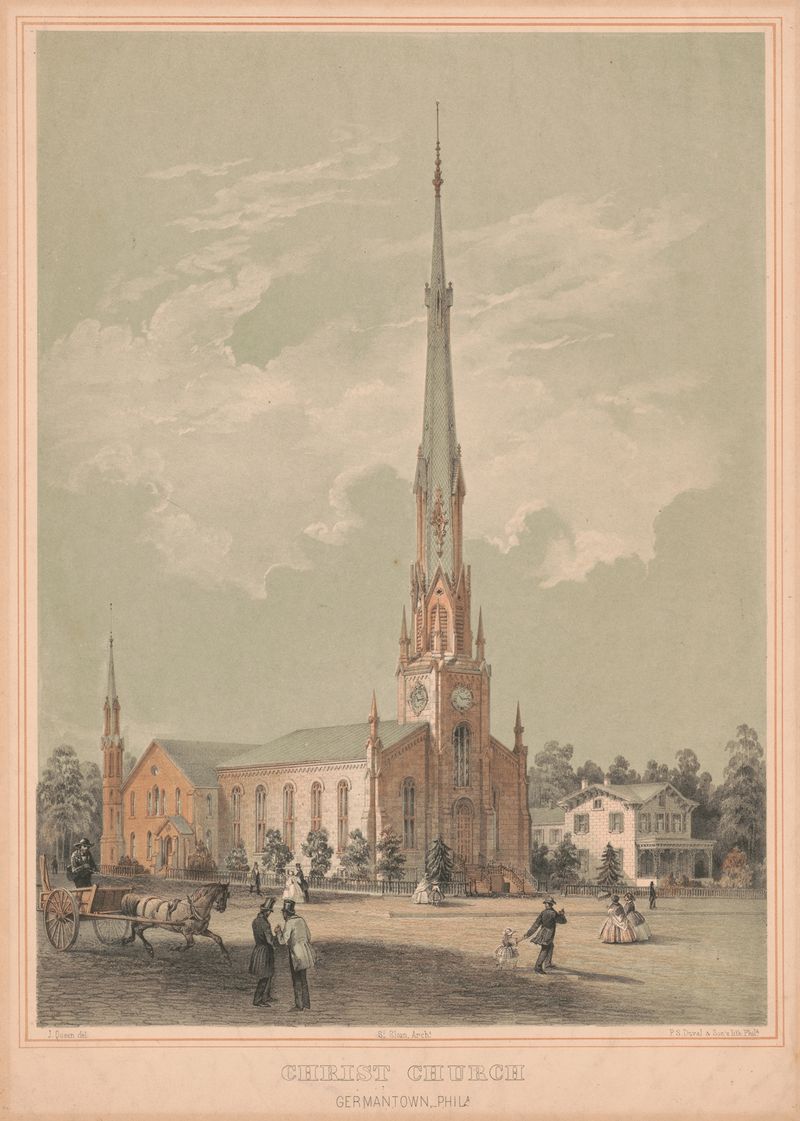
Christ Church, Germantown, Phila.
James Fuller Queen
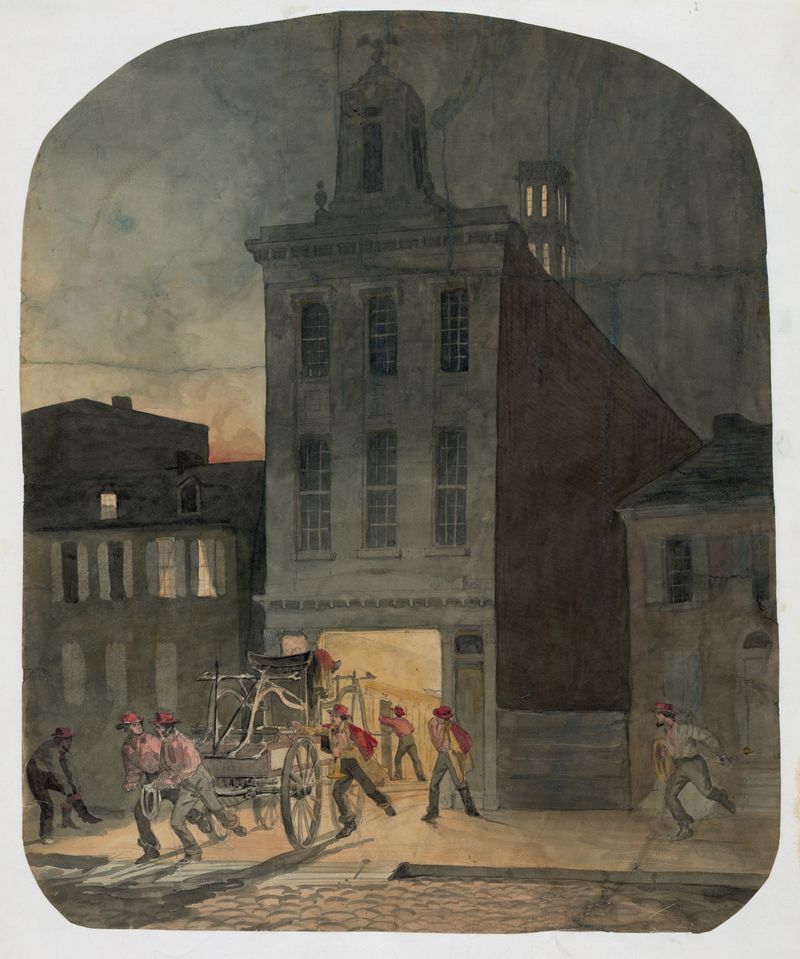
Firehouse scene in Philadelphia showing firemen from the Weccacoe Engine Company
James Fuller Queen
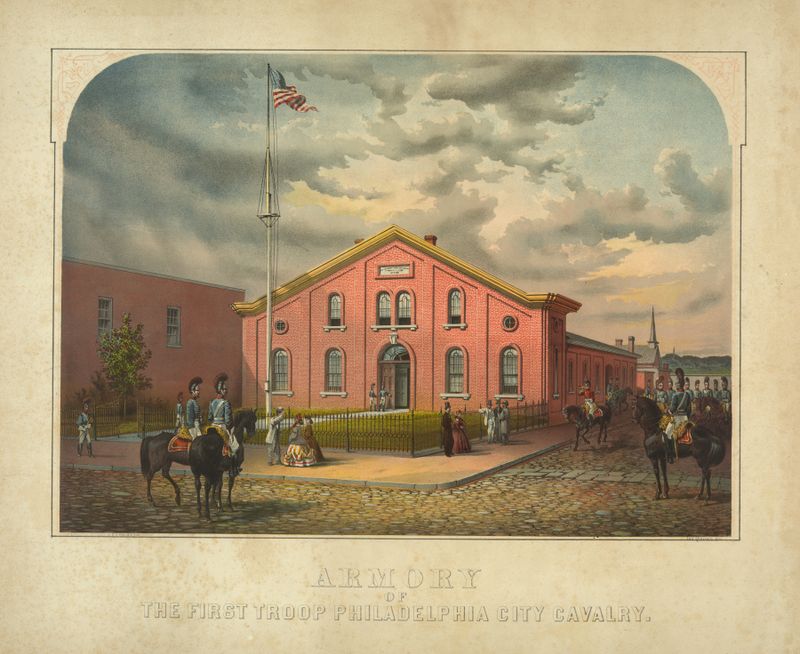
Armory of the First Troop Philadelphia City Cavalry
James Fuller Queen
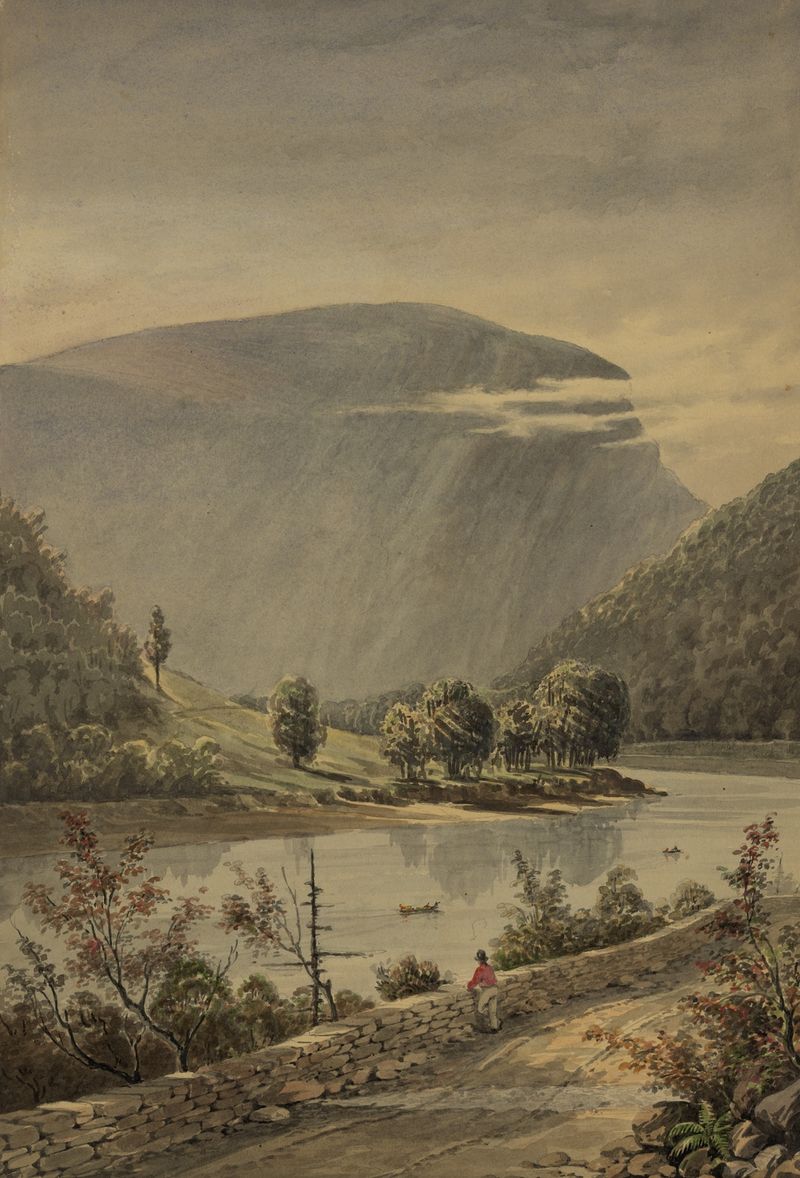
Delaware Water Gap
James Fuller Queen
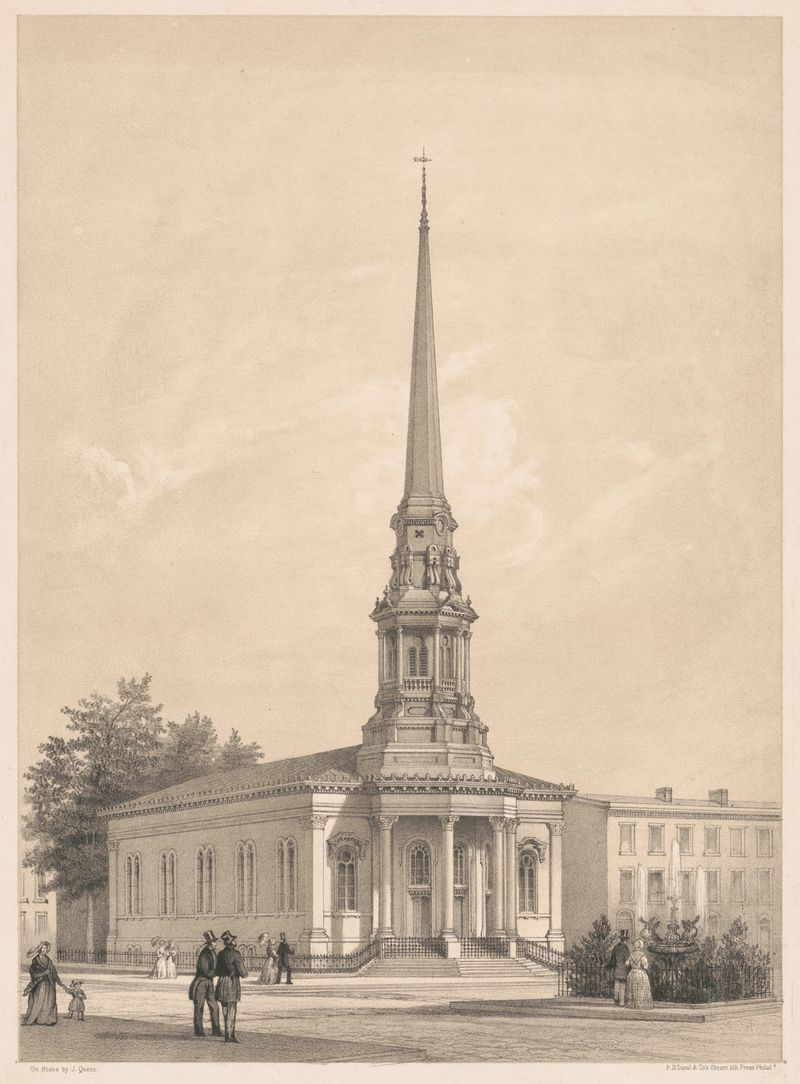
The Fourth Baptist Church, N.W. corner of Fifth & Buttonwood Streets, Philadelphia
James Fuller Queen
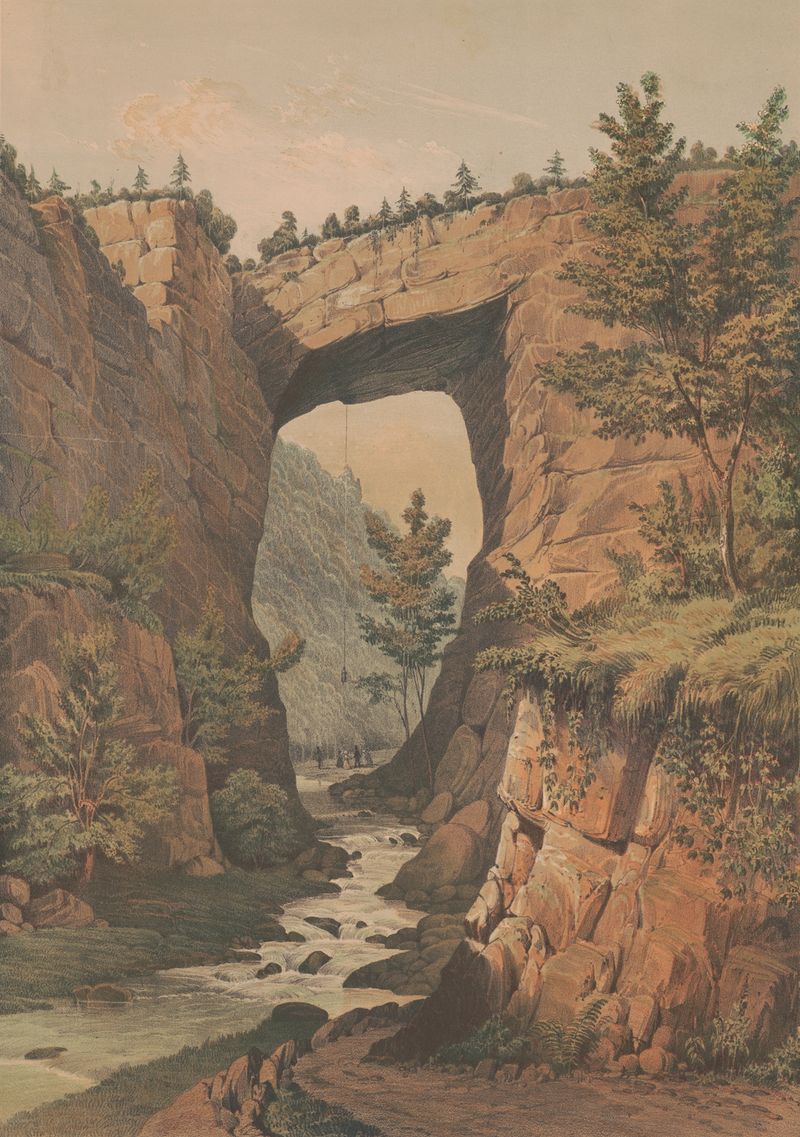
The natural bridge, Rockbridge County, Va. from a sketch by Maj. Ths. H. Williamson
James Fuller Queen
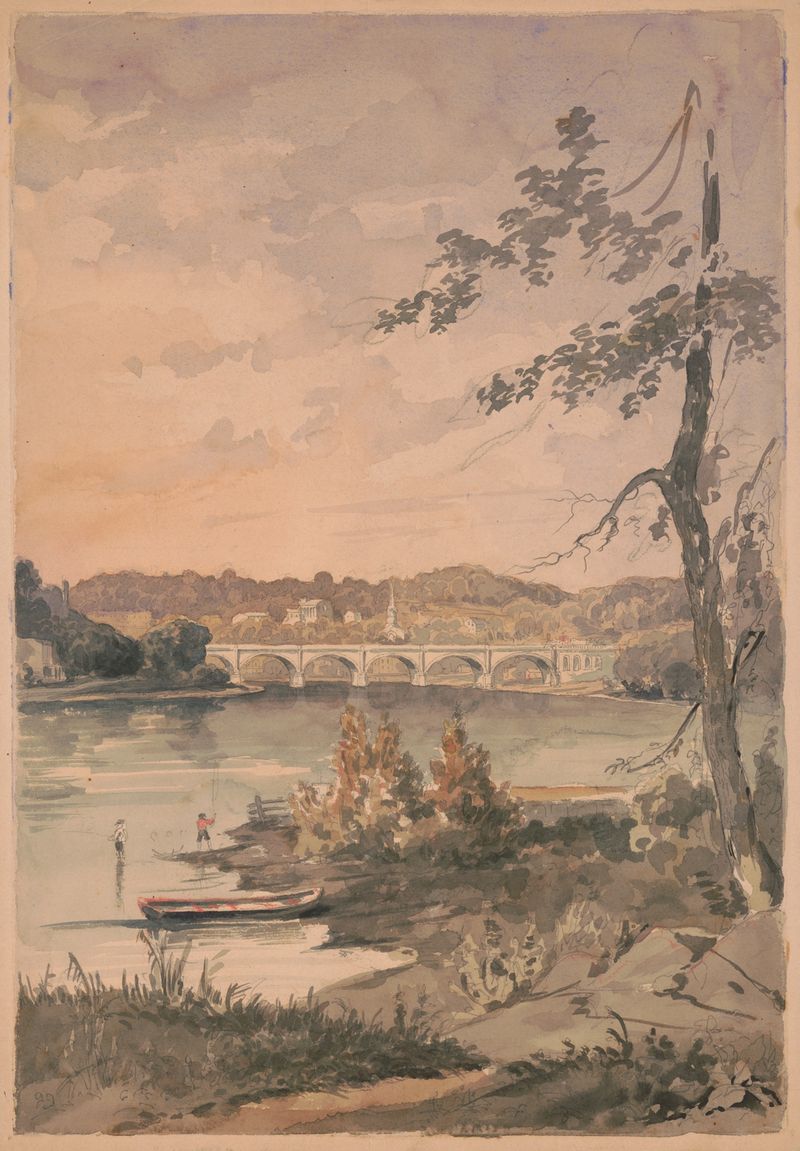
Boys fishing on the banks of the Schuylkill River in Philadelphia
James Fuller Queen

Schuylkill Arsenal at sunset, from across the Schuylkill River, looking west
James Fuller Queen

Explosion of the Alfred Thomas at Easton Pa. March 6th 1860
James Fuller Queen