Homestead — History & Analysis
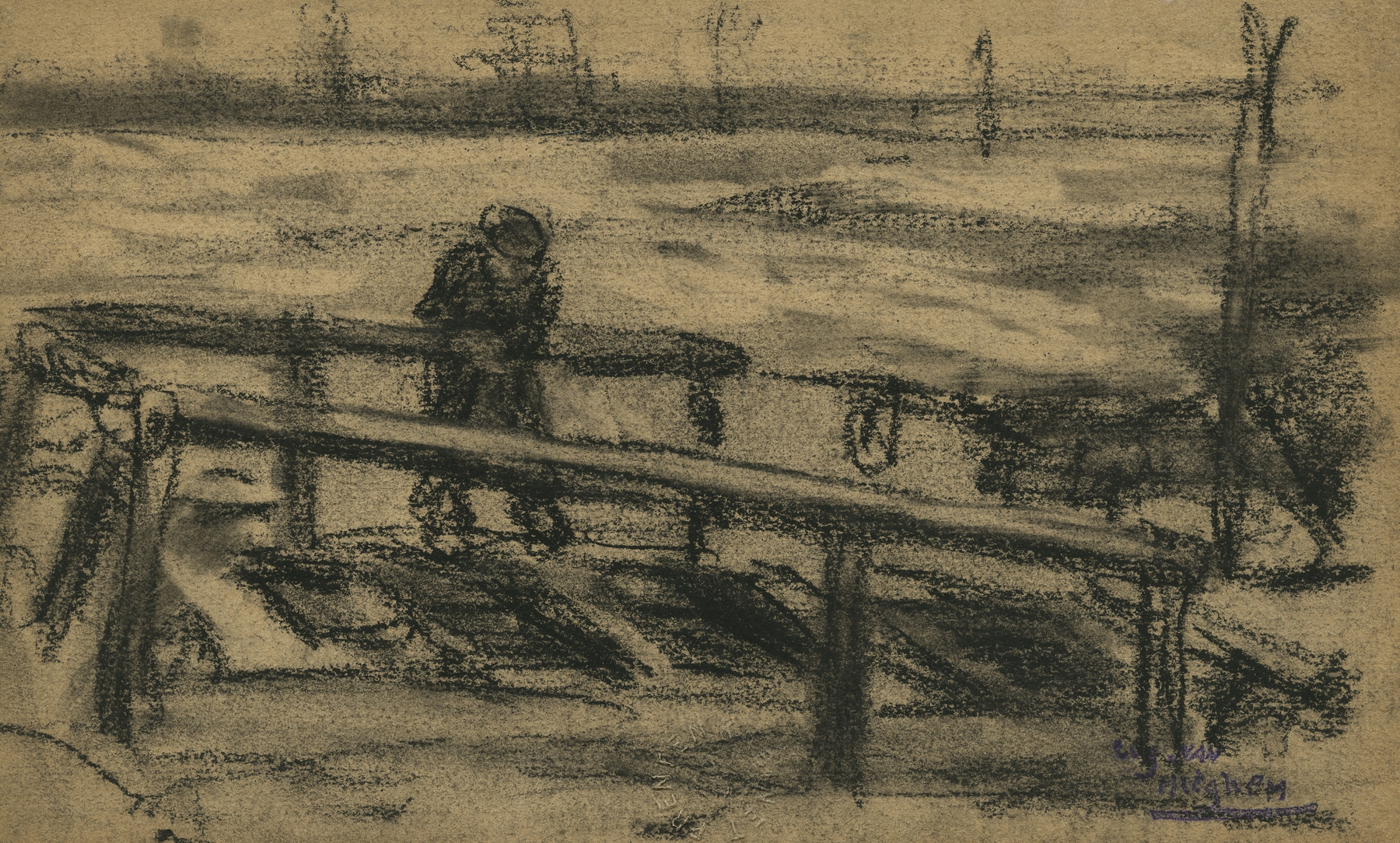
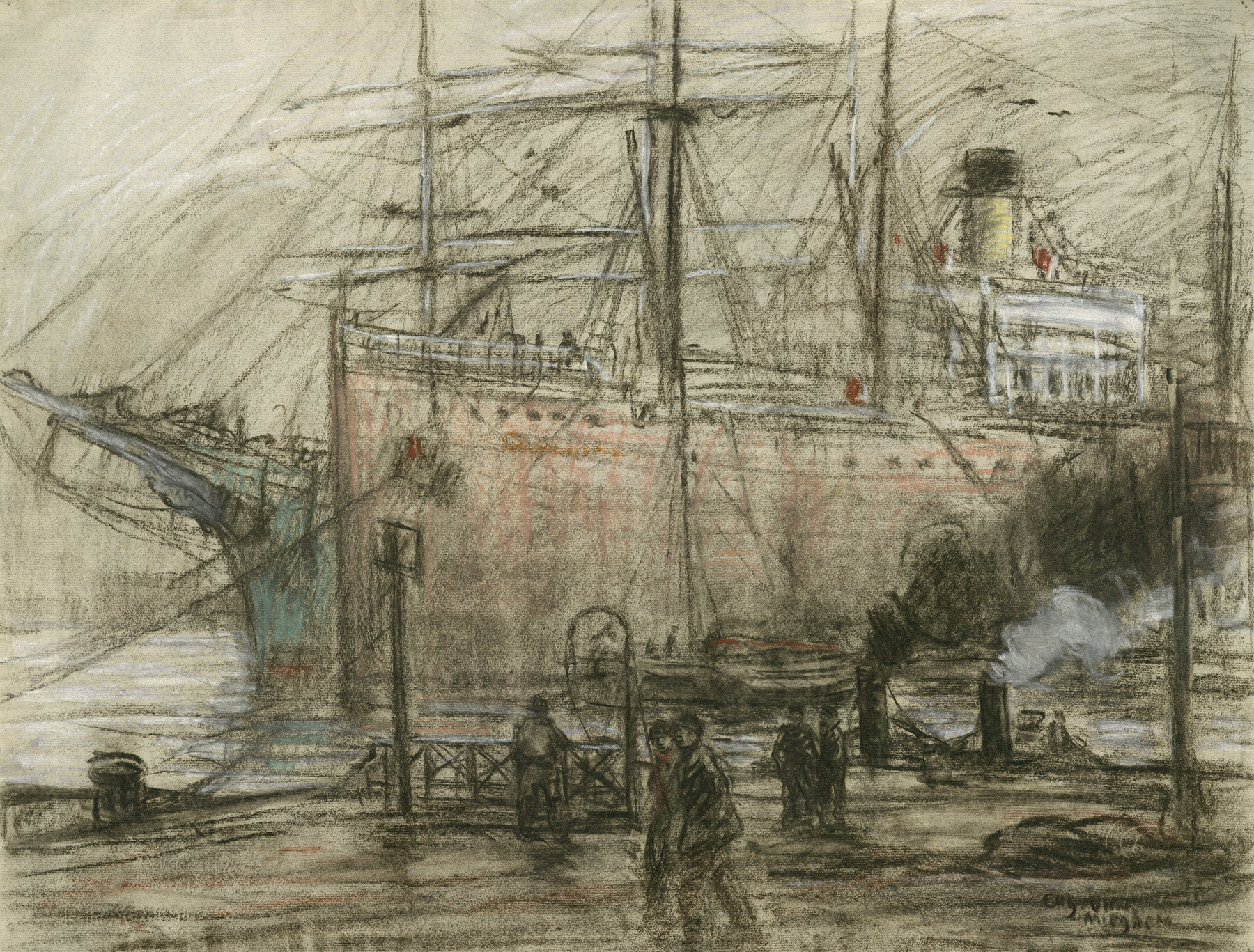
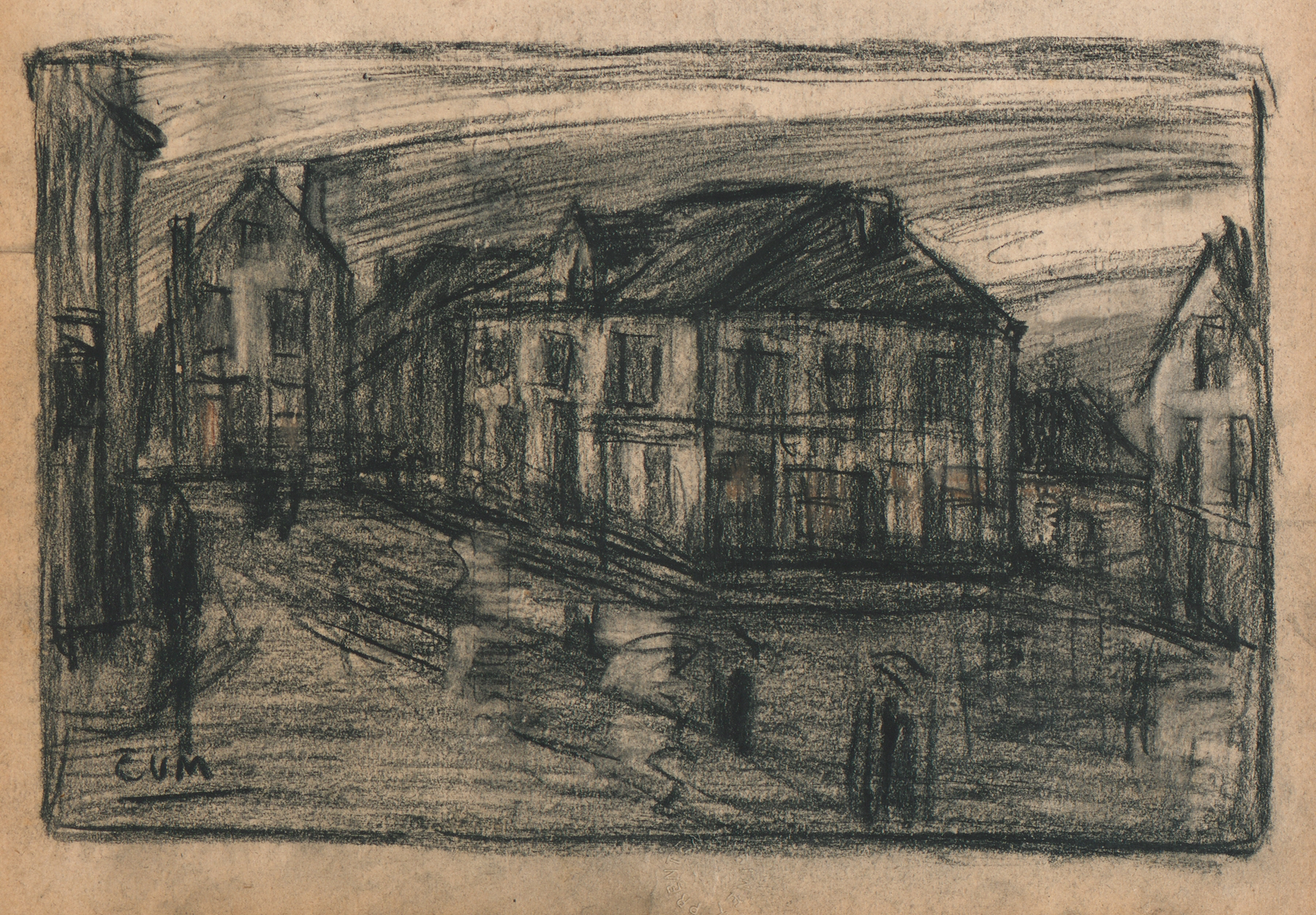
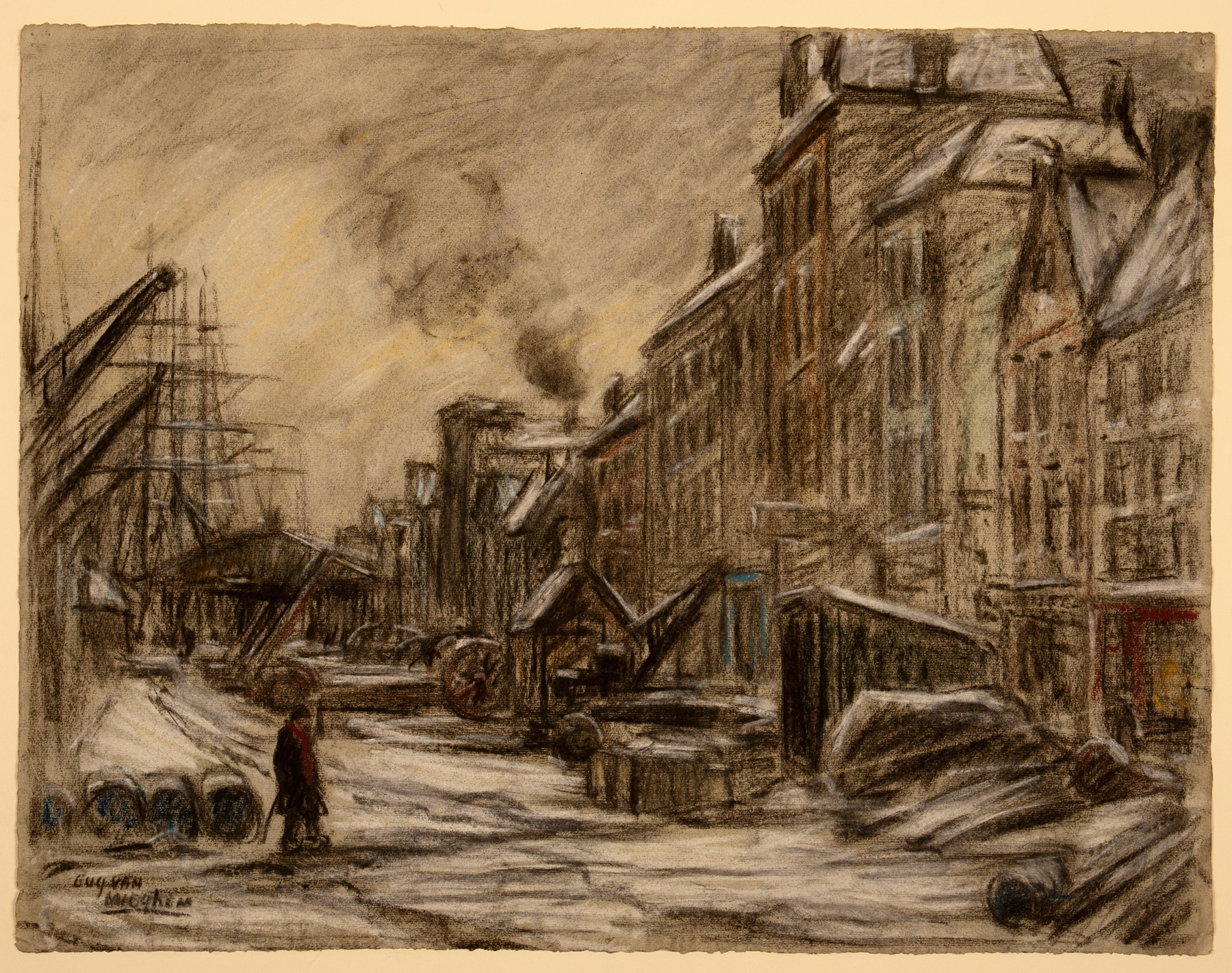
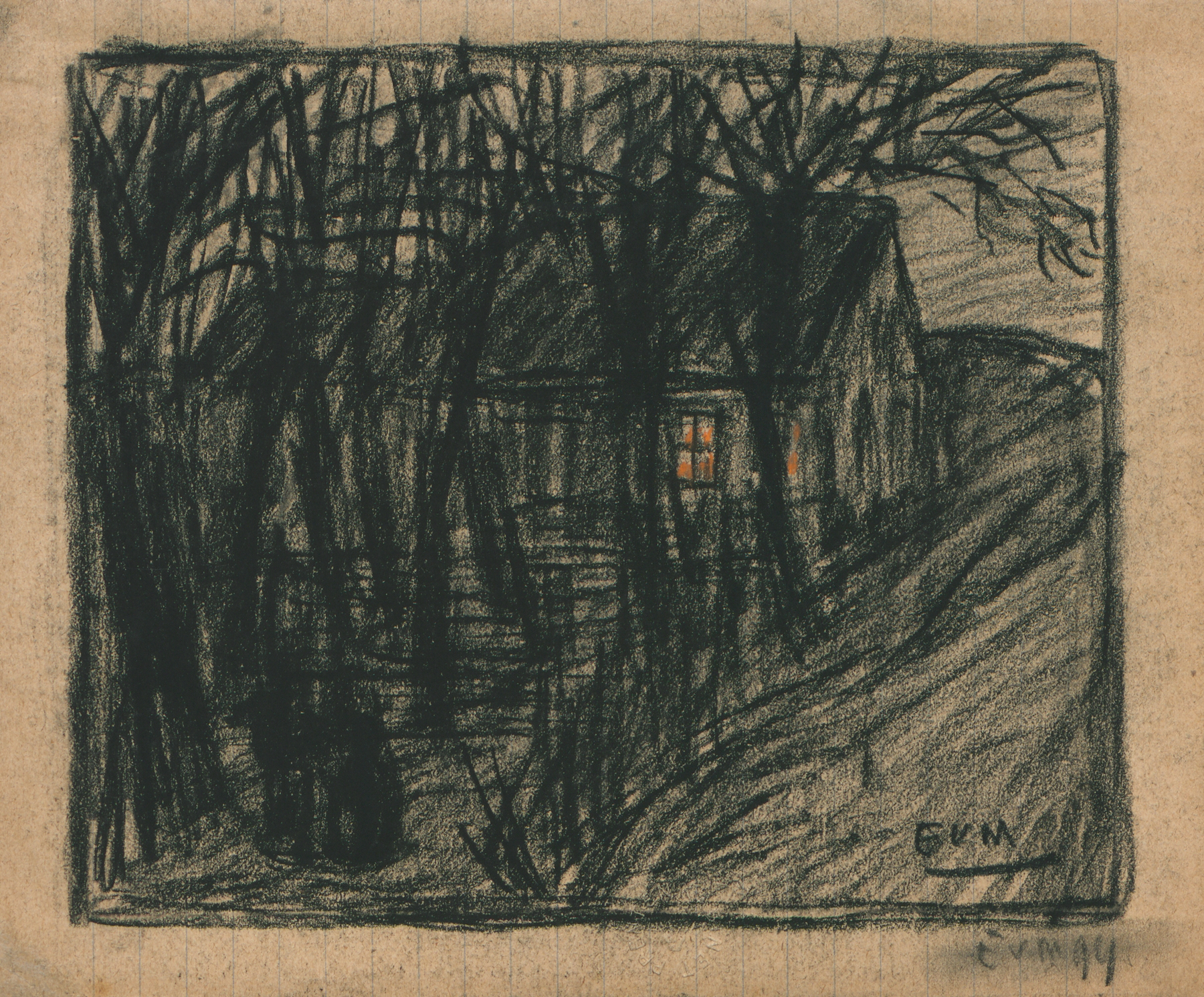
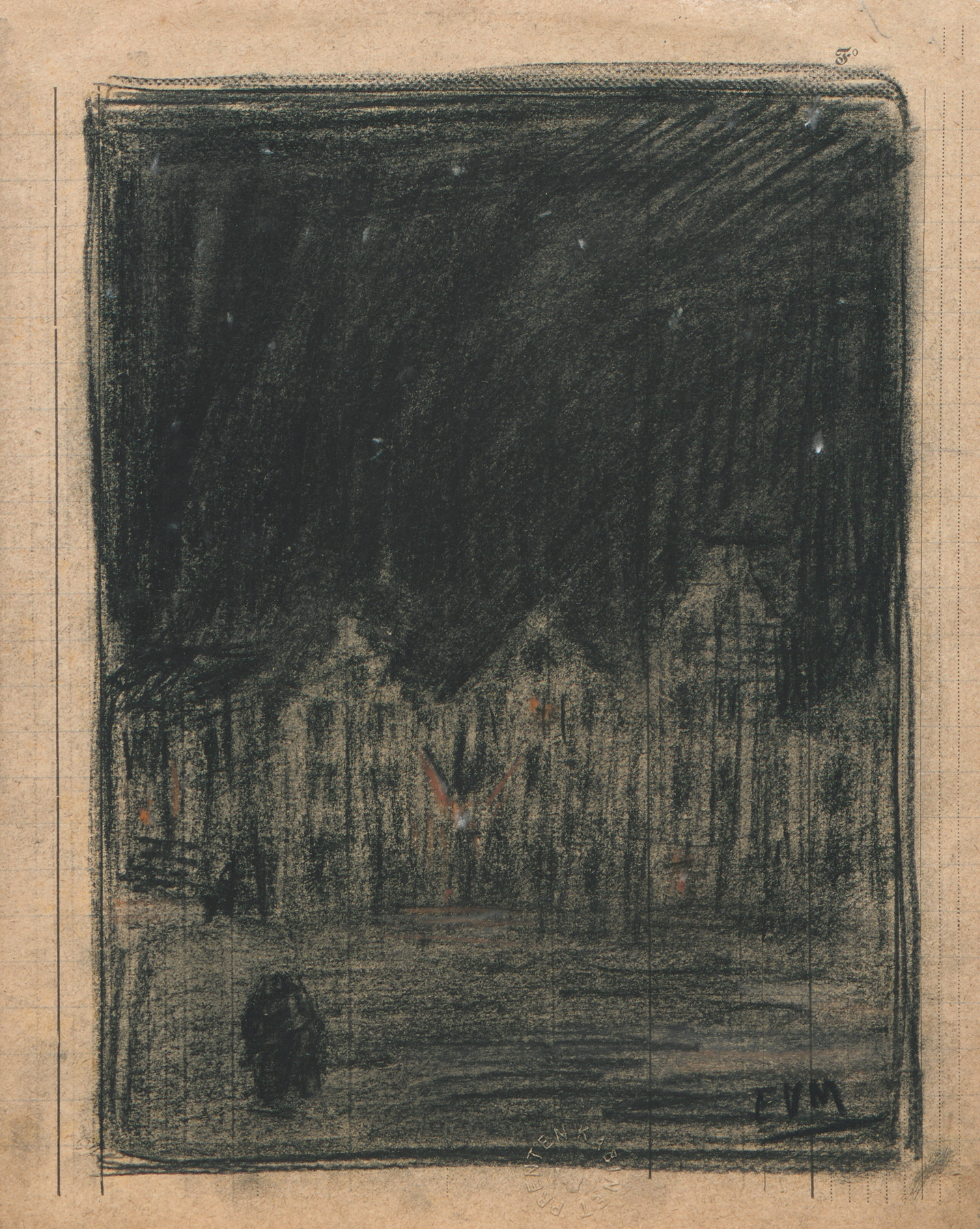
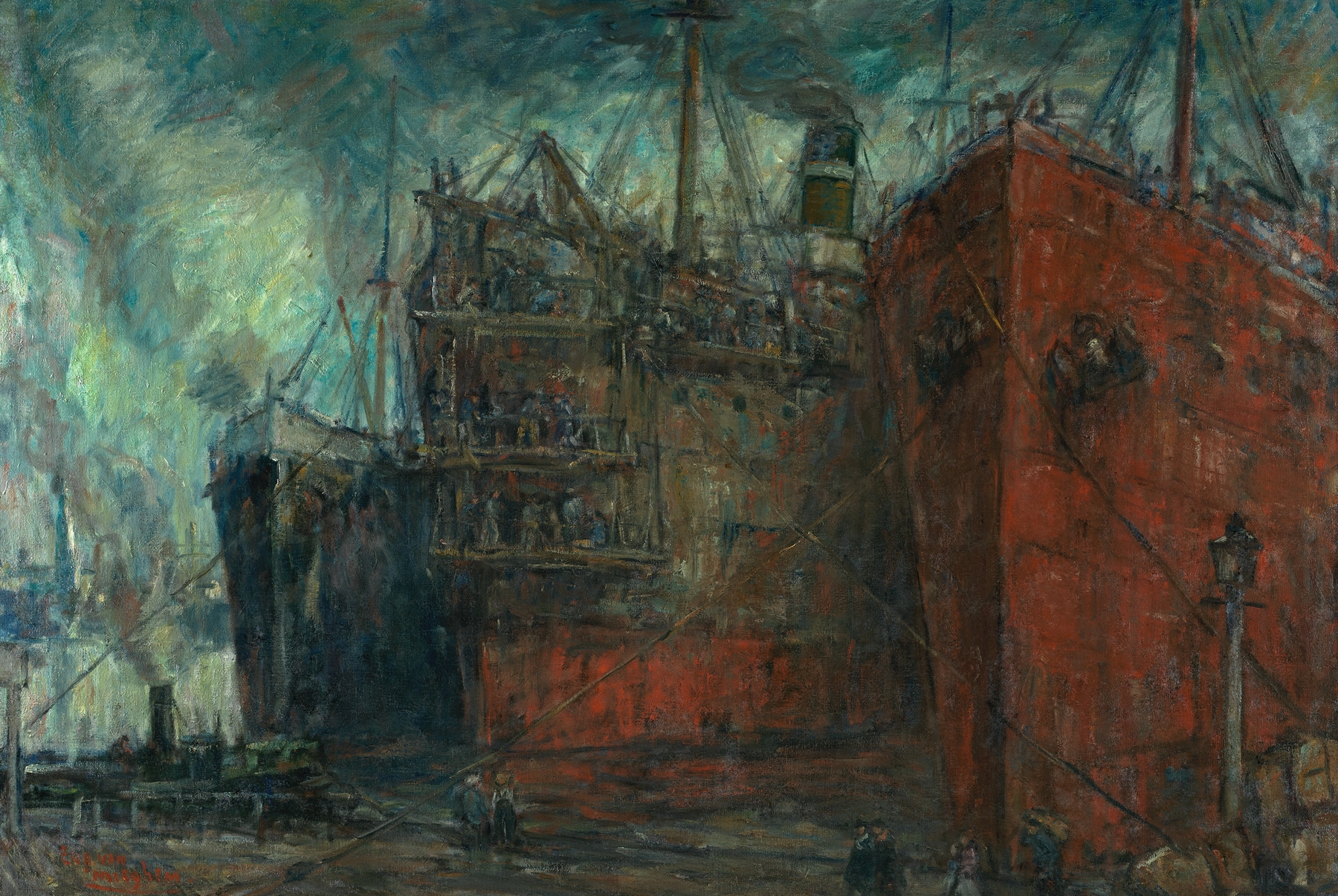
What if silence could speak through light? In the stillness of time, a homestead stands as a testament to resilience and change, whispering stories of its past and present. Look to the left at the sturdy structure of the house, its facade weathered yet dignified, the muted earth tones blending seamlessly with the surrounding landscape. The gentle play of light across the sloping roof highlights the textures of the wooden panels, inviting our gaze to trace the contours of the architecture.
As you move to the foreground, the soft brushstrokes evoke the lushness of the fields, each blade of grass infused with life, creating a contrast to the stillness of the dwelling. Beneath the tranquil exterior lies a deeper narrative of transformation. The juxtaposition of the homestead with the encroaching wild evokes a tension between human ambition and nature’s untamed spirit. The light, shifting across the scene, symbolizes the passage of time—the eternal cycle of growth and decay, revealing how the land and its dwellers are in constant dialogue.
It hints at stories of labor, love, and the relentless pursuit of dreams amidst an ever-changing world. Between 1900 and 1920, Eugeen Van Mieghem developed his unique style in Belgium, capturing the essence of everyday life through a lens that balanced realism and emotion. During this period, Europe was grappling with social and political upheaval—a turbulent backdrop that influenced many artists. His focus on homesteads and their narratives was shaped by a desire to document the lives and struggles of ordinary people, reflecting both the joys and sorrows of a swiftly transforming society.