
Hoogmoed — History & Facts
In Hoogmoed, the tumult of human frailty is laid bare, embodying the fine line between ambition and ruin. Look to the center, where a grand figure stands defiantly, an embodiment of hubris surrounded by a chaotic swirl of lesser figures. The stark contrast of light and shadow accentuates the drama, capturing the raw emotional tension of the scene. Callot's masterful use of intricate line work and delicate hatching draws the eye across the tumultuous tableau, revealing not just the figures but their entangled fates.
The color palette, muted yet striking, enhances the feeling of impending doom, as if the viewer is privy to a moment just before everything unravels. Amidst the fray, small details become heavy with meaning. Notice the ways in which the characters' postures convey fear, envy, and desperation, each interaction steeped in a web of violence interspersed with fleeting aspirations. The juxtaposition of the proud figure and the disheveled masses underscores the inherent tension between ambition and the consequences that often follow.
It’s a reflection of the human condition, where the pursuit of greatness can lead to one’s downfall, a theme profoundly resonant throughout the history of art. In the early 17th century, Jacques Callot was navigating a world rife with political and social turmoil, witnessing the Thirty Years' War's devastation. Painted between 1618 and 1625, Hoogmoed emerged from an era where artists began to explore the darker aspects of humanity, influenced by the chaos surrounding them. As a printmaker and painter, Callot's unique ability to convey complexity in both the human form and the narrative aspects of his work positioned him as a vital figure in the evolution of Baroque art.
More Artworks by Jacques Callot
Browse all →
Titelprent voor de prentreeks 'De kleine apostelen' (Het martelaarschap van de apostelen)
Jacques Callot
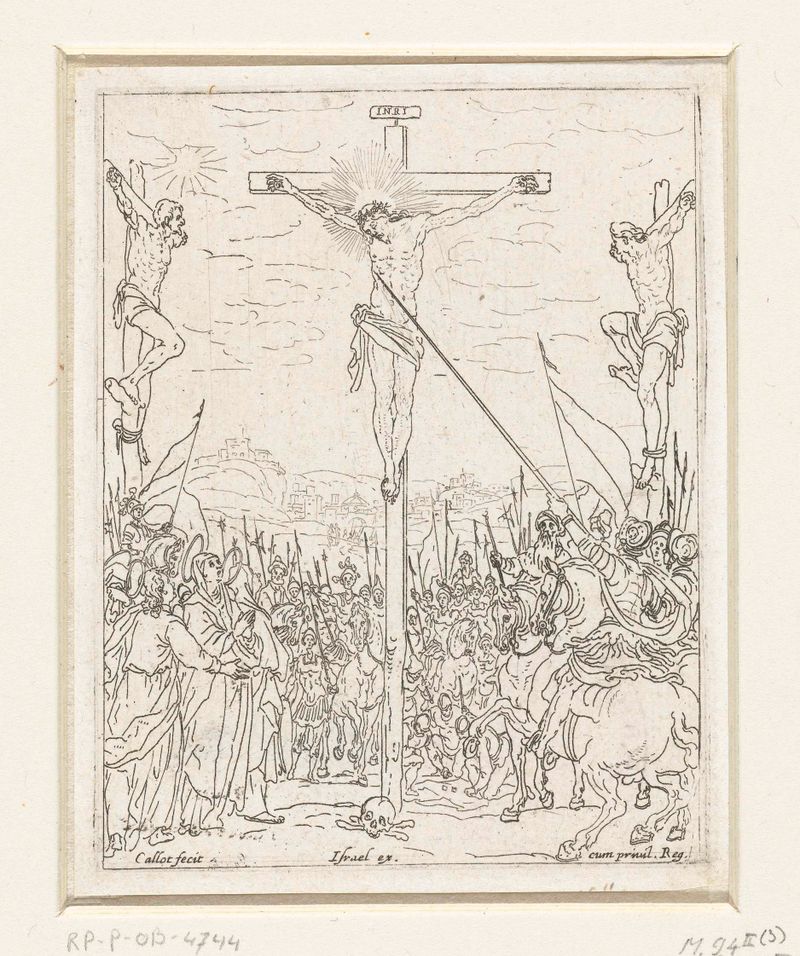
Kruisiging
Jacques Callot

De doortocht door de Rode Zee
Jacques Callot

De verloren zoon als zwijnenhoeder
Jacques Callot

Annunciatie
Jacques Callot
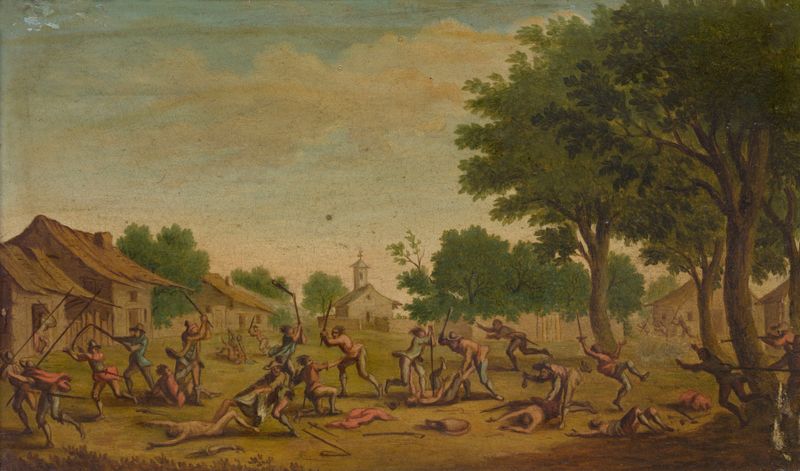
Village Fight
Jacques Callot

Titelprent voor prentreeks 'Het leven van Maria'
Jacques Callot
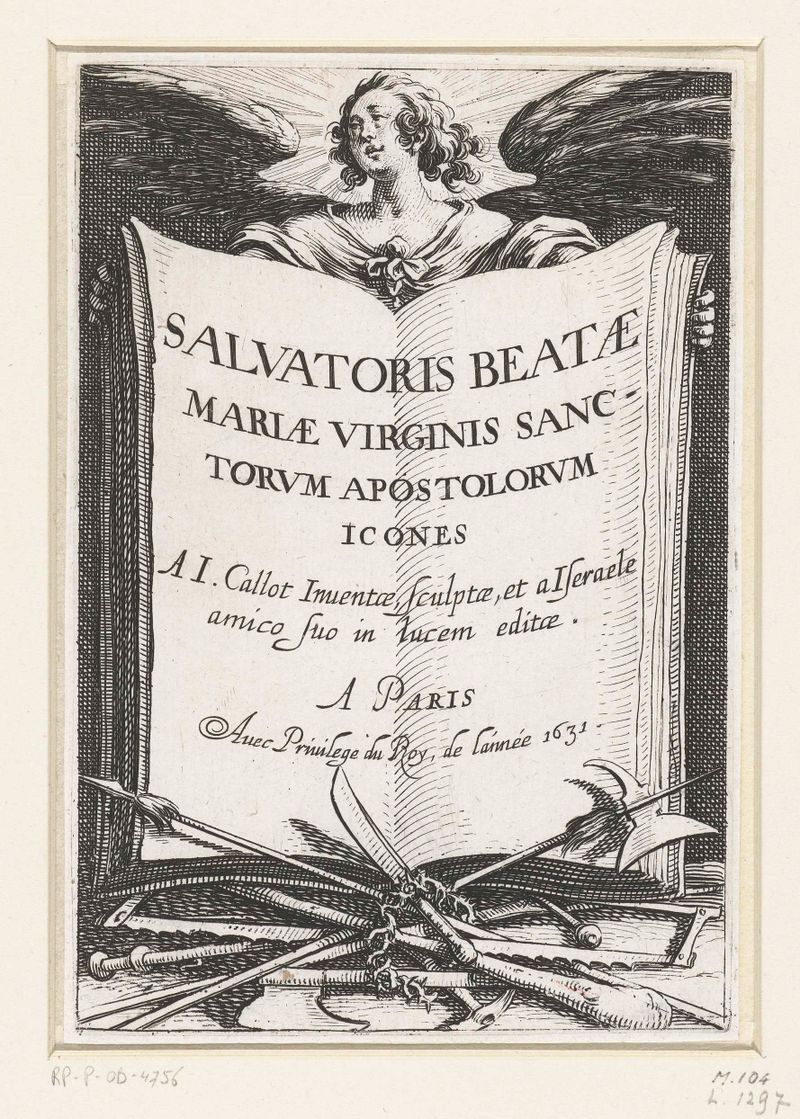
Titelprent voor de prentreeks 'De grote apostelen' (Christus, Maria en de apostelen)
Jacques Callot

Christus aan het volk getoond (Ecce homo)
Jacques Callot
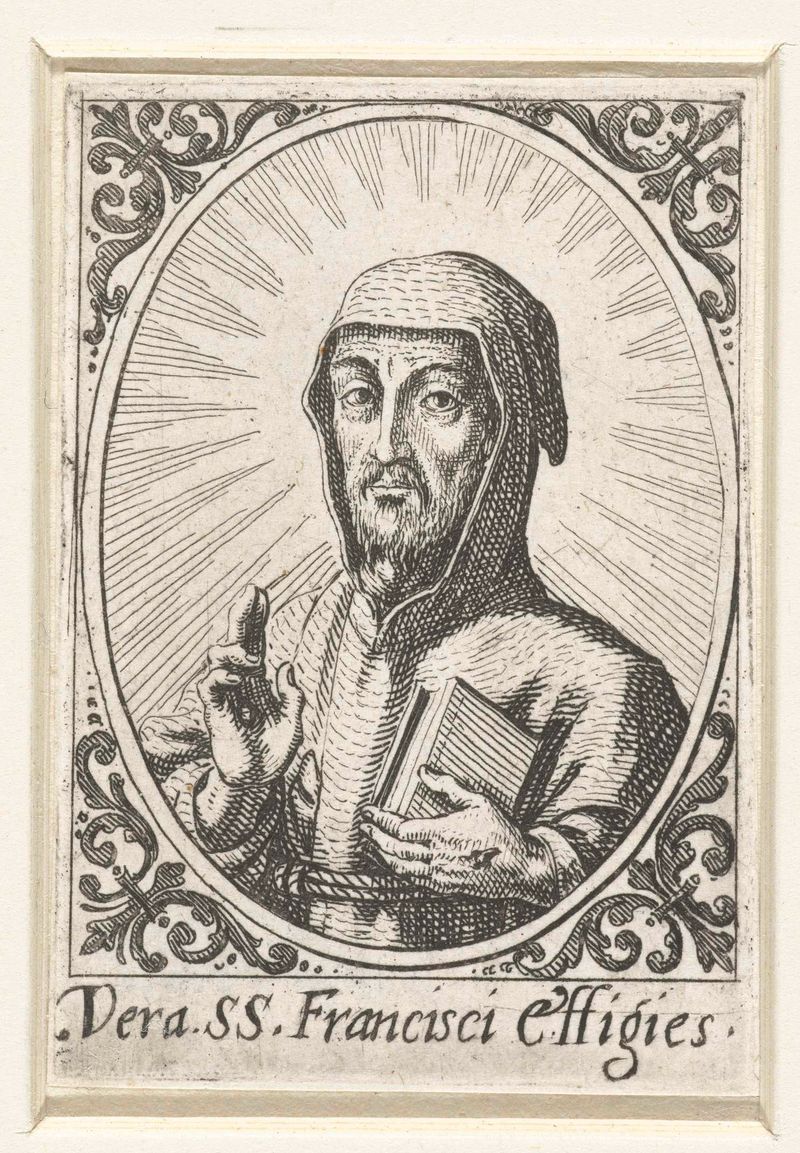
Portret van de Heilige Franciscus
Jacques Callot





