
Hound and Hunter — History & Facts
In Hound and Hunter, the weight of unspoken thoughts and internal battles lies heavy beneath the surface, inviting contemplation of madness that brews quietly beneath the veneer of calm. Look closely at the figures in the foreground, where the hunter stands with his hound, both embodying an uneasy stillness. The subtle play of light highlights the hunter’s furrowed brow, a testament to his stealth and tension, while the dog’s alert pose captures a moment of anticipation. The color palette, dominated by earthy greens and browns, grounds the scene, creating a sense of intimacy yet underscoring the wilderness that encroaches around them.
The composition draws the eye inward, suggesting that what lies beyond the stillness is a wilderness filled with uncertainty and chaos. Delve deeper into the emotional undercurrents of this artwork. The hunter’s gaze is both focused and distant, hinting at the duality of purpose and madness. The hound, loyal yet instinctive, reflects the unseen tensions between man and nature – a relationship fraught with vulnerability and primal fear.
The juxtaposition of the serene setting against the potential violence of the hunt amplifies the psychological stakes, evoking a silent dread that resonates within the viewer. In 1892, Winslow Homer was immersed in a period of exploration and innovation in his art. Living in Prouts Neck, Maine, he found inspiration in the rugged landscape and the age-old duels between man and nature. This was a time when American realism was flourishing, and Homer was at the forefront, capturing the complexity of human emotions in the natural world.
His approach often embraced themes of solitude, introspection, and the untamed wilderness, a reflection of his own contemplative spirit during this pivotal time in his career.
More Artworks by Winslow Homer
Browse all →
The Gulf Stream
Winslow Homer
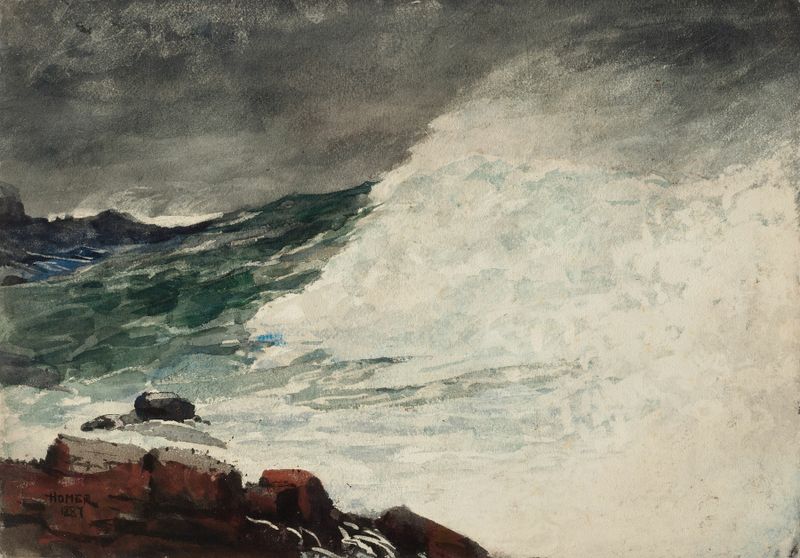
Prout’s Neck, Breaking Wave
Winslow Homer
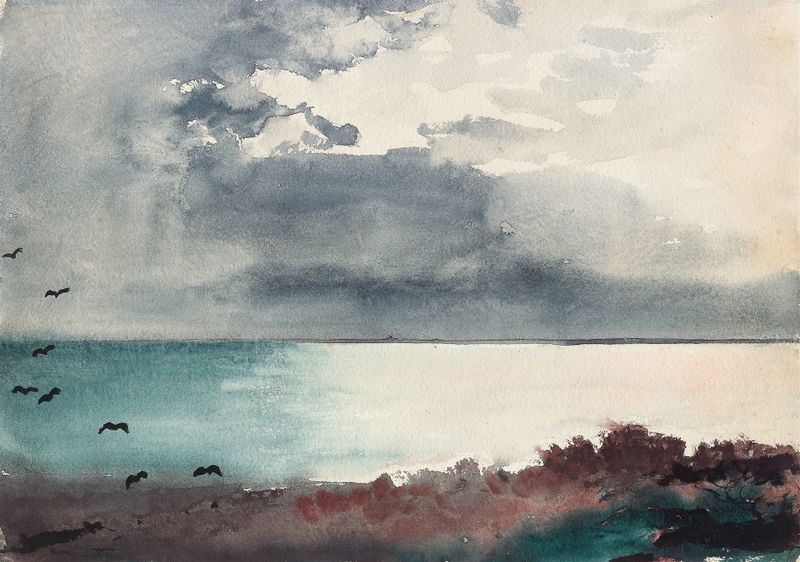
Breaking Storm, Coast of Maine
Winslow Homer
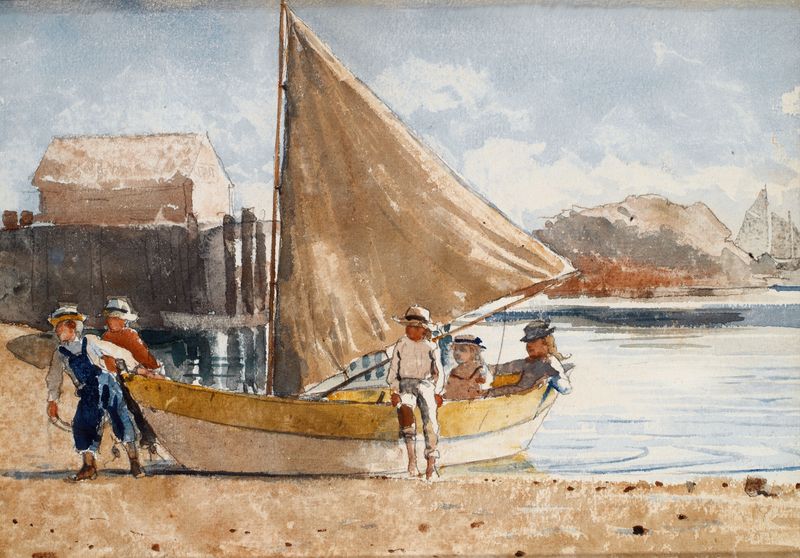
Summertime
Winslow Homer
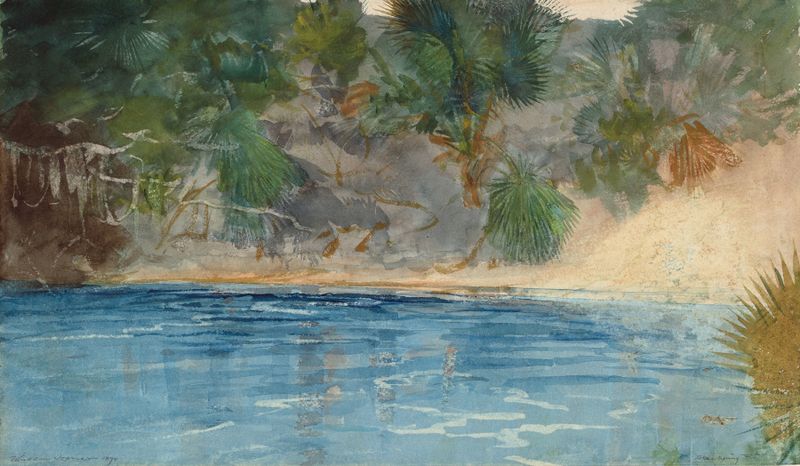
Blue Spring, Florida
Winslow Homer
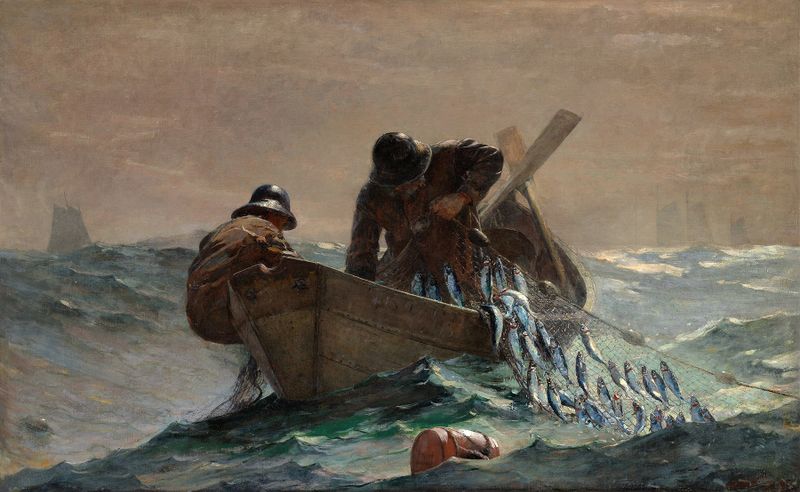
The Herring Net
Winslow Homer
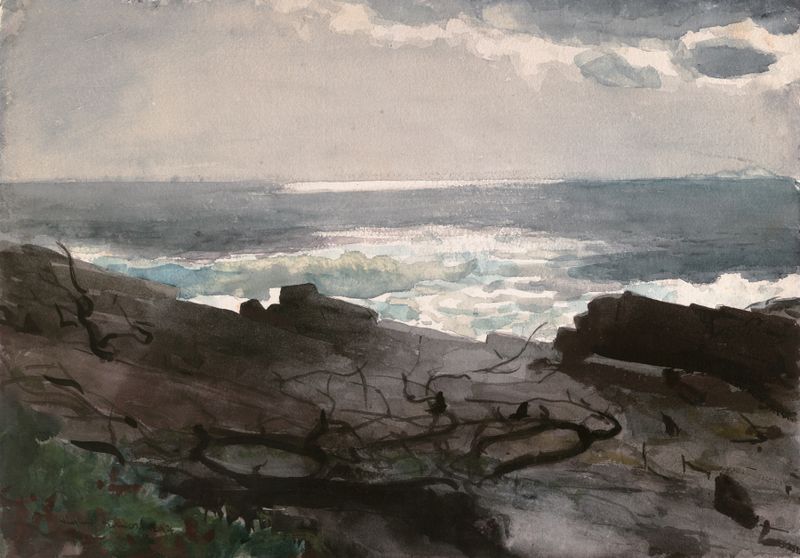
Sunshine and Shadow, Prout’s Neck
Winslow Homer
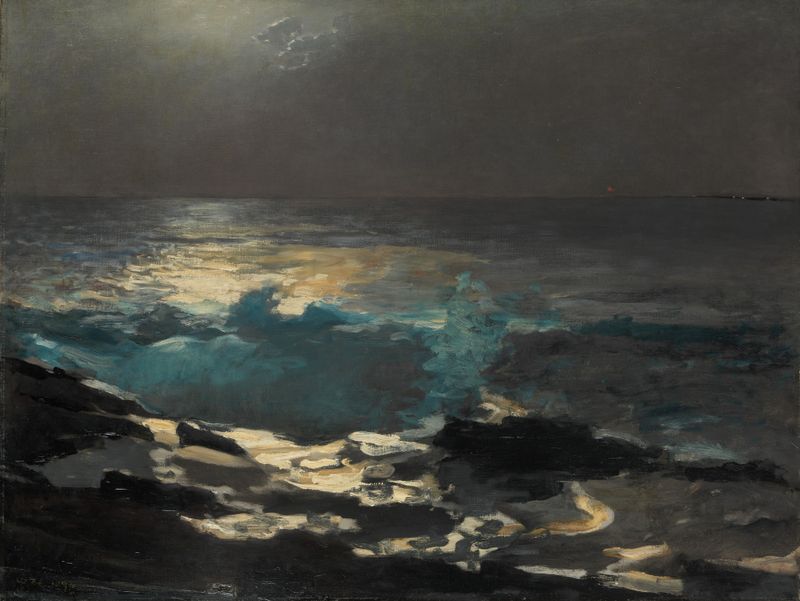
Moonlight, Wood Island Light
Winslow Homer
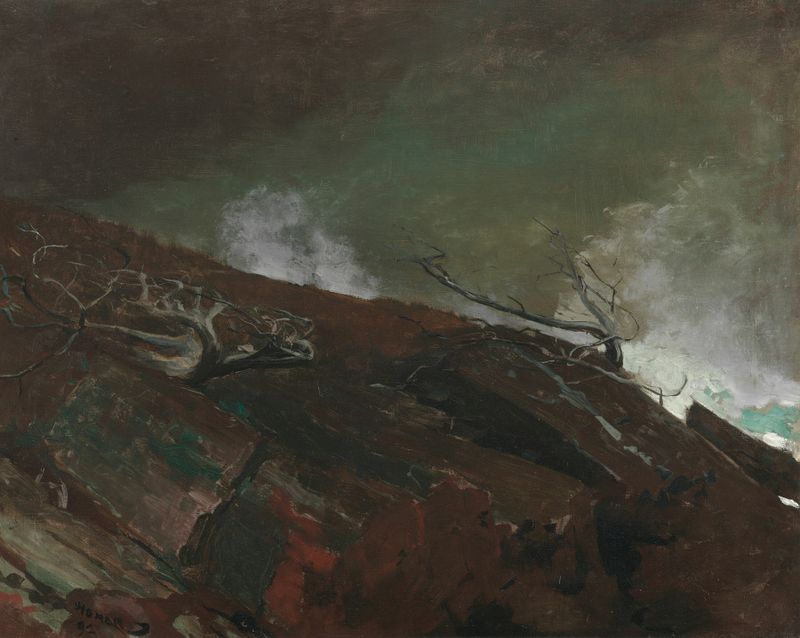
Coast of Maine
Winslow Homer
Bass Fishing – Florida
Winslow Homer





