
Houses at Auvers — History & Facts
In the interplay of vibrant hues and quiet tones, layers of faith and existence emerge. Each brushstroke invites a contemplation of life’s fragility and beauty, a dance of emotion captured on a canvas. Focus on the foreground where the humble houses stand, their rooftops kissed by the sun’s warm embrace. Notice how the bold strokes of yellow and green create a rhythmic movement across the landscape, as if the very earth breathes in harmony with the structures.
The sky, swirled with dynamic blues and whites, draws the eye upward, suggesting a connection between earthly life and the divine. Amidst this serene village scene lies a tension between stability and transience. The angular shapes of the houses evoke a sense of permanence, yet their vivid colors speak of an ephemeral reality. The juxtaposition of the stark architecture against the swirling sky hints at the inner turmoil of the artist himself, revealing a longing for stability in the chaos of existence.
Each element reflects Van Gogh’s deep faith and search for meaning in a world that often feels uncertain. Created in the late 19th century, this work came during a tumultuous time in Vincent van Gogh's life. Painted in Auvers-sur-Oise, France, he was grappling with his mental health and seeking solace in nature and art. The Impressionist movement was capturing the world around him, yet he sought to express deeper truths beyond the visible, reflecting both his personal struggles and broader existential themes in the art of the time.
More Artworks by Vincent van Gogh
Browse all →
Starry Night
Vincent van Gogh

The Bedroom
Vincent van Gogh
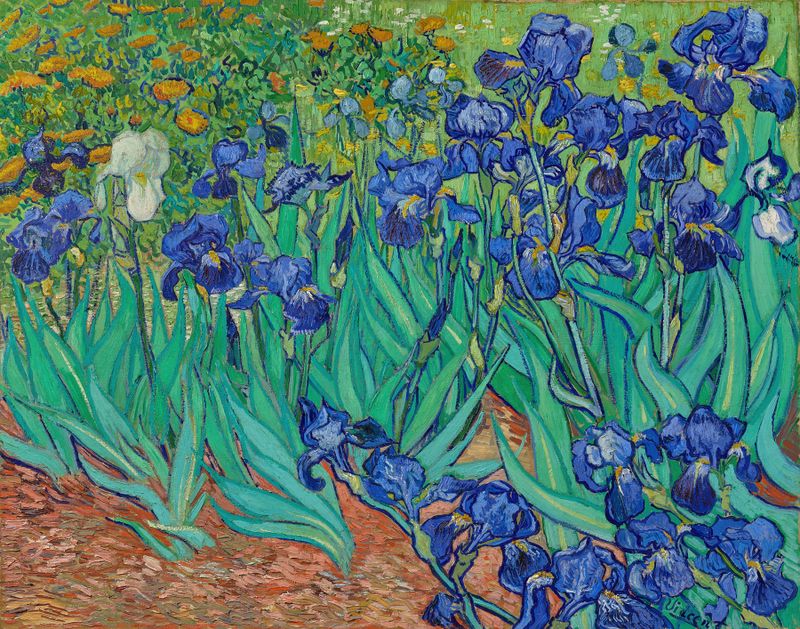
Irises
Vincent van Gogh
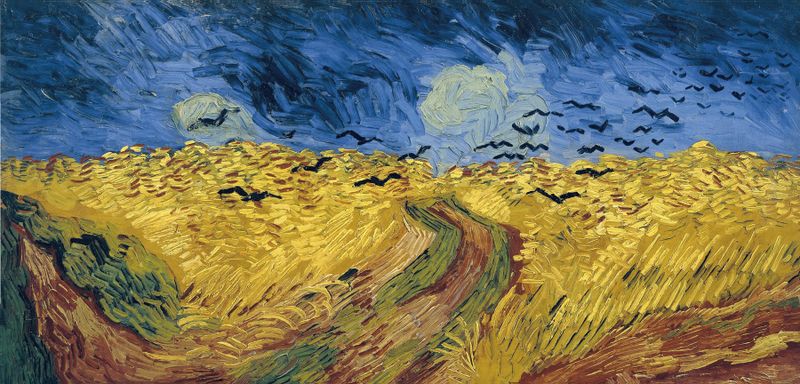
Wheatfield with Crows
Vincent van Gogh
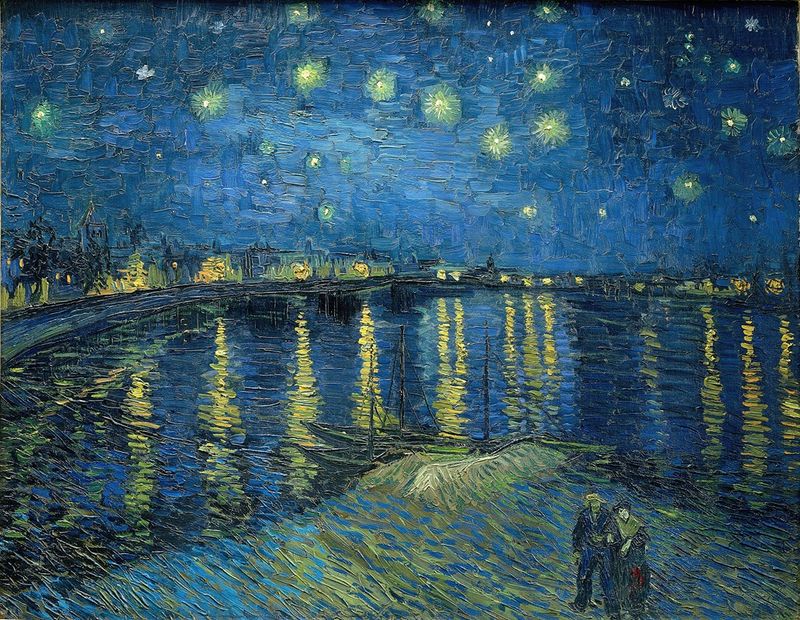
Starry Night over the Rhone
Vincent van Gogh

The yellow house
Vincent van Gogh
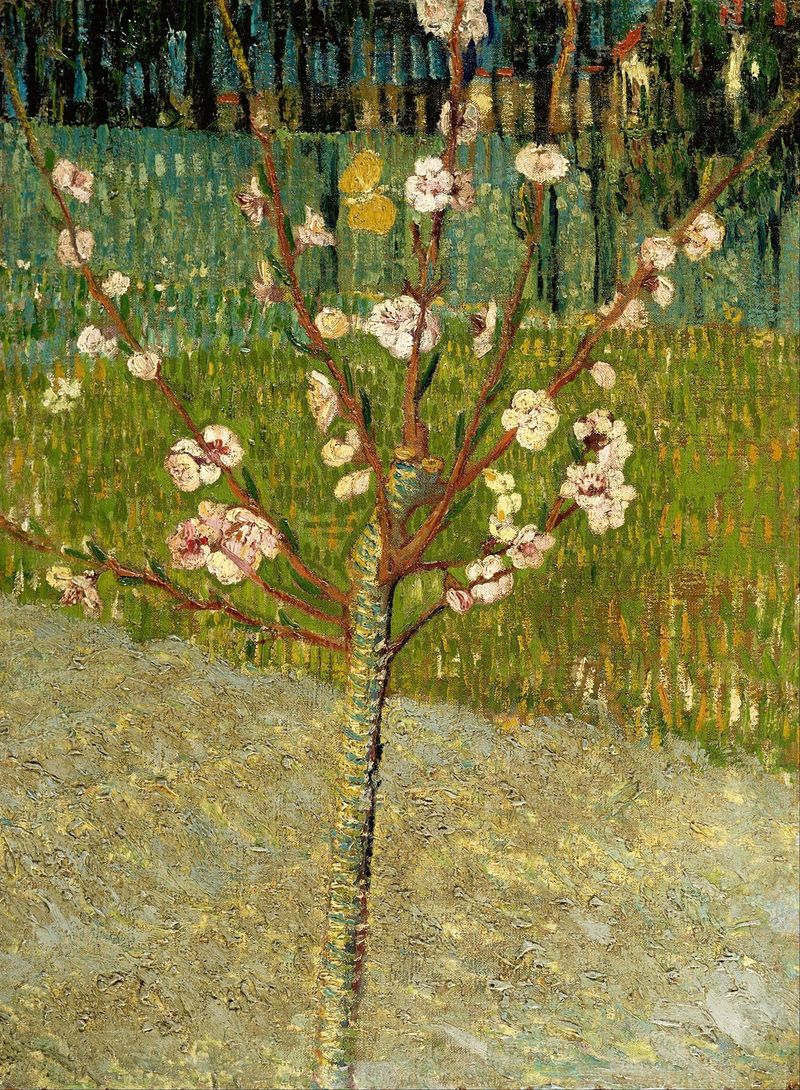
Almond tree in blossom
Vincent van Gogh

Portrait of Dr Gachet
Vincent van Gogh

The Church in Auvers-sur-Oise, View from the Chevet
Vincent van Gogh

Self-Portrait
Vincent van Gogh





