
Houses in a Park (Maisons dans un parc) — History & Facts
Such a thought captures the essence of fragility inherent in the canvas before us. The serene image of dwellings nestled in a lush park evokes a sense of tranquility, yet beneath the surface lies a nuanced interplay of light and shadow that hints at deeper emotions. Look closely at the left side of the composition, where soft strokes of green brush against the warm, inviting hues of the houses. The sunlight filters through the leaves, casting dappled patterns across the landscape, creating a harmonious balance between nature and architecture.
The artist employs a delicate touch, allowing the colors to blend and shimmer, suggesting not just the beauty of the scene but also its transient nature. As you navigate the canvas, notice how the vibrant greens contrast with the muted tones of the buildings, symbolizing the tension between the stability of home and the impermanent essence of life. The slight tilt of the houses, as if repositioned by an unseen force, echoes the fragility of human existence. These elements together convey a poignant message: beauty may be fleeting, yet it remains worth cherishing. Painted around 1911, the work reflects Renoir's later style, marked by an increasing focus on light and atmosphere.
At this time, he was navigating personal challenges, including failing health, while the art world was embracing modernism. The artist sought to capture the essence of life in its simplest moments, emphasizing beauty and joy even as he faced his own vulnerabilities.
More Artworks by Pierre-Auguste Renoir
Browse all →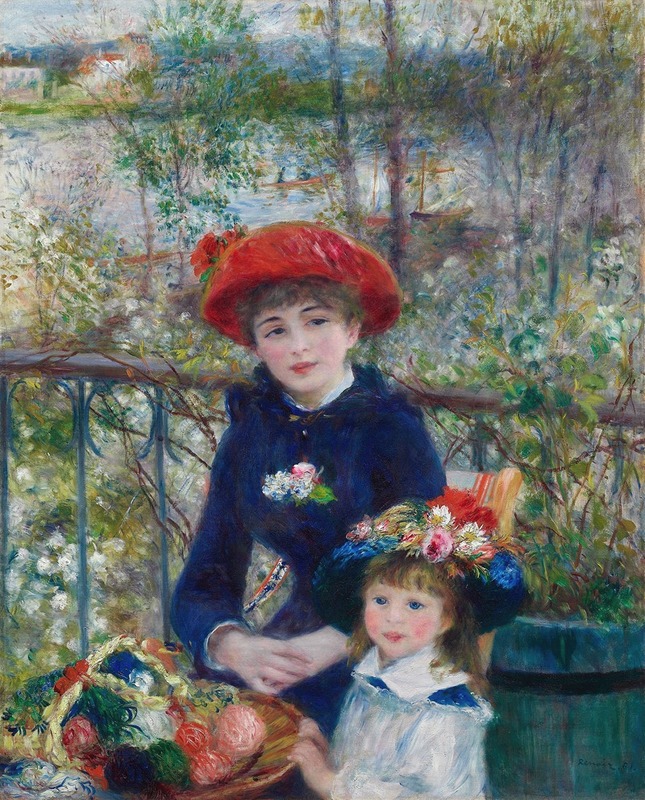
Two Sisters (On the Terrace)
Pierre-Auguste Renoir
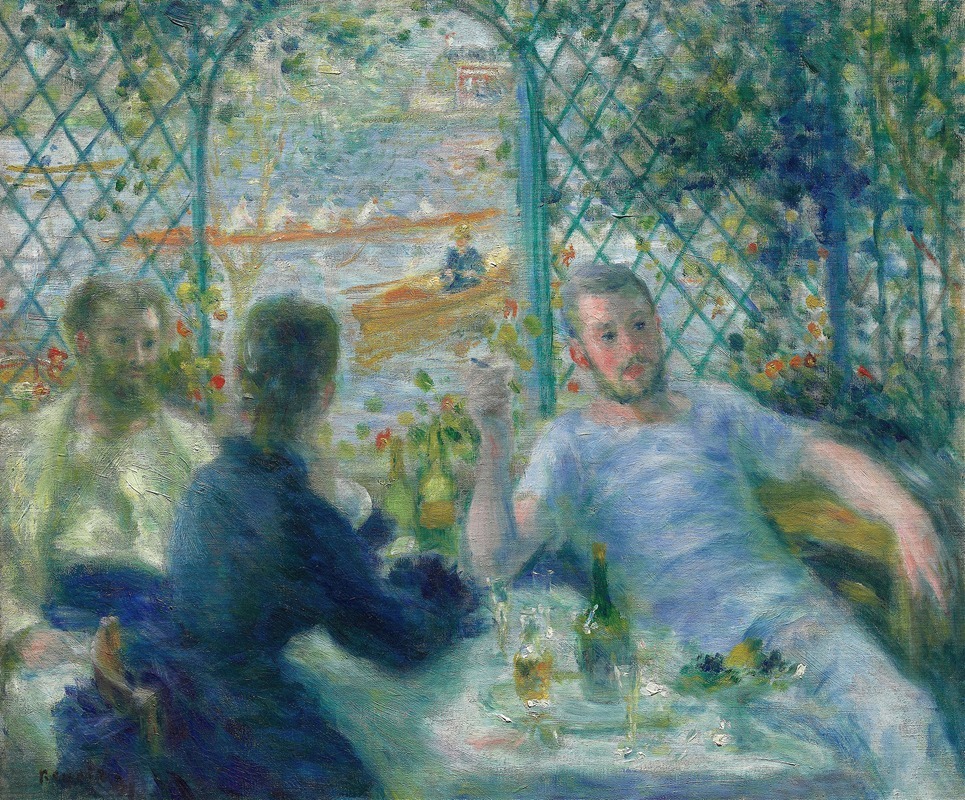
Lunch at the Restaurant Fournaise (The Rowers' Lunch)
Pierre-Auguste Renoir
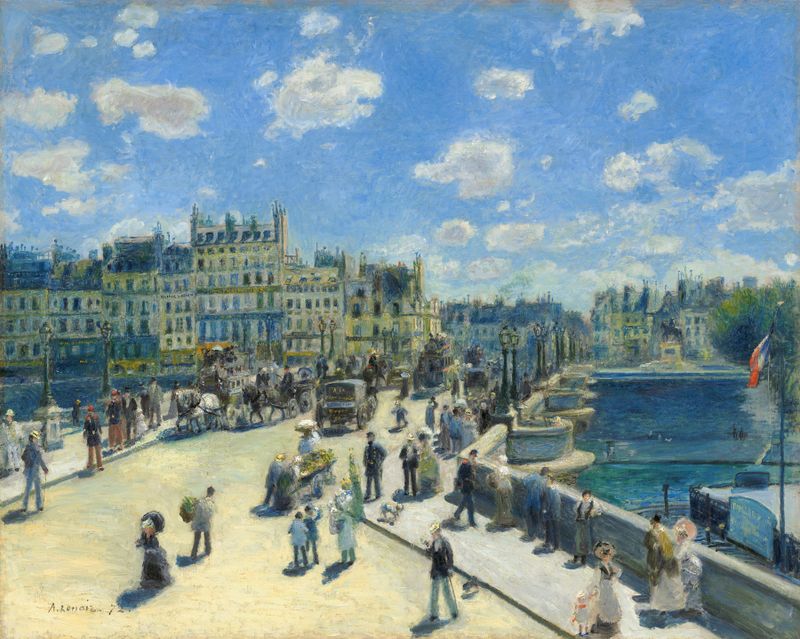
Pont Neuf, Paris
Pierre-Auguste Renoir
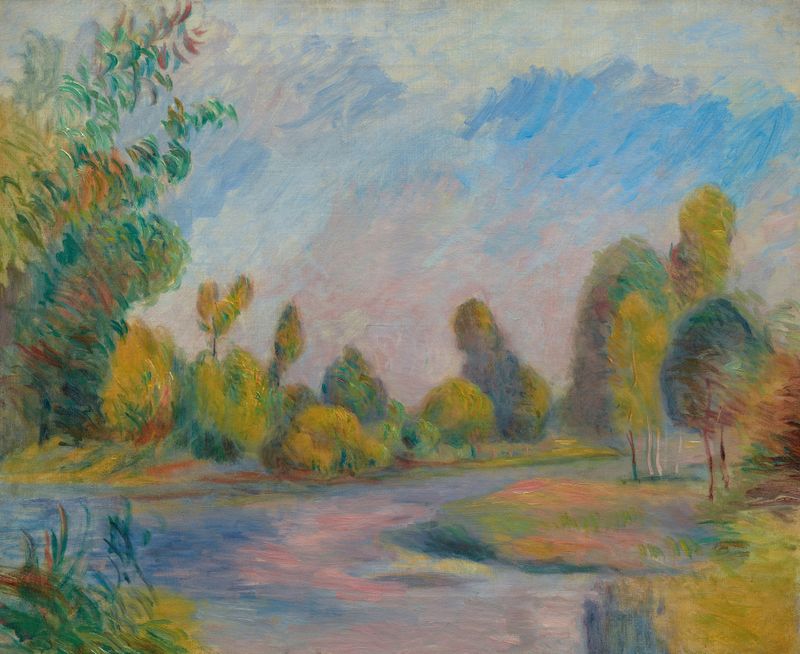
Au bord de la rivière
Pierre-Auguste Renoir

Near the Lake
Pierre-Auguste Renoir
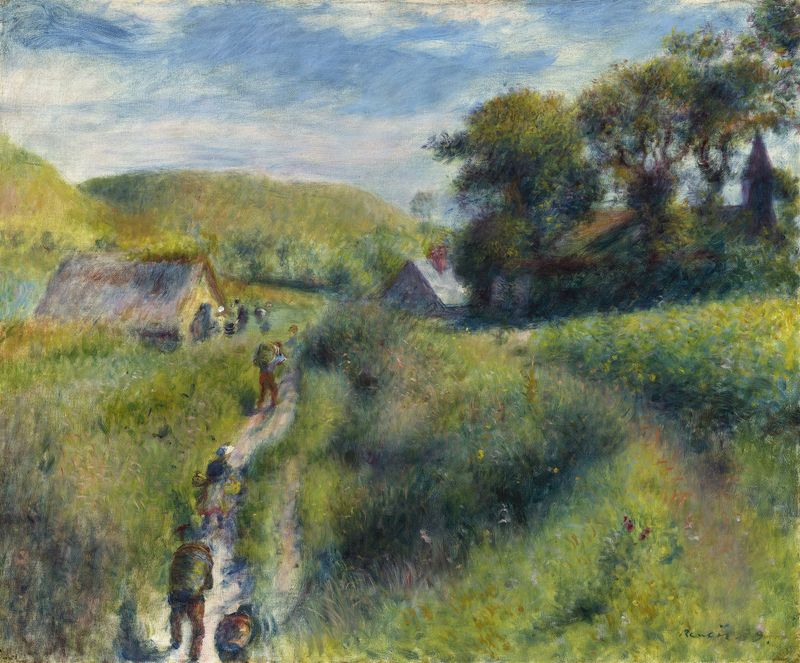
The Mussel Harvest
Pierre-Auguste Renoir

The Seine at Chatou
Pierre-Auguste Renoir
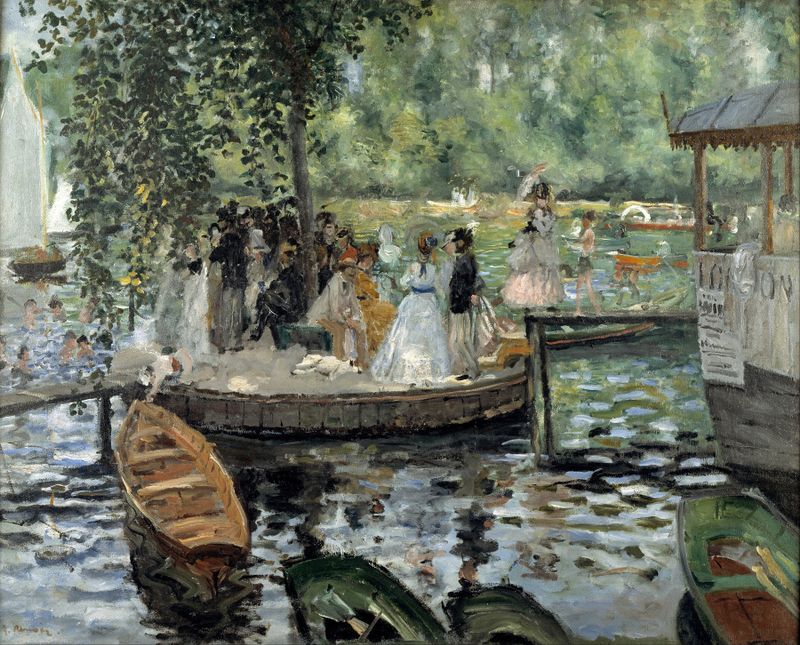
La Grenouillère
Pierre-Auguste Renoir
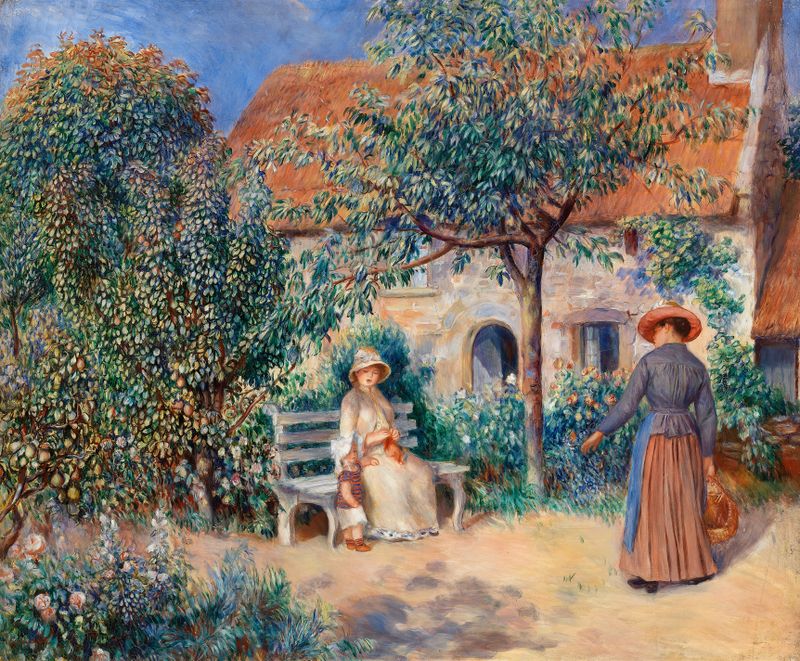
In Brittany (En Bretagne)
Pierre-Auguste Renoir
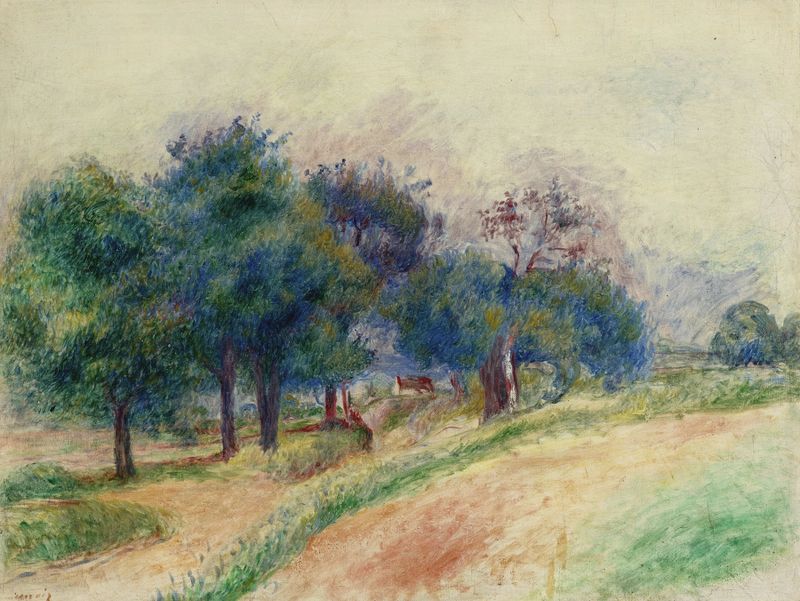
Paysage d’Essoyes
Pierre-Auguste Renoir





