
Houses on a Hill (Groupe de maisons sur un coteau) — History & Facts
Can paint confess what words never could? In Houses on a Hill, Renoir captures the delicate balance between beauty and tumult, revealing the underlying tensions of life nestled among serene hills. Look to the left at the soft pastel colors that merge into a gentle twilight sky; the houses, though charming and quaint, stand poised atop the hill like sentinels in a quiet standoff. The strokes are lively yet deliberate, allowing the viewer to feel the texture of the landscape and the warmth emanating from the sun's embrace. Notice how the interplay of light and shadow dances across the rooftops, suggesting both comfort and unease, as if the homes shelter secrets hidden from plain view. Dig deeper into the artwork, and you find contrasting elements: the harmony of nature against the backdrop of human creation, the stillness of the scene juxtaposed with an undercurrent of potential discord.
Each house, while inviting, hints at stories untold, where laughter and sorrow intertwine. The subtle brushwork evokes an emotional complexity, inviting viewers to question the manifest tranquility and the violence that may lurk beneath the surface—perhaps a reminder of life's fragility. In 1908, while painting Houses on a Hill, Renoir was residing in the south of France, a period characterized by personal challenges as well as a shift towards a more impressionistic approach. The world of art was evolving, and Renoir himself was wrestling with the encroaching effects of arthritis, which would influence his later works.
This painting reflects not only the beauty of the landscape but also the artist's own struggles and the broader socio-political context of a Europe on the brink of change.
More Artworks by Pierre-Auguste Renoir
Browse all →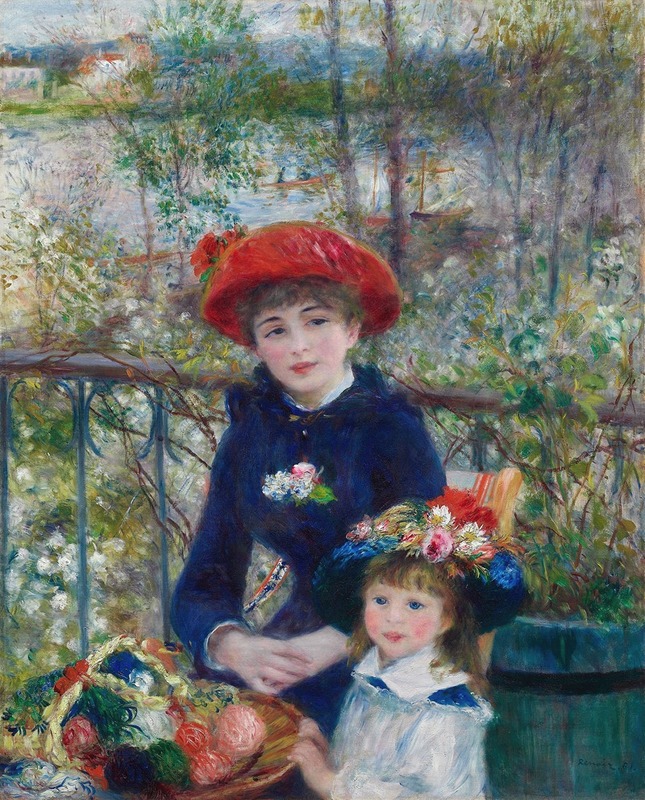
Two Sisters (On the Terrace)
Pierre-Auguste Renoir
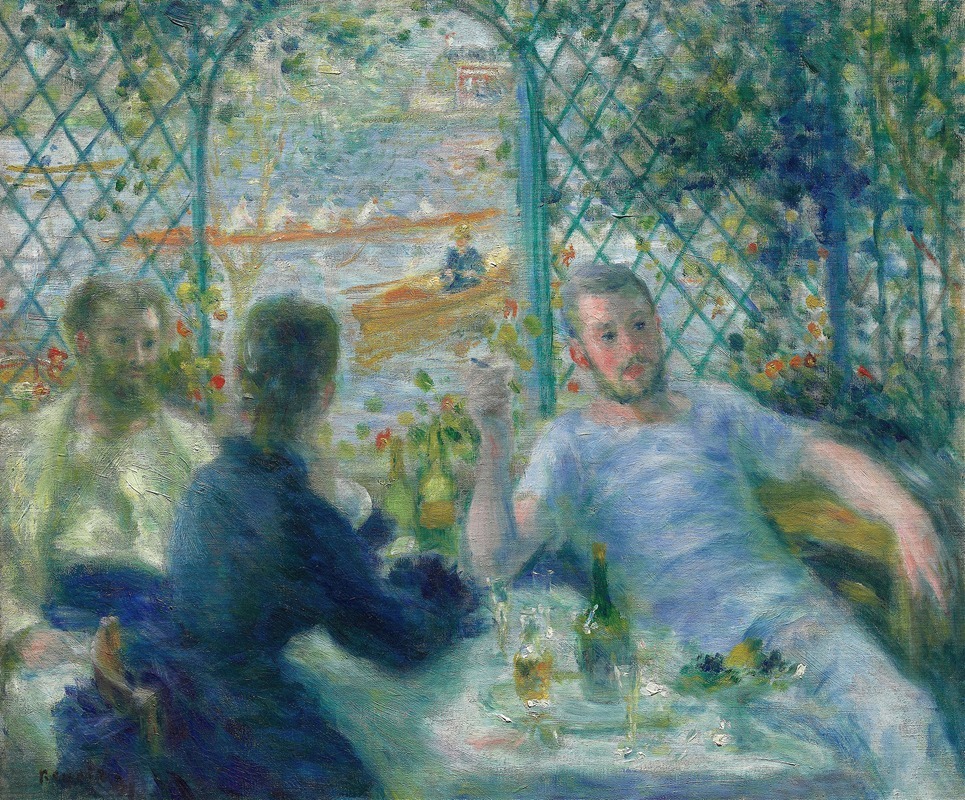
Lunch at the Restaurant Fournaise (The Rowers' Lunch)
Pierre-Auguste Renoir
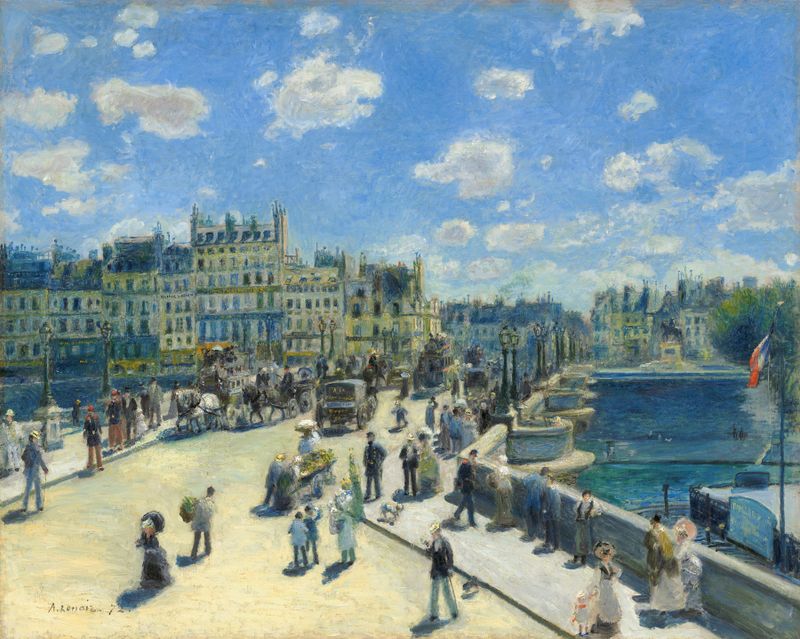
Pont Neuf, Paris
Pierre-Auguste Renoir
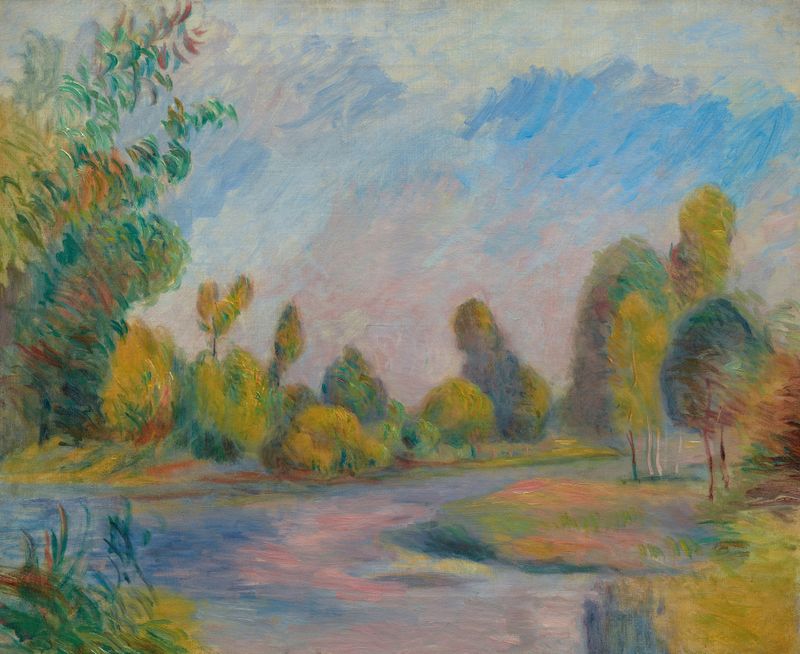
Au bord de la rivière
Pierre-Auguste Renoir

Near the Lake
Pierre-Auguste Renoir
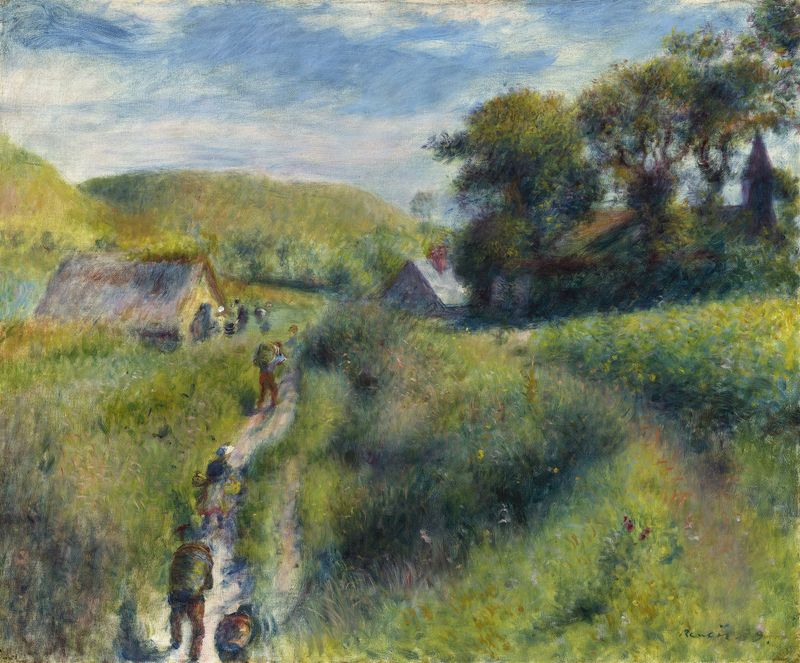
The Mussel Harvest
Pierre-Auguste Renoir

The Seine at Chatou
Pierre-Auguste Renoir
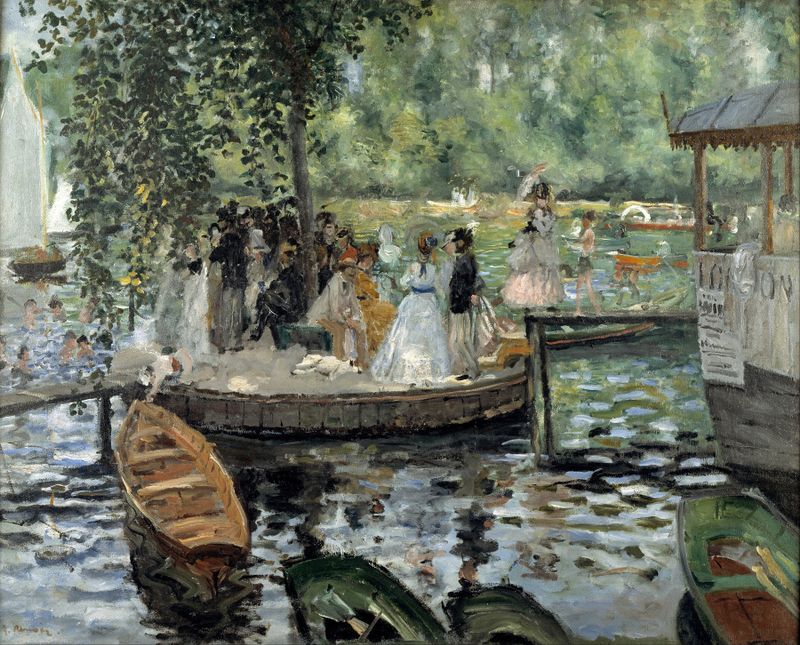
La Grenouillère
Pierre-Auguste Renoir
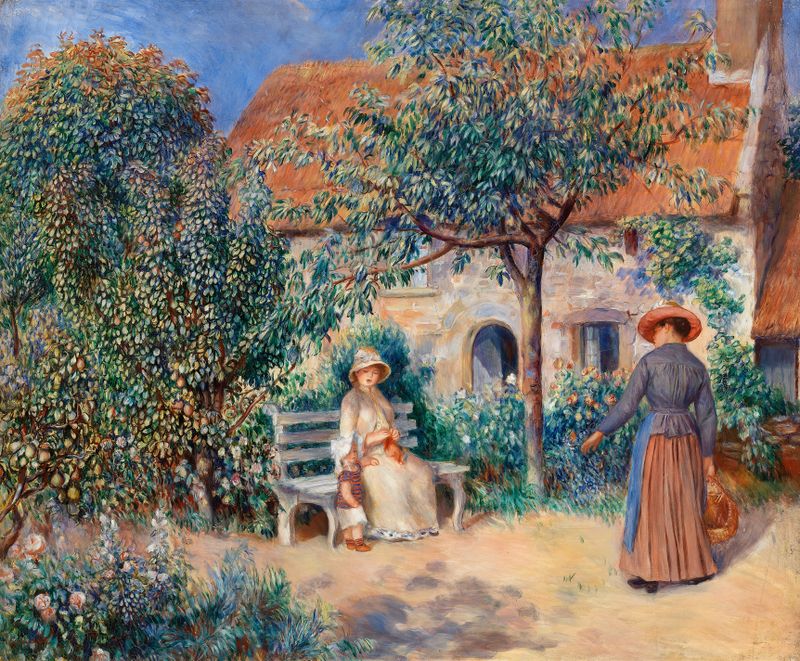
In Brittany (En Bretagne)
Pierre-Auguste Renoir
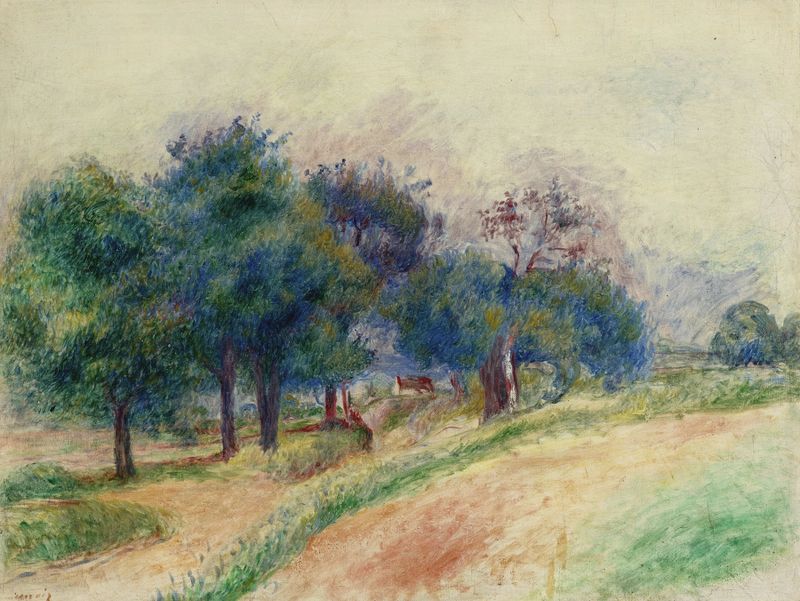
Paysage d’Essoyes
Pierre-Auguste Renoir





