
Houses seen from the back — History & Facts
Could a single brushstroke hold eternity? In Houses Seen from the Back, memory unfolds like a gentle whisper, each stroke capturing the essence of a moment long gone yet vividly alive. Look to the lower part of the canvas, where the houses sit in quiet repose. The strong vertical lines of the buildings create a contrasting rhythm with the undulating curves of the landscape. Notice how soft hues of ochre and deep blues blend seamlessly, inviting a sense of nostalgia that envelops the viewer.
The brushstrokes are thick and textured, almost tactile, as if they could draw you into the very fabric of the scene. Delve deeper, and you may uncover the emotional weight of solitude and the passage of time. The houses turn their backs to the viewer, implying stories untold—a deeper connection to lives lived within those walls. The sunlight that bathes the scene is both warm and melancholic, indicating a fading memory rather than a vibrant present.
Van Gogh's choice of perspective evokes an intimate distance, emphasizing the beauty of places often overlooked while hinting at the loneliness of memory. During the years of 1885 to 1886, Van Gogh was immersing himself in the rural life of the Netherlands. Struggling with his mental health and striving to find his distinct voice as an artist, he painted this scene while grappling with the complexities of solitude and belonging. It reflects a crucial transition in his work, bridging the gap between his earlier dark palettes and the vivid colors he would later embrace in his journey toward artistic mastery.
More Artworks by Vincent van Gogh
Browse all →
Starry Night
Vincent van Gogh

The Bedroom
Vincent van Gogh
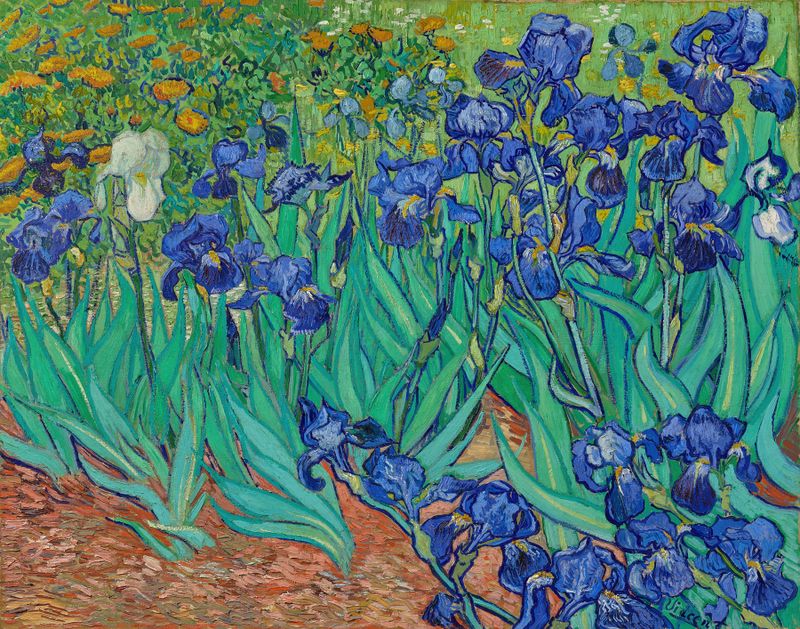
Irises
Vincent van Gogh
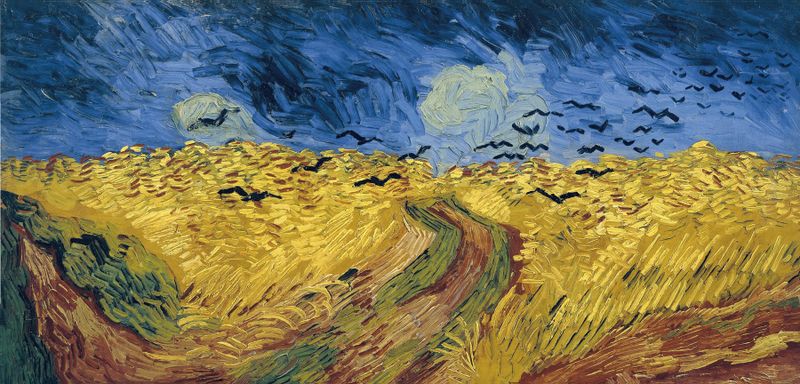
Wheatfield with Crows
Vincent van Gogh
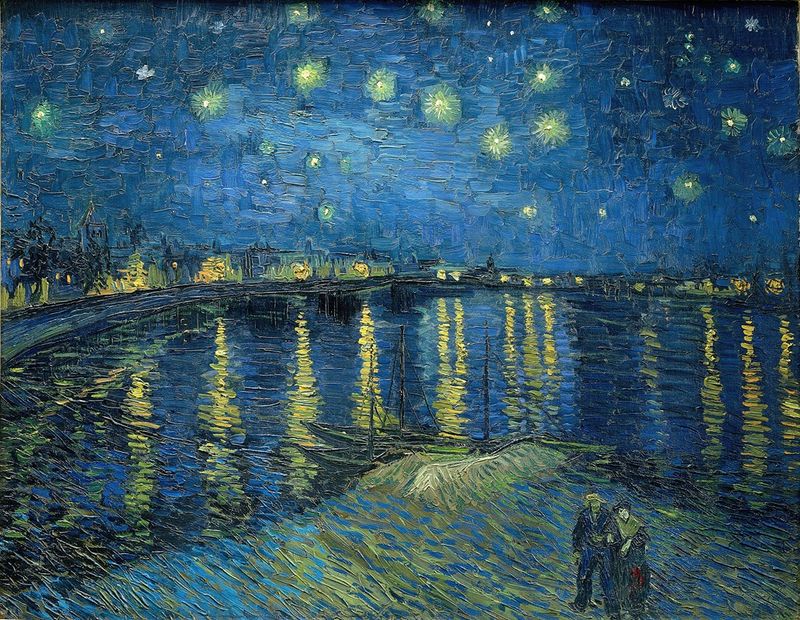
Starry Night over the Rhone
Vincent van Gogh

The yellow house
Vincent van Gogh
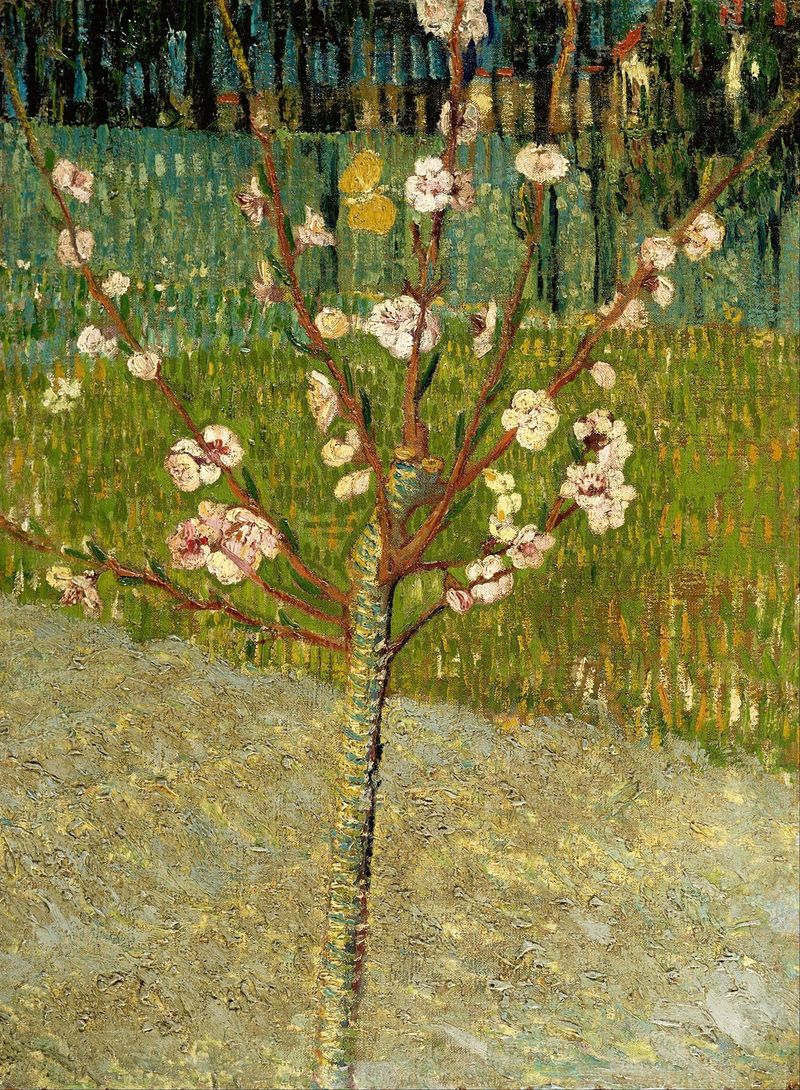
Almond tree in blossom
Vincent van Gogh

Portrait of Dr Gachet
Vincent van Gogh

The Church in Auvers-sur-Oise, View from the Chevet
Vincent van Gogh

Self-Portrait
Vincent van Gogh





