
Houten gevel in de Korte Doornikstraat, Antwerpen — History & Facts
The stillness of a scene, whispered into existence, evokes an obsession that lingers in the air like a secret. The architecture stands resolute, yet it speaks volumes of the lives entwined within its shadows, inviting us to peer into its depths. Look to the left at the weathered wooden façade, where the muted tones of ochre and brown blend seamlessly, embodying both age and resilience. Subtle light dances upon the textured surface, revealing the craftsmanship and the stories held within each groove.
Notice how the windows, framed in soft white, create a stark contrast that draws the eye and hints at the life beyond — a life filled with untold moments. Beneath the surface, the painting presents a tension between permanence and transience. The architectural details suggest a history rich with memories, while the absence of figures evokes solitude and introspection. This interplay creates a haunting sense of longing, as if the walls are silently imploring us to consider the lives they have sheltered and the dreams that might have flickered within those very spaces. In 1837, Edward Dujardin painted this work during a period marked by a burgeoning sense of urban identity in Belgium, as cities expanded and modernized.
Living in Antwerp, he was influenced by Romanticism, which emphasized emotion and individual experience, evident in the deep connection to the everyday settings he portrayed. This moment in his career represents a commitment to capturing both the physical and emotional landscapes of urban life.
More Artworks by Edward Dujardin
Browse all →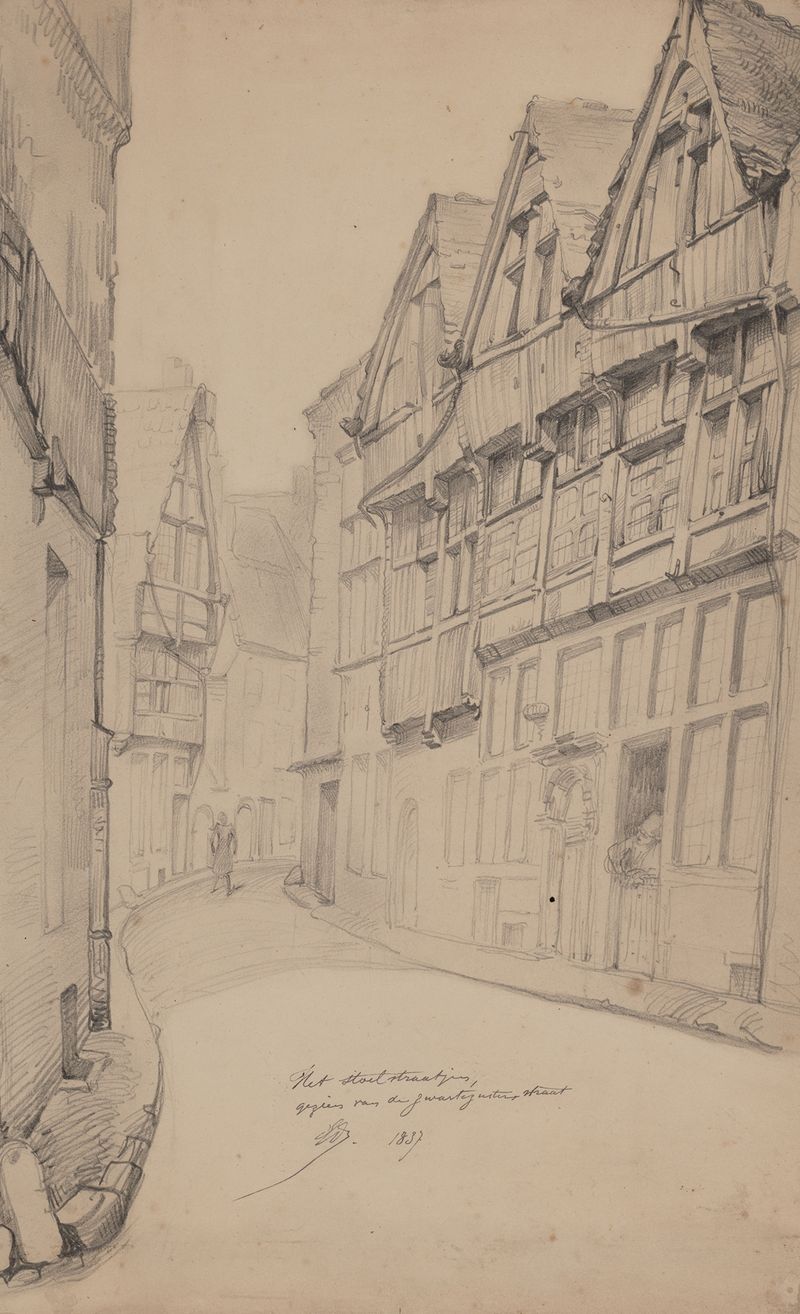
De Stoelstraat, gezien vanuit de Zwarte Zusterstraat
Edward Dujardin
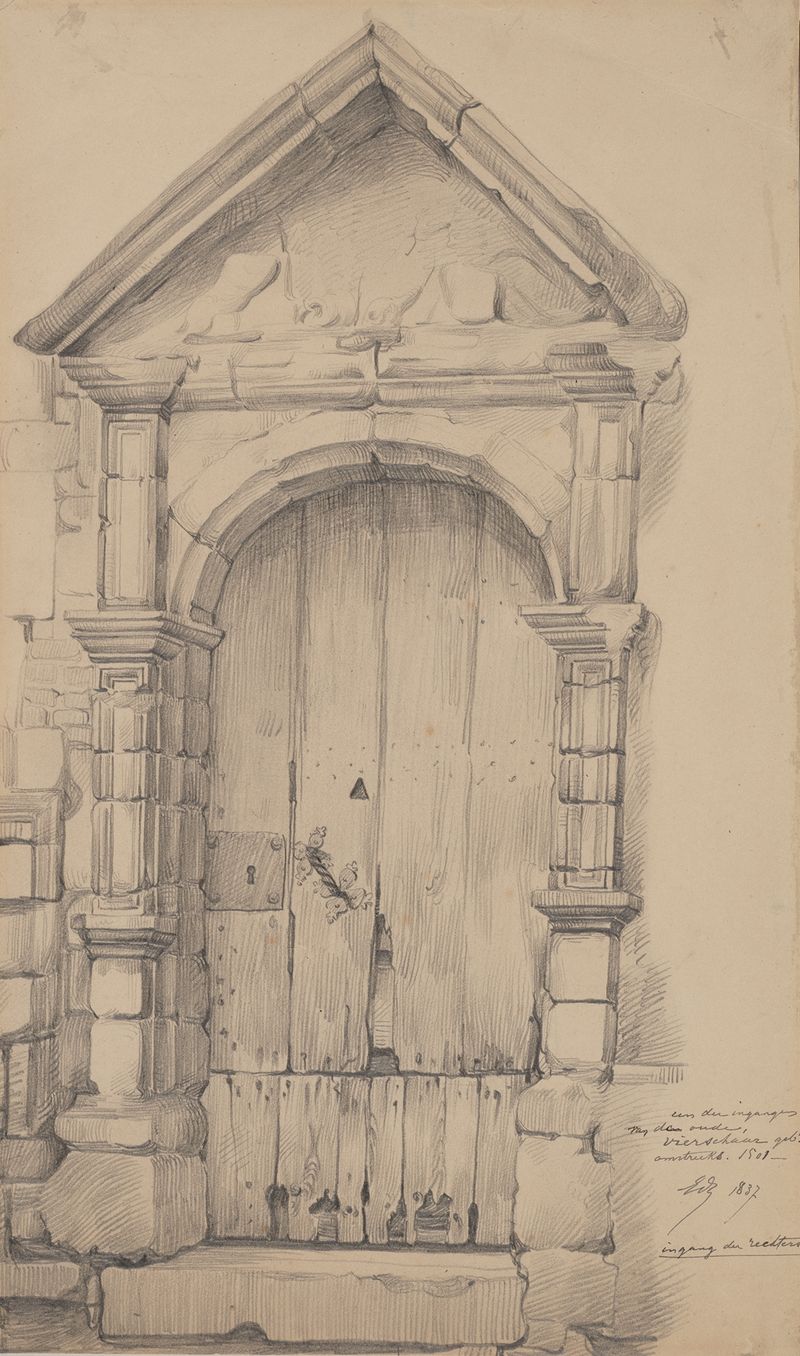
De ingang der rechters van de oude Vierschaar
Edward Dujardin
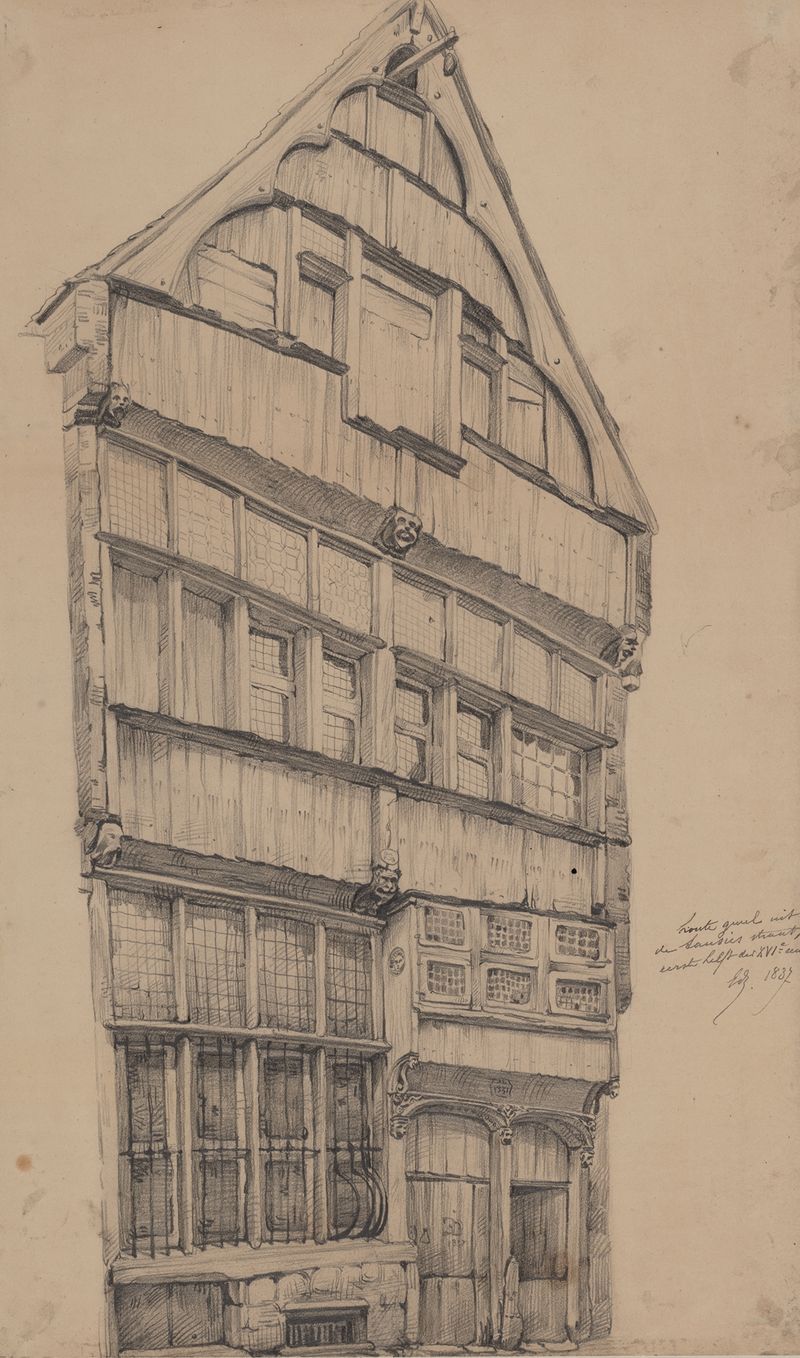
Houten gevel in de Saucierstraat.
Edward Dujardin
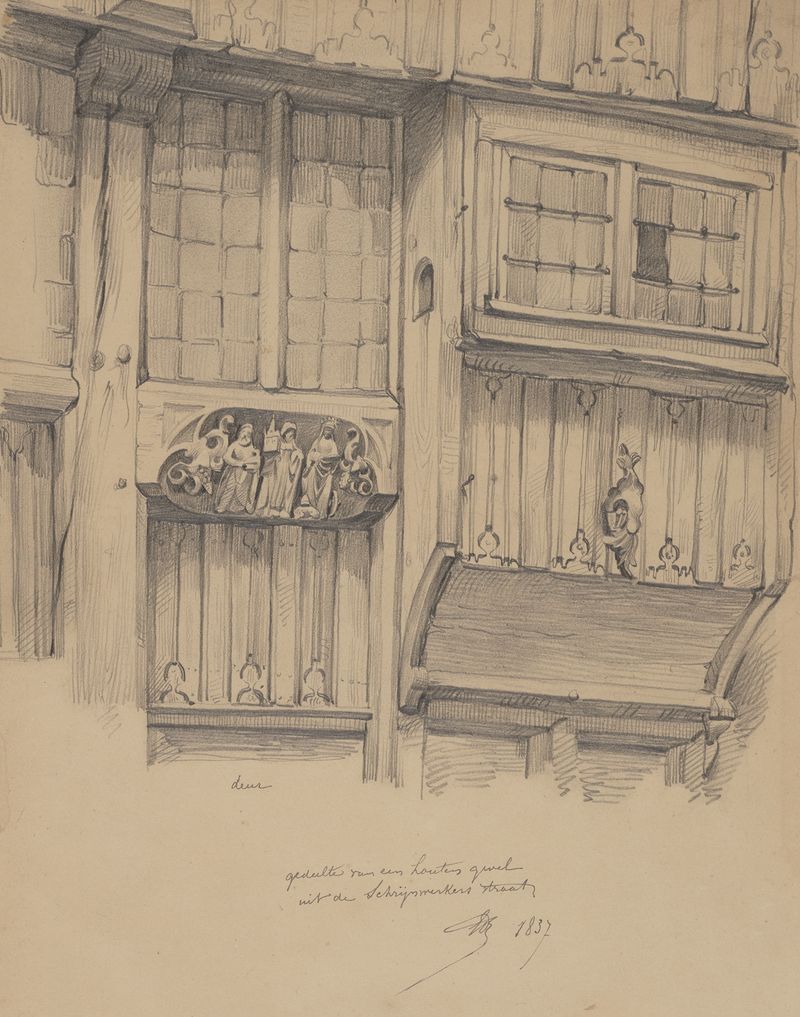
Gedeelte van een houten gevel uit de Schrijnwerkersstraat
Edward Dujardin
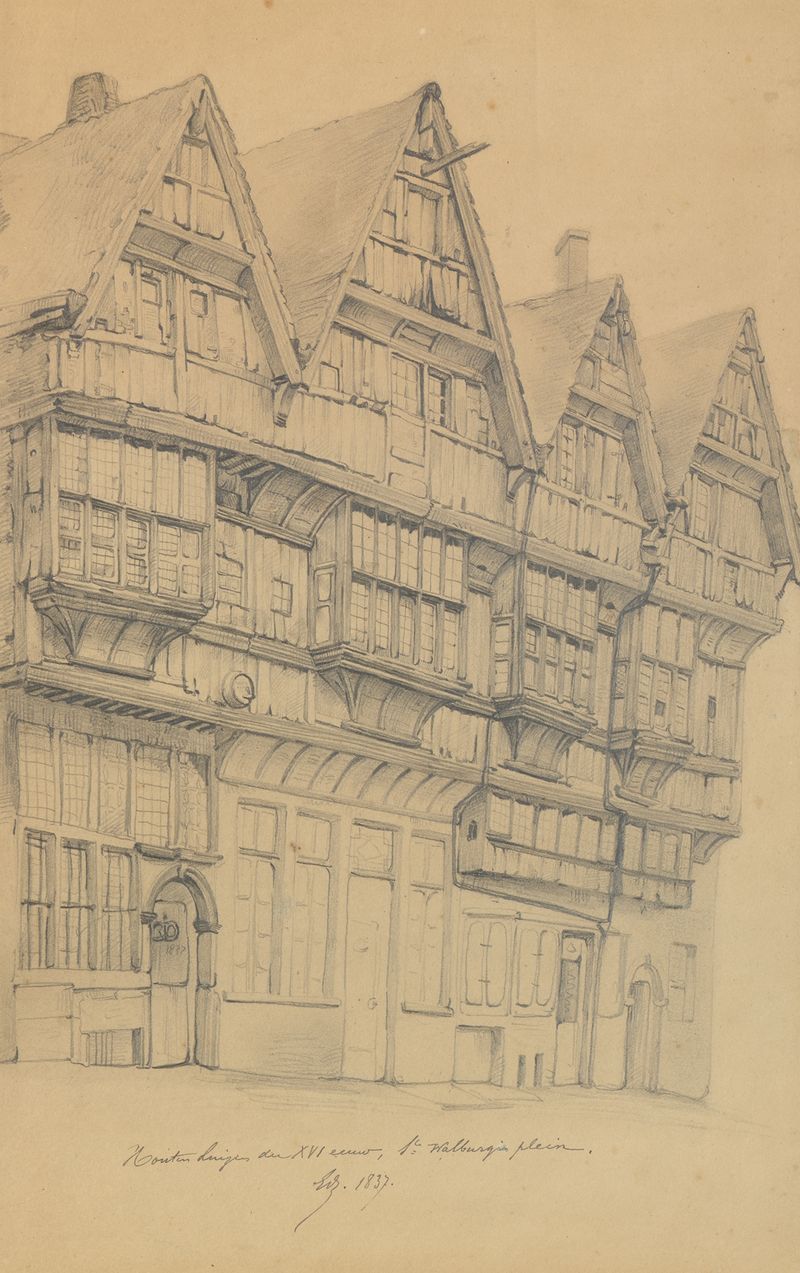
Houten huizen der XVI eeuw, Sint-Walburgisplein
Edward Dujardin
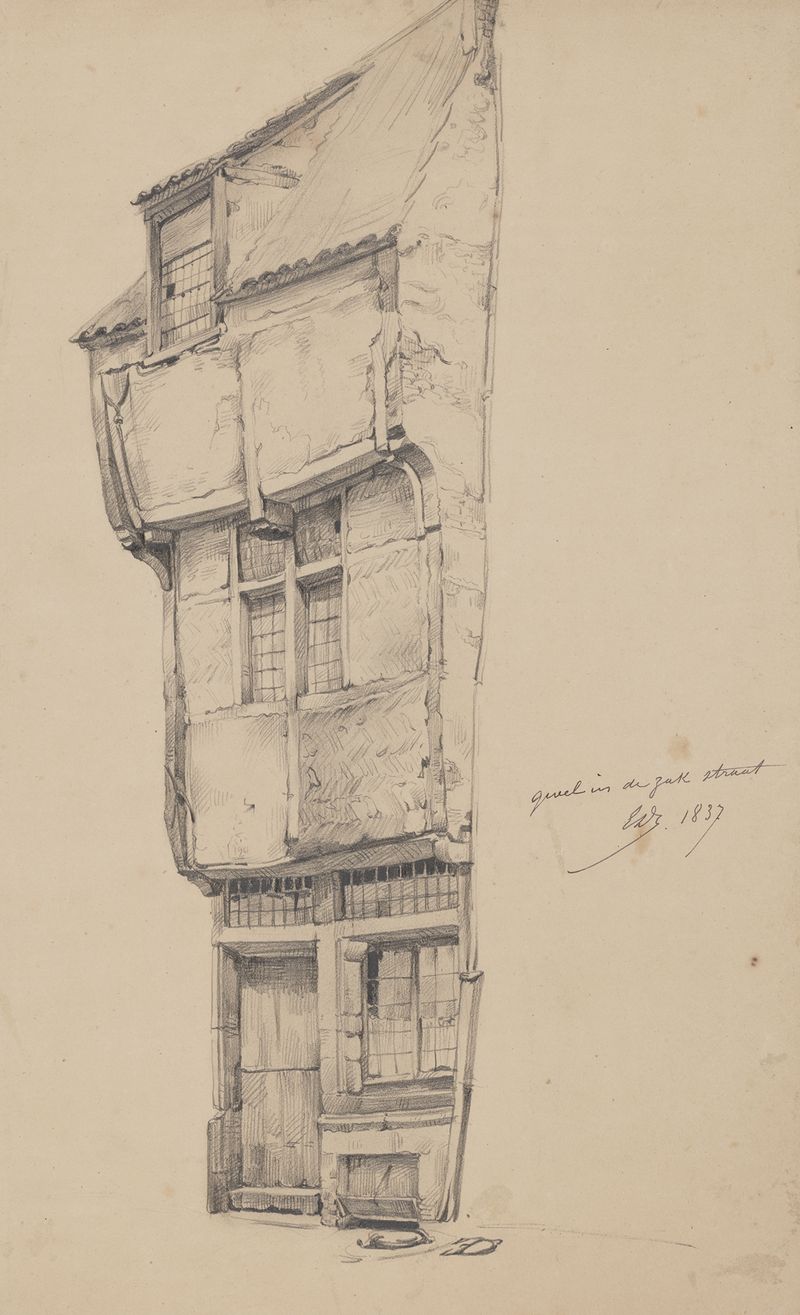
Gevel in de Zakstraat
Edward Dujardin
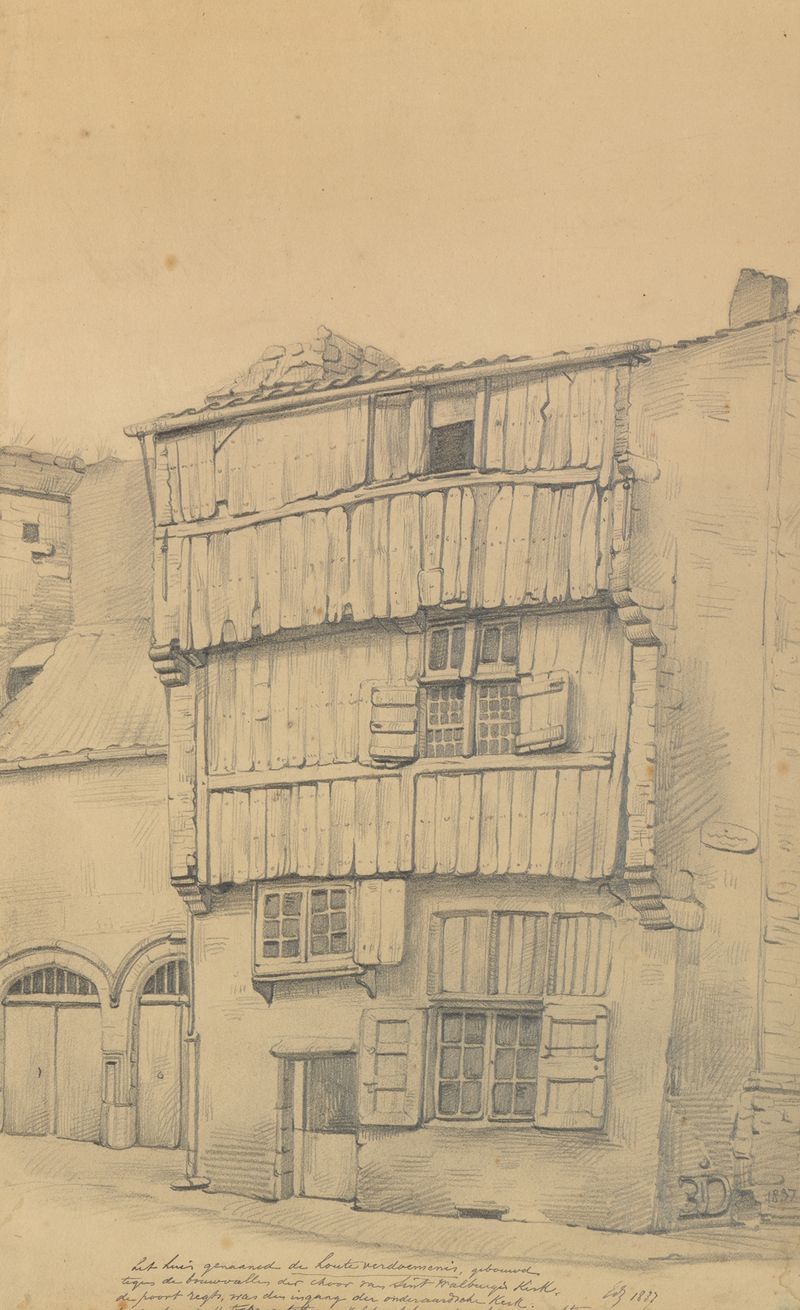
Het huis ‘De Houte Verdoemenis’, gebouwd tegen het koor van de Sint-Walburgiskerk
Edward Dujardin
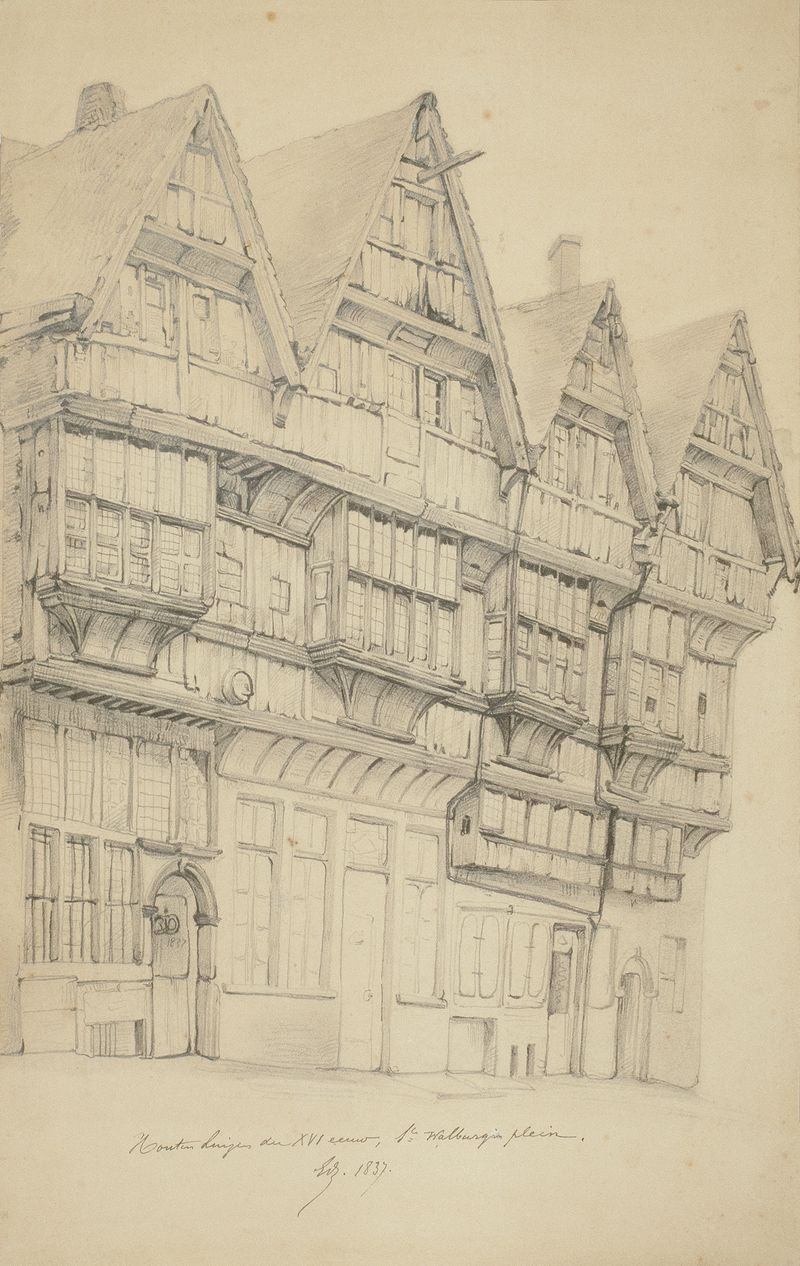
Houten huizen der XVI eeuw, Sint-Walburgisplein
Edward Dujardin

Ingangspoort van het Sint-Julianusgodshuis
Edward Dujardin
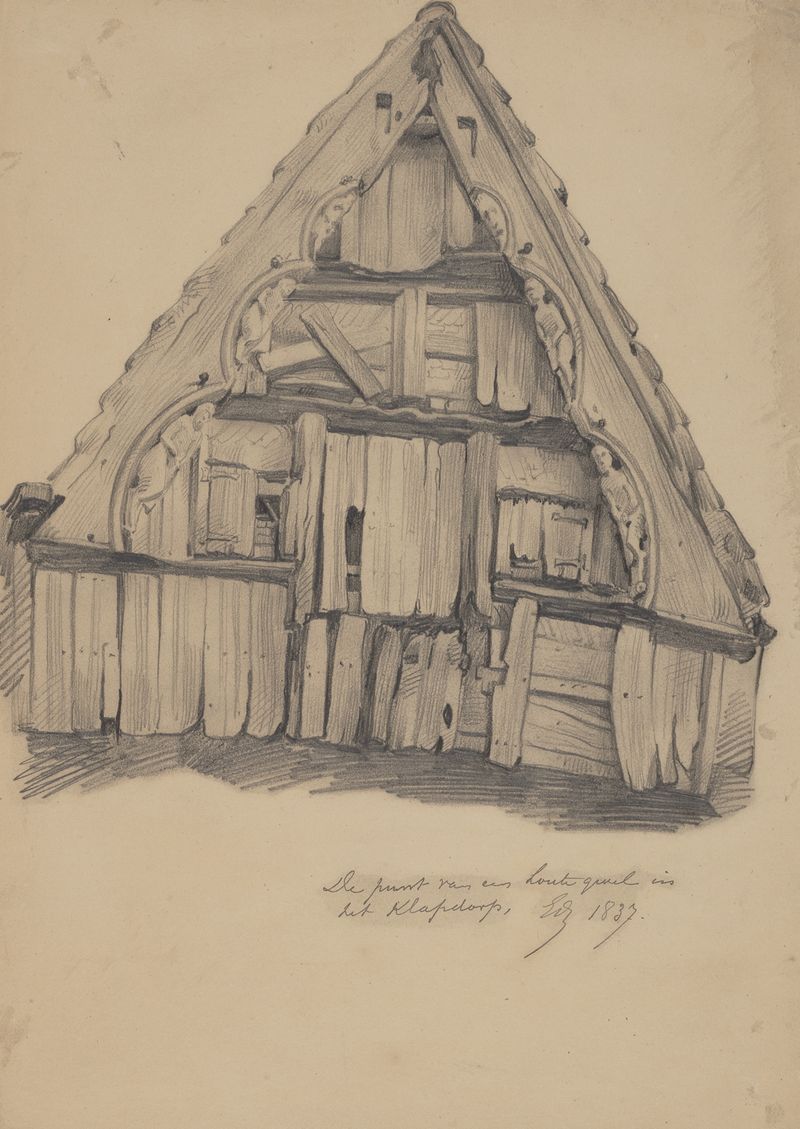
De punt van een houten gevel in het Klapdorp
Edward Dujardin
More Architecture Art
Browse all →
The statue of Liberty
Frédéric Auguste Bartholdi

View of Houses in Delft, Known as ‘The Little Street’
Johannes Vermeer

View of Houses in Delft, Known as ‘The Little Street’
Johannes Vermeer

The Cathedral in Rouen. The portal, Grey Weather
Claude Monet

The yellow house
Vincent van Gogh

The Church in Auvers-sur-Oise, View from the Chevet
Vincent van Gogh